EduNinja
(a)
(i)

Outline two ways in which the increase in population in Naivasha has caused soil degradation.

YearApproximate number of people
196945000
197995000
1989105000
1999160000
2005250000
2009300000

Figure 6: Population growth in the Naivasha area

Figure 7: Rising population has increased demand for land, firewood, charcoal and timber, leading to deforestation and soil erosion.
Threats include habitat destruction, pesticide/herbicide/fertilizer and sewage pollution, nutrient enrichment, alien species, water hyacinth invasion, siltation from overgrazing, papyrus harvesting and excessive water abstraction.
Most water abstractions are not measured; only a small section of Naivasha town has sewerage and the sewage treatment works broke down ten years ago.

[ 1 ]
[Maximum number: 2]
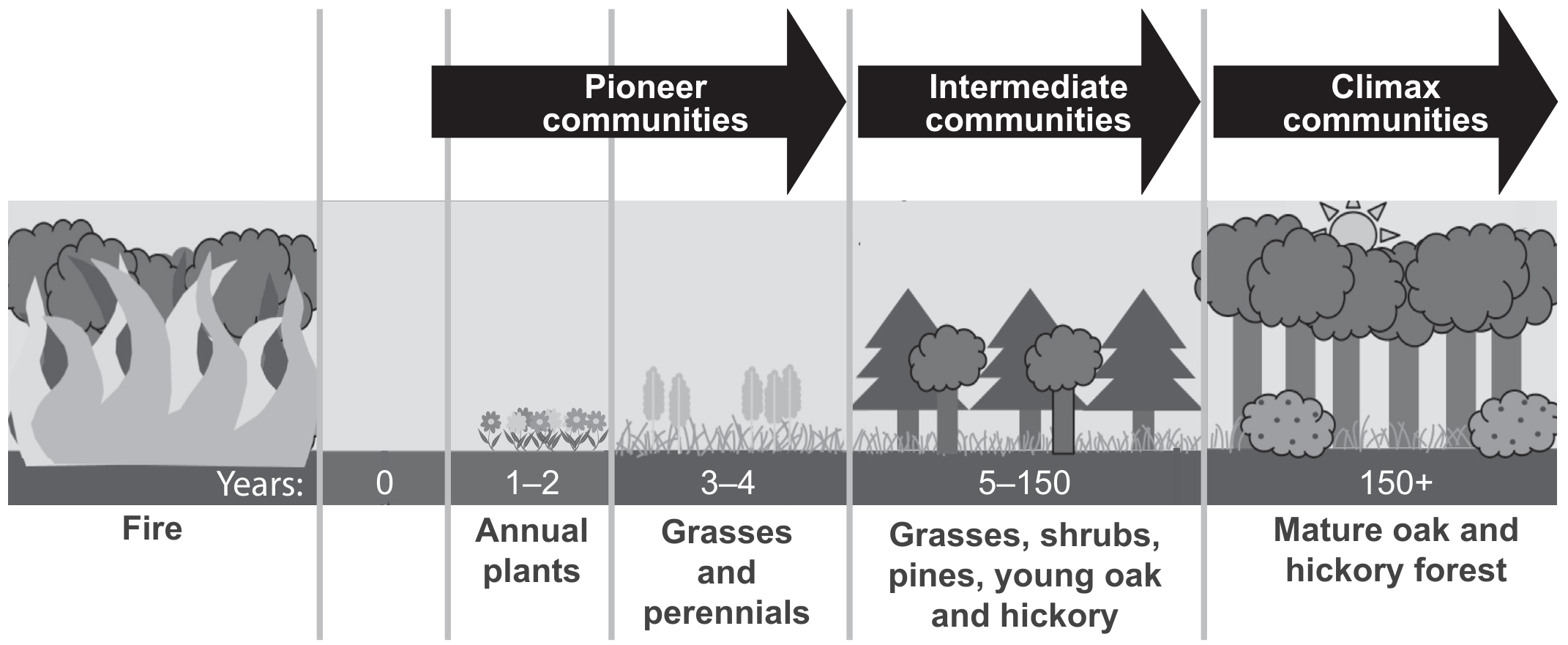
Figure 1: Stages of succession following disturbance by fire

Figure 1: Stages of succession following disturbance by fire

(a)

Outline two ways in which the soil quality in the pioneer stages of the succession model shown in Figure 1 will differ from that in the climax ecosystem.

[ 2 ]
(a)
(i)

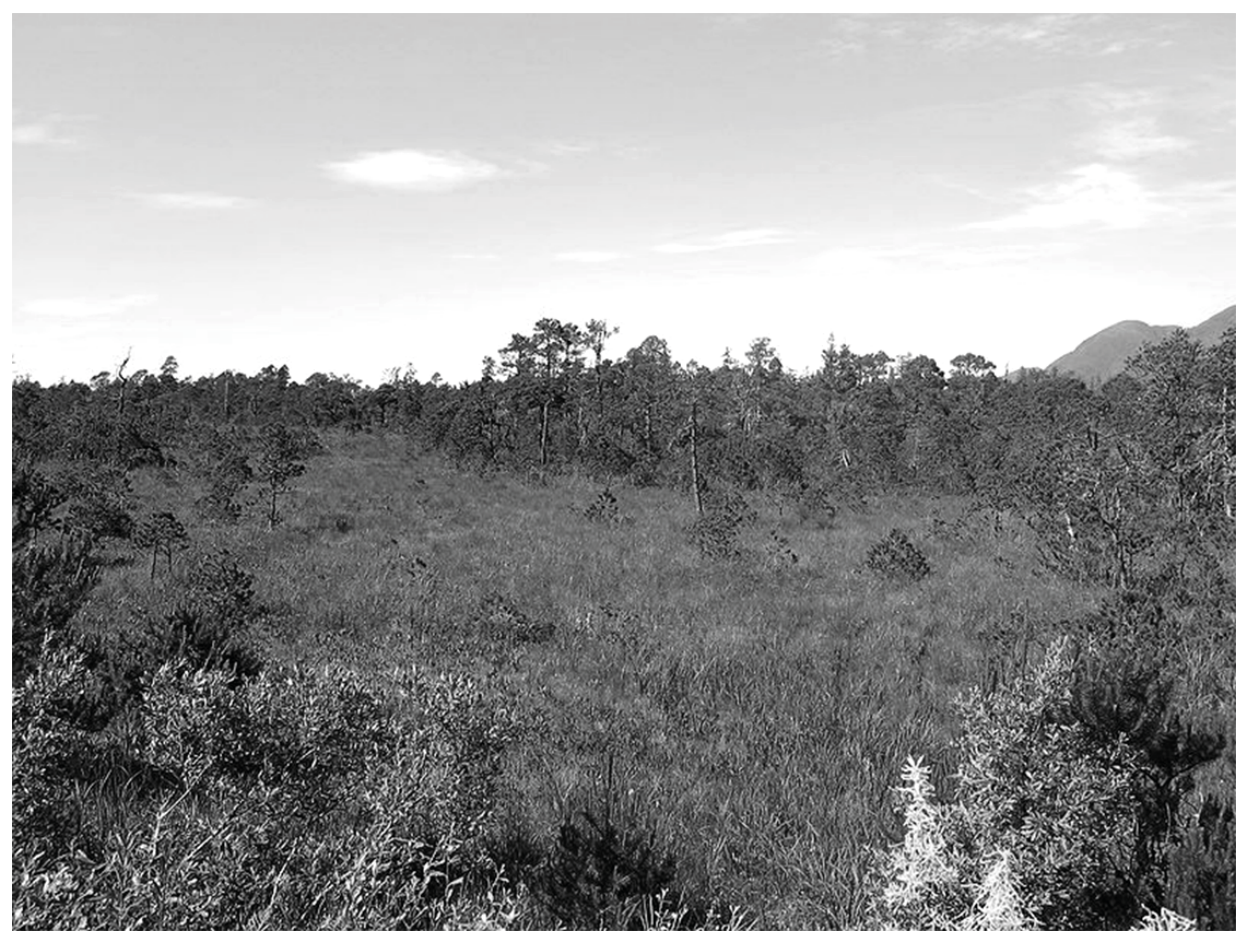
Identify two factors that make the muskeg vulnerable to loss of biodiversity.

Figure 4(b): Muskeg habitat in Alberta

Figure 4(b): Muskeg habitat in Alberta

Opponents say tar sands produce three times more greenhouse gas emissions than conventional fossil fuels; fossil fuels are burned to heat extraction water; underground carbon stores become available; oil produced is burned; boreal forest is cut down; wildlife is displaced or dies; only 10% of water taken from the Athabasca River is returned; toxic waste ponds may leak into river and groundwater; indigenous people may be displaced and face health impacts. Supporters say tar sands improve energy security for Canada and the USA; Canada supplied much crude oil to the USA; Keystone XL may create jobs; companies reinvest in carbon capture and storage; 7.5 million trees have been replanted.

[ 2 ]
[Maximum number: 7]
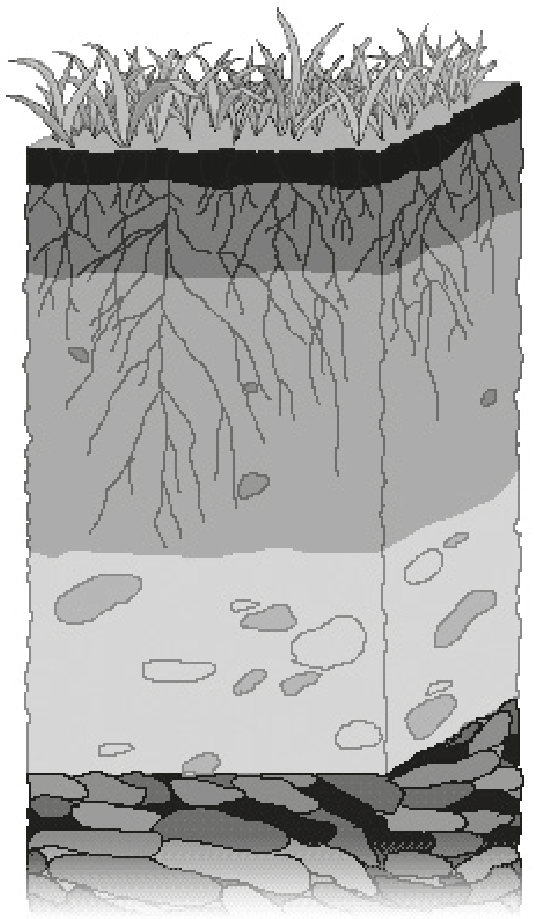
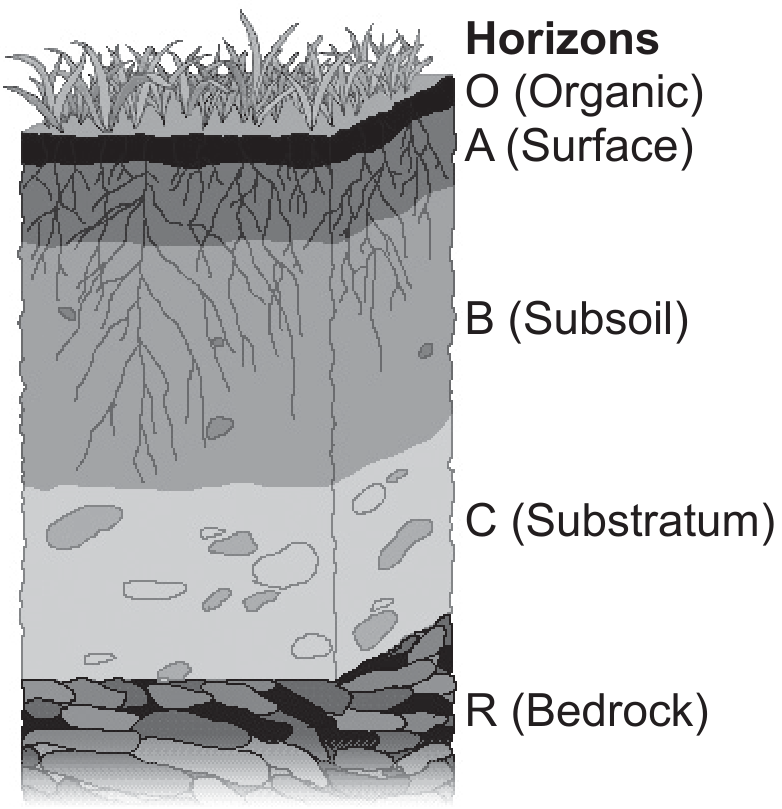
Figure 1: A typical soil profile

Figure 1: A typical soil profile

(a)
(i)

State one transfer of matter occurring within the soil profile.

[ 1 ]
(ii)

State one transformation process occurring within the soil profile.

[ 1 ]
(iii)

Identify one example of an output to the atmosphere from the soil system.

[ 1 ]
(b)

Describe two characteristics of soil with high primary productivity.

[ 2 ]
(c)

Outline two conservation methods that could be used to reduce soil erosion.

[ 2 ]
(a)

Identify two features of a loam soil that make it suitable for crop growth.

[ 2 ]
[Maximum number: 4]

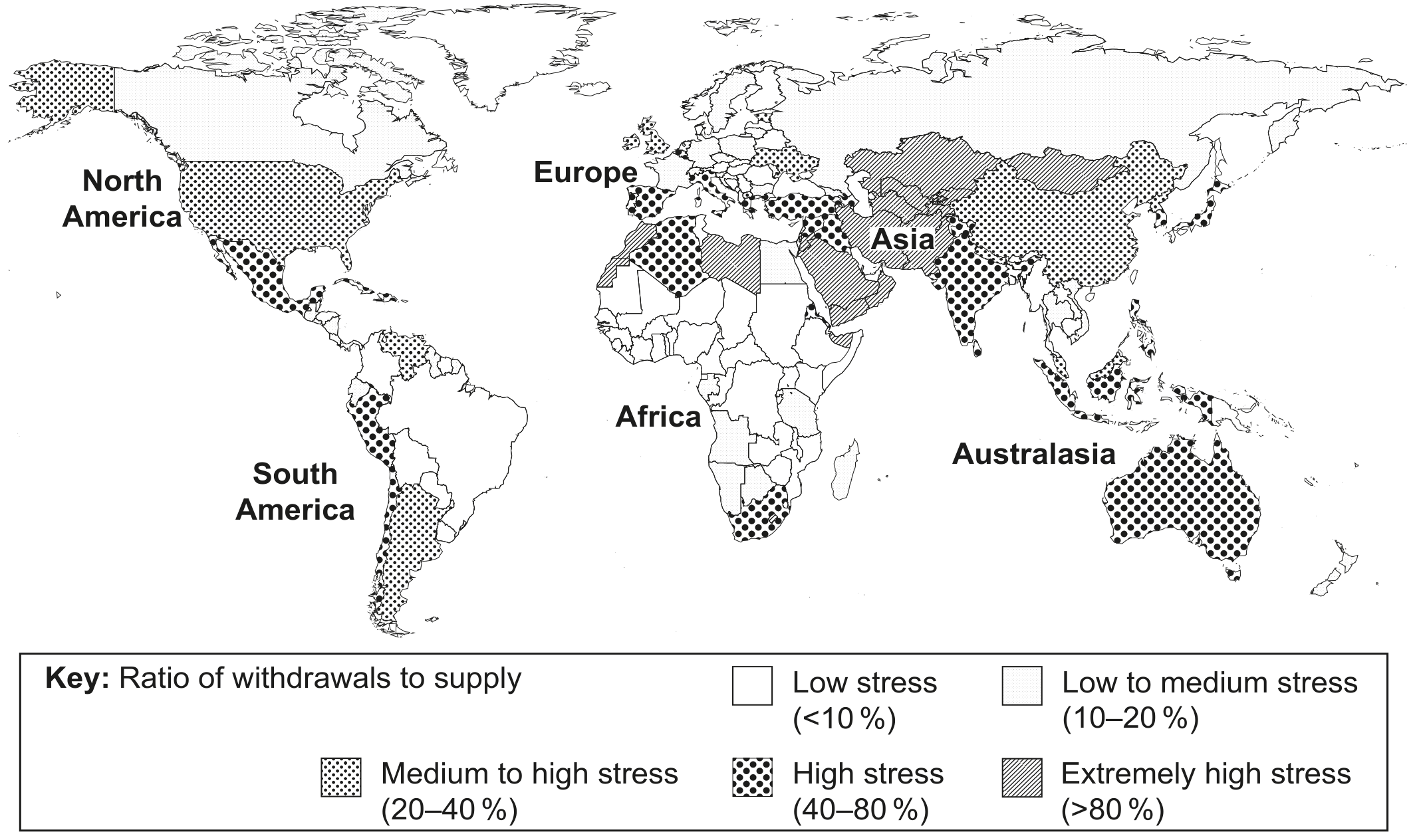
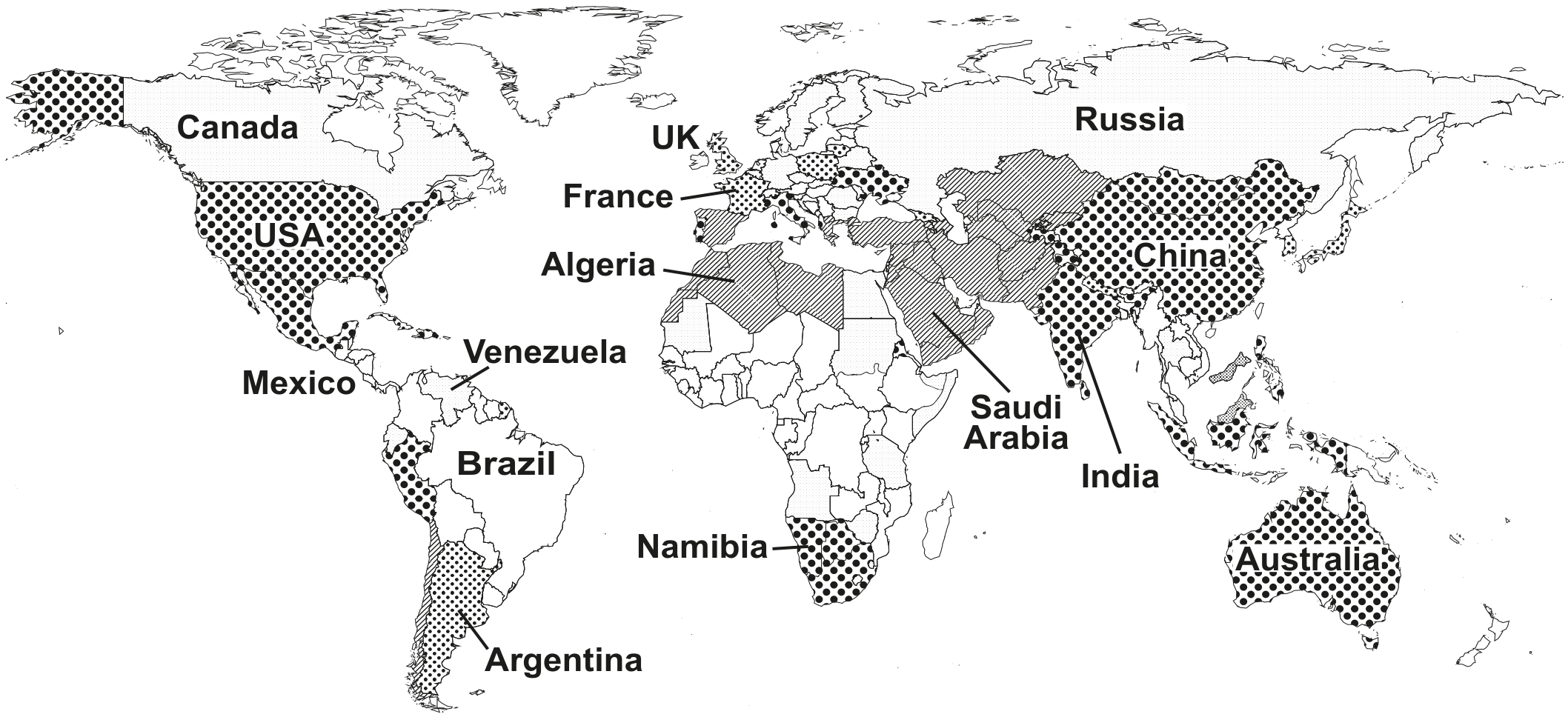
Figures 1(a) and 1(b) show the availability of renewable freshwater per capita in 2013 and its predicted availability in 2040.

Figure 1(a): Water stress by country in 2013

Figure 1(a): Water stress by country in 2013

Figure 1(b): Predicted water stress by country in 2040

Figure 1(b): Predicted water stress by country in 2040

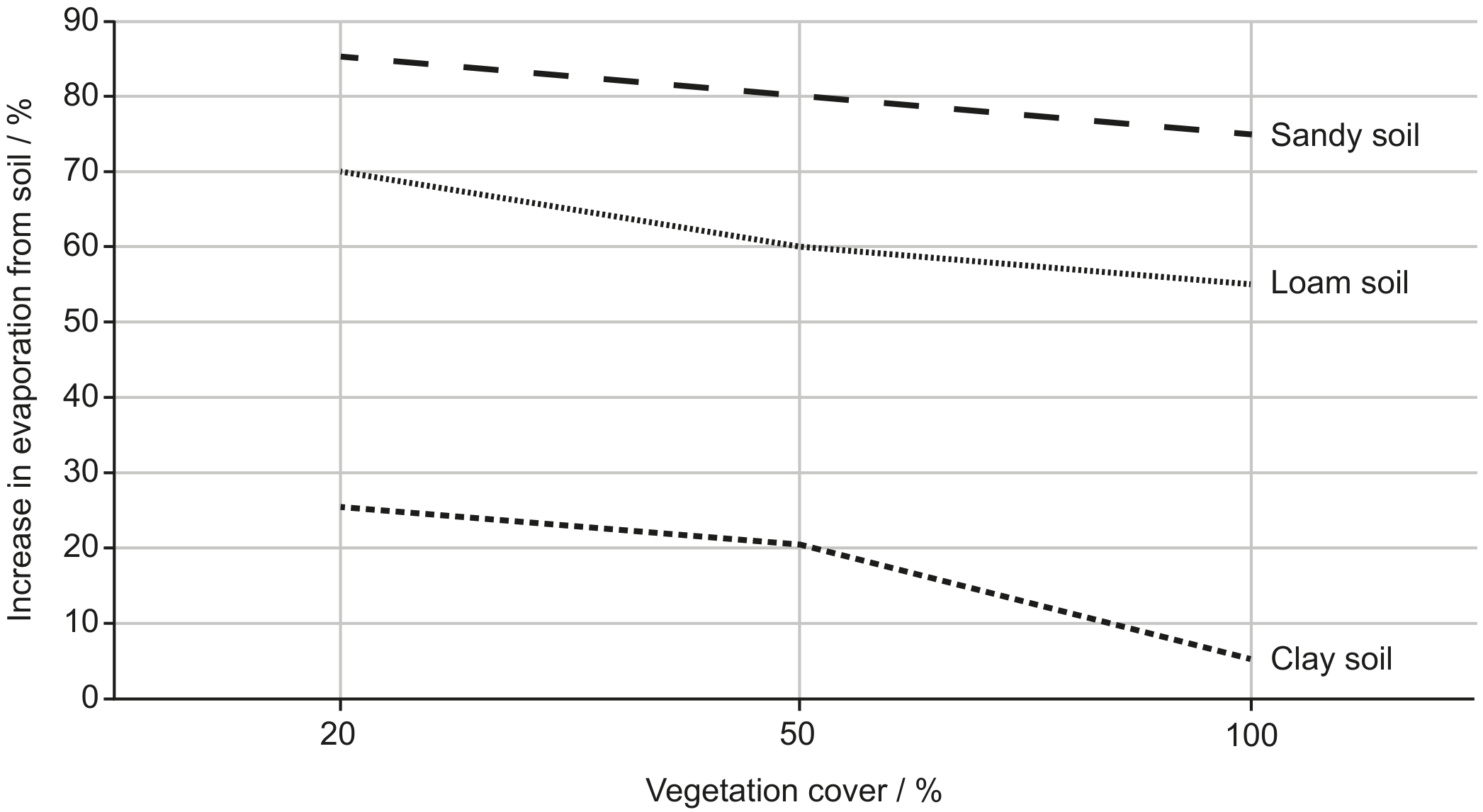
Figure 2: Relationship between vegetation cover and evaporation from different soil types

Figure 2: Relationship between vegetation cover and evaporation from different soil types

(a)
(i)

Describe the overall trend for sandy soil shown in Figure 2.

[ 1 ]
(ii)

Calculate the change in evaporation from clay soil when the vegetation cover changes from 50 % to 100 %.

[ 1 ]
(b)

Outline two reasons why loam soils are the most productive for plant growth.

[ 2 ]
(a)
(i)

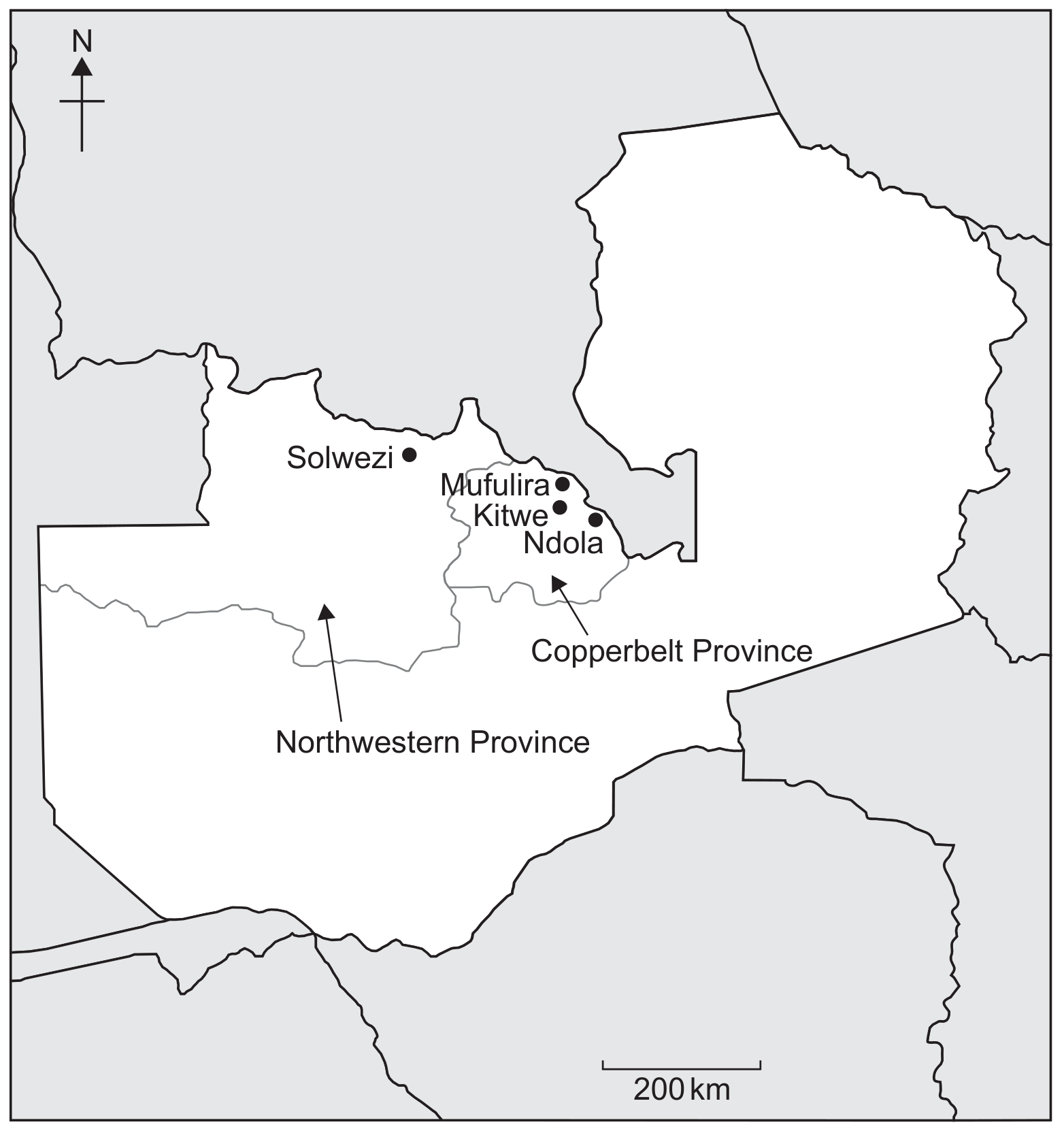
Describe two different impacts on the ecosystem from mining activity in the Copperbelt Province.

Figure 4(a): Main mining regions in Zambia

Figure 4(a): Main mining regions in Zambia

Figure 4(b): 84% of Zambia export income comes from mining, although there are efforts to increase income from agriculture and manufacturing.
Most mining occurs in the Copperbelt and Northwestern Provinces; Zambia is a major producer of copper and cobalt.
Historic mining in Copperbelt Province has left 21 waste rock dumps, 9 slag heaps and 45 tailing dams with toxic metal concentrations.
The Kafue River supplies local communities; young Tilapia are unable to survive near mining areas in the Kafue River.
Mining activity in Copperbelt Province has supported an increase in local population.

Mining activityWaste generated
Mining/mineral extractionWaste rock dumps (heaps)
Processing of oreTailings containing heavy metals and fine particulates; slag heaps containing heavy metals; SOx and NOx emissions

Figure 4(c): Types of waste generated from mining activity

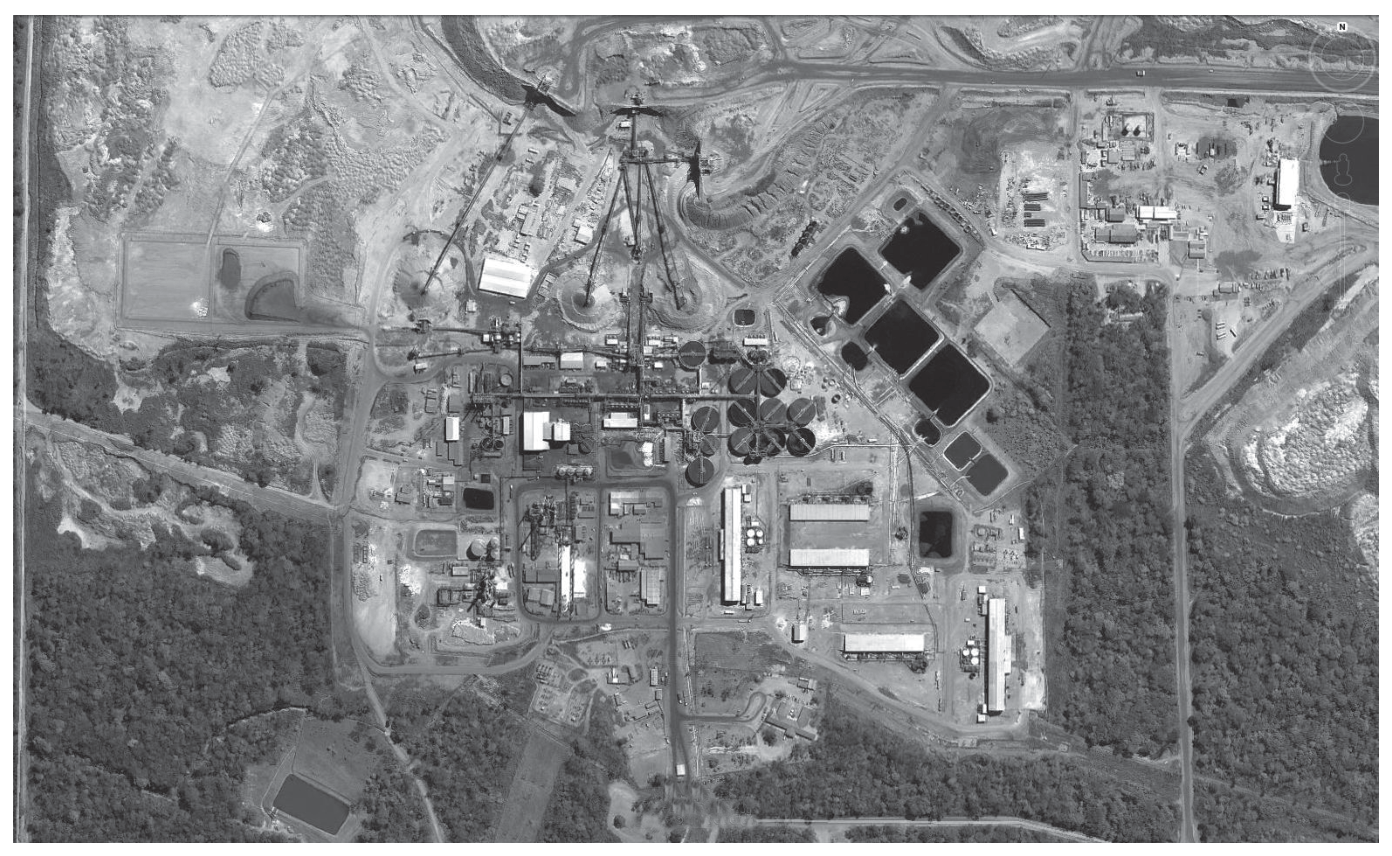
Figure 5(a): Kansanshi mine in the Northwestern Province

Figure 5(a): Kansanshi mine in the Northwestern Province

[ 2 ]
[Maximum number: 8]
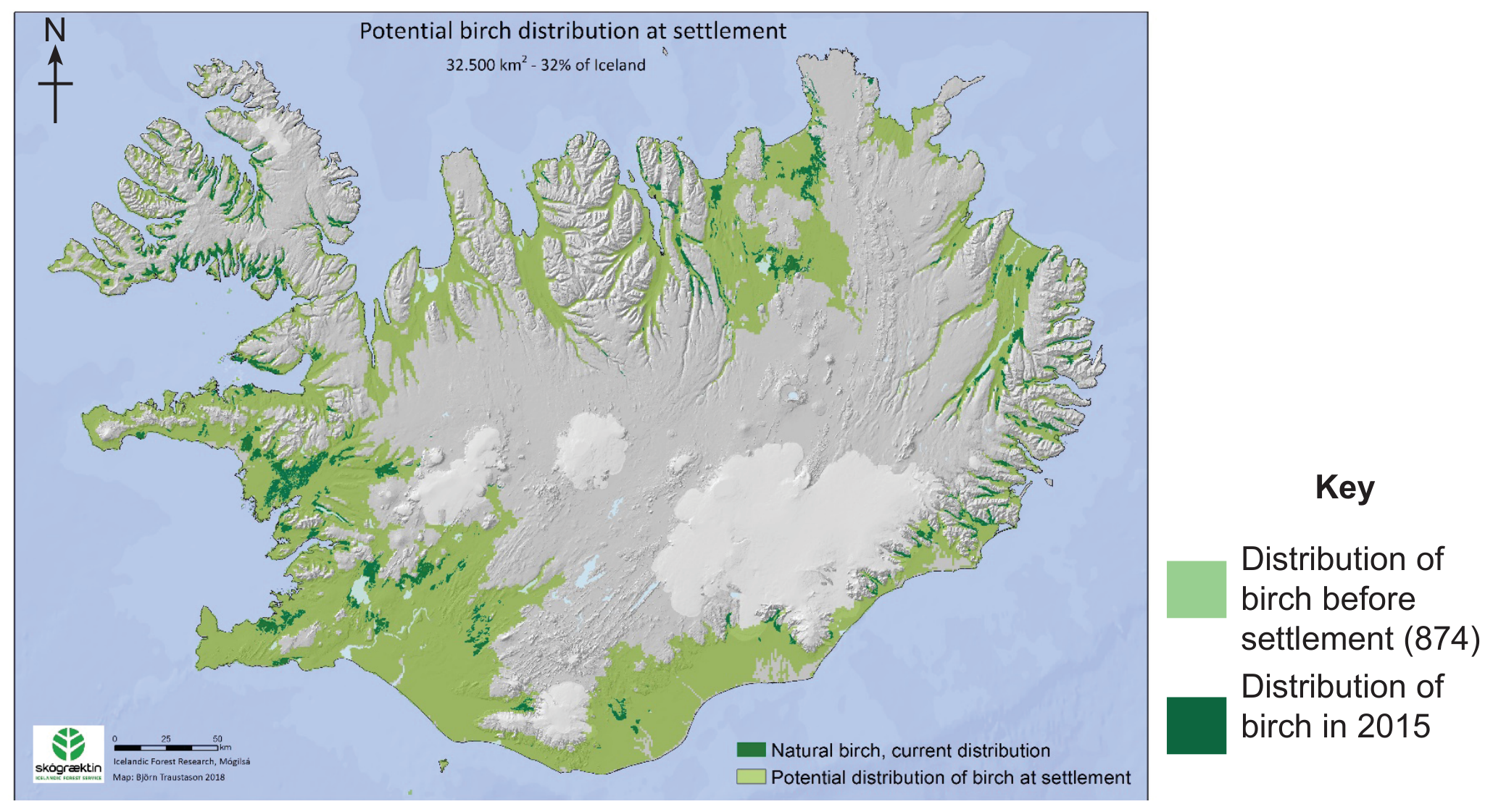
Figure 6(a): Distribution of birch forest in Iceland in 874 and 2015

Figure 6(a): Distribution of birch forest in Iceland in 874 and 2015

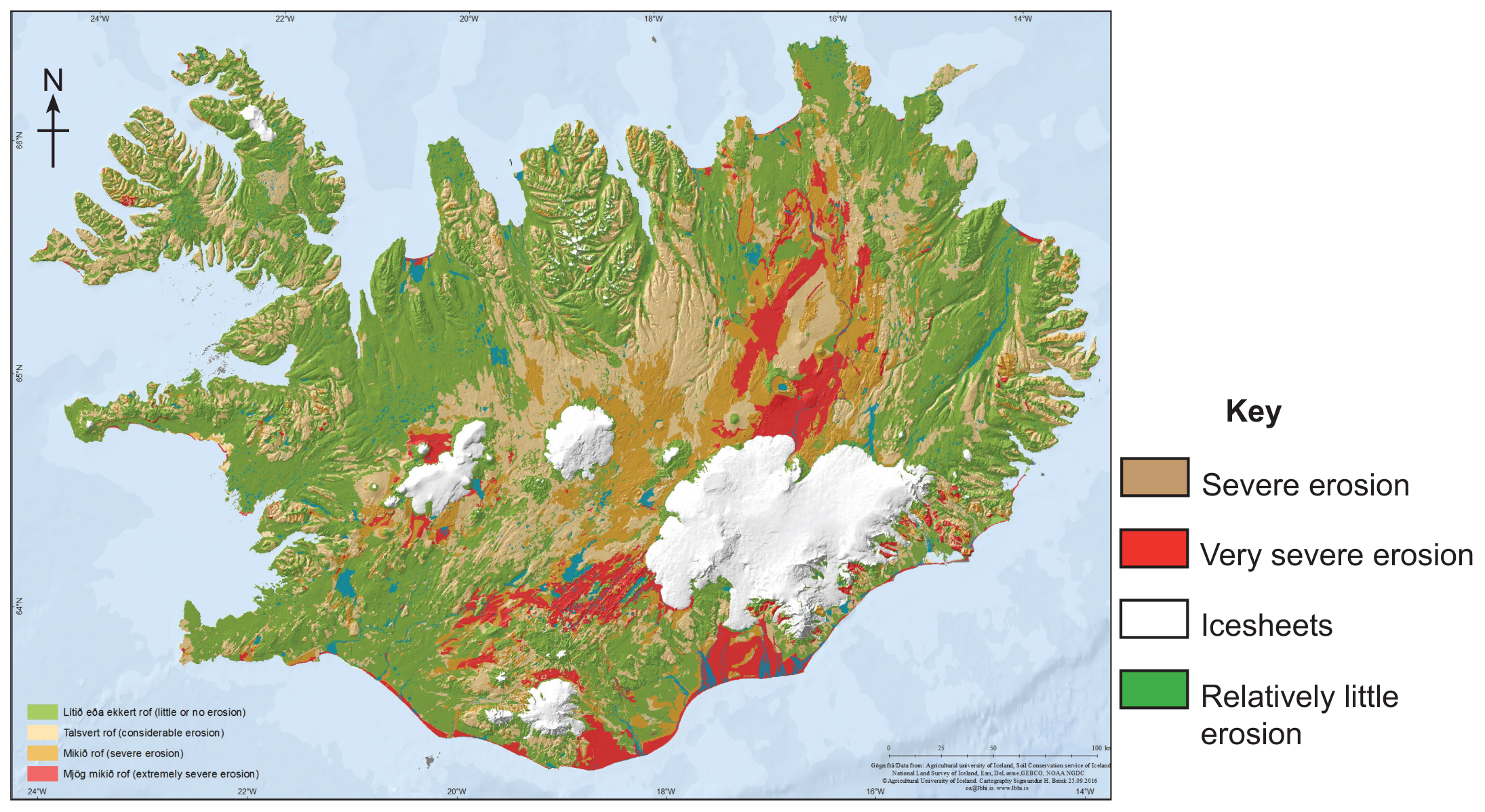
Figure 6(b): Soil erosion in Iceland in 2007

Figure 6(b): Soil erosion in Iceland in 2007

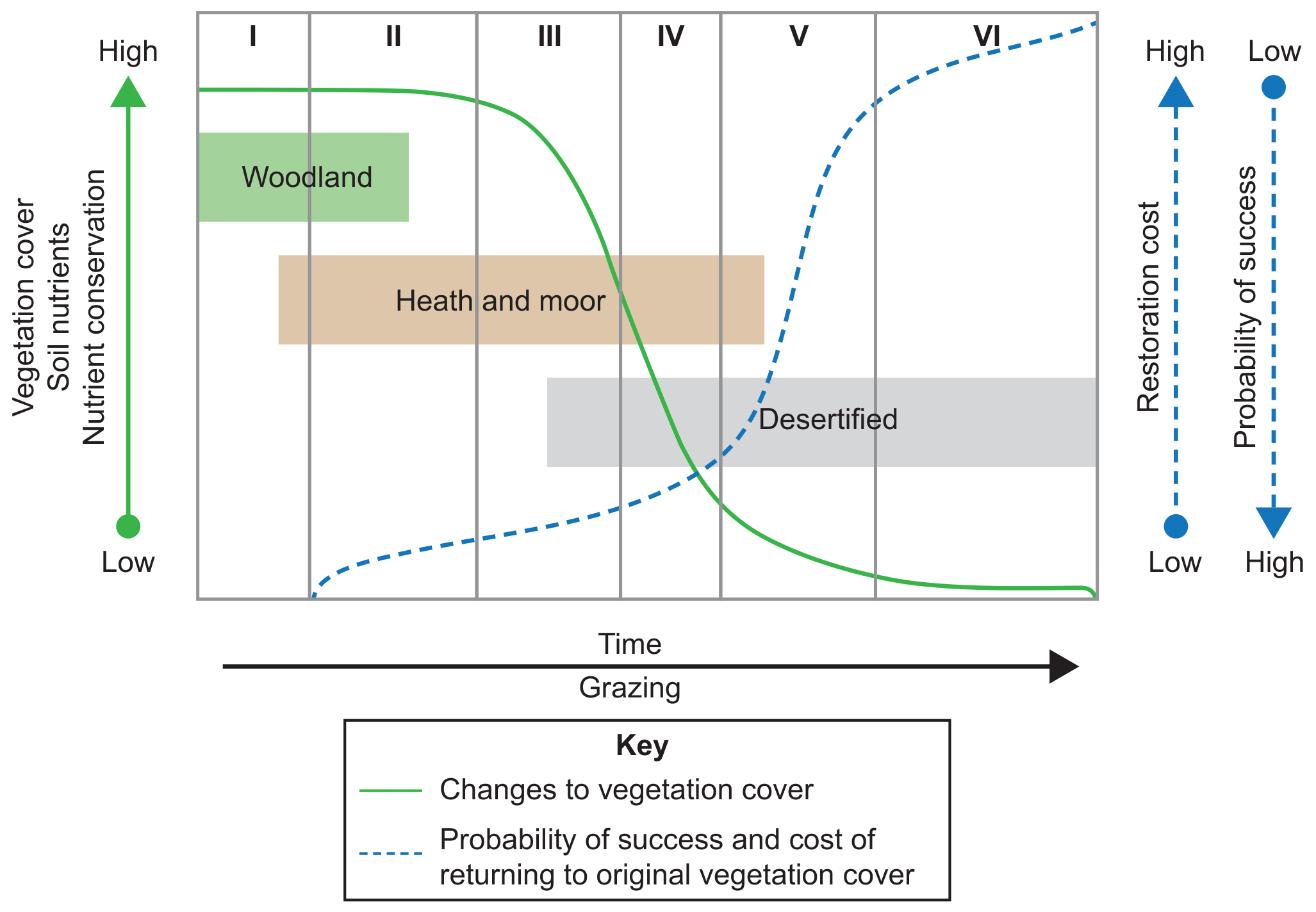
Figure 6(c): Stages of soil degradation and vegetation-cover change in Iceland

Figure 6(c): Stages of soil degradation and vegetation-cover change in Iceland

(a)

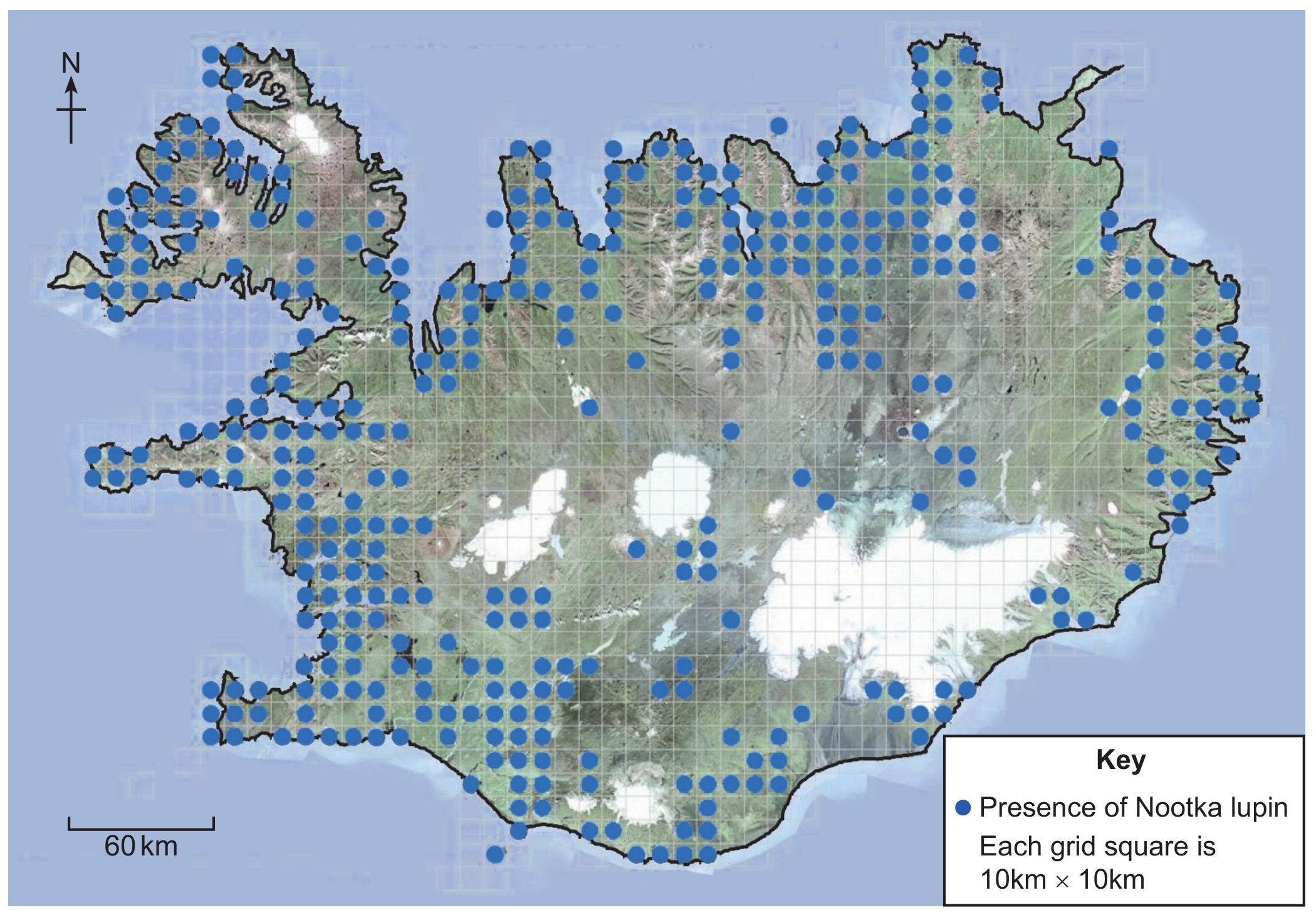
With reference to Figures 6(a), 6(b), 6(c) and 7(b) identify two ways in which vegetation cover has changed over time in Iceland.

Figure 7(b): Known distribution of Nootka lupin in 2010

Figure 7(b): Known distribution of Nootka lupin in 2010

[ 2 ]
(b)

Outline two ways in which human activity may have increased soil erosion in Iceland.

[ 2 ]
(c)

With reference to Figures 6(c), 7(a) and 7(b) explain the problems associated with land restoration in Iceland.

Nootka lupin is native to North America and was introduced to Iceland to stop soil erosion in 1885. It is invasive, spreads quickly and outcompetes native flora. The Ministry of Environment recommended eradication in highlands above 400 m, national parks and conservation areas. Removal methods include grazing, herbicides, hand pulling and mowing. Public participation is encouraged.

Figure 7(b): Known distribution of Nootka lupin in 2010

Figure 7(b): Known distribution of Nootka lupin in 2010

[ 4 ]
[Maximum number: 9]

Soil quality is important for global food production systems.

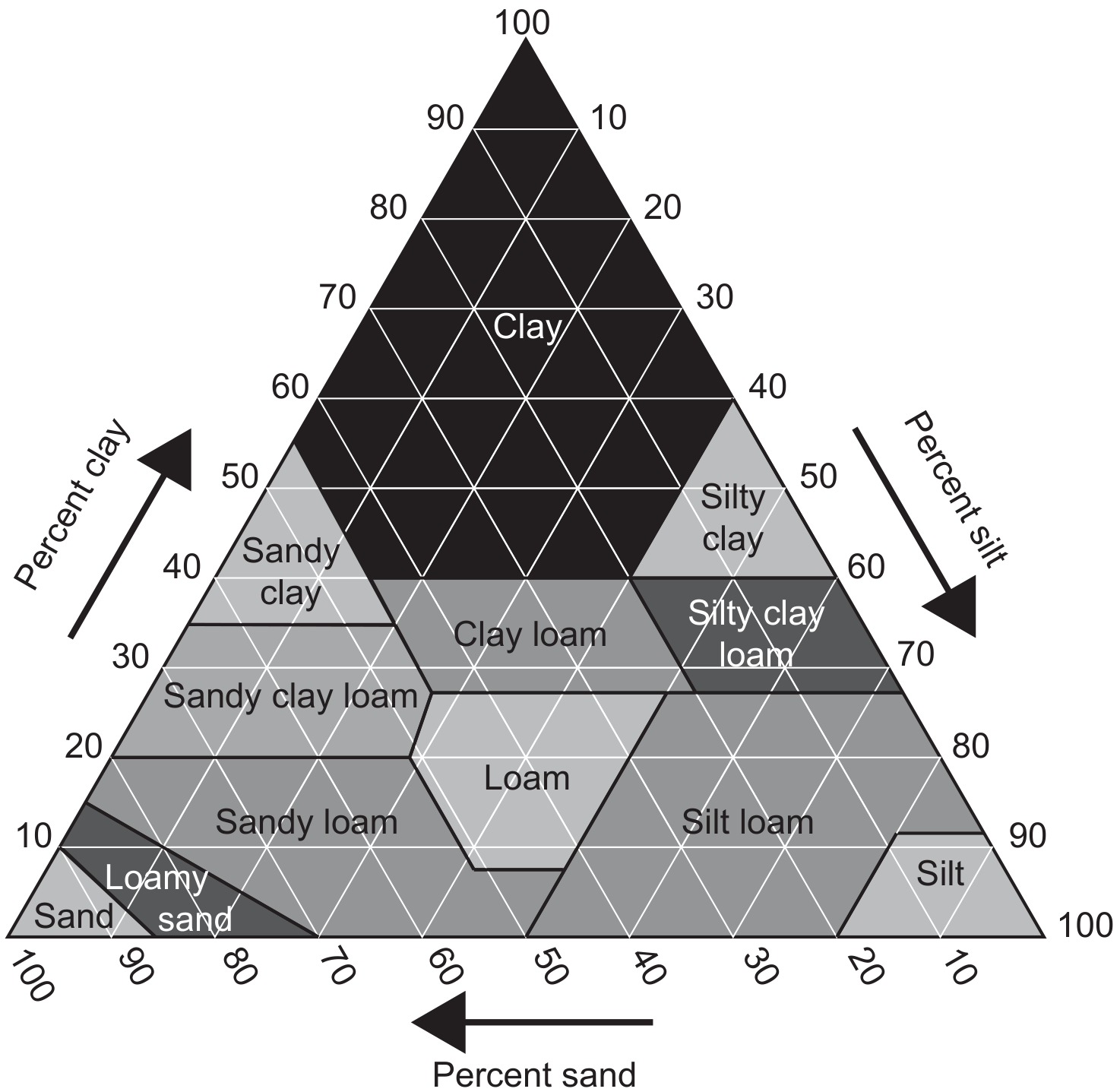
Figure 2(a): Soil texture triangle

Figure 2(a): Soil texture triangle

Figure 2(b): Horizons (layers) in a typical soil profile

Figure 2(b): Horizons (layers) in a typical soil profile

(https://creativecommons.org/licenses/by-sa/3.0/deed.en)]

(a)

State the soil texture that has the following composition: 20 % clay; 55\% silt; 25 % sand.

[ 1 ]
(b)

Describe how the addition of sand to a silty clay loam could alter its characteristics for healthy plant growth.

[ 2 ]
(c)
(i)

Draw a flow diagram to show the flows of leaching and decomposition associated with the mineral storage in the "A" horizon in Figure 2(b).

[ 2 ]
(ii)

Identify one other input to the mineral storage in the "A" horizon.

[ 1 ]
(iii)

Identify one other output from the mineral storage in the "A" horizon.

[ 1 ]
(d)

Outline why leaving arable farmland fallow (unused) between growing seasons could lead to soil degradation.

[ 2 ]
(a)

Explain two examples of soil degradation and the appropriate soil management strategies from a named farming system.

[ 6 ]
0