EduNinja

IB Economics HL4.1 Benefits of international tradeQuestion Bank

Question 1

[Maximum number: 2]

Burundi is a landlocked country in Central Africa. Its economy is heavily reliant on the agricultural sector, which employs 92 % of the labour force but contributes only 40 % of gross domestic product (GDP). Most of the 11.5 million population live in poverty, especially in rural areas. The level of food insecurity (people without access to enough food) is almost twice as high as the average for sub-Saharan African countries with more than 60 % of the population living below the poverty line.

Infrastructure in Burundi is poor. There are no railroads and only three major routes through the country, two of which involve water transport, across Lake Tanganyika. Access to clean water is low, while fewer than 5 % of the population have access to electricity. The literacy rate for those aged 15 and over is 61.6 %, while only 1 % of secondary schools have access to the internet.

Table 1: Labour market data for Burundi (2019)

Table 1: Labour market data for Burundi (2019)

Question 1(a)

Question 1(a)(iv)

(a)
(i)

Using the information in Figure 1, calculate the change in the value of Burundi's gold exports resulting from the increase in the price of gold from US$1500 per oz to US$1800 per oz.
Government finance
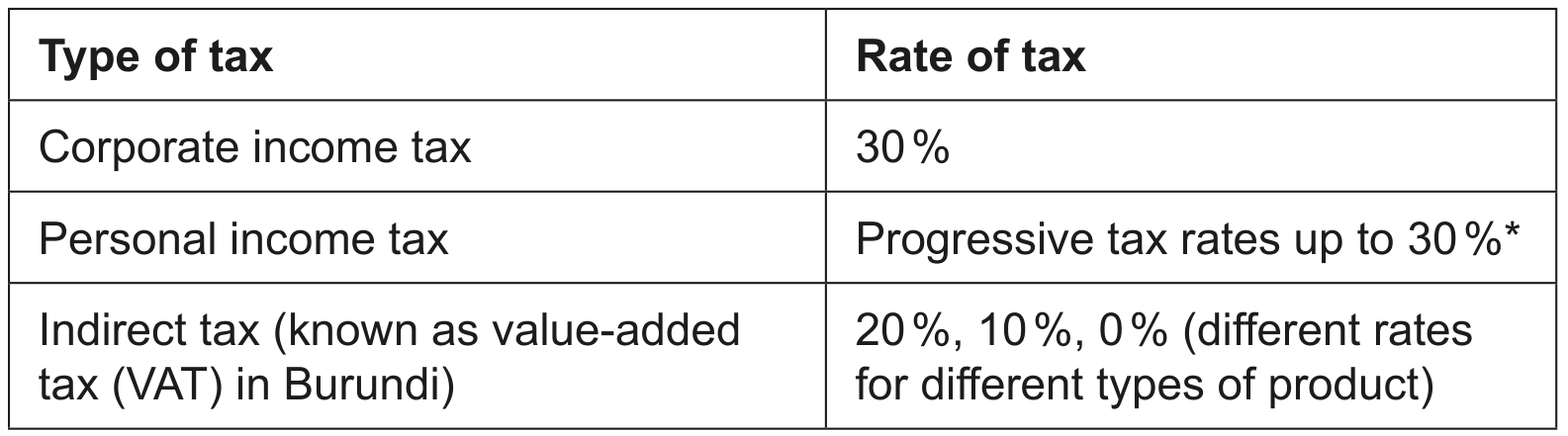
The budget deficit of Burundi increased in 2019, partly due to an inefficient system for collection of taxes. Tax rates in Burundi are given in Table 2.

Table 2

Table 2

* Top rates of personal income tax in other countries are often much higher, such as 57.2 % in Sweden and 35 % in Mexico.

[ 2 ]

Question 1

[Maximum number: 2]

Study the following extract and data and answer the questions that follow.
South Sudan joins the East African Community

(1) The East African Community (EAC) is the most integrated trading bloc in Africa. In 2005, the members established a customs union, and then in 2010 it became a common market. There are ambitious plans to establish a monetary union by 2024.

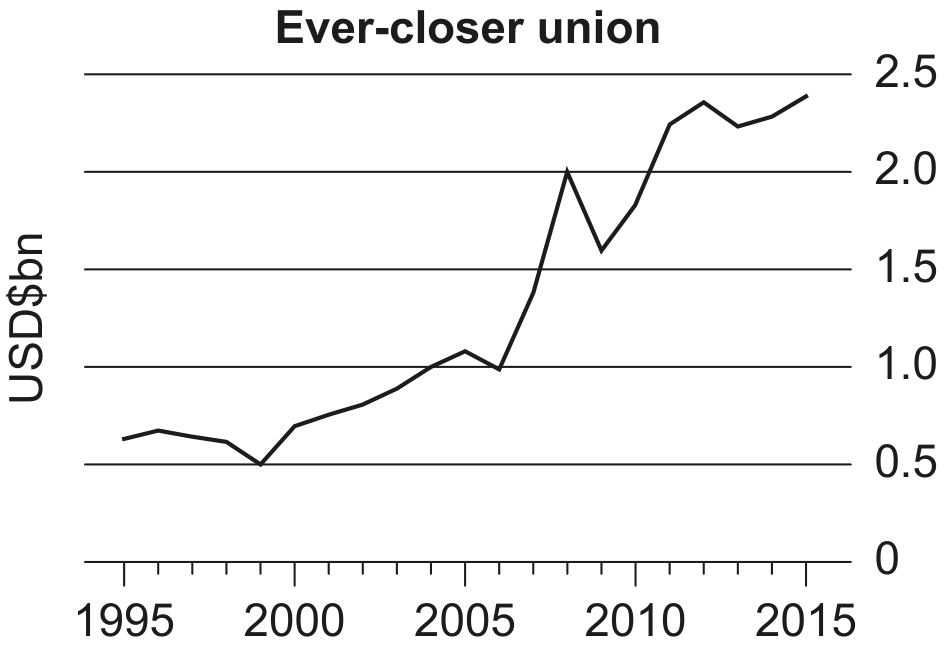
(2) According to a recent report, the region is wealthier and more peaceful as a result of the increased integration. Economic models suggest that bilateral trade between member countries was 213 % higher in 2011 than it would have been without the integration. This is despite the fact that progress on fully eliminating trade barriers has been rather slow and there are still a large number of non-tariff barriers.

(3) Until recently the customs union was made up of Burundi, Kenya, Rwanda, Tanzania and Uganda. Very recently, South Sudan joined the bloc. This presents a tremendous opportunity for South Sudan, which was recently recognized as an independent country.

(4) South Sudan is one of many developing countries that are dependent on oil exports for the majority of its export revenues and oil prices have been falling due to increased supply of oil in the market. The deteriorating terms of trade have resulted in a worsening of the current account and lower government revenues. Regional economic integration might help South Sudan to diversify its economy.

(5) Agriculture is one potential area that South Sudan could focus on to diversify its economy. According to some estimates, 70 % of land is suitable for agriculture, but less than 4 % is currently being cultivated. The large flood plains in the country are suitable for rice production and the hope is that South Sudan can develop a comparative advantage in this essential food.

(6) South Sudan is landlocked and most of its road network is unpaved. This is just one example of its poor infrastructure. Since infrastructure is an expensive investment, regional cooperation will be vital for improving its road systems. Furthermore, effective transport links to sea ports in Kenya and Tanzania will allow for greater trade and therefore economies of scale.

(7) In the short term, there will be challenges for South Sudan associated with joining the common market. For example, before Rwanda joined the EAC in 2007, there were lower tariffs on many imported inputs. However, the cost of living for the poor population rose because of trade diversion that occurred after joining the EAC. South Sudan is likely to face the same problem.

(8) Labour costs in South Sudan are higher than those of other member countries and years of conflict have left the population with low levels of education and skills. This may present a barrier for South Sudan in attracting foreign direct investment, despite being part of the common market.

Figure 1: Intra-East African Community* trade in goods (USD\$bn)

Figure 1: Intra-East African Community* trade in goods (USD\$bn)

*Burundi, Kenya, Rwanda, Tanzania and Uganda.
Not including South Sudan, which acceded to the treaty in 2016. London (June 9, 2016); paragraphs 4-8 adapted from a paper/article written by Astrid R.N. Haas (and co-authors) with funding from the International Growth Centre.
Graph: IMF, www.eacgermany.org, accessed 3 May 2018]

Question 1(a)

Question 1(a)(ii)

(a)
(i)

Define the term comparative advantage indicated in bold in the text (paragraph 5).

[ 2 ]

Question 1

[Maximum number: 4]

Text A - Overview of Vietnam

(1) Economic reforms in Vietnam during the past 30 years have led to rapid economic growth, which has transformed a poor nation into a lower middle-income economy. The percentage of the population with an income of less than US$1.90 a day declined from 38\% in 2002 to below 2 % in 2018.

(2) Vietnam used to be a food-insecure nation, in which many people sometimes lacked access to affordable food, but it is now a leading exporter of basic food commodities. It also aims to become an exporter of high quality and processed food products. However, agricultural production only accounts for 18 % of gross domestic product (GDP), although it uses 40 % of the land and employs 43 % of the labour force. Due to the growing rural population, land is often divided up between a greater number of farmers, causing some farms to become smaller. These farms have fewer opportunities to benefit from economies of scale and lower average costs of production.

(3) Vietnam's rapid growth and industrialization, focused on export-oriented manufacturing, have had a harmful impact on the environment. Electricity consumption has tripled since 2010, growing faster than GDP. Electricity generation, which mainly uses fossil fuels, accounts for approximately 60 % of Vietnam's carbon emissions. Demand for water continues to increase. Unsustainable exploitation of natural resources, such as land, fisheries, and timber, could negatively affect prospects for long-term growth. In addition, Vietnam's primary sector is highly vulnerable to the climate and is therefore subject to supply shocks.

(4) Vietnam has signed several free trade agreements (FTAs). Its first FTA was a partnership with Japan in 2008. Both Vietnam and Japan are members of the Comprehensive and Progressive Agreement for Trans-Pacific Partnership (CPTPP), which took effect at the beginning of 2019. These FTAs also promote inward foreign direct investment (FDI). In addition, Vietnam has introduced policies to attract foreign investment, such as tax incentives and spending on infrastructure.

(5) Japan is the biggest provider of foreign aid to Vietnam and the largest source of FDI. Japanese firms and aid agencies are jointly financing large-scale projects, including port infrastructure and a high-speed railway, which will reduce the Hanoi to Ho Chi Minh journey time from about 35 hours to under six hours. Other Japanese-funded aid projects are in the areas of health care, education, and the environment.
Text B - Trade and investment flows between Vietnam and Japan

(1) Japan imports seafood and consumer products such as textiles, leather shoes and processed foods from Vietnam, because Vietnam has a comparative advantage in such items. Conversely, Vietnam imports machinery, technology, and raw materials for production from Japan. Gradually barriers to trade are being removed. In 2020, Vietnam began exporting lychees (a luxury fruit) to Japan after five years of negotiations on quality standards. The improved access to the Japanese market has increased the number of consumers and the revenue earned by Vietnamese lychee farmers.

(2) Japanese firms invest in Vietnam, particularly in urban areas, because wages are low and they can export from Vietnam to other CPTPP members and to China and Indonesia. Panasonic, a Japanese multinational company (MNC), relocated a major factory, which manufactures refrigerators and washing machines, from Thailand to Vietnam in 2020. The construction of a coal-fired power plant is mainly funded by Japanese firms. The Japanese government is promoting further investment by subsidizing over 30 firms that are relocating from China to Vietnam. Most of these firms are food processors or producers of manufactured goods (for example, medical equipment).
Text C - Roles of the central bank in Vietnam

(1) The central bank in Vietnam has been lowering interest rates since mid-2019. However, it has kept the minimum reserve requirement at 3 % of commercial bank deposits, despite suggestions that this requirement could be lowered.

(2) The central bank also regulates the exchange rate of the dong (Vietnam's currency). It actively intervenes in the foreign exchange market to stabilize the rate when necessary. In April 2020, there was downward pressure on the dong due to the lower interest rates and fewer foreign tourists. However, the central bank has a large amount of reserve assets, which were used to prevent the dong from depreciating.


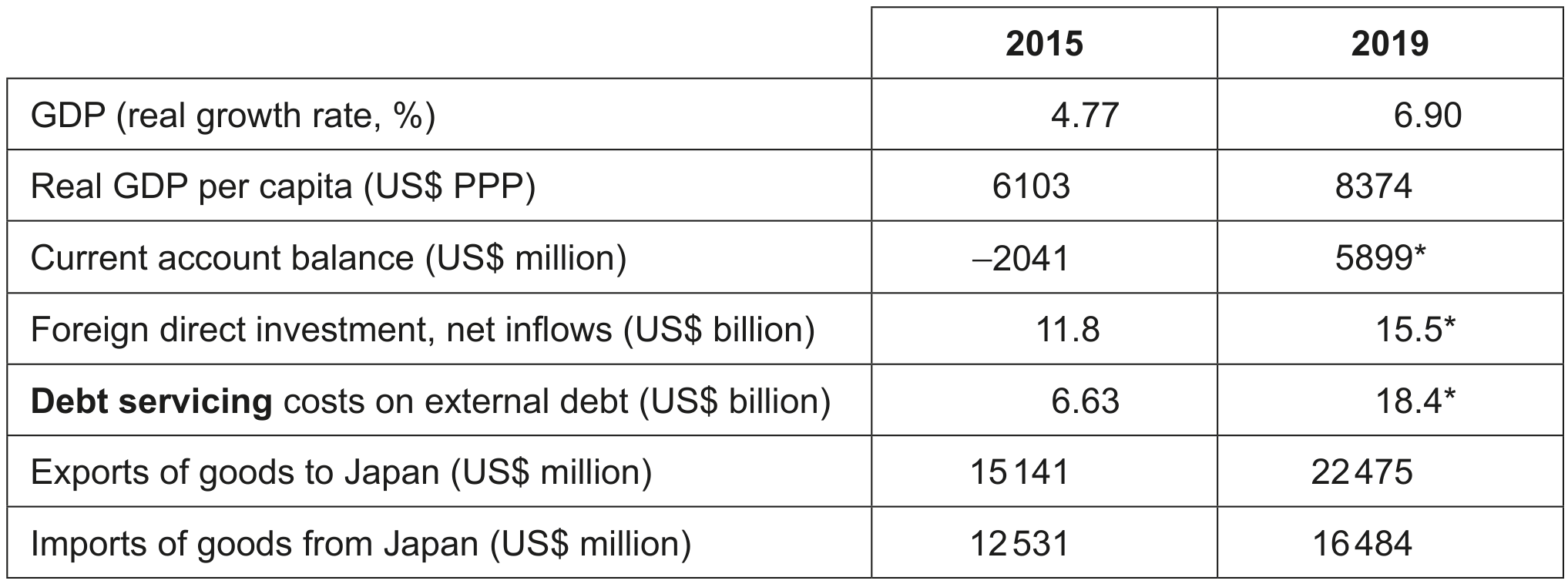
Table 1: Economic data for Vietnam

Table 1: Economic data for Vietnam

* 2018 figure

Table 2: Development data for Vietnam

Table 2: Development data for Vietnam

* 2018 figure

Question 1(d)

(a)

Using a production possibilities curve (PPC) diagram to show comparative advantage, explain why Vietnam would export seafood to Japan while Japan would export machinery to Vietnam (Text B, paragraph 1).

[ 4 ]

Question 1

[Maximum number: 2]

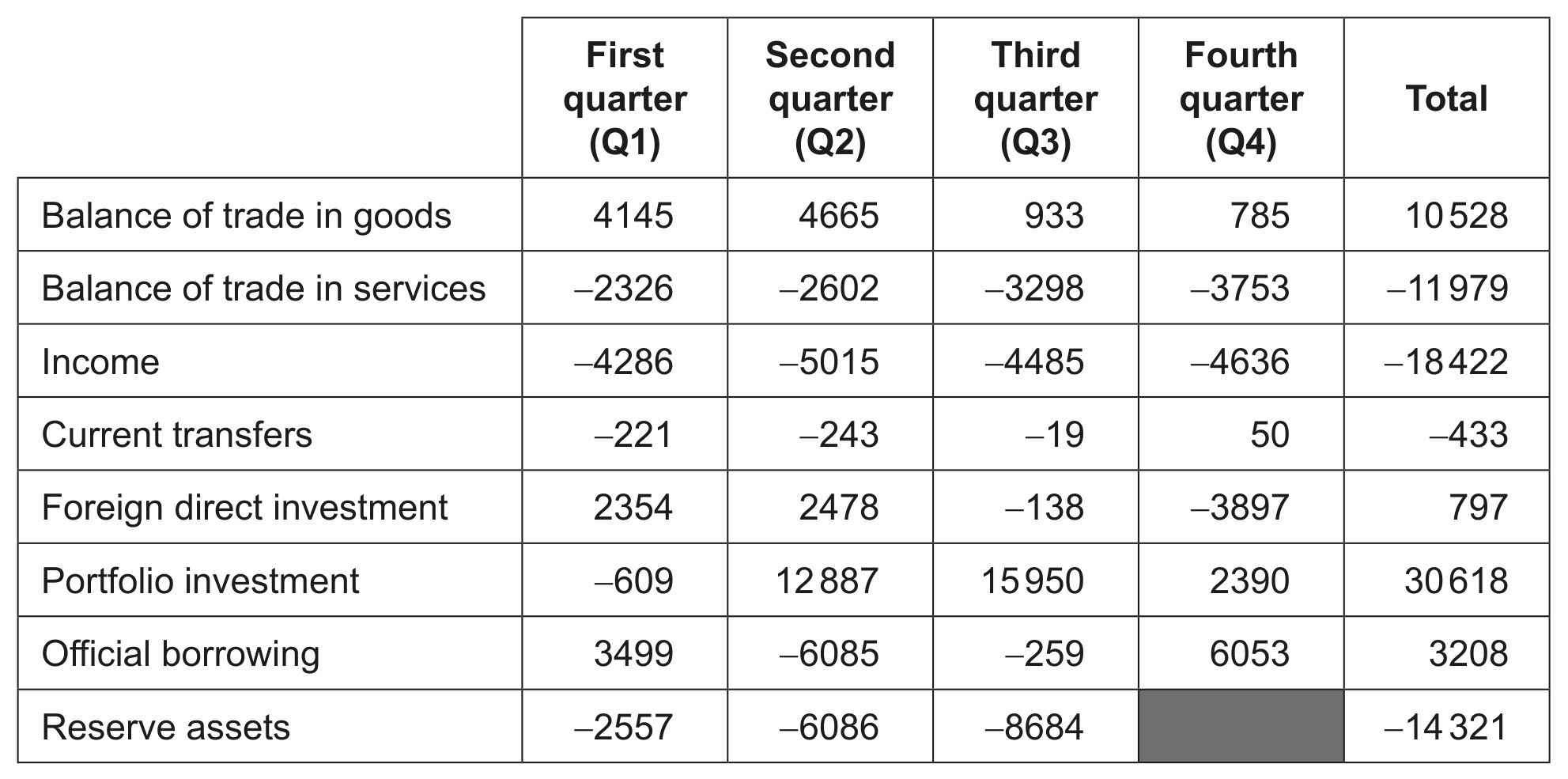
Table 1 shows information from the balance of payments for Chile for each quarter (3-month period) of 2021.

Table 1: Balance of payments for Chile in millions of US dollars (US\$) in 2021

Table 1: Balance of payments for Chile in millions of US dollars (US\$) in 2021

Question 1(a)

Question 1(a)(iii)

(a)
(i)

Using Figure 1, calculate the change in domestic spending on salmon in Chile as a result of the increase in the world price of salmon from US $ 5.20 to US$8.40 per kg.

[ 2 ]

Question 1

Question 1(a)

Question 1(a)(vi)

(a)
(i)

Using Figure 3 and the information above, determine the consumption of soybeans in Egypt at the original price of US$650 per ton in 2022.

[ 1 ]

Question 1

[Maximum number: 4]

Study the extract and data below and answer the questions that follow.
Bolivia reacts to global economic change

(1) During the twentieth century, Bolivia experienced deteriorating terms of trade due to declines in prices of commodity exports on which the economy was highly dependent. Bolivia diversified its exports, but has remained highly dependent on commodity exports. These include natural gas, which accounts for nearly 40 % of export earnings and also silver and zinc.

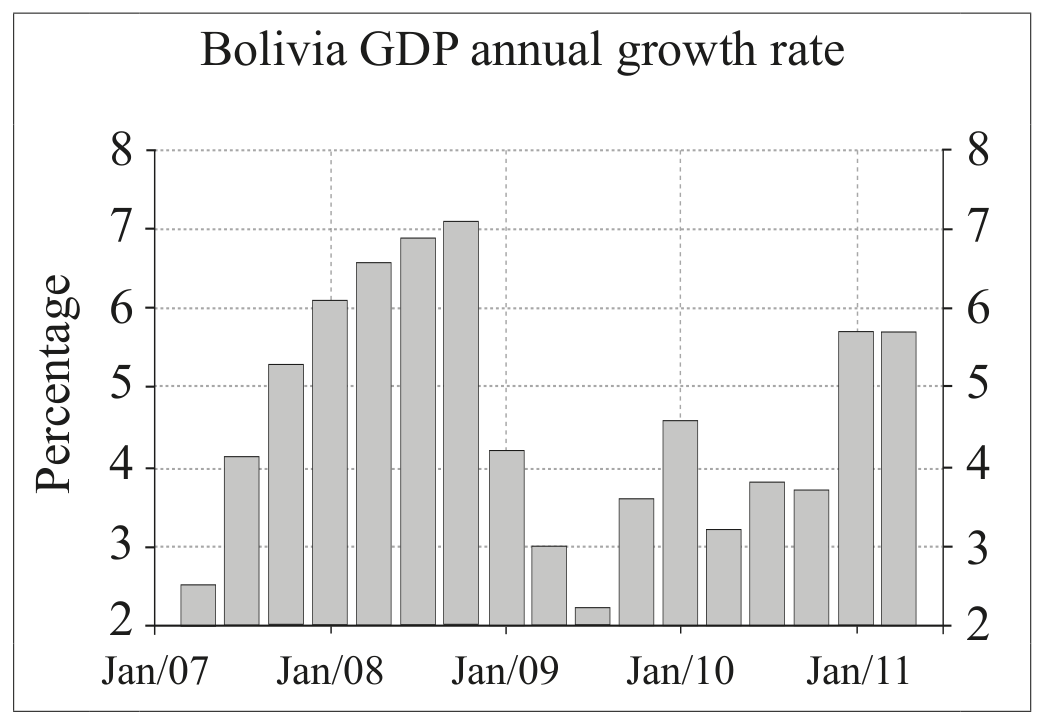
(2) Bolivia succeeded in avoiding recession during the global economic downturn in 2009, though its rate of growth was affected by lower demand for natural gas from Brazil and lower prices for its key export products. Growth began again in 2010 due to the recovery of commodity prices and the global economy (Figure 1).

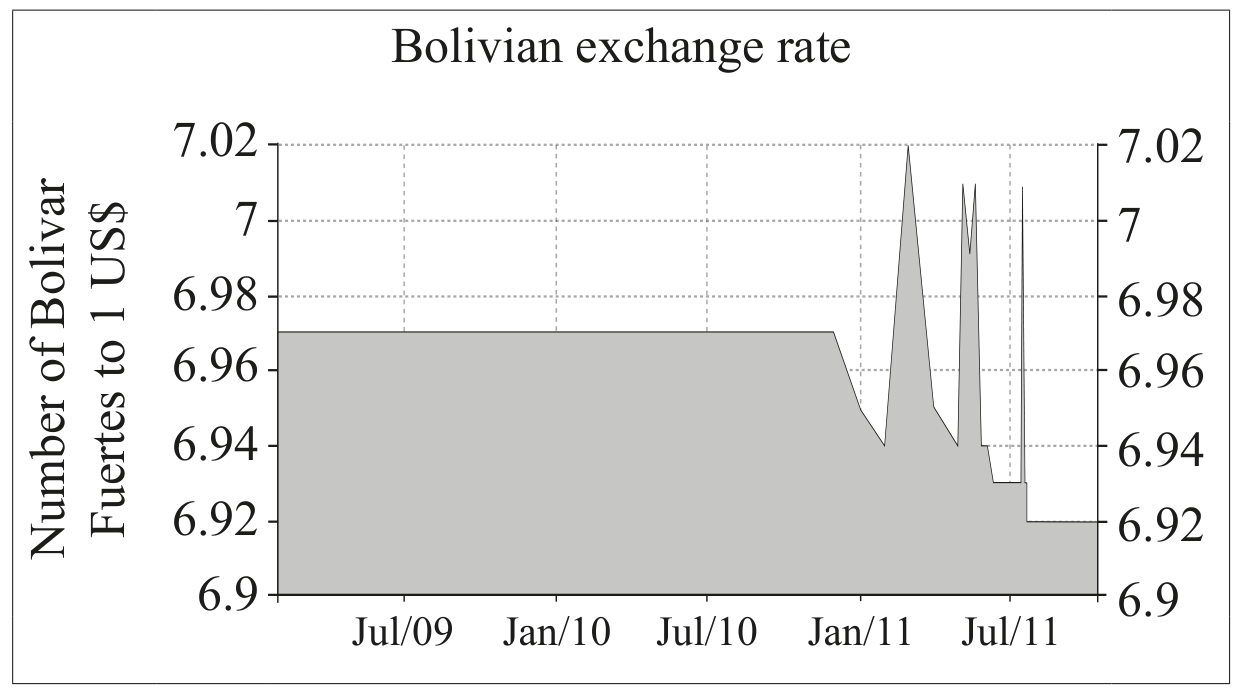
(3) Strong inflationary pressures have appeared with the recovery, partly due to the removal of fuel subsidies. A key government policy objective is to hold down inflation and imported input costs. About 80 % of Bolivia's imports are used by the manufacturing sector in various industries. Since late 2010 the government has adopted a managed float to achieve appreciation of the Bolivian Boliviano (the Bolivian currency).

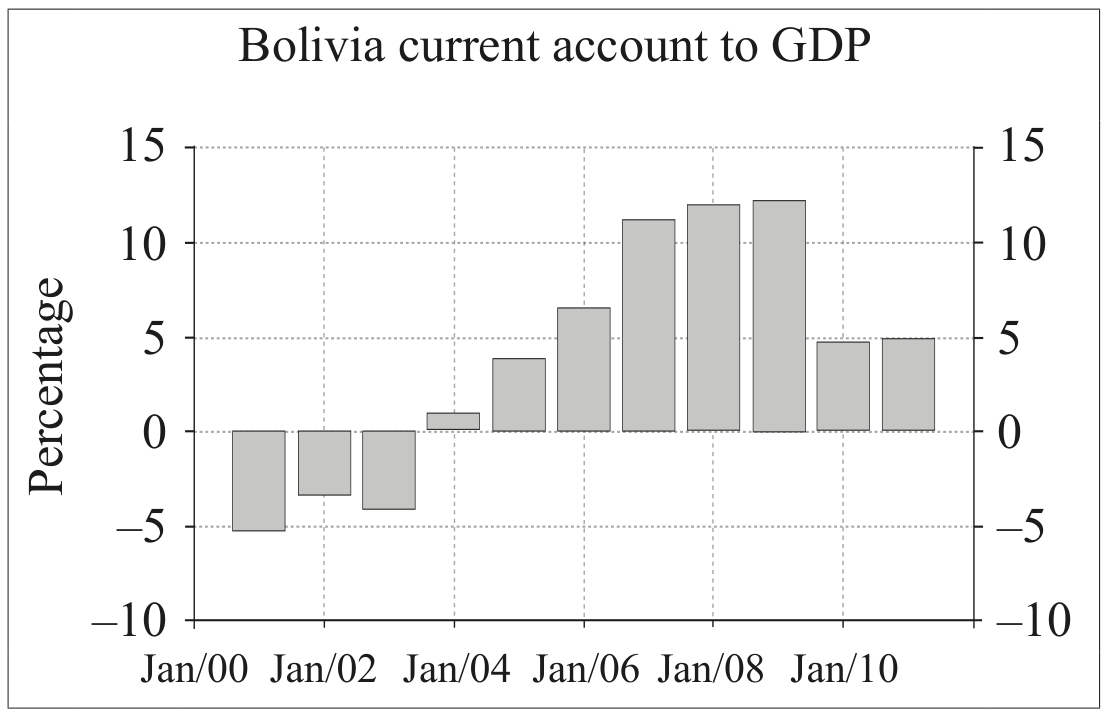
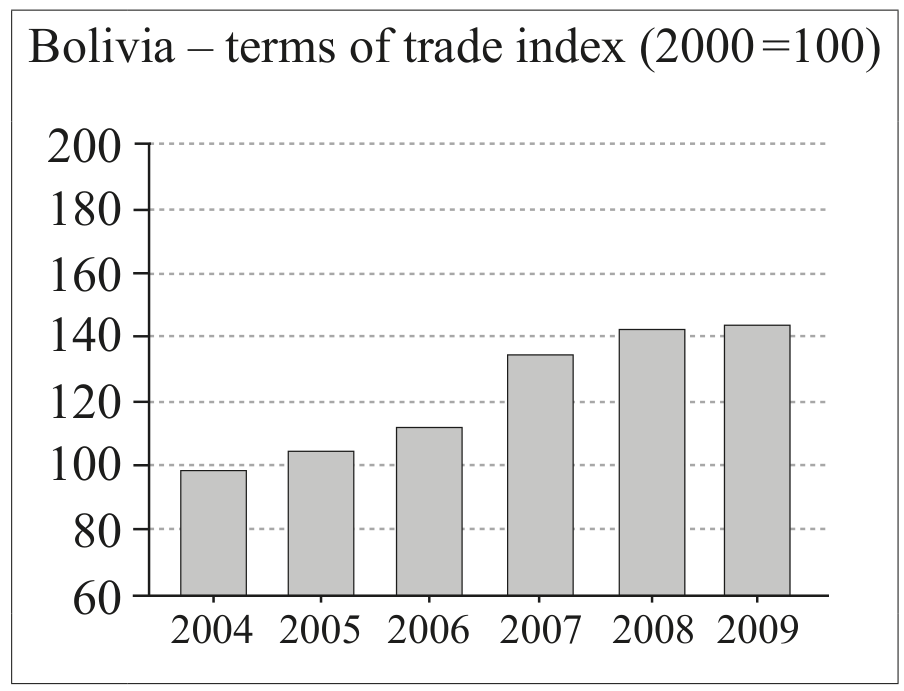
(4) Bolivia's current account surplus reached a maximum in 2008-2009 (Figure 2) due to the recovery of commodity prices, which led to an improvement in its terms of trade (Figure 3). The resulting decrease in the surplus is due to a more rapid rise in imports than in exports. The current account surpluses have led to large increases in international reserves (reserve assets). "About Bolivia Economic Outlook", Amcham Bolivia, 2010]

Figure 1

Figure 1

Figure 2

Figure 2

Figure 3

Figure 3

Figure 4

Figure 4

Question 1(b)

(a)

Using an appropriate diagram, explain the reason for the improvement in Bolivia's terms of trade (paragraph (4).

[ 4 ]

Question 1

[Maximum number: 4]

Study the extract and data below and answer the questions that follow.
American shrimp farmers taste victory

(1) American shrimp farmers have received good news from a United States (US) ruling that could lead to tariffs being imposed on imports from competing countries.

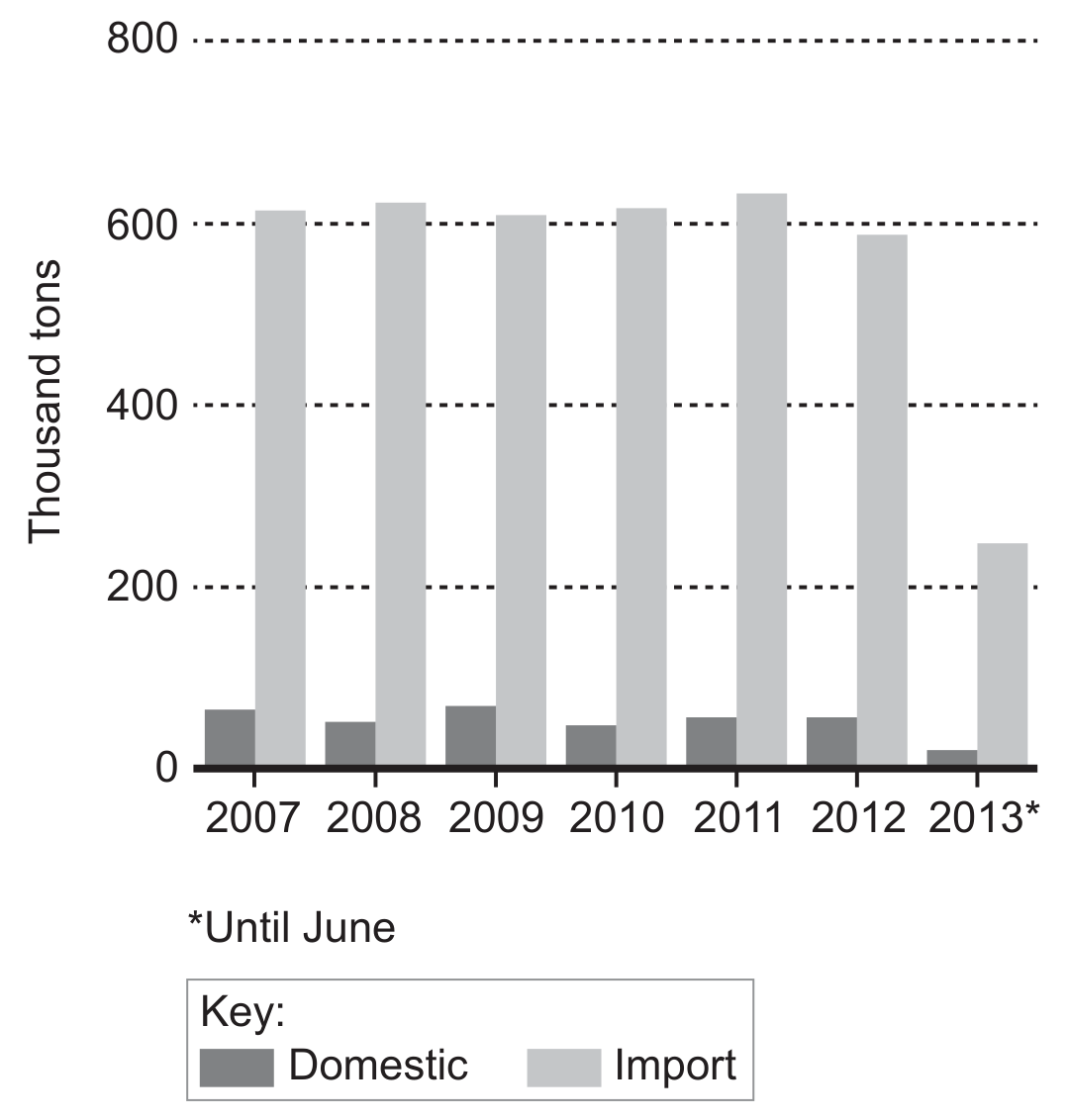
(2) US producers in the Gulf Coast were suffering from a significant oil spill in 2010. The higher fuel costs as a result of the spill have made it hard to compete with foreign shrimp farms, which they say receive government subsidies. The US producers claim such subsidies threaten to destroy the domestic shrimp business. The US imported 1200 million pounds (lb) of shrimp last year and produced 100 million pounds (lb) of shrimp domestically.

(3) The US Department of Commerce ruled that five countries - China, Ecuador, India, Malaysia and Vietnam - improperly subsidized shrimp that were exported to the American market. The department rejected accusations of improper subsidies by Thailand and Indonesia, two of the biggest US shrimp suppliers.

(4) The US International Trade Commission will now have to decide whether the subsidies harmed the American industry. If so, the US would impose tariffs on shrimp imports from the five countries. The proposed US tariffs could be as much as 54.5 %.

(5) The US shrimp farmers claim that the Indian government pays extra to cover shipping costs on shrimp going to the US and that China provides subsidized loans to its shrimp farmers. They argue that these violate World Trade Organization (WTO) rules.

(6) The five countries disputed the US Department of Commerce's decision. The Vietnamese producers state that, "This is an unfair decision affecting the lives of more than 600000 shrimp farmers and processors in Vietnam". Chinese officials have said that there was no evidence of improper Chinese subsidies and that US tariffs on Chinese shrimp would violate WTO rules.

(7) The US shrimp farmers say they need tariffs to allow them to compete fairly with Asian farmers, noting that high fuel prices are keeping some shrimp boats at the dock. "The price received by our farmers is not enough to cover their variable costs," said a lawyer, who represents the US shrimp farmers.

(8) Large US retailers and food distributors oppose the tariffs saying that the US shrimp industry had support from the oil company, BP, which has paid billions of US dollars to those affected by its 2010 oil spill.

(9) US politicians and shrimp farmers commented on problems they are facing, saying that, "not only is shrimping an industry, but it is a way of life".

Figure 1: Amount of shrimp imported to the US compared with domestic catch (thousands of tons)

Figure 1: Amount of shrimp imported to the US compared with domestic catch (thousands of tons)

Question 1(b)

(a)

Using a supply and demand diagram with international trade values from the text, explain the statement that "The US imported 1200 million pounds (lb) of shrimp last year and produced 100 million pounds (lb) of shrimp domestically" (paragraph (2)) (Does not need to be to scale).

[ 4 ]

Question 1

[Maximum number: 2]

Study the following extract and data and answer the questions that follow.
Filipino rice farmers prepare for trade liberalization

(1) To meet its obligations under World Trade Organization (WTO) rules, the president of the Philippines has asked the government to eliminate the current quota system for rice imports. As an important part of food security measures, the government wants to achieve self-sufficiency in the production of rice. To support this goal, the WTO allowed the Philippines to extend its rice quota until June 2017 to allow more time for local farmers to prepare for free trade.

(2) The current quota system for rice imports makes domestic prices rise dramatically during periods of low domestic supply.

(3) Eliminating the quota on rice aims to make the rice market more competitive, which could reduce the price of rice by as much as 7 Philippine pesos (PHP)\left(\mathrm{PH}^{\mathrm{P}}\right) per kilogram (kg). The National Economic and Development Authority has estimated that lower rice prices could save Filipino households as much as PH 2362 per year. However, if the rice quota is eliminated, economists have warned that the government must prepare local rice producers so that they can either compete with rice imports or move to producing other crops. "Currently Filipino farmers cannot compete with Vietnamese farmers who may enjoy economies of scale" declared one economist. "The solution is to bring down the cost of production of rice."

(4) To help Filipino farmers to adjust to competition from lower-priced rice imports, the government has allocated funds to the Rice Competitiveness Enhancement Fund. This fund will provide support to farmers in order to increase productivity by supplying high-yield seeds and fertilizer. It will also provide subsidies to encourage the use of agricultural machinery and will offer support services and training to farmers.

(5) Apart from being an essential food for many Filipinos, rice is also an important input for the food industry. The plan to remove the import quota will reduce the inflation rate in the Philippines by up to 0.4 %. In July 2018, the central bank governor reported that inflation had reached 5.7 %, well above the government's target range of 2 % to 4 %. He stated that "supply-side factors are the main drivers of the present inflation. These factors include rising international oil prices, higher indirect taxes and poor weather conditions that have affected food supply". The president stated that the removal of the rice quota was one solution to ease the rising inflation.

Table 1: Average economic costs and prices of rice in the Philippines and Vietnam

Table 1: Average economic costs and prices of rice in the Philippines and Vietnam

Question 1(a)

Question 1(a)(ii)

(a)
(i)

Define the term free trade indicated in bold in the text (paragraph (1)).

[ 2 ]

Question 3

Question 3(a)

(a)

Countries often specialize and trade according to the theory of comparative advantage. Explain the limitations of this approach.

[ 10 ]

Question 3

Question 3(a)

(a)

Explain how specialization according to comparative advantage leads to beneficial international trade.

[ 10 ]
0 selected