EduNinja

IB Economics HL3.7 Supply-side policiesQuestion Bank

Question 1

[Maximum number: 2]

Burundi is a landlocked country in Central Africa. Its economy is heavily reliant on the agricultural sector, which employs 92 % of the labour force but contributes only 40 % of gross domestic product (GDP). Most of the 11.5 million population live in poverty, especially in rural areas. The level of food insecurity (people without access to enough food) is almost twice as high as the average for sub-Saharan African countries with more than 60 % of the population living below the poverty line.

Infrastructure in Burundi is poor. There are no railroads and only three major routes through the country, two of which involve water transport, across Lake Tanganyika. Access to clean water is low, while fewer than 5 % of the population have access to electricity. The literacy rate for those aged 15 and over is 61.6 %, while only 1 % of secondary schools have access to the internet.

Table 1: Labour market data for Burundi (2019)

Table 1: Labour market data for Burundi (2019)

Question 1(a)

Question 1(a)(vii)

(a)
(i)

Sketch an AD/AS diagram to illustrate the possible effect on the Burundian economy in the long run if the government reduces the rate of corporate income tax from 30 % to 26 %.

Question image

Gender inequality in Burundi
Table 3 illustrates selected indicators of gender inequality in Burundi compared with Mexico and Sweden.
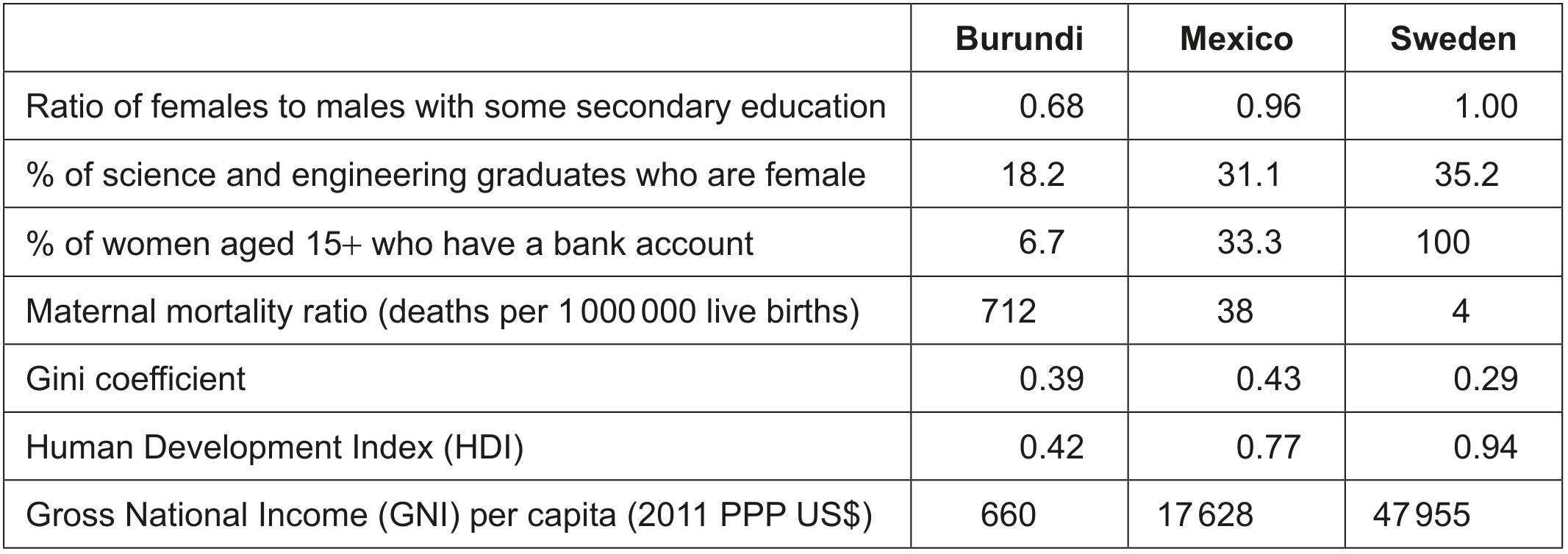
Table 3
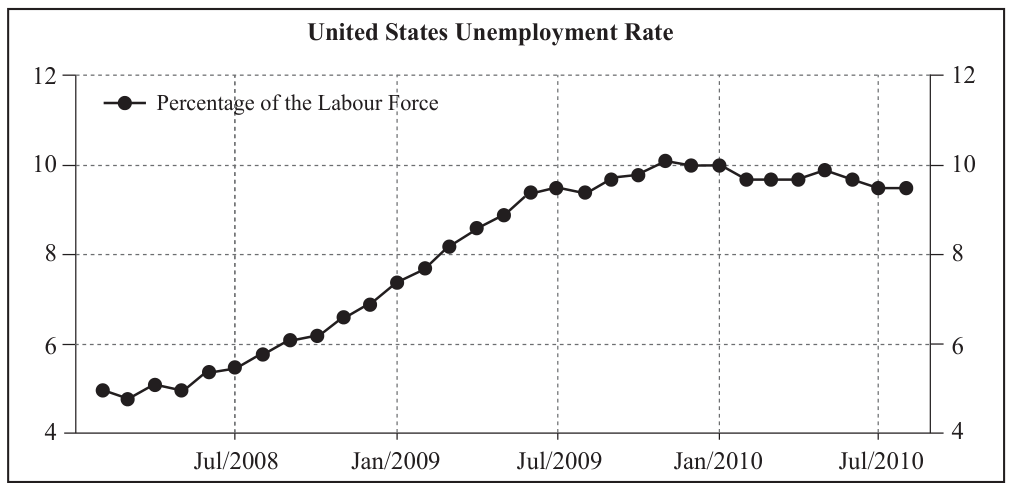
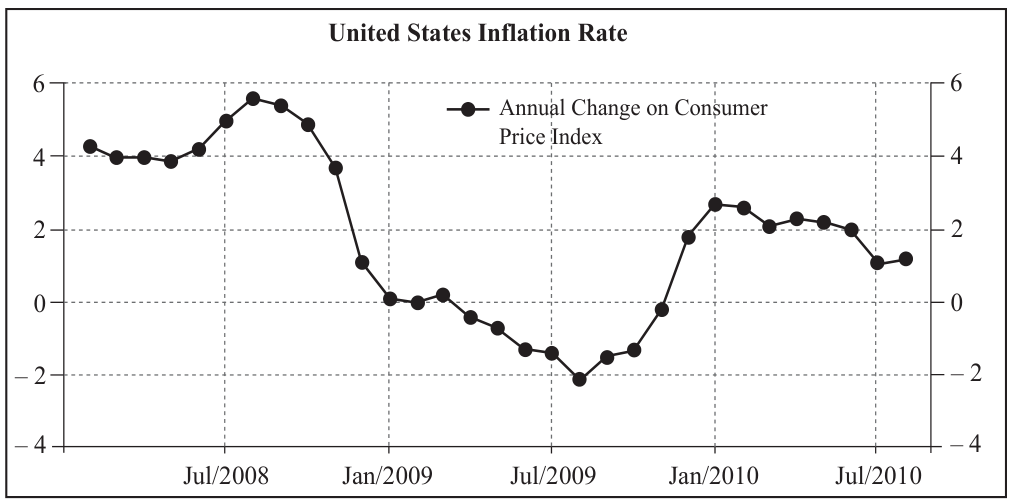
Table 3

[ 2 ]

Question 2

Question 2(a)

(a)

Explain how interventionist supply-side policies can have both demand-side and supply-side effects on the economy.

[ 10 ]

Question 2(b)

(b)

Using real-world examples, evaluate the effectiveness of market-based supply-side policies in reducing the level of unemployment in a country.

[ 15 ]

Question 3

Question 3(b)

(a)

Discuss the view that the best way to reduce unemployment is through education and training.

[ 15 ]

Question 3

Question 3(a)

(a)

Explain how fiscal policy can be used to achieve long-term economic growth (increases in potential output).

[ 10 ]

Question 3

Question 3(b)

(a)

Evaluate the effectiveness of interventionist supply-side policies in reducing demand-pull inflation.

[ 15 ]

Question 3

Question 3(b)

(a)

Discuss the effectiveness of supply-side policies in reducing unemployment.

[ 15 ]

Question 3

Question 3(b)

(a)

Discuss the view that the problem of unemployment can be reduced through the use of supply-side policies.

[ 15 ]

Question 4

Question 4(b)

(a)

Discuss the view that interventionist supply-side policies are the most effective way for a government to achieve economic growth.

[ 15 ]

Question 2

[Maximum number: 10]

The Czech Republic is a member of the European Union (a common market) but not of the Eurozone (a monetary union).

Question 2(b)

(a)

Using the text/data provided and your knowledge of economics, recommend a policy to the government of Kenya that would lead to higher investment.

[ 10 ]

Question 3

[Maximum number: 4]

Study the extract and data below and answer the questions that follow.
Unemployment in the United States

(1) Though there are signs that the United States (US) economy is emerging from recession, unemployment remains high at close to 10 % (Figure 1). According to the chairman of the Federal Reserve (the US central bank), the US recovery will bring only a "slow reduction" in unemployment, and consumer confidence will improve only slowly. In this environment, inflation is likely to remain low (Figure 2). These comments are taken to mean the central bank does not plan to tighten monetary policy soon.

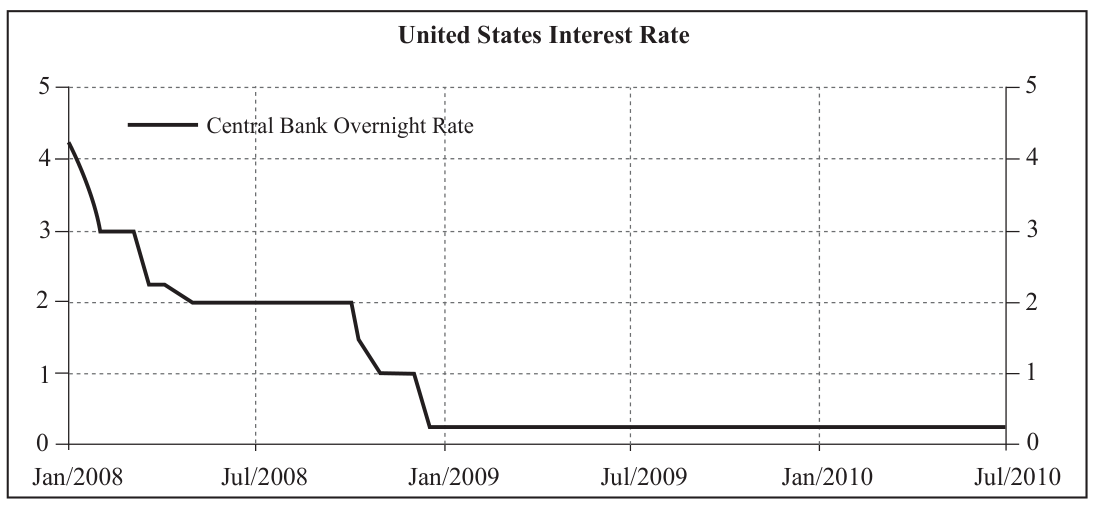
(2) Interest rates remain at near-zero levels (Figure 3). Therefore, some economists argue that more fiscal stimulus is needed. Others fear that large increases in the budget deficit, due to higher government spending and lower tax revenues, could create a new crisis leading to more job losses.

(3) Workers are fearful that long-term unemployment will result in a deterioration of their human capital, making it even more difficult to find jobs in the future. Some types of jobs in sectors such as car manufacturing, hard-hit by the recession, might disappear.

(4) An economic stimulus package passed in 2008 did little to reduce unemployment. For example, the unemployment rate for young workers (aged 18-24) has increased to over 52 %. Supporters of the fiscal stimulus argue that without it unemployment would have been even higher. Opponents insist that the benefits of the fiscal stimulus are exaggerated. At the heart of the disagreement lies an argument over the value of the multiplier. For the multiplier to translate into large increases in economic activity, consumers must spend rather than save, and budget deficits must not lead to crowding out.

(5) Some economists favour supply-side policies, such as tax benefits for firms that create new jobs. Another policy is to provide tax benefits to all firms pursuing research and development, in order to stimulate technological innovation and rapid economic growth. 'Restarting the job machine.' Newsweek (US edition), 26 October 2009; and 'The growing job crisis needs solutions now.' www.usnews.com, 13 October 2009.]

Figure 1

Figure 1

Figure 2

Figure 2

Figure 3

Figure 3

Question 3(c)

(a)

Using an appropriate diagram, explain how the supply-side policies described in paragraph 5 can contribute to long term economic growth.

[ 4 ]
0 selected