
EduNinja

Edexcel IAL Biology A2 Topic 7 Respiration and internal environment

Edexcel IAL Biology A2 Topic 7 Respiration and internal environment
Pearson Edexcel IAL Biology syllabusBiology YBI11First assessment 2019

Trace energy transfer through the named respiratory stage, show calculation steps with units and connect muscle or internal-environment evidence to the physiological response.

Exam points

  • Explain ATP production through glycolysis, Krebs reactions and oxidative phosphorylation.
  • Calculate respiration rate or RQ from gas volumes, time and substrate evidence.
  • Link muscle and internal-environment data to contraction, recovery or homeostasis.

Question 1

[Maximum number: 7]

Saccharomyces cerevisiae is a type of yeast. It is a single-celled organism which is widely used in brewing and baking.

The photograph shows yeast cells seen through a microscope.
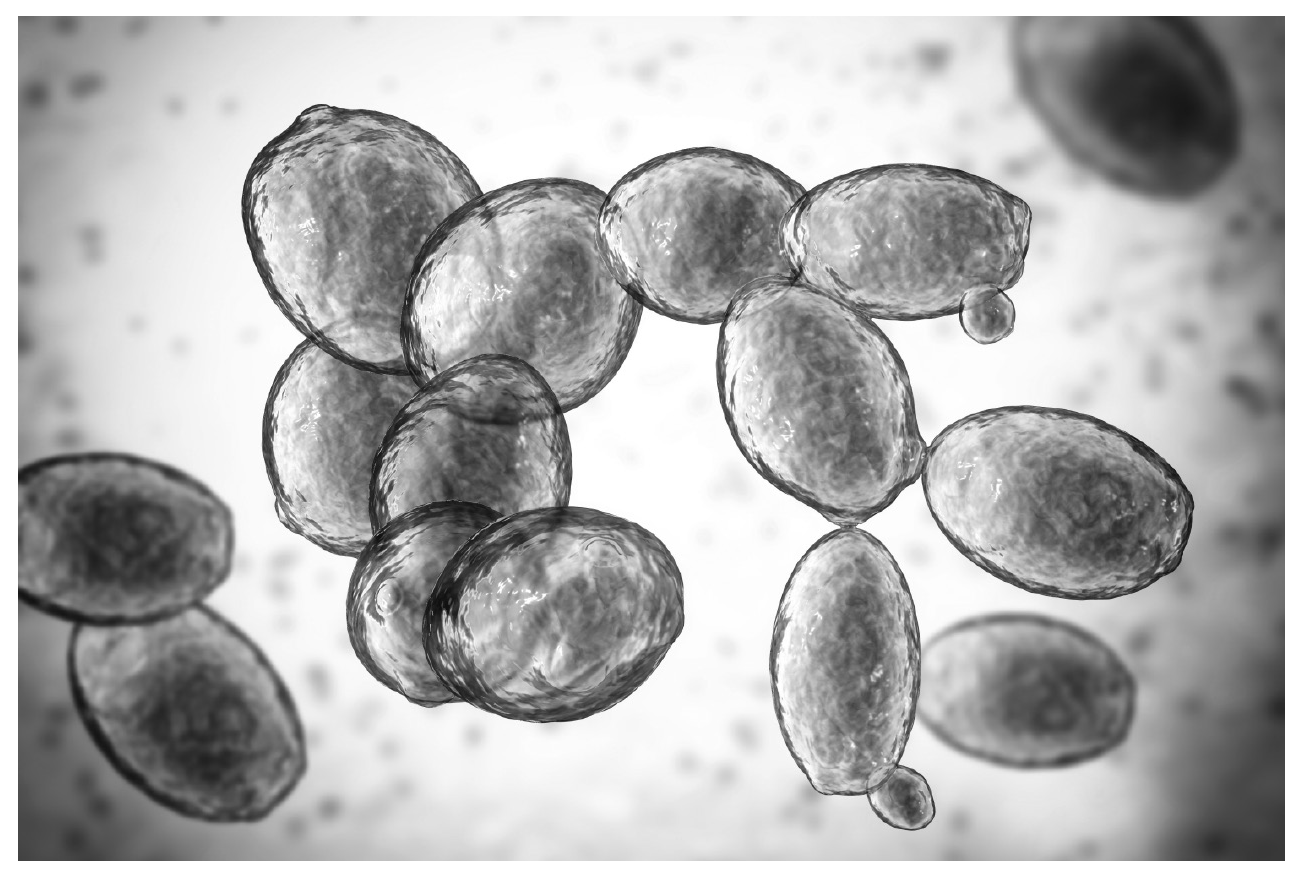
Figure for Question 1 — Edexcel A-Level Biology A2

Question 1(a)

(a)

Most of the ATP produced when yeast respires aerobically comes from oxidative phosphorylation in the mitochondria.

Oxidative phosphorylation requires a source of hydrogen ions and the movement of electrons.

[ 2 ]

Question 1(a)(i)

(i)

State the location in the mitochondria where oxidative phosphorylation takes place.

[ 1 ]

Question 1(a)(ii)

(ii)

Name one molecule that carries hydrogen for use in oxidative phosphorylation.

[ 1 ]

Question 1(b)

(b)

Describe an experiment to investigate the effect of temperature on the rate of respiration in yeast, using an artificial hydrogen carrier (redox indicator).
(5)

[ 5 ]
Question 1

[Maximum number: 4]

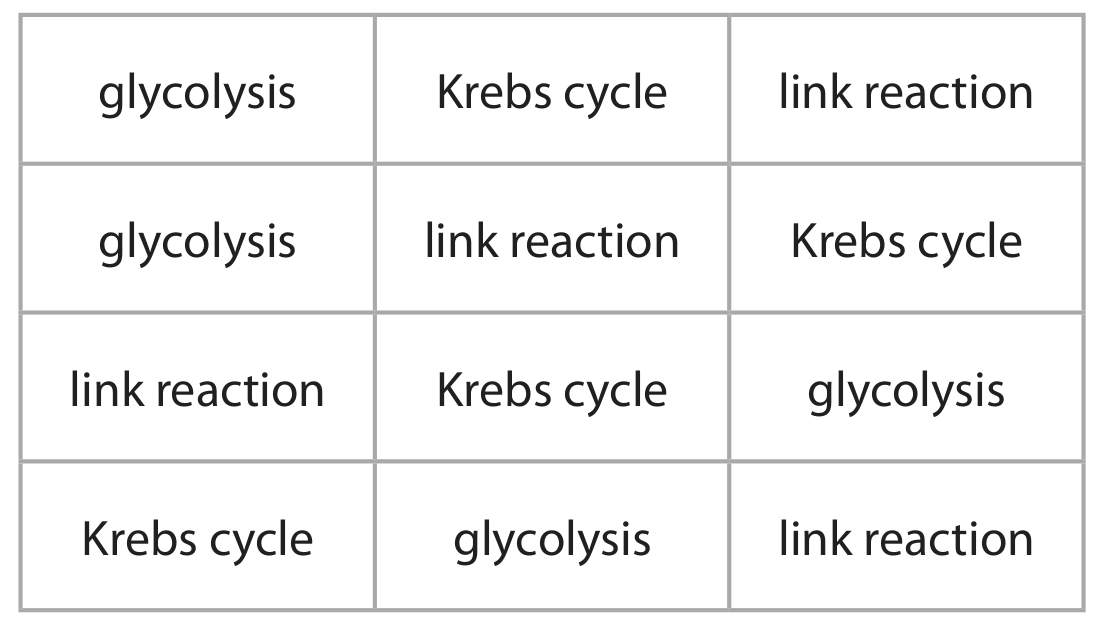
Aerobic respiration is made up of several stages.

Question 1(a)

(a)

Which is the correct order of the stages of respiration required for the complete oxidation of glucose?
□ A

Table for Question 1(a) — Edexcel A-Level Biology A2
[ 1 ]

Question 1(b)

(b)

Write a balanced equation for the complete oxidation of glucose in aerobic respiration.

[ 2 ]

Question 1(c)

(c)

The equation shows the aerobic respiration of a lipid.

2C18H34O2+51O236CO2+34H2O2 \mathrm{C}_{18} \mathrm{H}_{34} \mathrm{O}_{2}+51 \mathrm{O}_{2} \rightarrow 36 \mathrm{CO}_{2}+34 \mathrm{H}_{2} \mathrm{O}
[ 1 ]

Question 1(c)(i)

(i)

Which is the respiratory quotient when this lipid is used in aerobic respiration?
(1)
□ A 0.67
□ B 0.71
□ C 1.06
□ D 1.42

DO NOT WRITE IN THIS AREADO NOT WRITE IN THIS AREADO NOT WRITE IN THIS AREA
[ 1 ]

Question 4

[Maximum number: 9]

Movement in mammals results from interactions between muscles, tendons, ligaments and bones.

Question 4(a)

(a)

How many of the following statements about tendons are correct?
- tendons act as extensors
- tendons are myogenic
- tendons connect muscles to bones

A

0

B

1

C

2

D

3

[ 1 ]

Question 4(b)

(b)

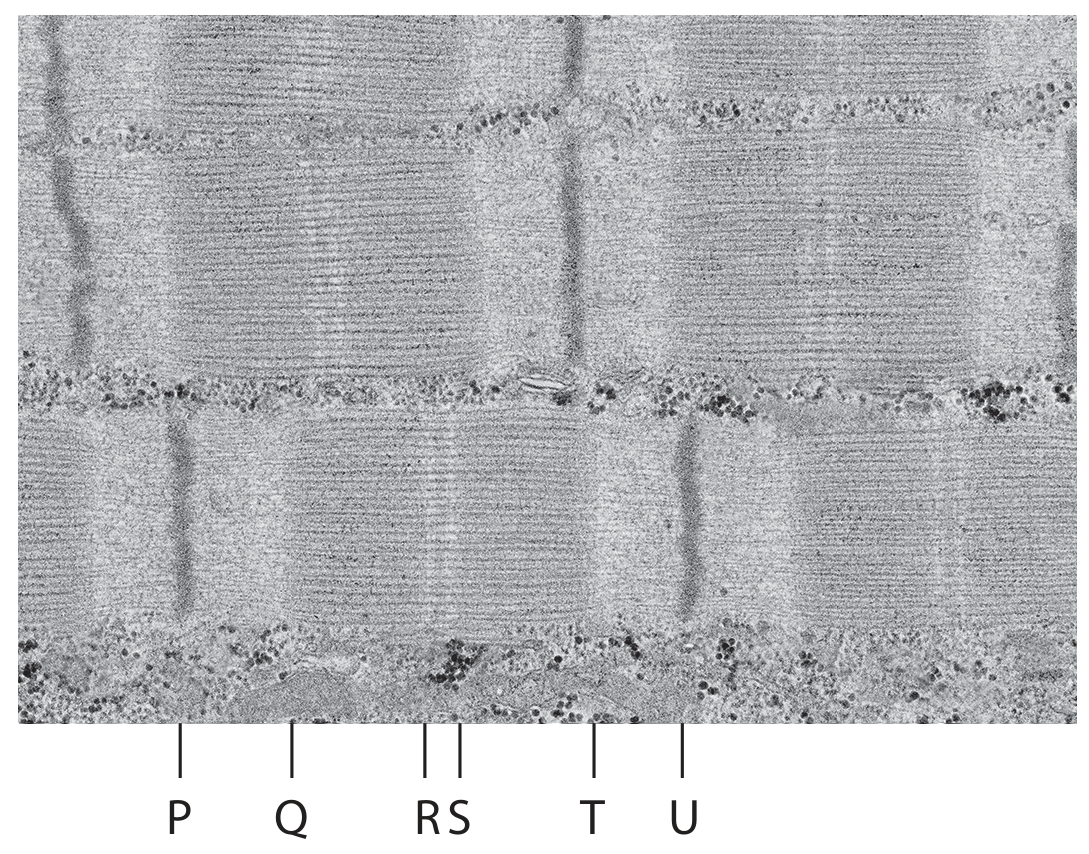
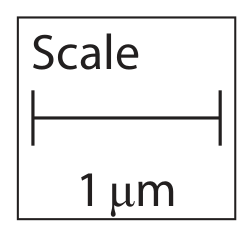
The photograph shows part of a skeletal muscle fibre as seen using an electron microscope.

Figure for Question 4(b) — Edexcel A-Level Biology A2
[ 5 ]

Question 4(b)(i)

(i)

Which pair of letters represents the length of one sarcomere?

A

P to T

B

P to U

C

Q to T

D

R to S

[ 1 ]

Question 4(b)(iii)

(ii)

Describe how the structure of a fast twitch muscle fibre differs from a slow twitch muscle fibre.

[ 4 ]

Question 4(c)

(c)

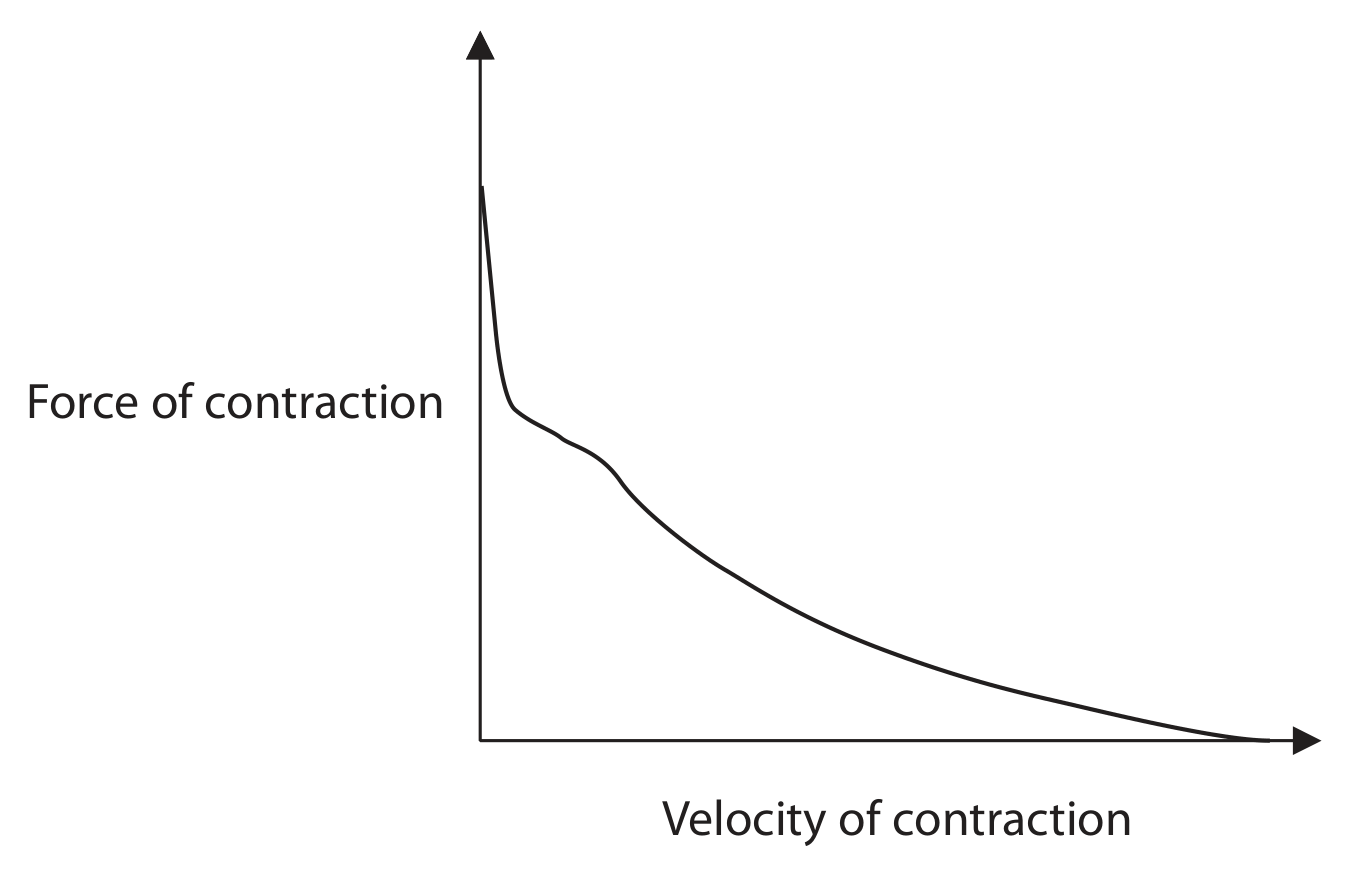
The graph shows the relationship between the force of muscle contraction and the velocity of muscle contraction.

Figure for Question 4(c) — Edexcel A-Level Biology A2

The greater the number of cross bridges formed between actin and myosin the greater the force of contraction of a muscle.

Explain the relationship between the force and the velocity of contraction of a muscle.
(3)

[ 3 ]

Question 5

[Maximum number: 5]

The kidney is an organ that is involved in osmoregulation and the production of urine.

Question 5(a)(i)

(a)

Which substances are filtered from the blood in the Bowman's (renal) capsule of a healthy individual?

A

glucose and prothrombin

B

glucose and urea

C

glycogen and urea

D

urea and prothrombin

[ 1 ]

Question 5(a)(ii)

(b)

Which part of the Bowman's (renal) capsule prevents plasma proteins from being filtered out of the bloodstream?

A

basement membrane

B

smooth muscle of the capillaries

C

epithelial cells of the collecting duct

D

epithelial cells of the loop of Henlé

[ 1 ]

Question 5(a)(iii)

(c)

Which transport mechanism is responsible for the uptake of glucose into the cells of the proximal tubule?

A

endocytosis

B

exocytosis

C

osmosis

D

sodium co-transport

[ 1 ]

Question 5(b)

(d)

Describe how the loop of Henlé acts as a countercurrent multiplier.

DO NOT WRITE IN THIS AREADO NOT WRITE IN THIS AREADO NOT WRITE IN THIS AREA
Figure for Question 5(b) — Edexcel A-Level Biology A2

Question 5(c)

(e)

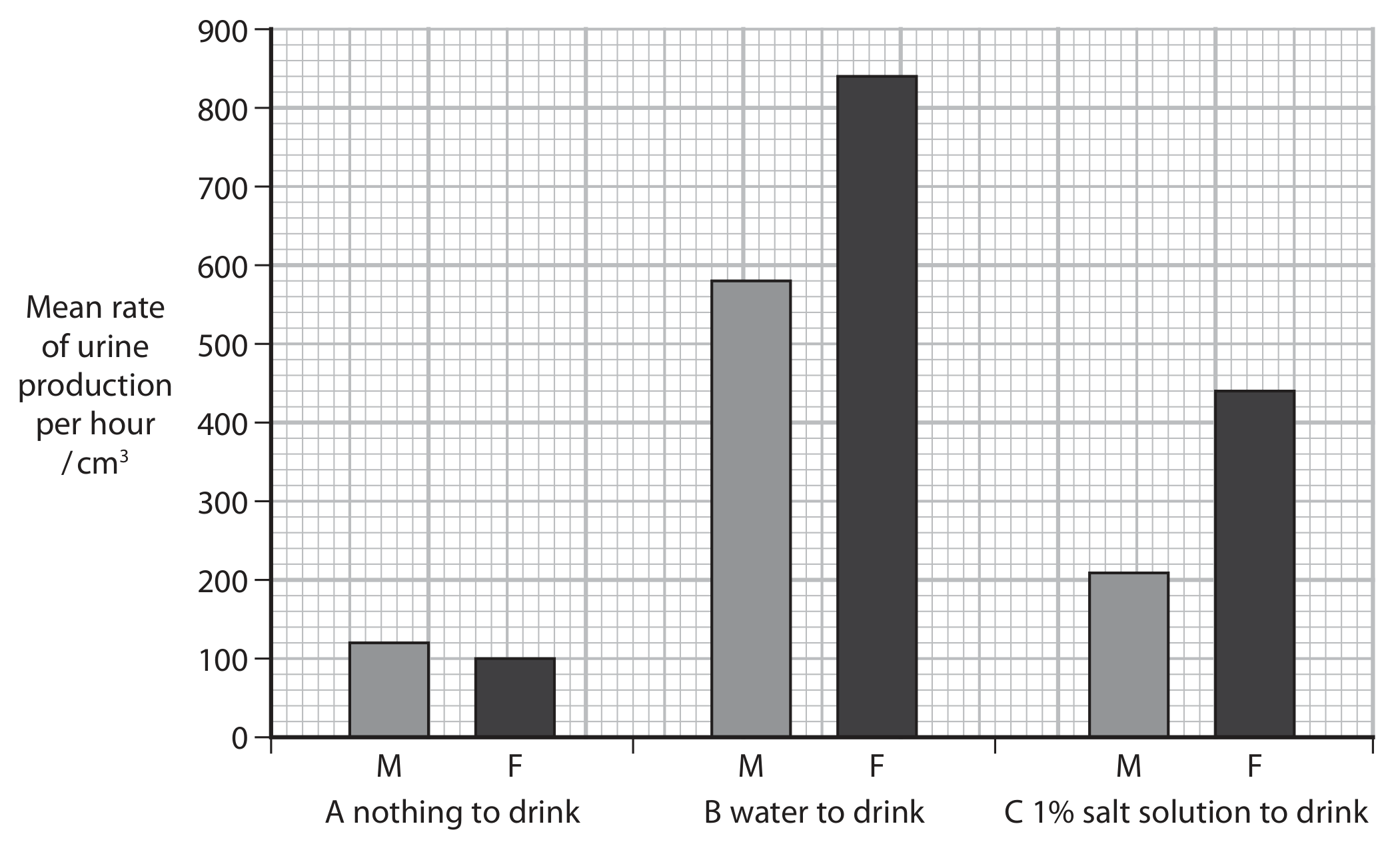
In an investigation, one group of people was given nothing to drink, a second group was given water and the third group was given 1% salt solution to drink.

The mean rate of urine production was recorded for the males and females in each group.

The graph shows the results of this investigation.

Figure for Question 5(c) — Edexcel A-Level Biology A2
[ 2 ]

Question 5(c)(iii)

(i)

Explain the effect on the mean urine output of the group drinking water.

[ 2 ]

Question 6

[Maximum number: 12]

The fastest recorded speed by a human was set by Usain Bolt sprinting in 2009. He achieved a speed of 12.3 metres per second.

Question 6(a)(i)

(a)

Name the main type of muscle fibre that is being used in the leg muscles of a sprinter.

[ 1 ]

Question 6(a)(ii)

(b)

During a sprint race, leg muscles produce lactate.

Describe what happens to the lactate at the end of the race.
(3)

[ 3 ]

Question 6(a)(iii)

(c)

Which of the following statements are features of muscle fibres in a long-distance runner?
1. have reduced blood capillary network
2. have larger number of mitochondria
3. contain a low concentration of myoglobin

A

1 only

B

2 only

C

1 and 3 only

D

2 and 3 only

[ 1 ]

Question 6(a)(iv)

(d)

Which of the following explains how muscles contract?

A

Fick's law

B

fluid mosaic model

C

lock and key hypothesis

D

sliding filament model

[ 1 ]

Question 6(b)

(e)

*(b) Exercise has many benefits for the health and wellbeing of an individual.
An investigation was carried out on non-athletes and athletes.
All participants did a series of physical exercises and several measurements were taken.

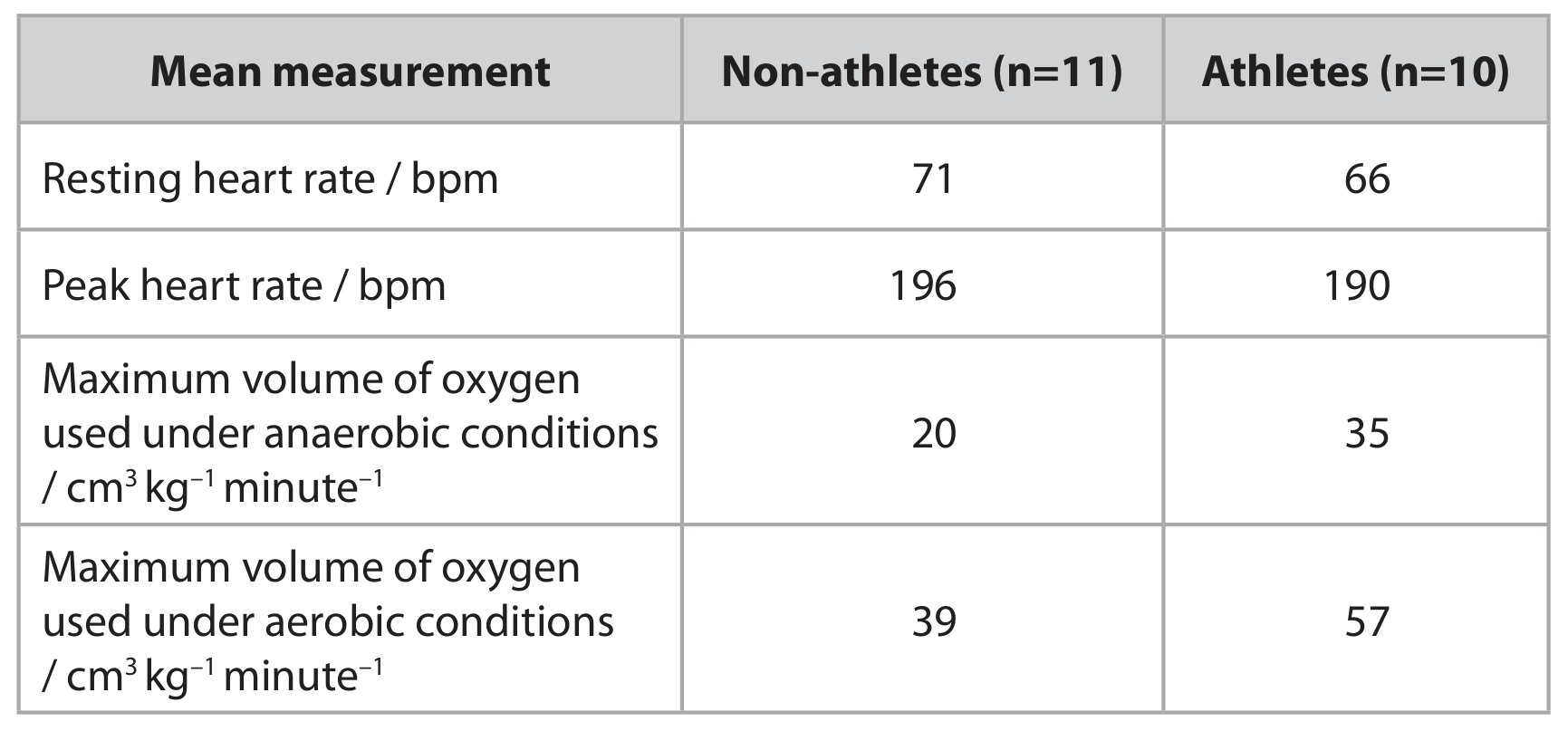
The means of the measurements are given in the table.

Table for Question 6(b) — Edexcel A-Level Biology A2

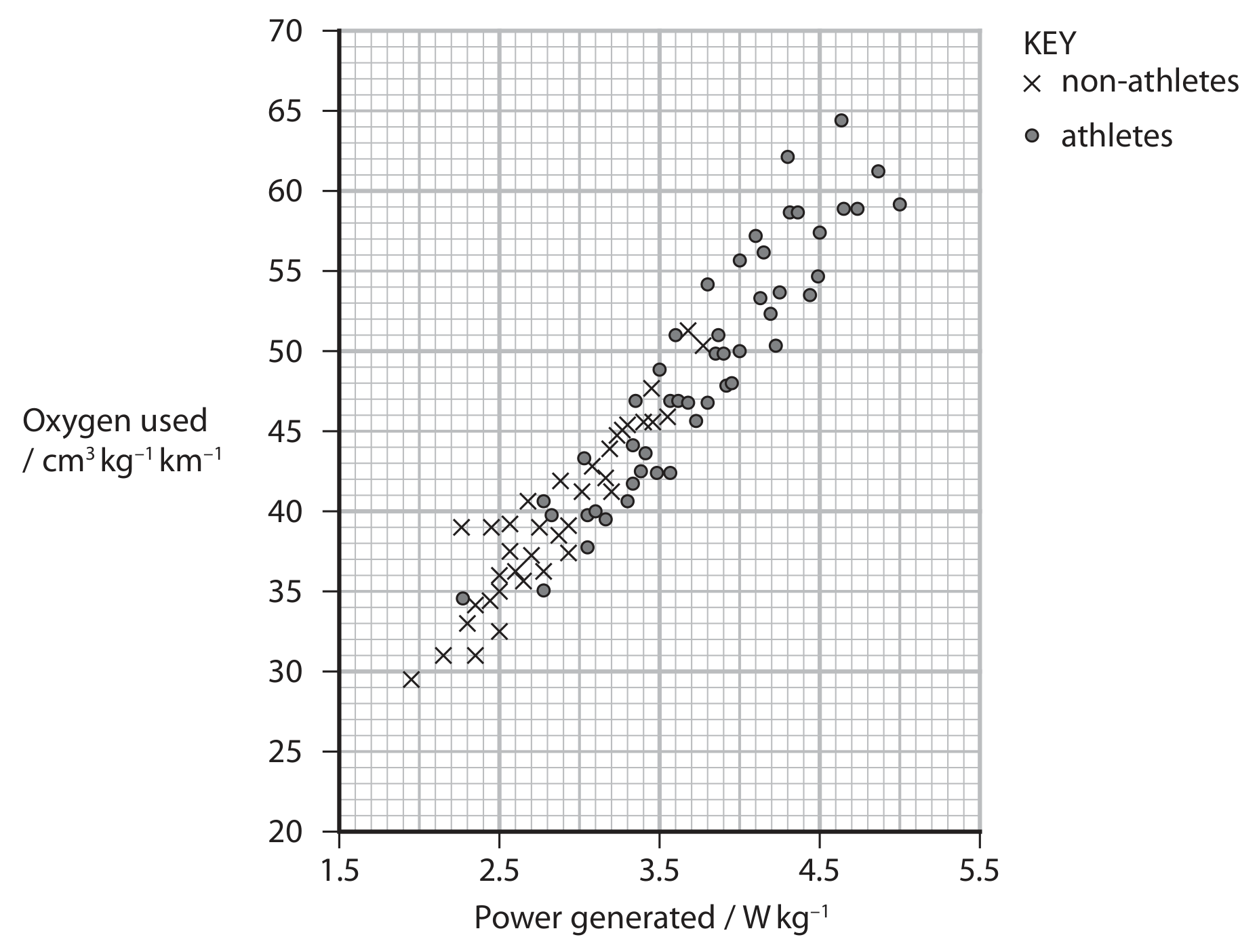
In a different investigation the relationship between power generated and oxygen used was studied in athletes and non-athletes.

The results are shown in the graph.

Figure for Question 6(b) — Edexcel A-Level Biology A2

Discuss the differences in the results for the athletes and non-athletes in these two investigations.

Use your knowledge and information in the table and graph to support and explain your answer.
(6)

[ 6 ]

Question 7

[Maximum number: 11]

The kangaroo rat is a mammal adapted to living in a warm dry habitat.

Question 7(a)

(a)

The resting body temperature of a kangaroo rat is 37C37^{\circ} \mathrm{C}.

During exercise the body temperature is maintained between 38.5C38.5^{\circ} \mathrm{C} and 40C40^{\circ} \mathrm{C}.
Explain how the body temperature can be regulated to stay between 38.5C38.5^{\circ} \mathrm{C} and 40C40^{\circ} \mathrm{C}.

[ 4 ]

Question 7(b)

(b)

In mammals, urine is produced by ultrafiltration and the selective reabsorption of solutes and water.

Kangaroo rats are adapted to survive on a diet of dry seeds and little or no drinking water.

Suggest how kangaroo rats are adapted to survive in areas with little drinking water and dry seeds.

[ 3 ]

Question 7(c)

(c)

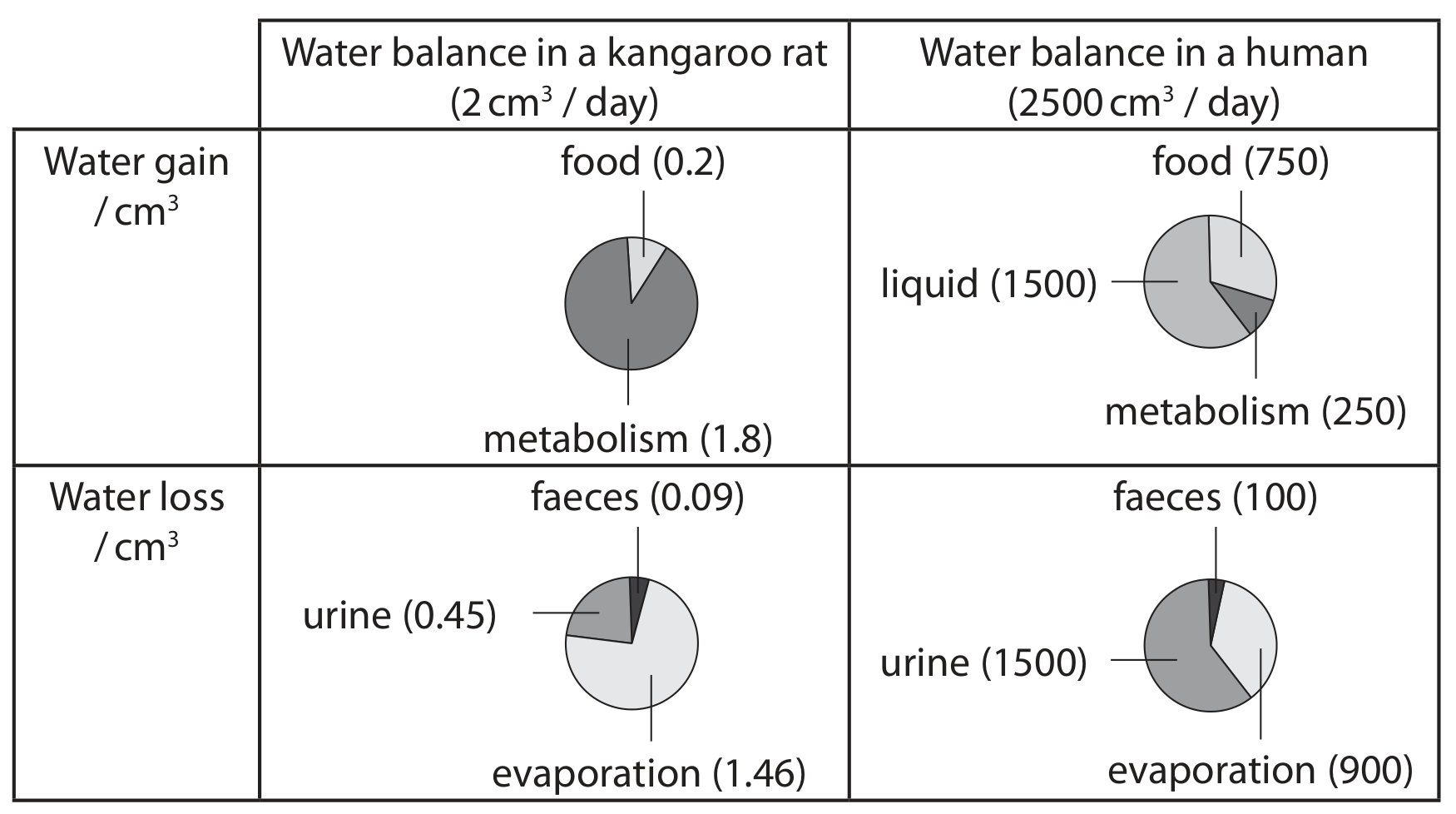
The diagram compares the daily water balance between a kangaroo rat and a human.

Table for Question 7(c) — Edexcel A-Level Biology A2
[ 4 ]

Question 7(c)(ii)

(i)

Comment on the differences in water gain and water loss between the kangaroo rat and the human.

Use your knowledge and information in the diagram to support and explain your answer.

[ 4 ]

Question 8

[Maximum number: 9]

The scientific article you have studied is adapted from an article in Clinical Nutrition entitled Muscle tissue changes with aging (July 2004).

Use the information from the scientific article and your own knowledge to answer the following questions.

Question 8(c)

(a)

Testosterone is a steroid hormone.

Describe how reduced production of testosterone in the male testes can result in reduced muscle protein (paragraph 5).
(4)

[ 4 ]

Question 8(d)

(b)

Insulin control of blood glucose is an example of a negative feedback loop (paragraph 7).

Explain how negative feedback can maintain a system within a narrow limit.

[ 2 ]

Question 8(g)

(c)

Explain why aerobic exercise increases mitochondrial density and activity (paragraph 9).
(3)

[ 3 ]