
Question 3
Question 3(a)
(a)
Define the term Just in Time (JIT).
[ 2 ]
Question 3(b)
(b)
Explain one disadvantage to a business of using Just in Time (JIT).
[ 3 ]
Practise analysing inventory levels, JIT and supply chains through cost, continuity and responsiveness, then evaluating the approach that best fits the organisation's operations.
Define the term Just in Time (JIT).
Explain one disadvantage to a business of using Just in Time (JIT).
Popular Drinks (PD)
PD is a mass market fizzy drinks manufacturer in country Z. The fizzy drinks market in country Z is dominated by a few well-known brands. The total market value is $ 5.3 bn and the PD brand has a 17% share of this market.
Pablo was recruited to be the Marketing Director of PD in 2022. He launched a new promotional campaign based on trending music on social media. He decided to use social media influencers to focus on this market.
Online feedback of the campaign was poor. Many of PD's customers did not want to be associated with trending music. National news highlighted the negative feedback and PD's sales volume decreased by 20% within a week and continued falling. This led to excess inventory in PD's warehouses. The bad publicity also caused a drop in PD's share price and a negative impact on cash flow.
Fig. 2.1 shows feedback from a recent questionnaire where previous PD customers were asked what they thought about the promotional campaign.
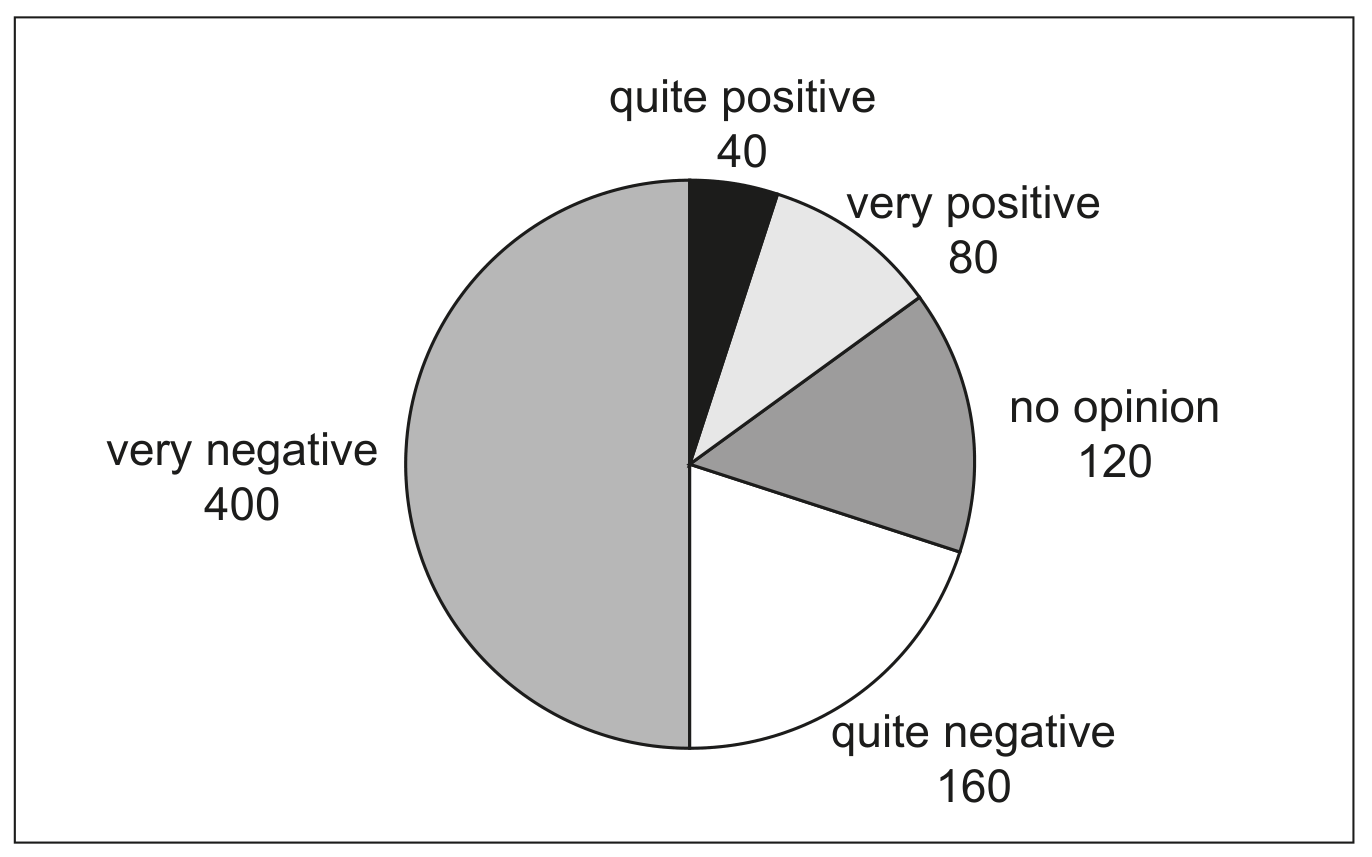
Fig. 2.1 Market analysis data of a sample of PD's customers
Pablo has called an emergency meeting of PD's marketing managers to repair the damage done to the PD brand from this recent promotional campaign.
Analyse two possible costs to PD of holding inventory.