

Question 10
Ecuador covers approximately 284000 km2 and has a human population of about 18.3 million. Quito is the capital and one of five UNESCO World Heritage sites in the country. In 2008, Ecuador was the first country in the world to recognize the constitutional legal rights of nature, also referred to as Pachamama. Ecuador is one of the richest areas of biodiversity in the world, with many endemic and endangered species. Tourism provides income worth more than 5% of GDP; the Ministry of Tourism aims to reach 2 million visitors by 2025 by attracting travellers who want to interact with nature.
| Taxonomic group | Total species | Endemic species |
|---|---|---|
| Plants | 25560 | 5348 |
| Vertebrates | 2794 | 436 |
| Mammals | 362 | 30 |
| Birds | 1616 | 52 |
| Reptiles | 394 | 114 |
| Amphibians | 422 | 240 |
Figure 5: Species diversity among different taxonomic groups in Ecuador in 2020
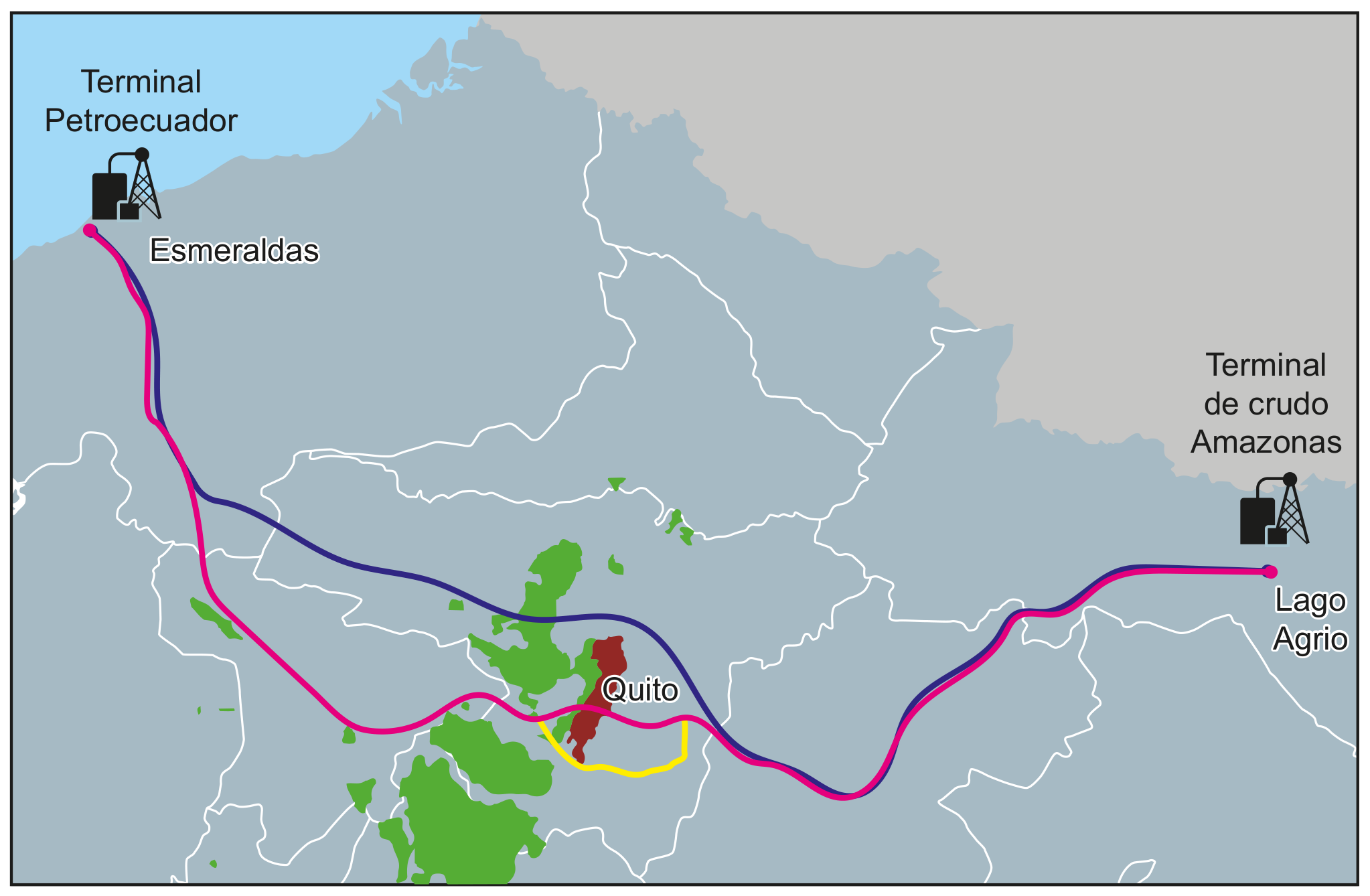
Figure 6(a): Map of the SOTE pipeline and proposed OCP pipeline routes
The northern OCP pipeline route was completed in 2003. The proposed southern OCP route was rejected in favour of the northern route. The SOTE pipeline was completed in 1972. The map also shows protected nature areas. SOTE is operated by the government and OCP is run privately; both coexist today and are fully functional.
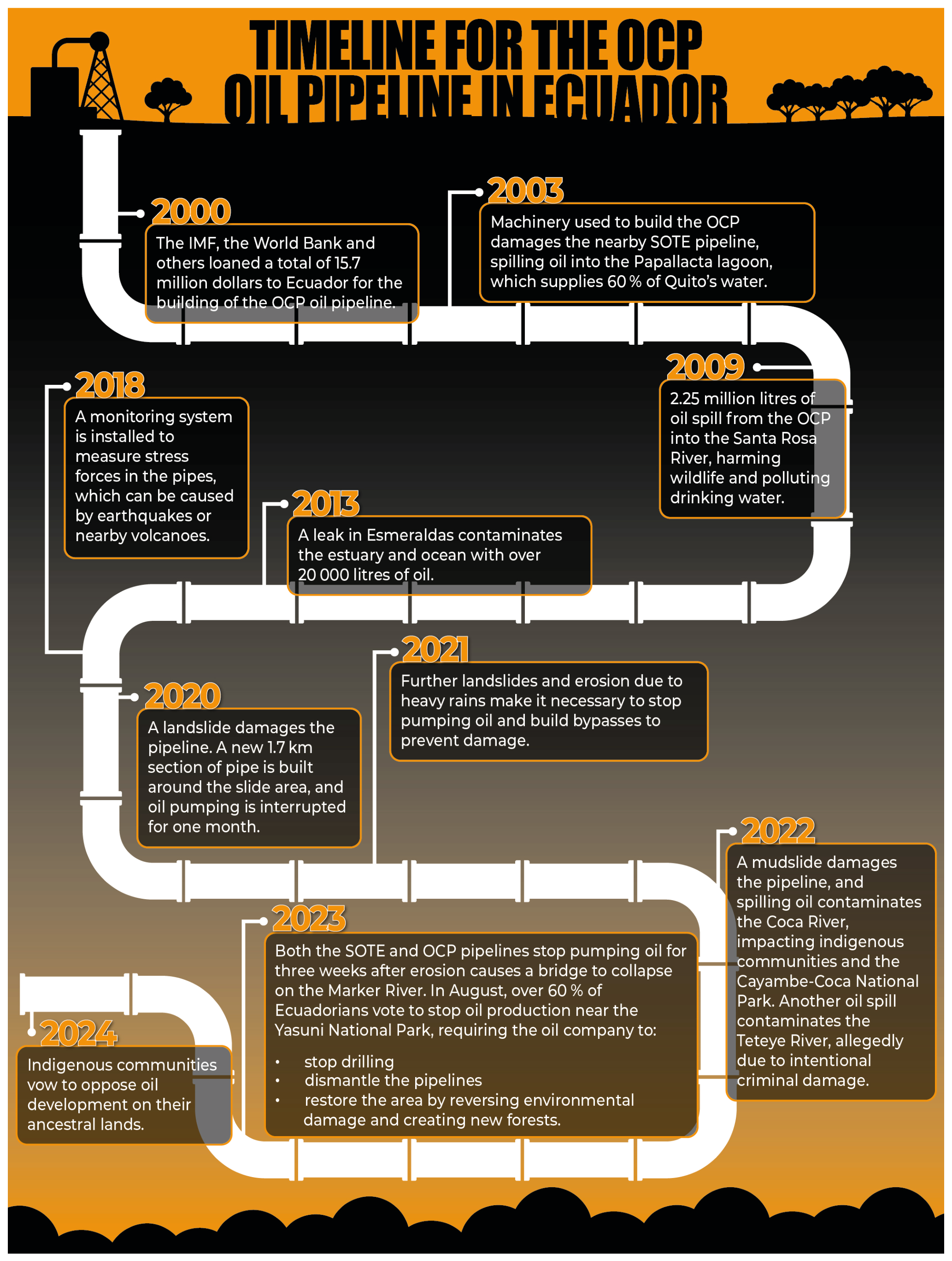
Figure 6(b): Timeline for the OCP oil pipeline
Only one third of Ecuador’s identified cloud forest sites are protected. The Mindo-Nambillo cloud forest reserve forms part of several protected areas across Ecuador. The Mindo cloud forest covers 268 km2 and is home to several indigenous subgroups of the Quichua people. The village of Mindo is west of the reserve and is known for chocolate made from locally grown cacao. Organizations work with local farmers to find alternatives to cattle ranching and with indigenous groups to develop more sustainable agricultural practices, reducing habitat destruction.
The Mindo harlequin toad is endemic to the Mindo cloud forest. It was considered extinct until five specimens were found in 2019 and is currently classified as critically endangered. This toad and other amphibians are threatened by chytrid fungal disease, habitat degradation, pesticide pollution and invasive species. North American rainbow trout, introduced for sport fishing and aquaculture, feed on the tadpoles of the Mindo harlequin toad and other amphibians. Chytrid fungal disease is thought to have originated in East Asia and spread through the exotic pet trade.
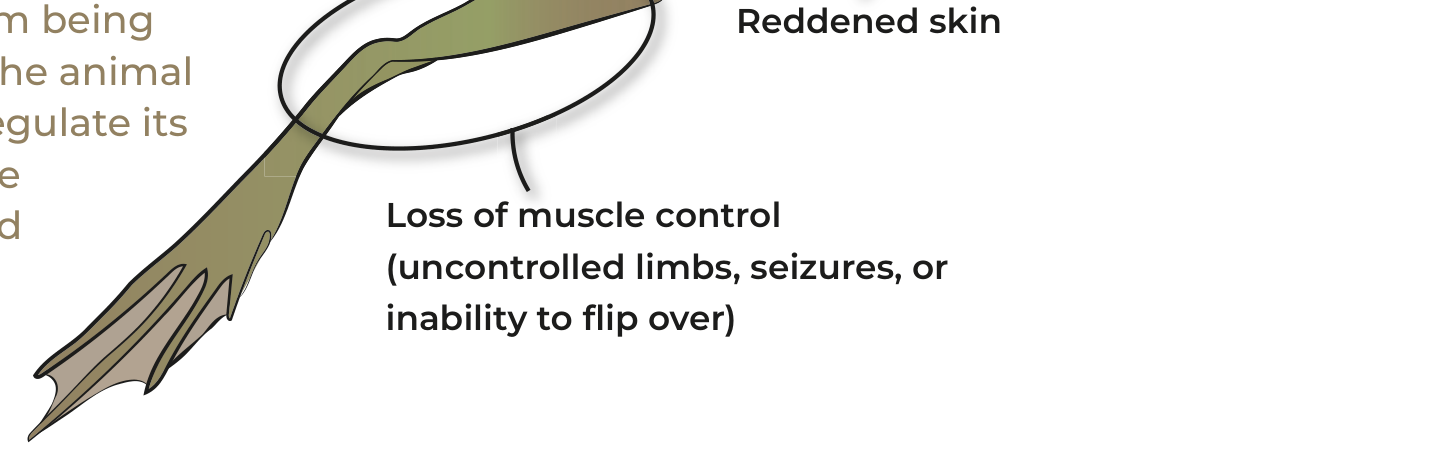
Figure 10(d): Mechanism of chytrid fungus infection in Mindo amphibians
Chytrid fungus causes chytridiomycosis and has been linked to the decline and extinction of over 200 amphibian species worldwide. It infects amphibian skin, preventing oxygen absorption, temperature regulation and mineral balance. There is no cure and infected individuals experience 85-100% mortality.
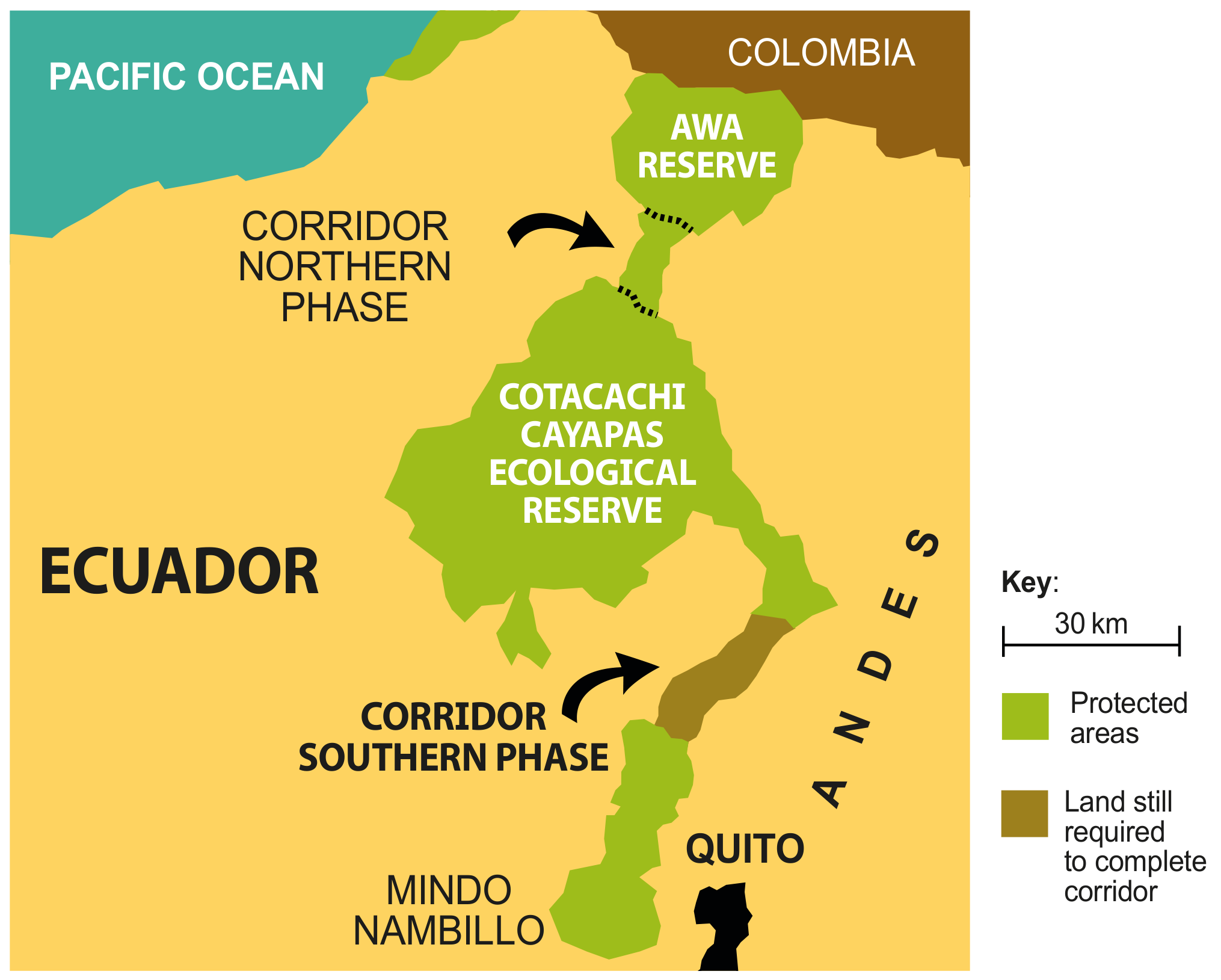
Figure 11: Protected corridor proposal to connect Mindo cloud forest with other Ecuadorian reserves
With reference to the information in the resource booklet, discuss to what extent Ecuador has been effective at meeting its legal obligation to conserve nature (Pachamama).