Question 1
[Maximum number: 2]
This question is about gases.
Question 1(a)
(a)
The following substances are gases at room temperature.

Identify, by letter:
[ 2 ]
Question 1(a)(ii)
(i)
two gases which exist as diatomic molecules [2]
[ 2 ]
 EduNinja
This question is about gases.
The following substances are gases at room temperature.
Identify, by letter:
two gases which exist as diatomic molecules [2]
The symbols of the elements of Period 3 of the Periodic Table are shown.

Answer the following questions about these elements.
Each symbol may be used once, more than once or not at all.
Write the symbol of the element which:
is found in the ore zinc blende. [1]
[Total: 8]
Question 2 starts on the next page.
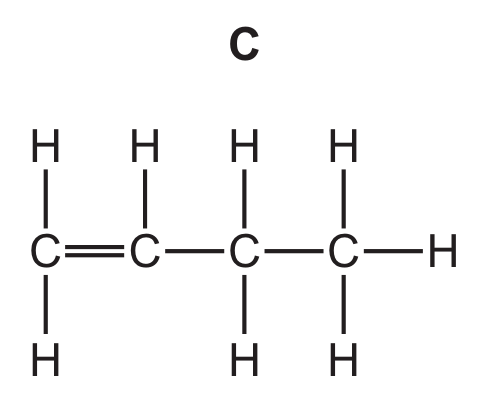
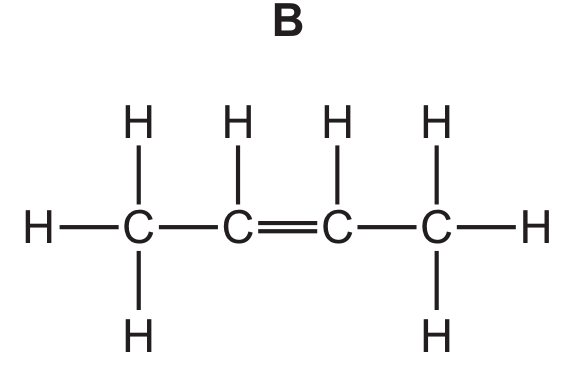
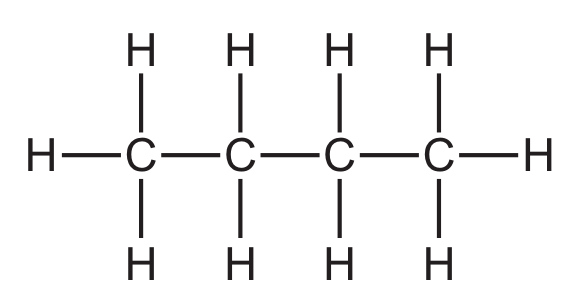
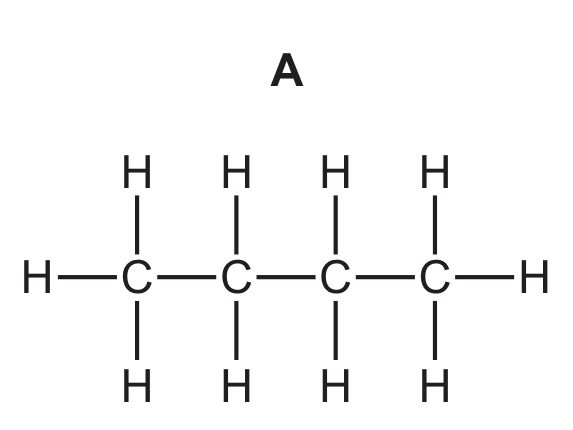
Five organic compounds have the following structures.
A
C
C
A
,
B
B
D
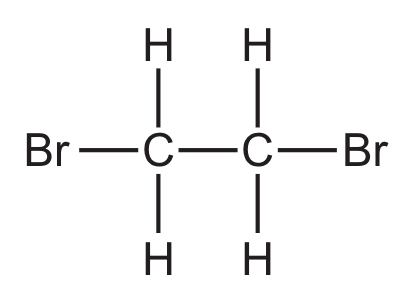
E
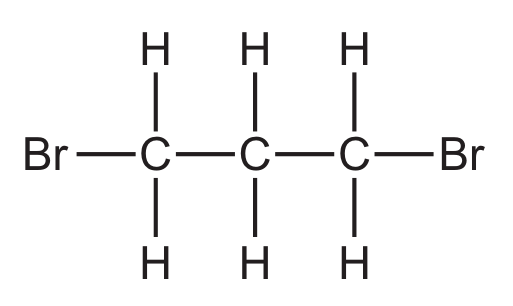
Which compound has the empirical formula ?
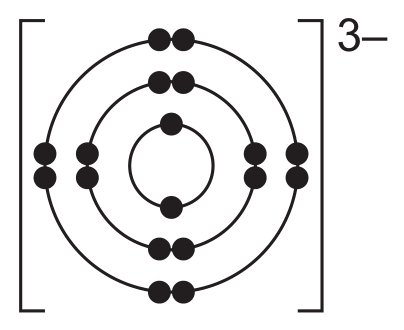
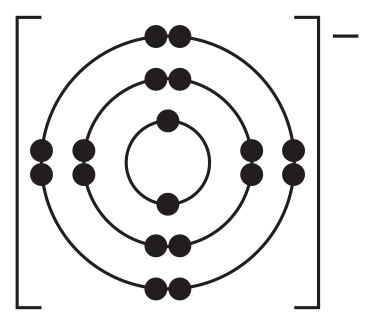
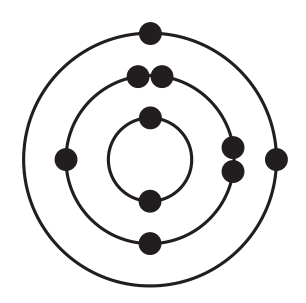
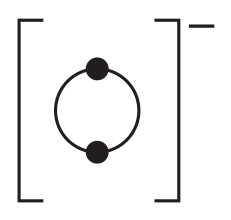
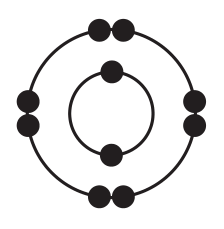
The electronic structures of some atoms and ions are shown.

A
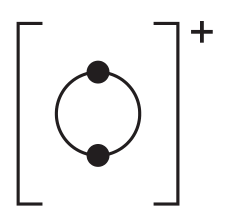
B
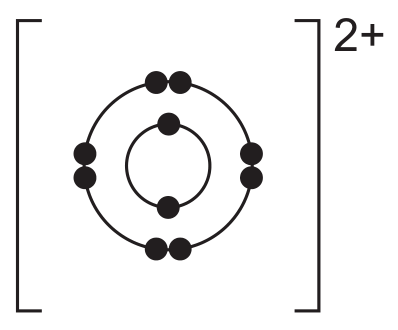
C
D
E
F
G
H
Write the letters, A, B, C, D, E, F, G or H, of the electronic structures which show:
a pair of ions that could form a compound with the formula . and
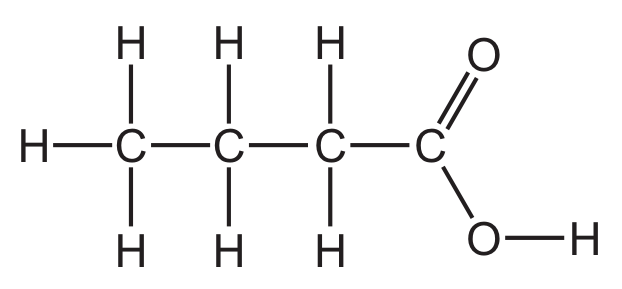
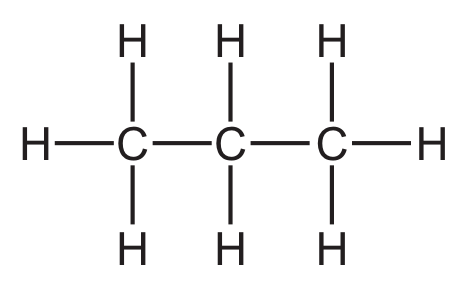
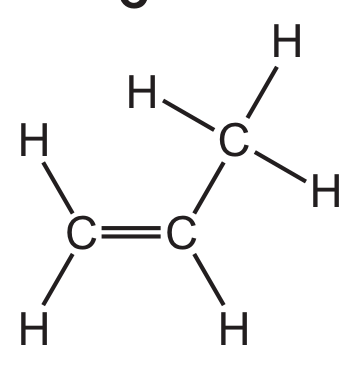
The structures of five organic compounds, A, B, C, D and E, are shown.
Answer the questions that follow.
Each letter may be used once, more than once or not at all.
A
B
c
D
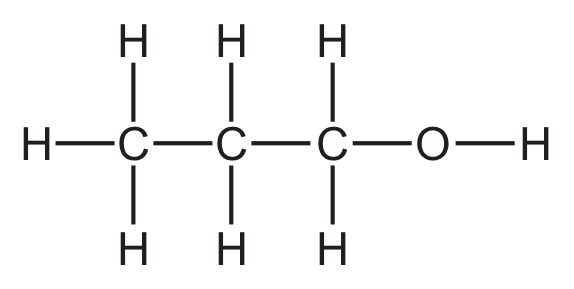
E
E
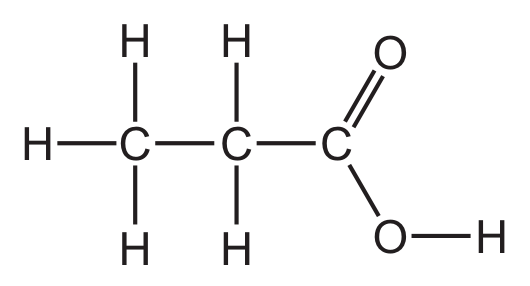
Give the letter of the compound that has the empirical formula .
This question is about subatomic particles.
Write the formula of the compound formed from fluorine and magnesium.
Write the formula of the compound formed from and .
This question is about elements X, Y and Z.
An atom of element X is represented as .
Suggest the formula of the compound formed between aluminium and X.
Element X can undergo the following physical changes.
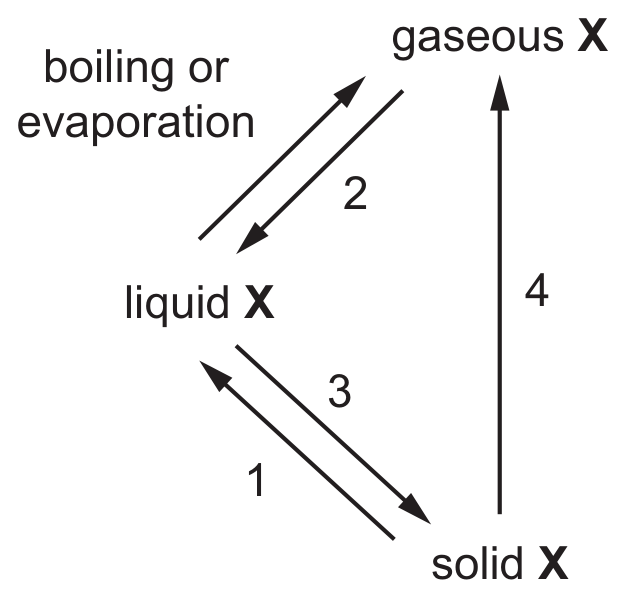
Element X is a Group I metal. It burns in air to form an oxide .
Write a chemical equation for this reaction.
This question is about ions and ionic compounds.
Magnesium phosphate contains magnesium ions, , and phosphate ions, .
Deduce the formula of magnesium phosphate.
Magnesium exists as three isotopes, and .
All isotopes of magnesium react with dilute hydrochloric acid to make hydrogen and a salt.
Write a chemical equation for the reaction between magnesium and dilute hydrochloric acid.