Question 1
[Maximum number: 1]
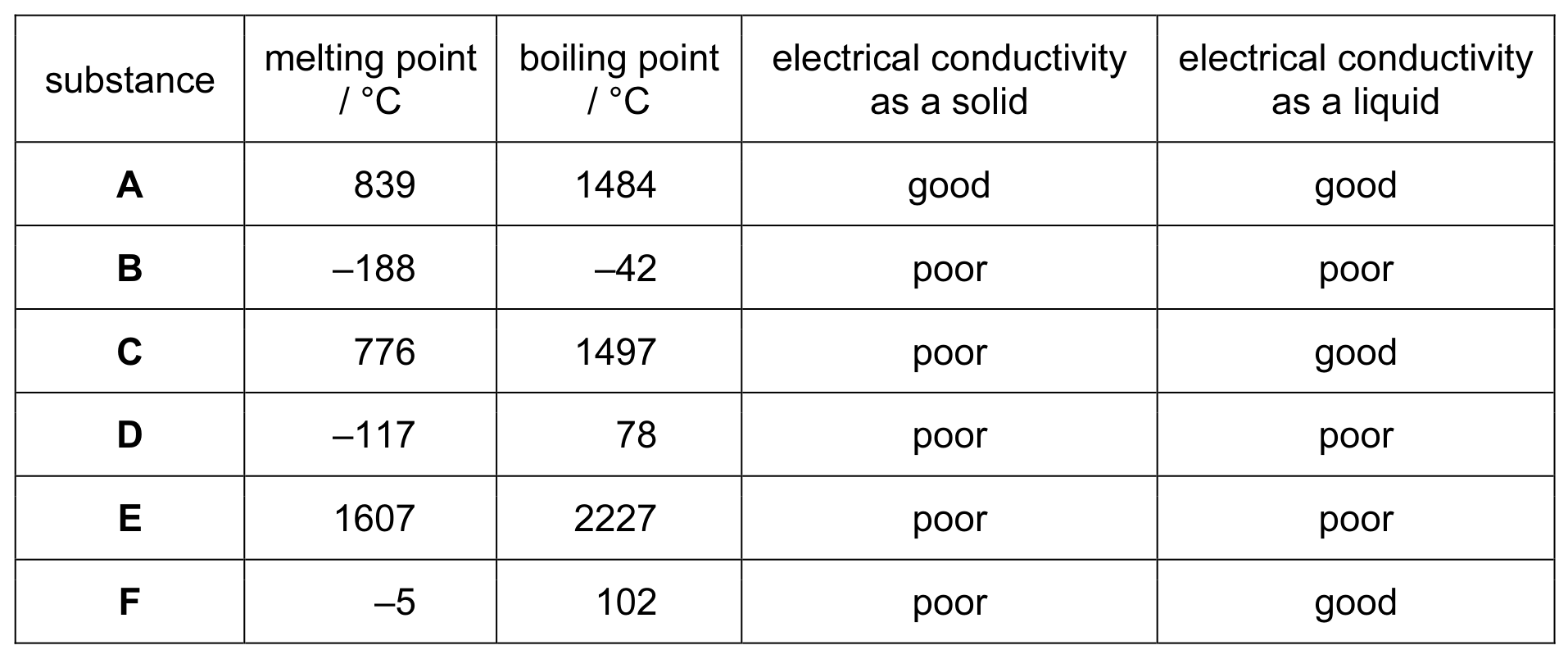
The following table gives information about six substances.
Question 1(e)
(a)
Which substance could be sodium chloride?
[ 1 ]
 EduNinja
The following table gives information about six substances.
Which substance could be sodium chloride?
Answer the following questions using only the substances in the list. Each substance may be used once, more than once or not at all.

State which substance is:
an ionic compound ..... [1]
State what is meant by the terms
ion.
The table gives information about five particles. The particles are all atoms or ions.
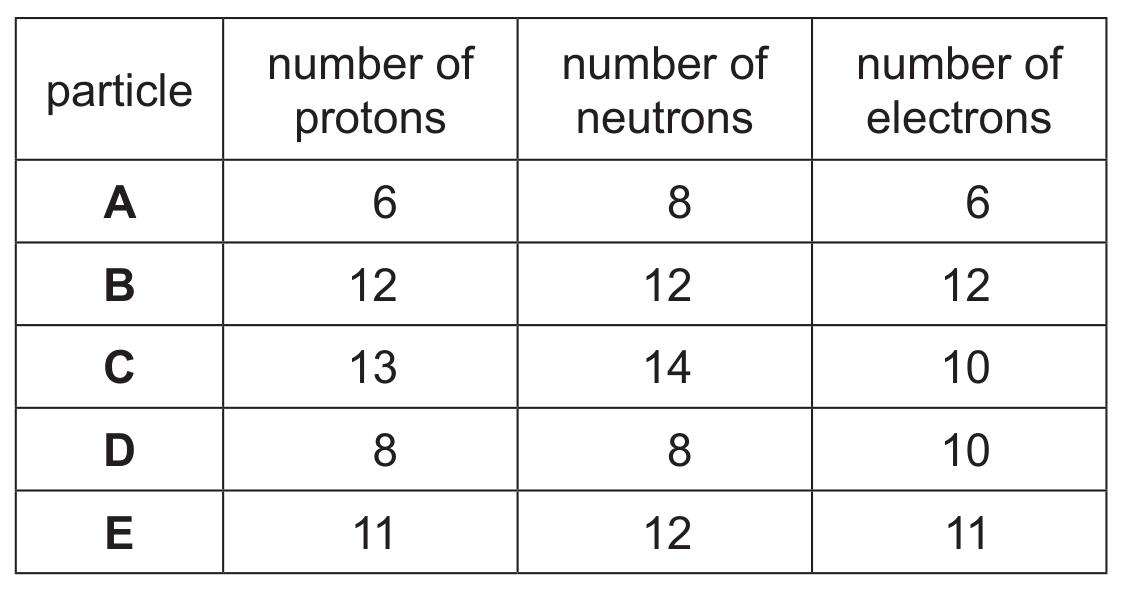
Answer the following questions using the information in the table. Each particle may be used once, more than once or not at all.
Which particle, A, B, C, D or E,
is an ion with a positive charge,
The following table gives information about six substances.
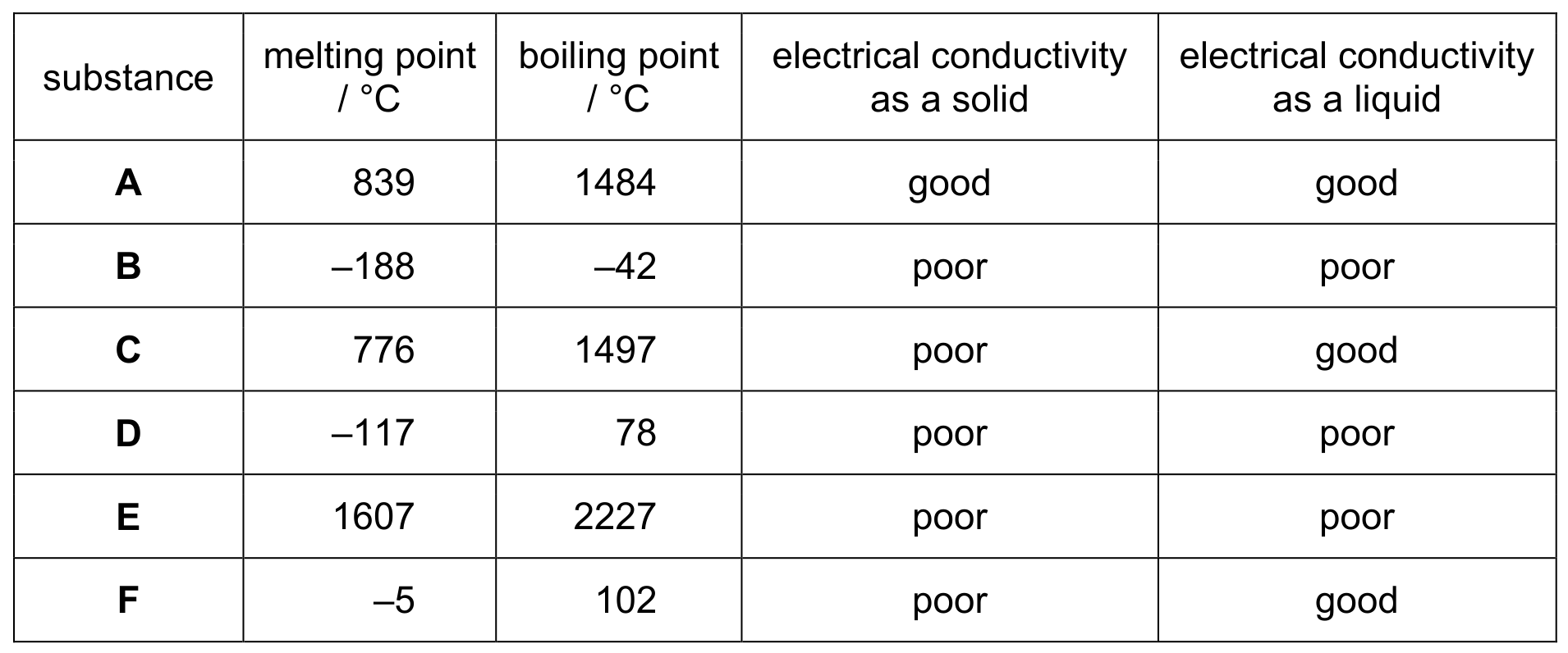
Which substance could be sodium chloride?
A list of substances is shown.
> ammonia bauxite carbon dioxide carbon monoxide ethanol hematite oxygen sodium chloride sulfur dioxide
Answer the questions using the list of substances.
Each substance may be used once, more than once or not at all.
State which substance is:
an ionic compound ..... [1]
The table shows the numbers of protons, neutrons and electrons in particles A to I.
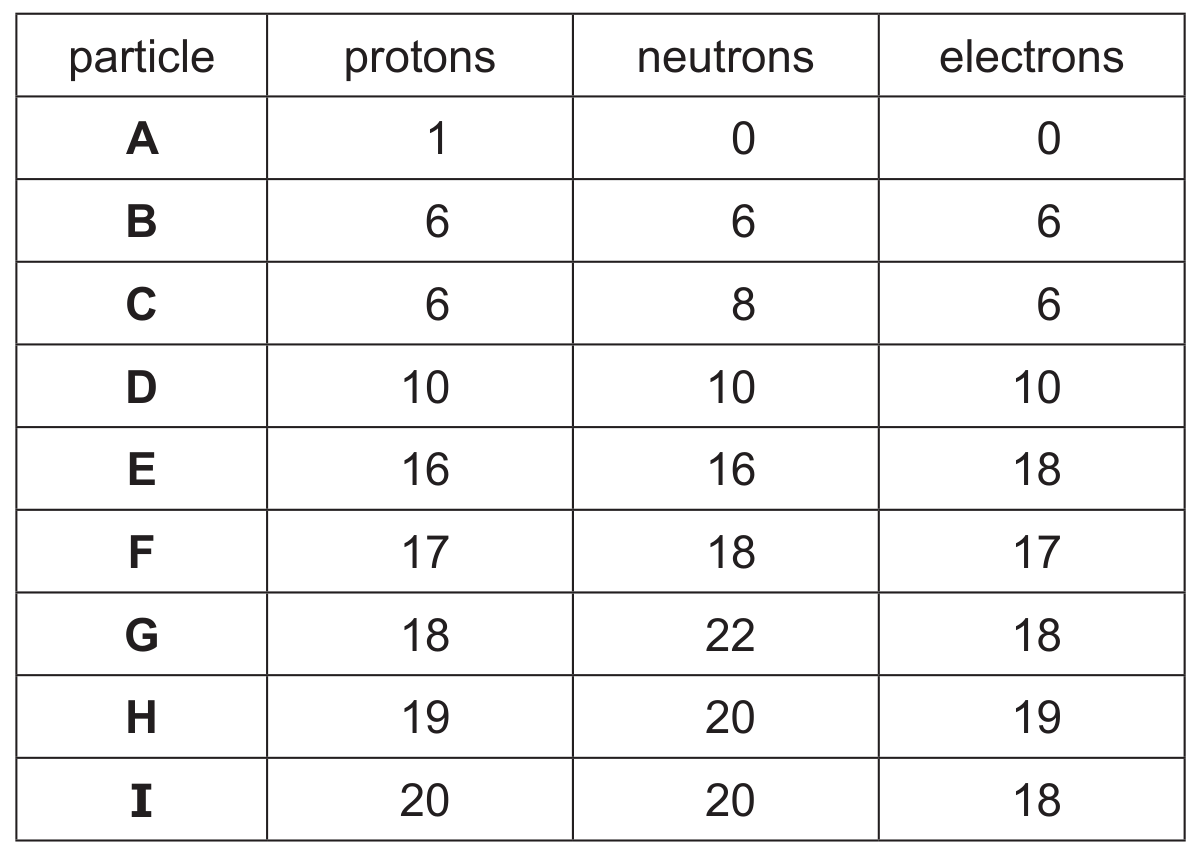
Answer the following questions about particles A to I. Each letter may be used once, more than once or not at all.
State which of the particles A to I:
is an anion
are cations and
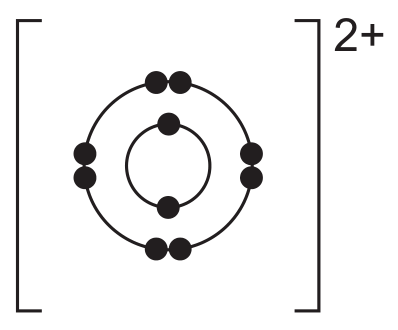
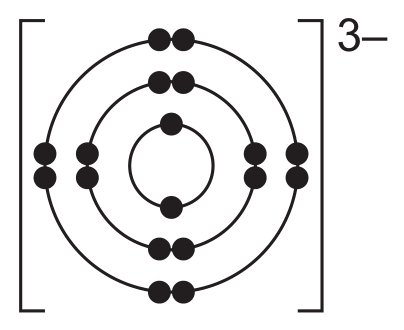
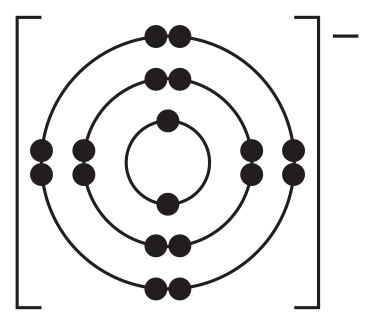
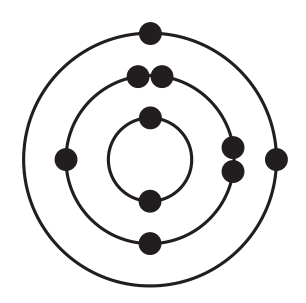
The electronic structures of some atoms and ions are shown.

A

B
C
D
E
F

G
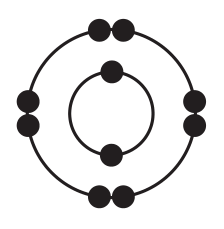
H
Write the letters, A, B, C, D, E, F, G or H, of the electronic structures which show:
an ion of a Group I element
an ion of a Group V element
Which statement describes the bonding in sodium chloride?
A shared pair of electrons between two atoms leading to a noble gas configuration.
A strong force of attraction between oppositely charged ions.
A strong force of attraction between two molecules.
A weak force of attraction between oppositely charged ions.
The Group I element potassium forms an ionic bond with the Group VII element fluorine.
Which two ions are produced?
and
and
and
and