Question 1
[Maximum number: 1]
Name the process used to:
Question 1(d)
(a)
produce ethanol from ethene
[ 1 ]
 EduNinja
Name the process used to:
produce ethanol from ethene
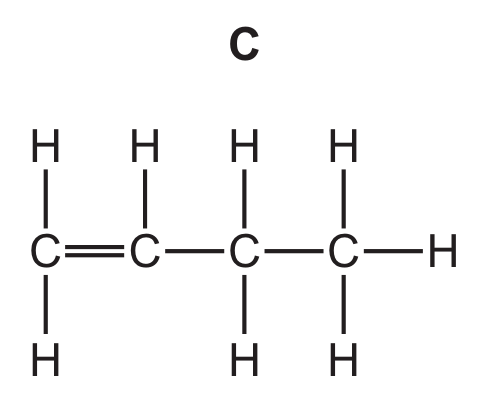
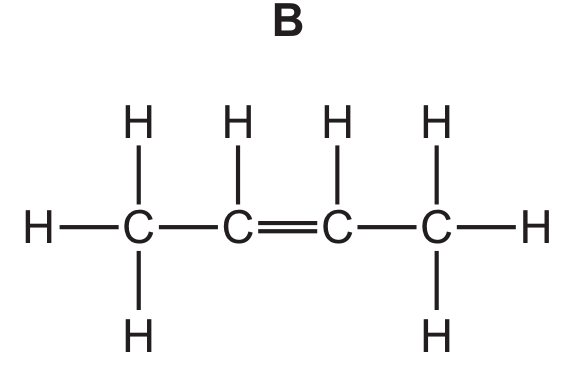
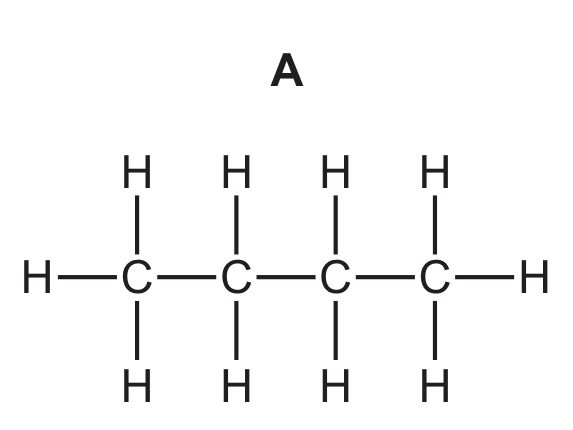
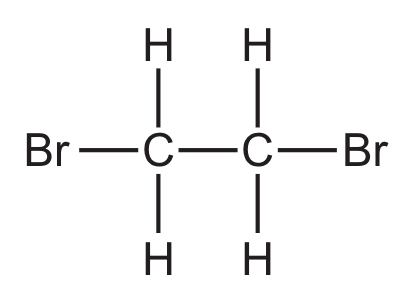
Five organic compounds have the following structures.
A
C
C
A
,
B
B
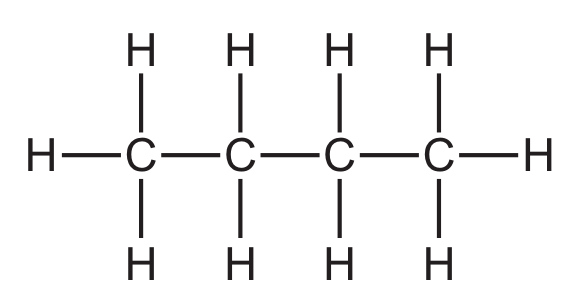
D
E
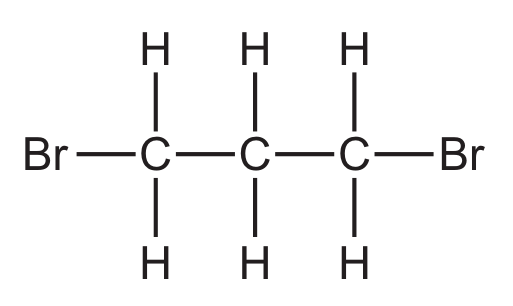
Name the two products made during the complete combustion of compound C.
Some symbol equations and word equations, A to J, are shown.
A
B
C ethane + chlorine → chloroethane + hydrogen chloride
D
E ethene + steam → ethanol
F chlorine + aqueous potassium iodide → iodine + aqueous potassium chloride
G
H ethanoic acid + ethanol → ethyl ethanoate + water
I calcium carbonate → calcium oxide + carbon dioxide
J
Use the equations to answer the questions that follow.
Each equation may be used once, more than once, or not at all.
Give the letter, A to J, for the equation that represents:
fermentation [1]
State the name of the process that is used to
produce ethanol from simple sugars,
A list of substances is shown.

Answer the questions using the substances in the list.
Each substance may be used once, more than once or not at all.
State which substance is:
a reactant in fermentation
A list of substances is shown.

Answer the questions using the list of substances.
Each substance may be used once, more than once or not at all.
State which of the substances:
are two products of fermentation and
is used as a fuel
A list of substances is shown.
> ammonia bauxite carbon dioxide carbon monoxide ethanol hematite oxygen sodium chloride sulfur dioxide
Answer the questions using the list of substances.
Each substance may be used once, more than once or not at all.
State which substance is:
used as a fuel ..... [1]
Give the name of the process that is used:
to make ethanol from glucose
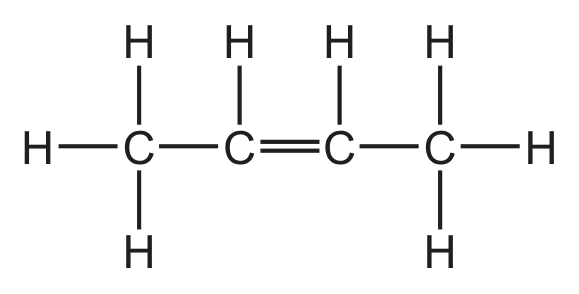
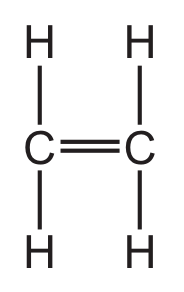
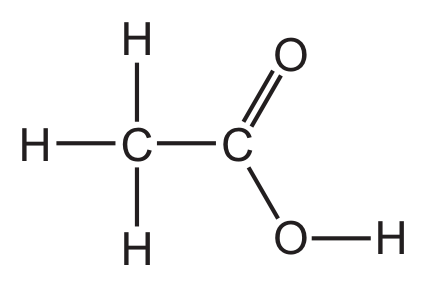
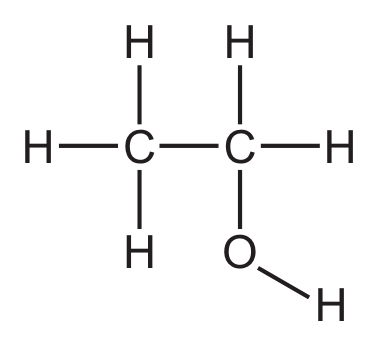
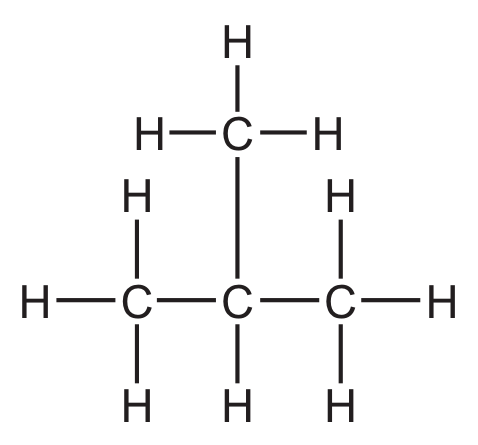
The structures of six organic compounds are shown.
A
B
C
D
E
F
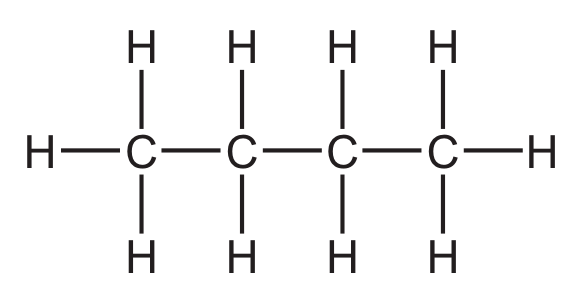
Describe how D is manufactured from B. Give a chemical equation for the reaction.
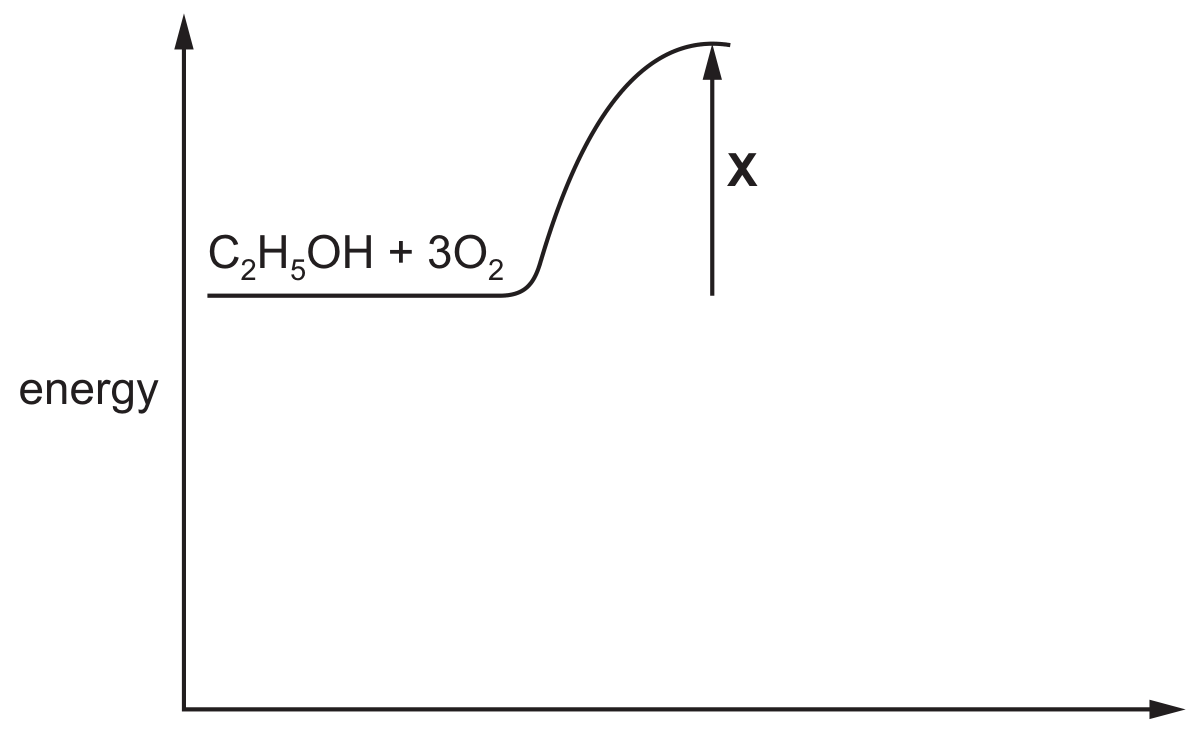
The chemical equation for the complete combustion of ethanol, , is shown.
The energy released when one mole of ethanol undergoes complete combustion is 1280 kJ .
Part of the energy level diagram for this reaction is shown.
Dodecane is an alkane containing 12 carbon atoms. Ethanol can be manufactured from dodecane in a two-stage process.
In stage 1, each molecule of dodecane is converted into three molecules of ethene and one molecule of another hydrocarbon.
State two conditions needed for stage 2.
1
2
Ethanol can also be manufactured by the fermentation of glucose, .
State two conditions needed for the fermentation of glucose.
1
2
Complete the chemical equation for the fermentation of glucose.
One disadvantage of fermentation is that the maximum concentration of ethanol produced is about 15%.
Suggest why the concentration of ethanol produced by fermentation does not exceed 15%.
Give one other disadvantage of manufacturing ethanol by fermentation.
Give one advantage, other than cost, of manufacturing ethanol by fermentation.