Question 1
Question 1(a)
(a)
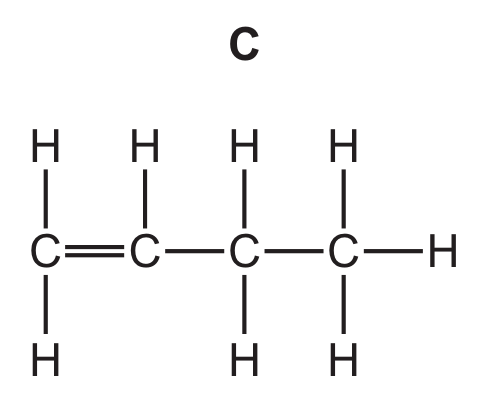
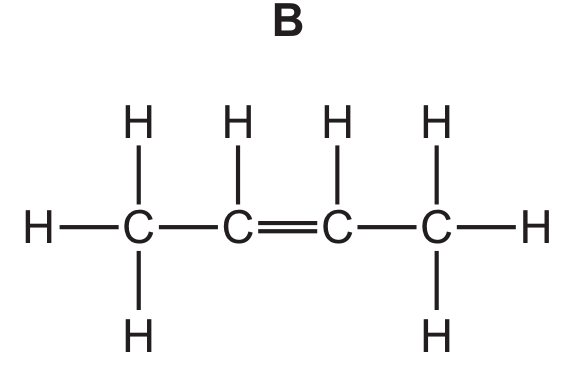
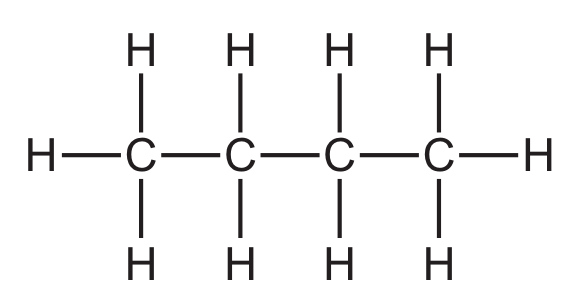
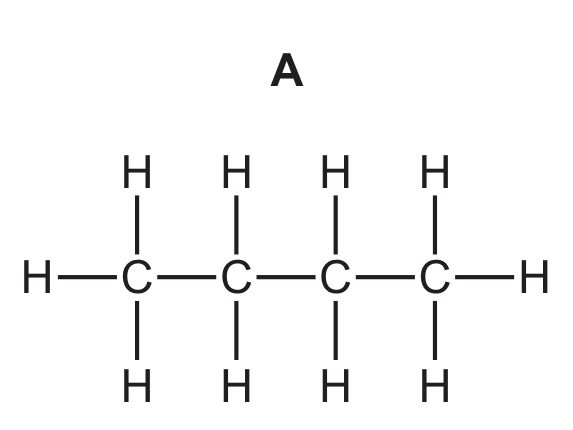
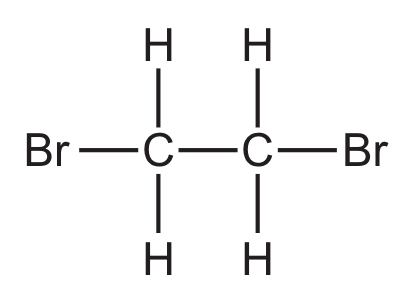
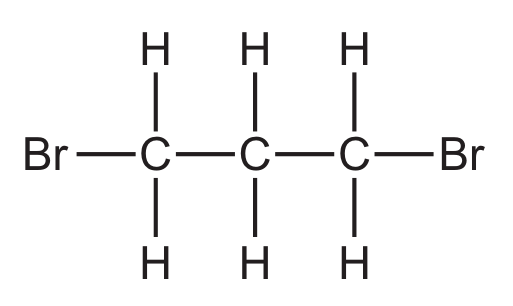
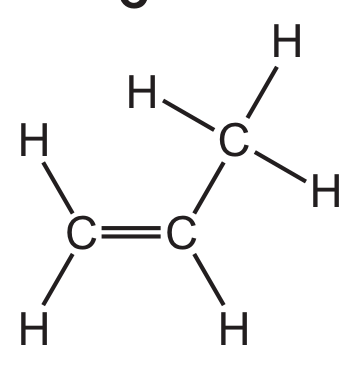
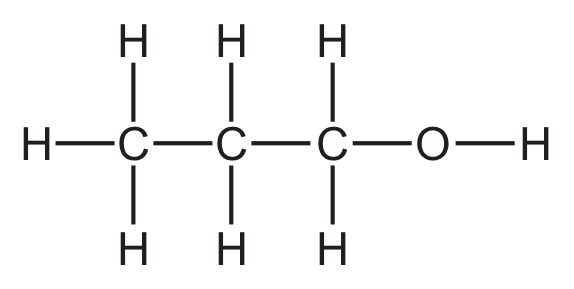
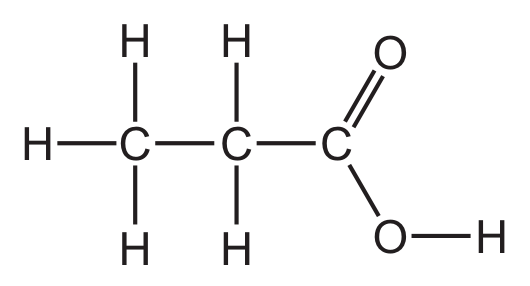
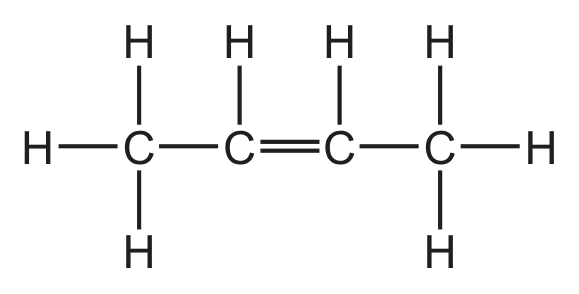
Five organic compounds have the following structures.
A
C
C
A
,
B
B
D
E
[ 1 ]
Question 1(a)(i)
(i)
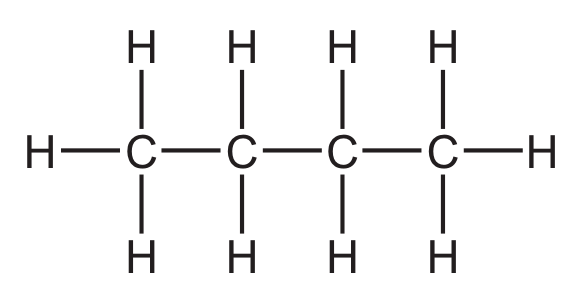
Which compound is butane?
[ 1 ]
 EduNinja
Five organic compounds have the following structures.
A
C
C
A
,
B
B
D
E
Which compound is butane?
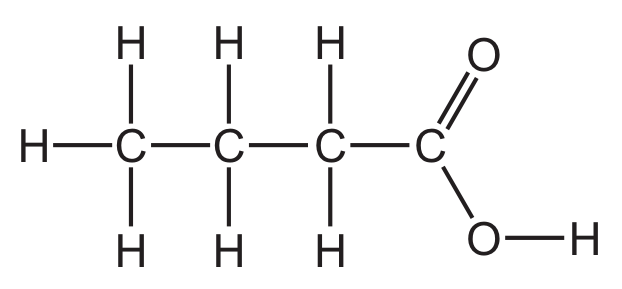
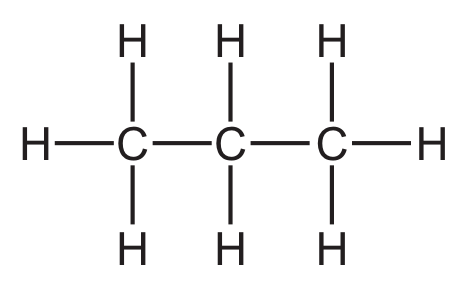
The structures of five organic compounds, A, B, C, D and E, are shown.
Answer the questions that follow.
Each letter may be used once, more than once or not at all.
A
B
c
D
E
E
Give the letter of the compound that is propan-1-ol.
Give the letter of one compound that is an acid.
The structures of six organic compounds are shown.
A
B
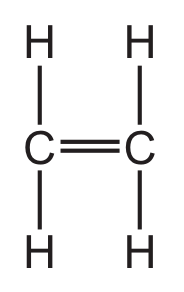
C
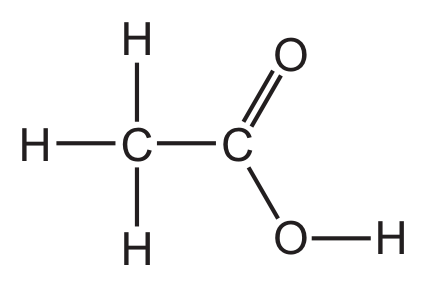
D
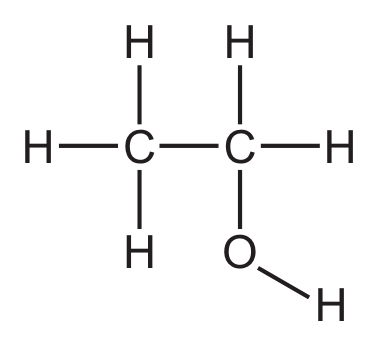
E
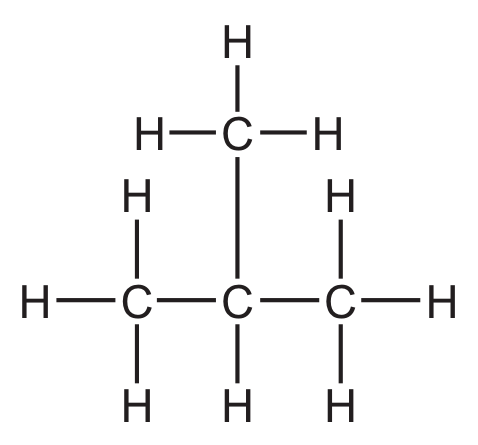
F
Give the name of F.
Gasoline is used as a fuel for cars. It is a mixture of hydrocarbons.
The formula represents two structural isomers, A and B.
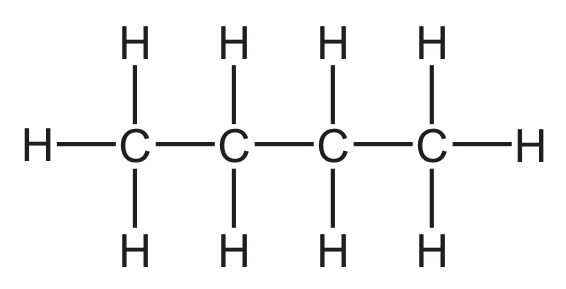
A
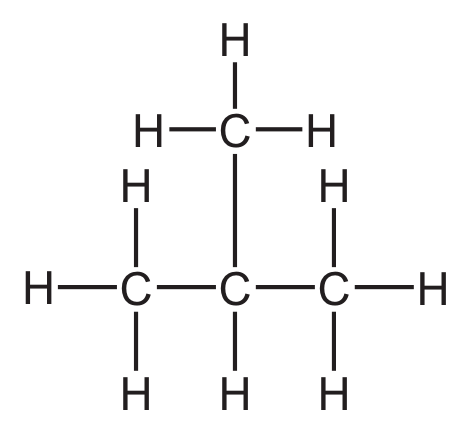
B
Name isomer A.
Ethanol is made industrially by the reaction of ethene with steam. The reaction occurs at a temperature of and a pressure of 60 atmospheres.
A catalyst is used in this reaction.
The forward reaction is exothermic.
Ethanol is a member of the alcohol homologous series.
Members of the same homologous series have the same general formula.
One alcohol containing three carbon atoms is propan-1-ol.
Draw the structure of one other alcohol containing three carbon atoms. Show all of the atoms and all of the bonds.
Name the alcohol you have drawn.
name
When alcohols react with carboxylic acids, esters are produced.
The structure of ester X is shown.
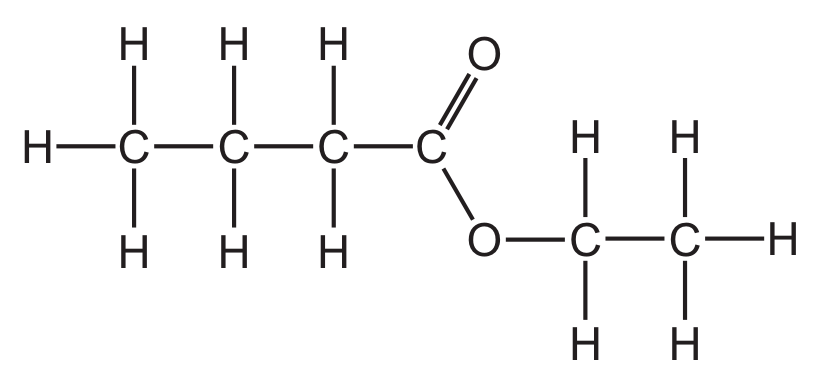
Name ester X.
Methanol is made industrially by reacting carbon monoxide with hydrogen. The gases react at a temperature of and a pressure of 75 atmospheres.
The forward reaction is exothermic.
Methanol is a member of the homologous series of alcohols.
Draw the structures of two different alcohols, each containing three carbon atoms. Show all of the atoms and all of the bonds.
Name these two alcohols.
name
name
Alcohols react with carboxylic acids to produce esters.
The structure of ester X is shown.
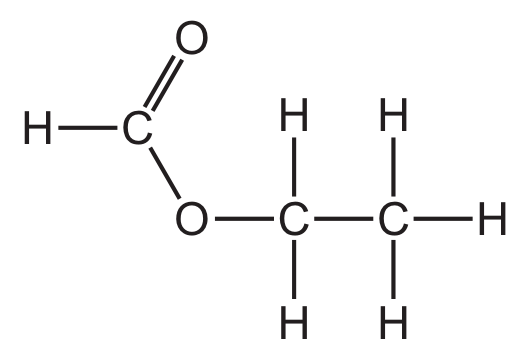
Name ester X.
Ester Y is different from ester X but also has the formula . Draw the structure of ester Y. Show all of the atoms and all of the bonds.
This question is about ethanoic acid, .
Ethanoic acid reacts with methanol to form an ester.
Draw the structure of the ester formed when ethanoic acid reacts with methanol. Show all of the atoms and all of the bonds. Name the ester.
structure
name
A carboxylic acid reacts with an alcohol to produce an ester and water.
Under certain conditions, this reaction can be reversed so an ester reacts with water to produce a carboxylic acid X and an alcohol Y.
The reaction reaches an equilibrium.
The forward reaction is endothermic.
Name the ester.
Name carboxylic acid X and draw its displayed formula.
name
displayed formula
Name alcohol Y and give its structural formula.
name
structural formula
What is the structure of butanoic acid?
What is the structure of propanoic acid?