EduNinja

IGCSE Biology9.1 Circulatory systemsQuestion Bank

Question 1

[Maximum number: 6]

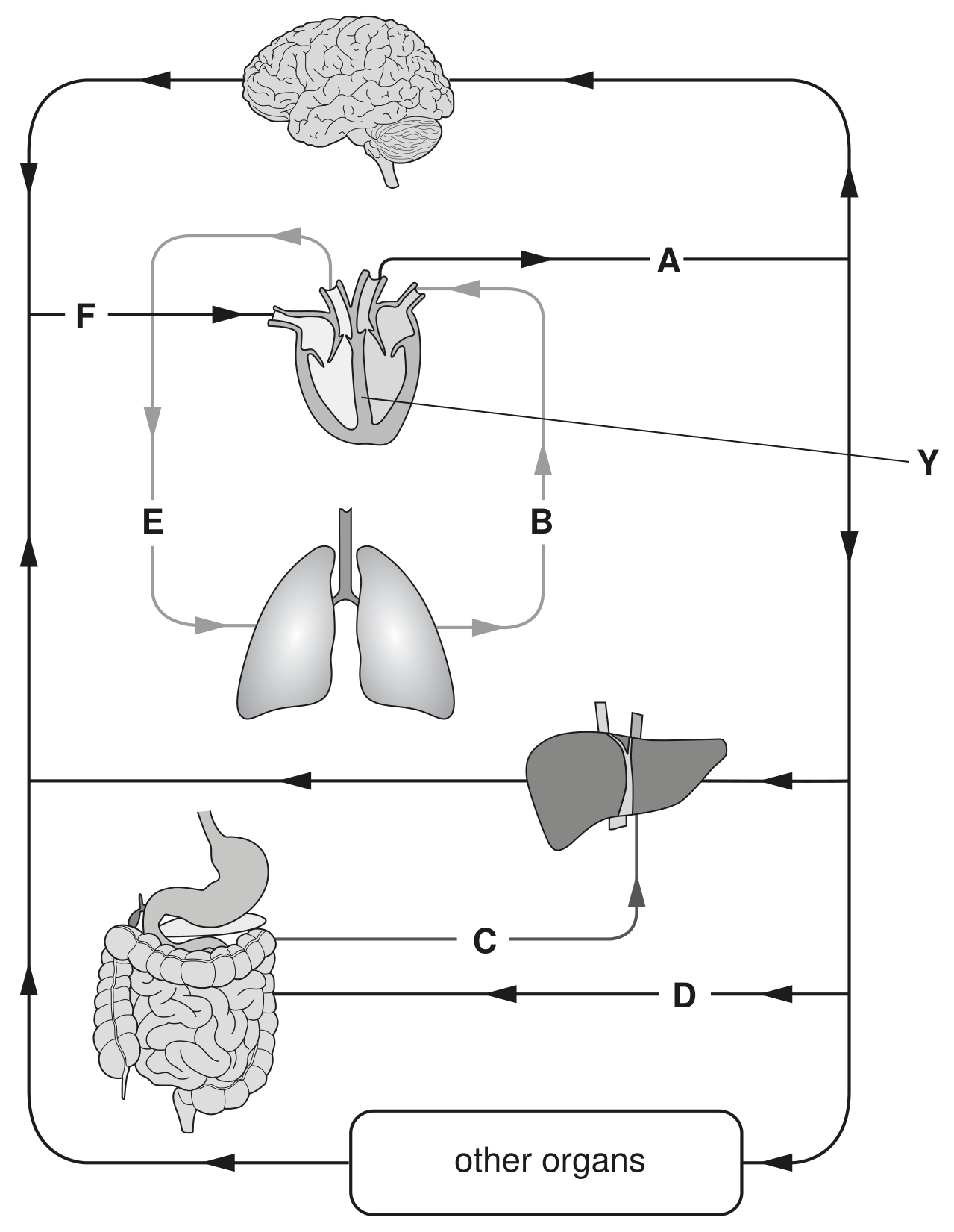
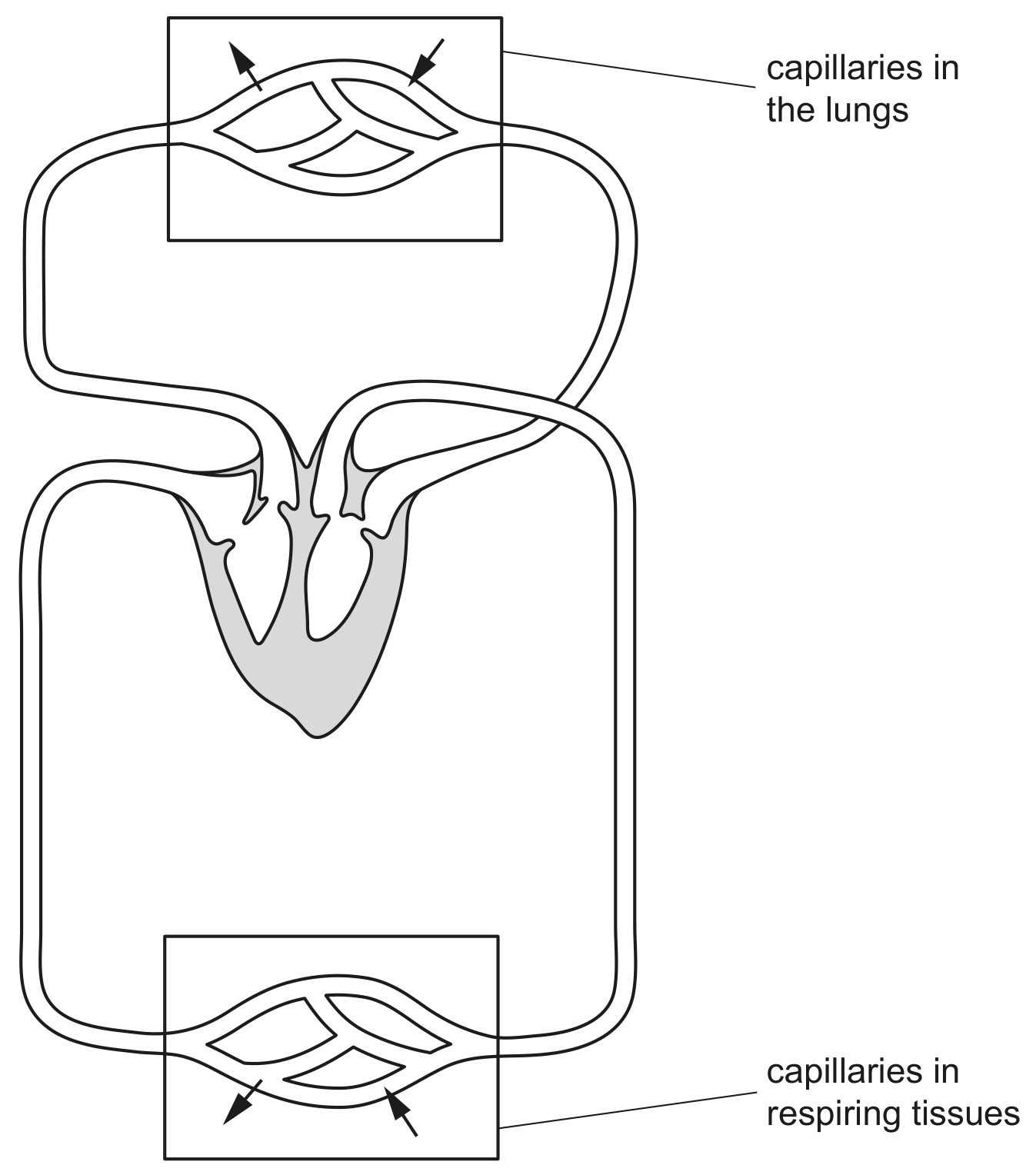
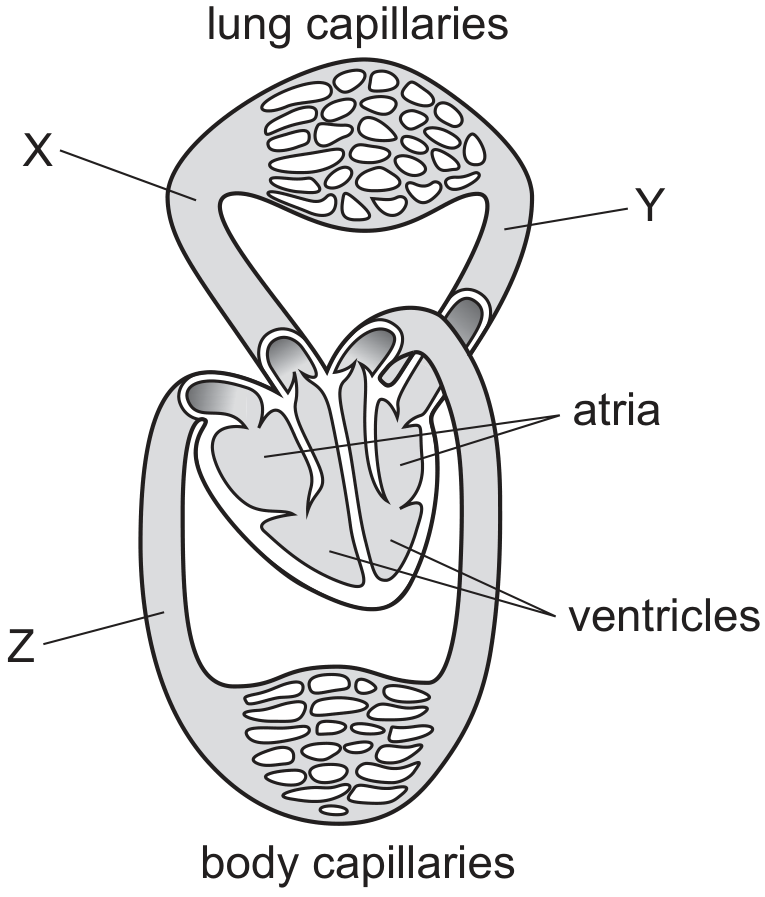
All mammals have a double circulatory system. Fig. 1.1 shows part of the human double circulatory system.
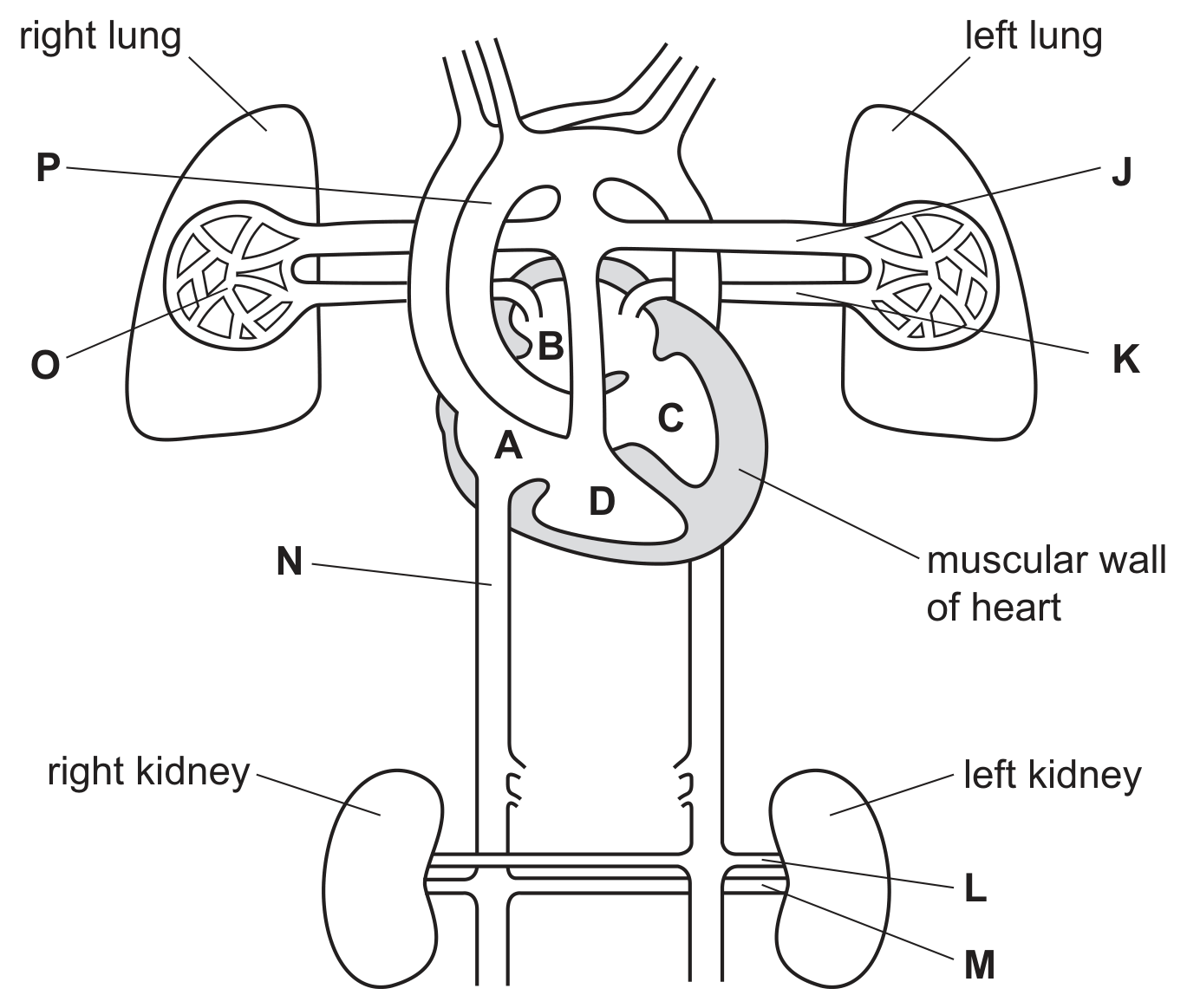
Fig. 1.1

Fig. 1.1

Question 1(b)

Question 1(b)(i)

(a)
(i)

Describe what is meant by the term double circulation.

[ 1 ]

Question 1(b)(ii)

(ii)

State one advantage of a double circulation.

[ 1 ]

Question 1(d)

(b)

Describe how blood is transported from the vena cava to the lungs. You may use the letters on Fig. 1.1 in your description.

[ 4 ]
Question 1

[Maximum number: 1]

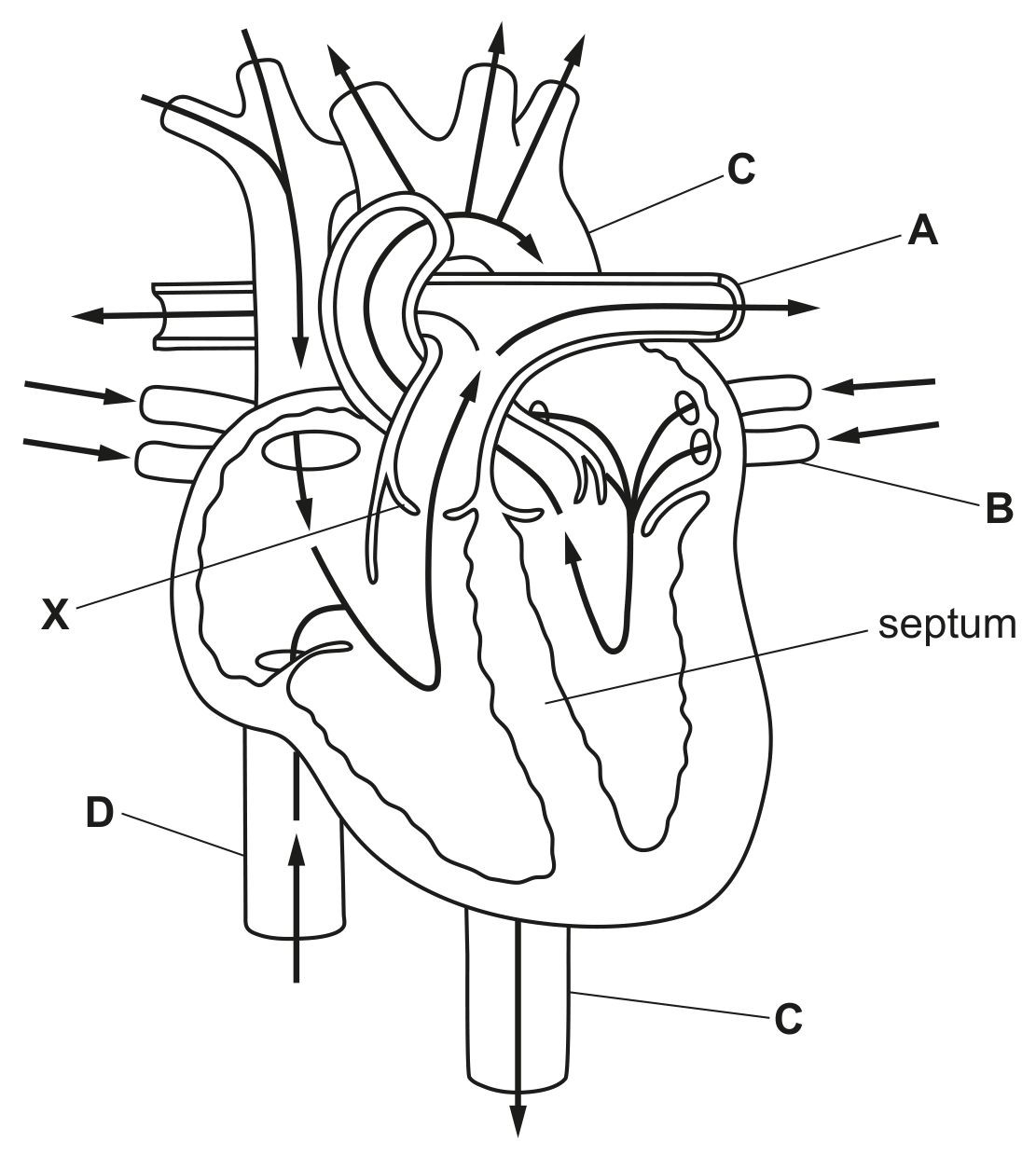
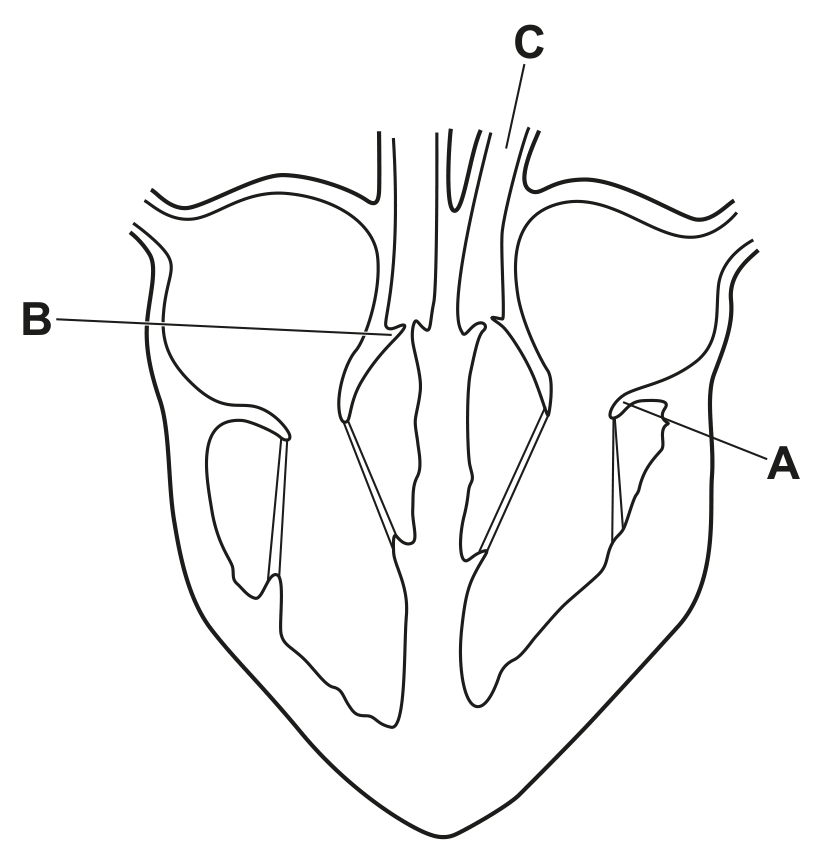
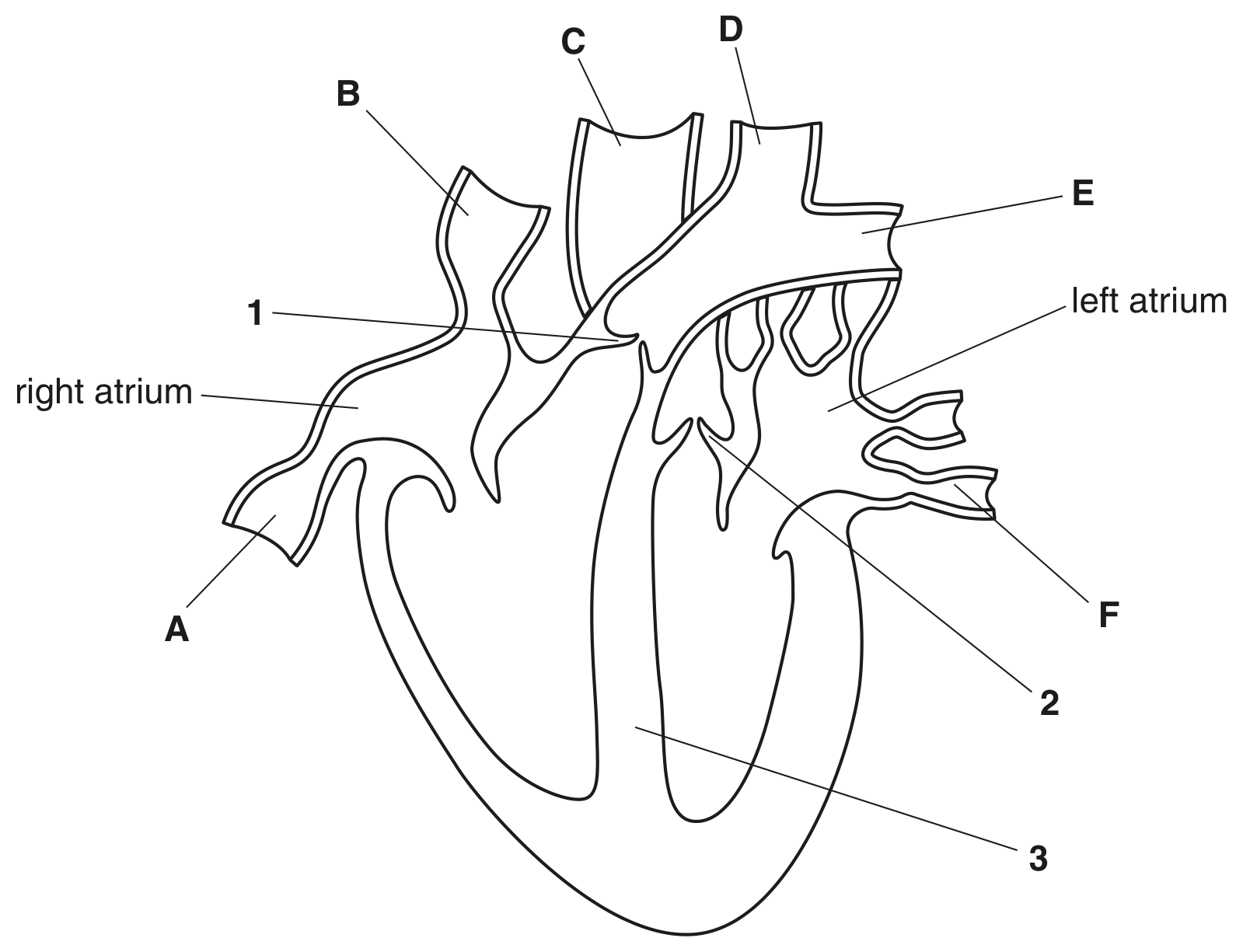
Fig. 1.1 is a diagram of the human heart. The diagram shows the phase during the heart beat when the atria contract. The blood vessels that carry blood to and from the heart are labelled A to F.

Fig. 1.1

Fig. 1.1

Question 1(b)

Question 1(b)(ii)

(a)
(i)

State the function of valves 1 and 2 in the heart.

[ 1 ]

Question 1

Question 1(a)

(a)

Fig. 1.1 is a simplified diagram of the circulatory system in humans.

Fig. 1.1

Fig. 1.1

[ 2 ]

Question 1(a)(v)

(i)

State the evidence from Fig. 1.1 that the diagram shows a double circulation system.

[ 2 ]

Question 1

Question 1(c)

(a)

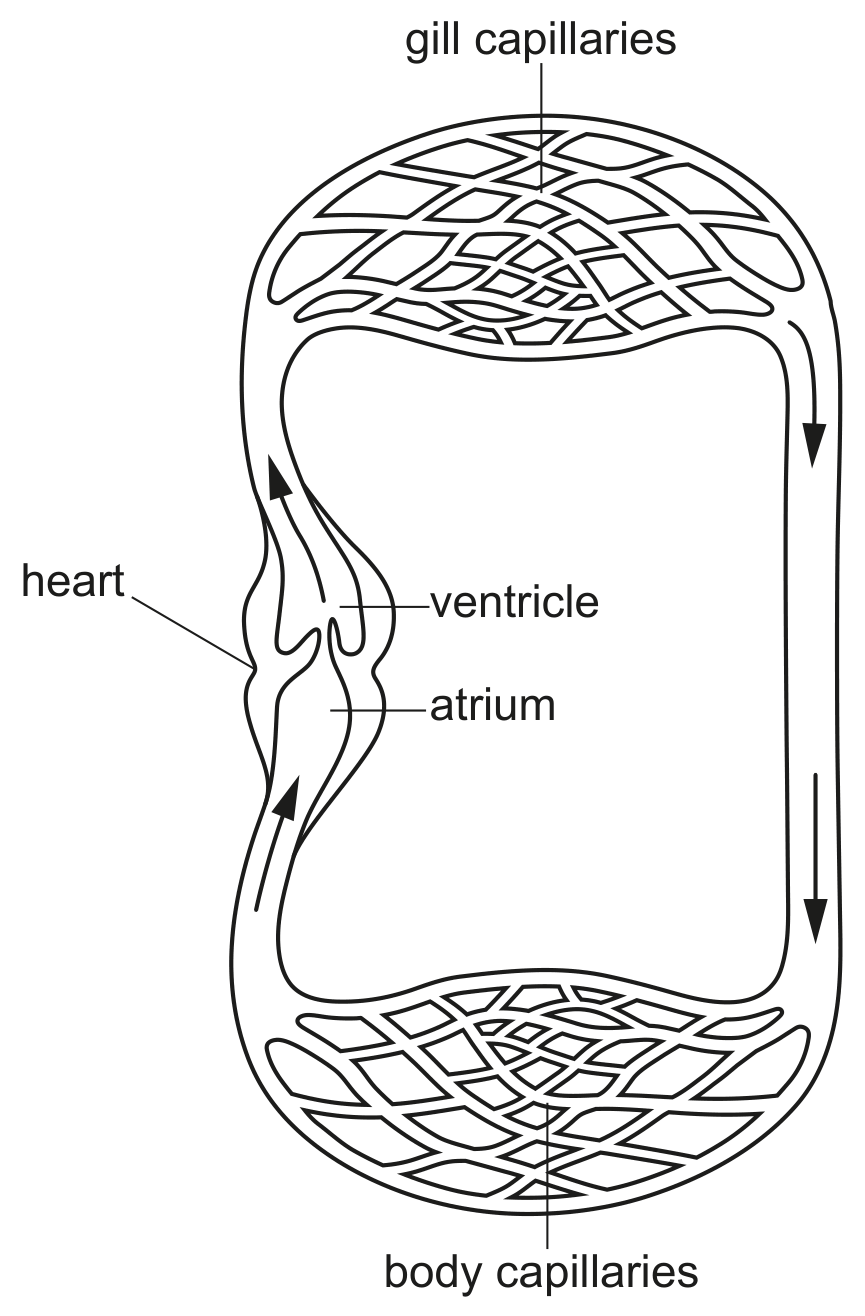
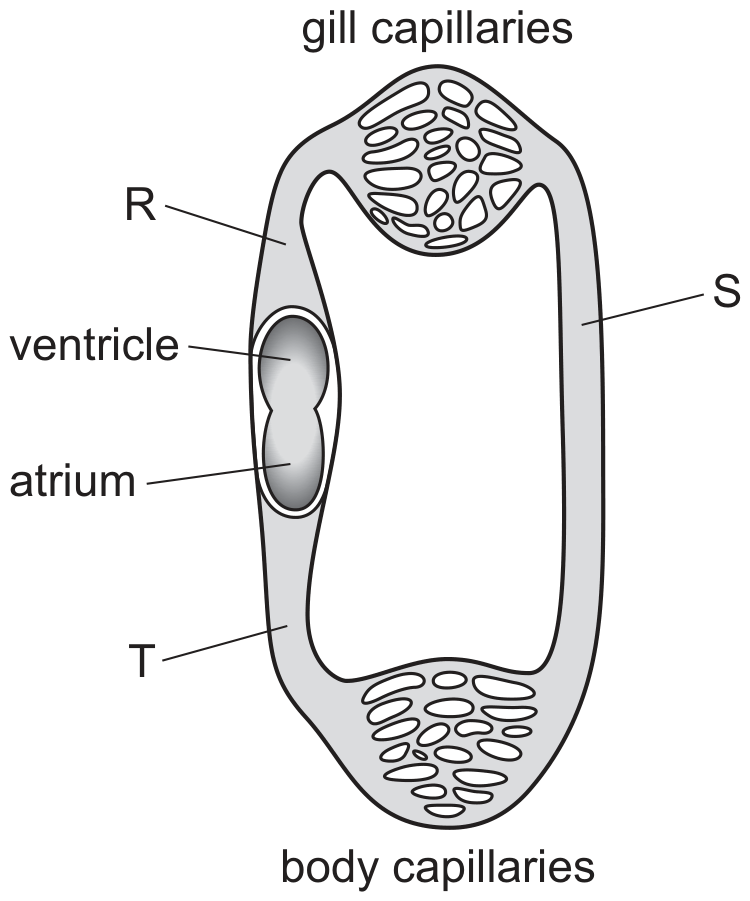
Fig. 1.3 shows the circulatory system of a fish.

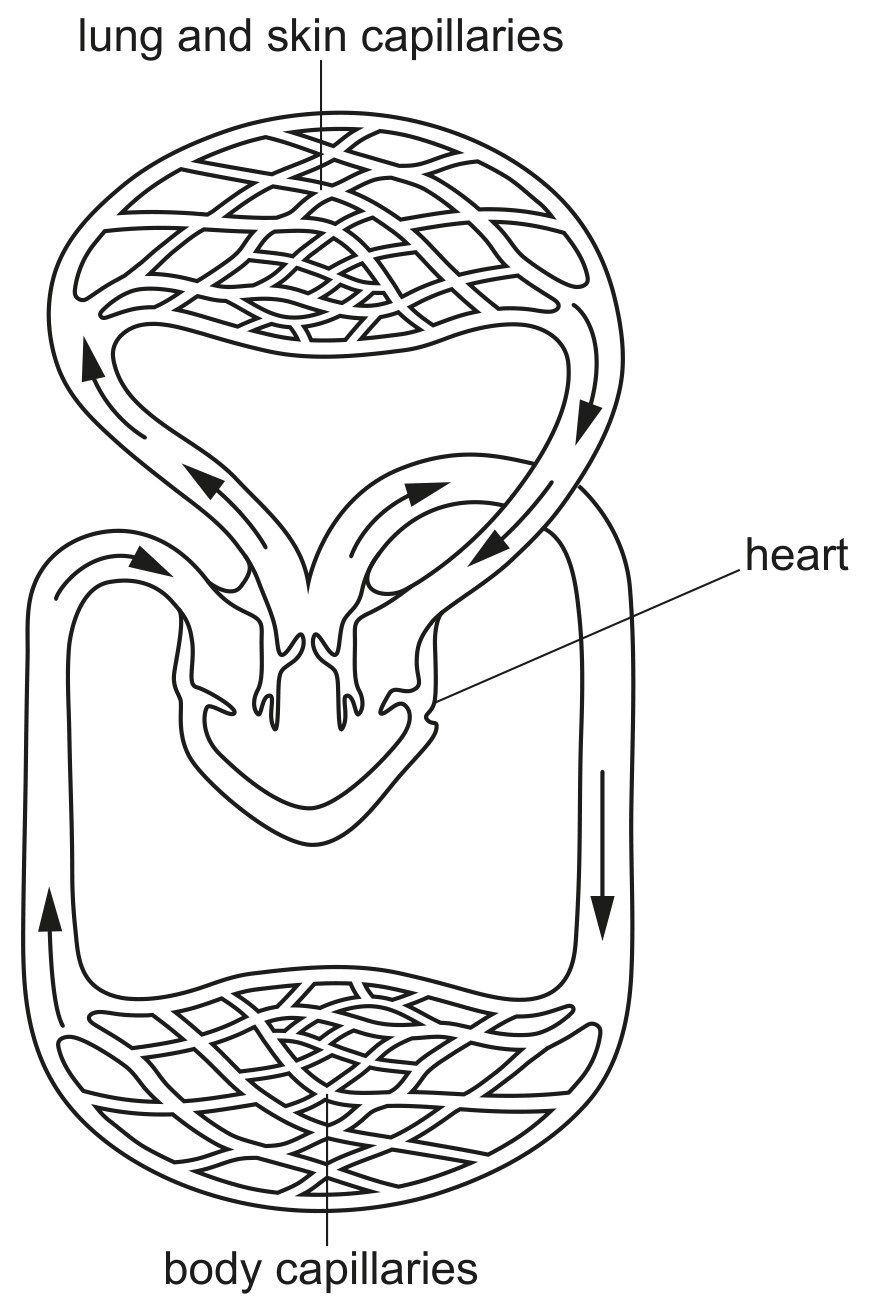
Fig. 1.4 shows the circulatory system of an amphibian.

Fig. 1.4 shows the circulatory system of an amphibian.

Fig. 1.4

Fig. 1.4

Describe the similarities and the differences between the circulatory systems of the fish and the amphibian in Fig. 1.3 and Fig. 1.4.

[ 4 ]

Question 1(d)

(b)

Explain the advantages of the type of circulatory system in mammals compared with the type of circulatory system in fish.

[ 3 ]

Question 2

[Maximum number: 6]

Mammals have a double circulation.
Fig. 2.1 is a diagram of a section through the heart of a mammal. The arrows show the direction of blood flow through the heart and blood vessels.

Fig. 2.1

Fig. 2.1

Question 2(b)

(a)

Fig. 2.2 is a diagram that shows the double circulation of a mammal. The arrows indicate the movement of oxygen and carbon dioxide in and out of the blood.

Fig. 2.2

Fig. 2.2

[ 6 ]

Question 2(b)(ii)

(i)

Describe the evidence shown in Fig. 2.2 that the mammal has a double circulatory system.

[ 2 ]

Question 2(b)(iii)

(ii)

Explain the advantages of a double circulation.

[ 4 ]

Question 2

[Maximum number: 2]

Fig. 2.1 shows a cross-section of a human heart.

Fig. 2.1

Fig. 2.1

Question 2(a)

Question 2(a)(iii)

(a)
(i)

Complete the sentence about blood vessel C.

Blood vessel C transports blood from the to the

[ 2 ]

Question 3

[Maximum number: 6]

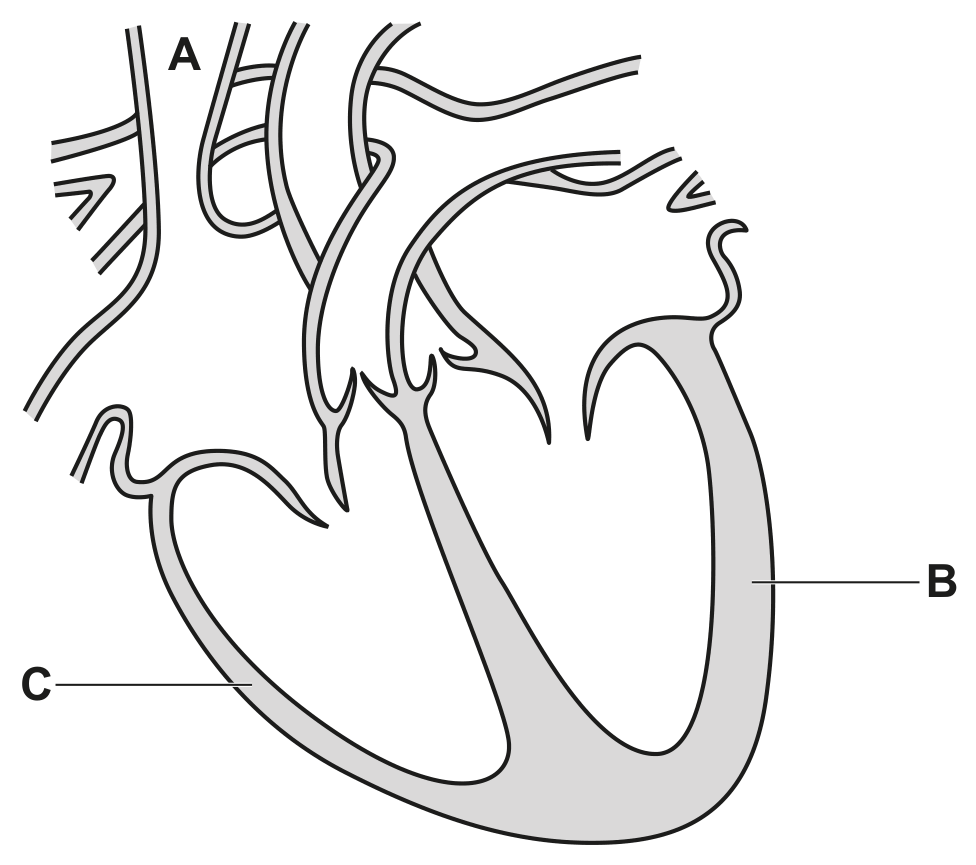
Fig. 3.1 is a diagram of a section through a human heart.

Fig. 3.1

Fig. 3.1

Question 3(c)

(a)

A red blood cell enters the vena cava at A in Fig. 3.1.

Explain how the red blood cell is moved from the vena cava to the aorta.

[ 6 ]

Question 17

[Maximum number: 1]

Which pathway is taken by blood in a fish?

A

gills → heart → body → gills

B

body → gills → heart → body

C

heart → gills → body → heart

D

heart → body → gills → body

Question 17

[Maximum number: 1]

The diagrams show the single circulation of a fish and the double circulation of a mammal.

fish circulation

fish circulation

mammal circulation

mammal circulation

Which letters represent areas of oxygenated blood?

A

R and X

B

S and Y

C

T and Y

D

T and Z

Question 17

[Maximum number: 1]

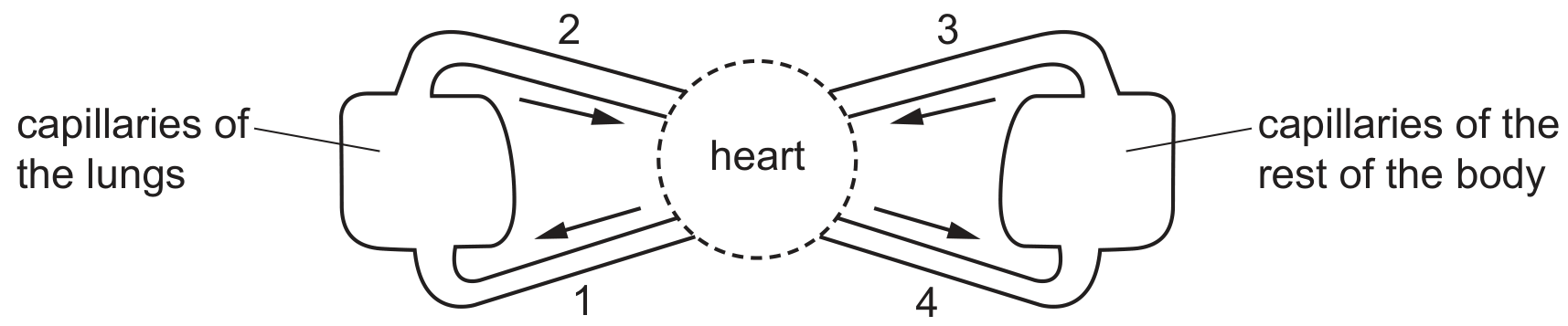
The diagram shows a circulatory system.

Question image

Which vessels carry oxygenated blood?

A

1 and 2

B

1 and 4

C

2 and 3

D

2 and 4

0 selected