Question 1(b)(i)
[Maximum number: 2]
Wheat is a crop plant grown to produce flour.
Farmers grow crop plants such as wheat to provide food.
State two types of natural event that could cause widespread food shortages.
1
2
 EduNinja
CAIE IGCSE Biology 20.2 Habitat destruction question practice helps you revise this syllabus point with the course map in view. Use this page to focus on one topic, check the style of questions available, and connect each attempt back to the knowledge area it is testing.
EduNinja keeps Biology practice aligned to CAIE, so you can move from topic review into exam-style question bank work without losing the syllabus structure. Start with a small set, mark the weak steps, then return to nearby topic links when a definition, graph, calculation, or explanation needs repair.
Wheat is a crop plant grown to produce flour.
Farmers grow crop plants such as wheat to provide food.
State two types of natural event that could cause widespread food shortages.
1
2
Intensive livestock production can be damaging to natural ecosystems.
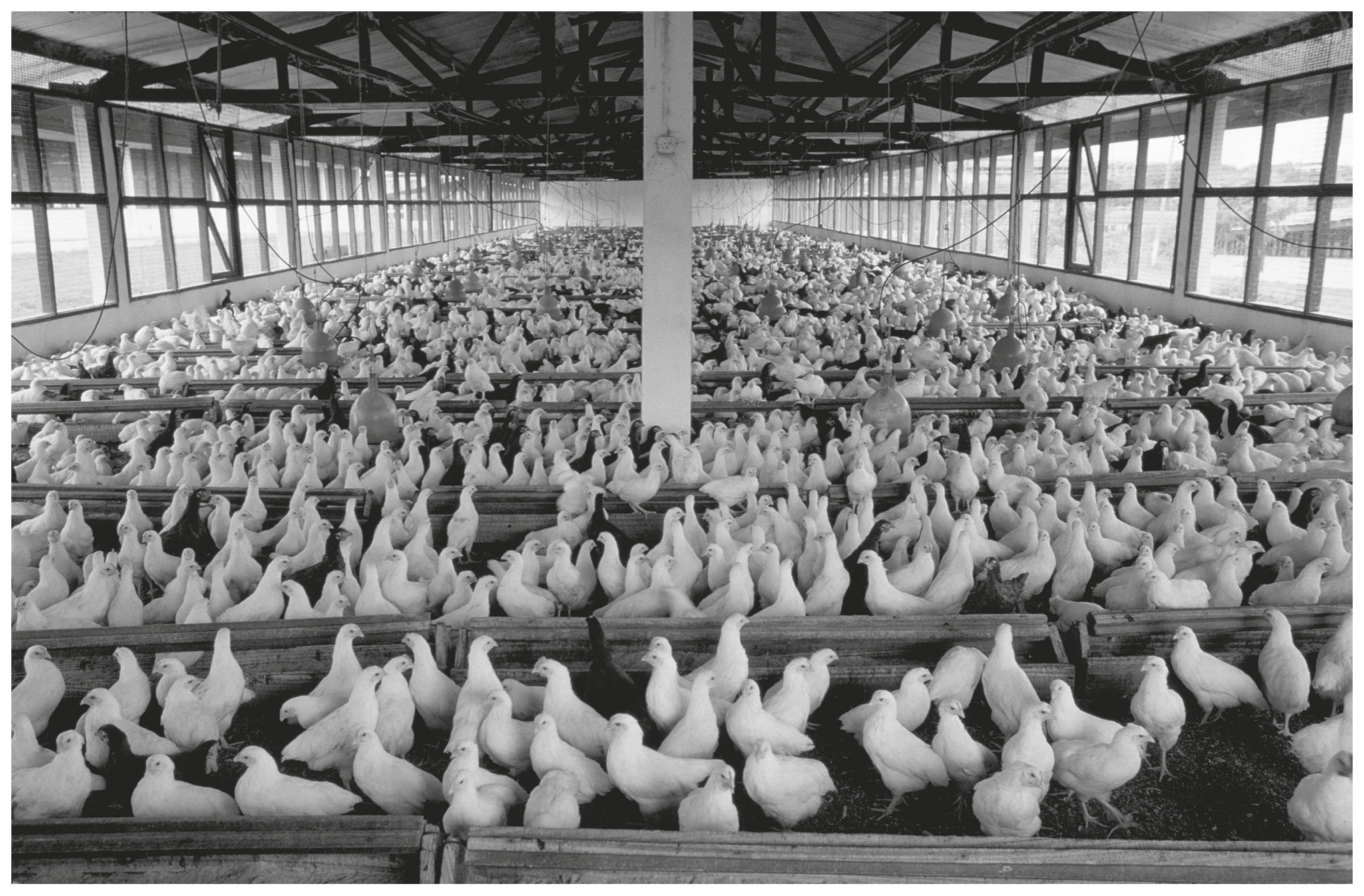
Fig. 3.3 shows intensive farming of chickens.
Forests are cleared for farmland. Deforestation can lead to a loss of soil (soil erosion). Explain the effects of soil erosion on ecosystems.
Fig. 3.1 shows the estimated growth of the global human population between the 1860s and 2010s.
It also shows the estimated number of people that were affected by famines between these dates.
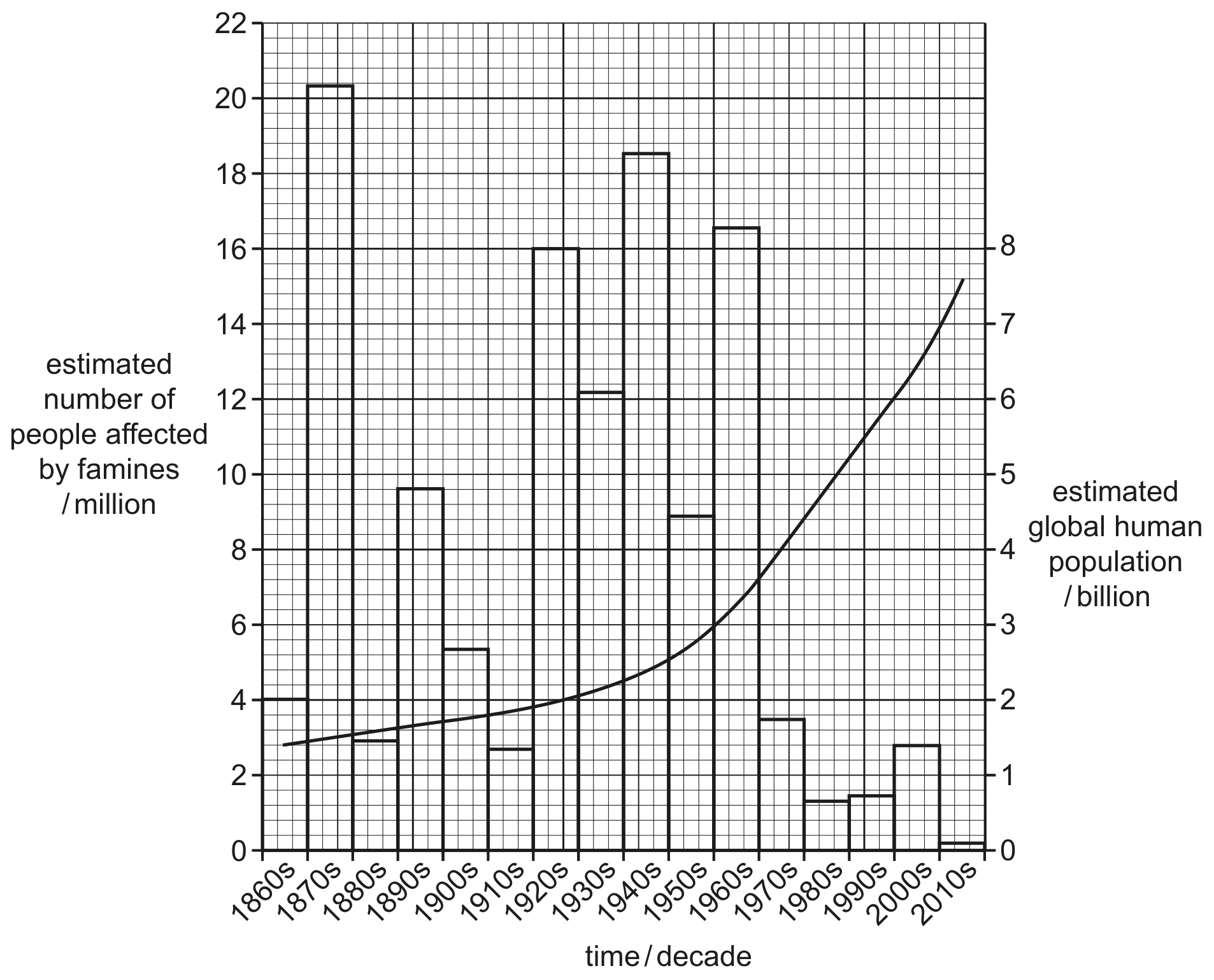
Fig. 3.1
1 billion = 1000000000
Key: estimated number of people affected by famines estimated global human population
An increase in the size of the human population can cause famine.
Describe other factors that could have caused famines since the 1970 s .
Table 4.1 shows the number of hectares of forested area in some countries in Africa in the years 1990, 2000 and 2005.
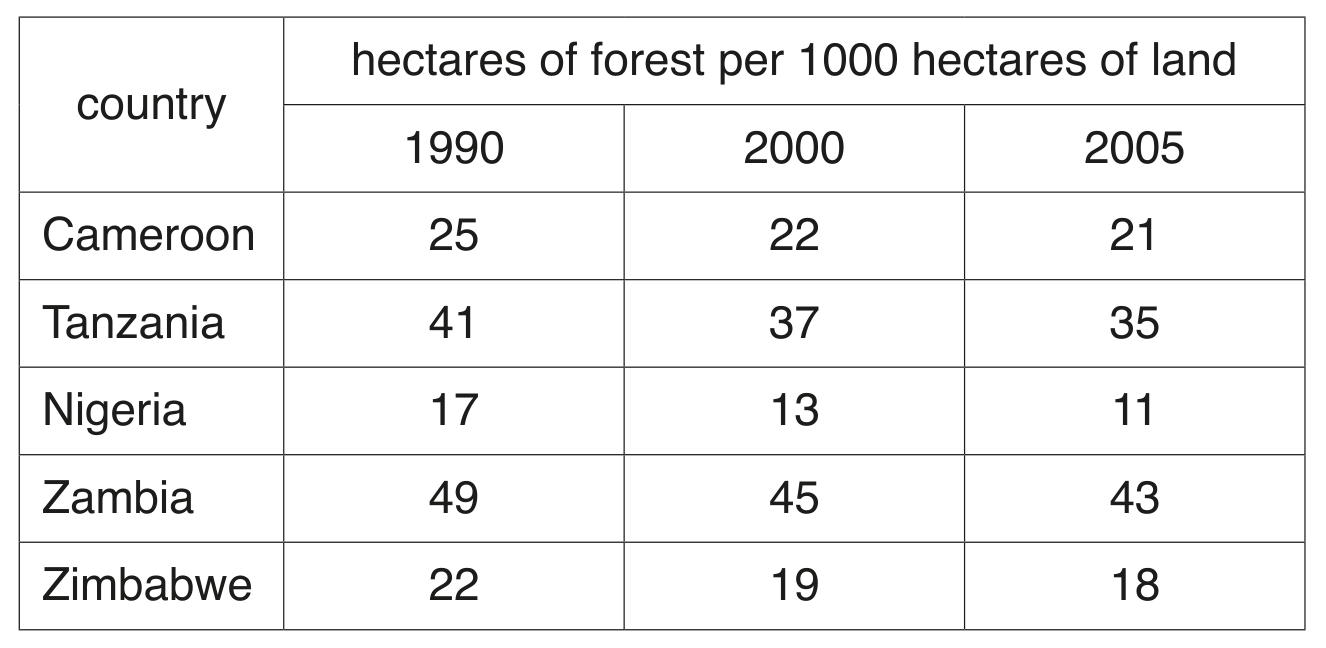
Table 4.1
Calculate the percentage loss of forested area in Nigeria between 2000 and 2005.
Show your working and give your answer to the nearest whole number.
Describe the consequences of deforestation on the animals that live in forests.
Giant rats eat coconuts.
Coconuts are grown as a monoculture for human consumption.
Suggest how monocultures of crop plants can result in the extinction of some animals.
Acid rain has destroyed many forests including the forest shown in Fig. 3.1.
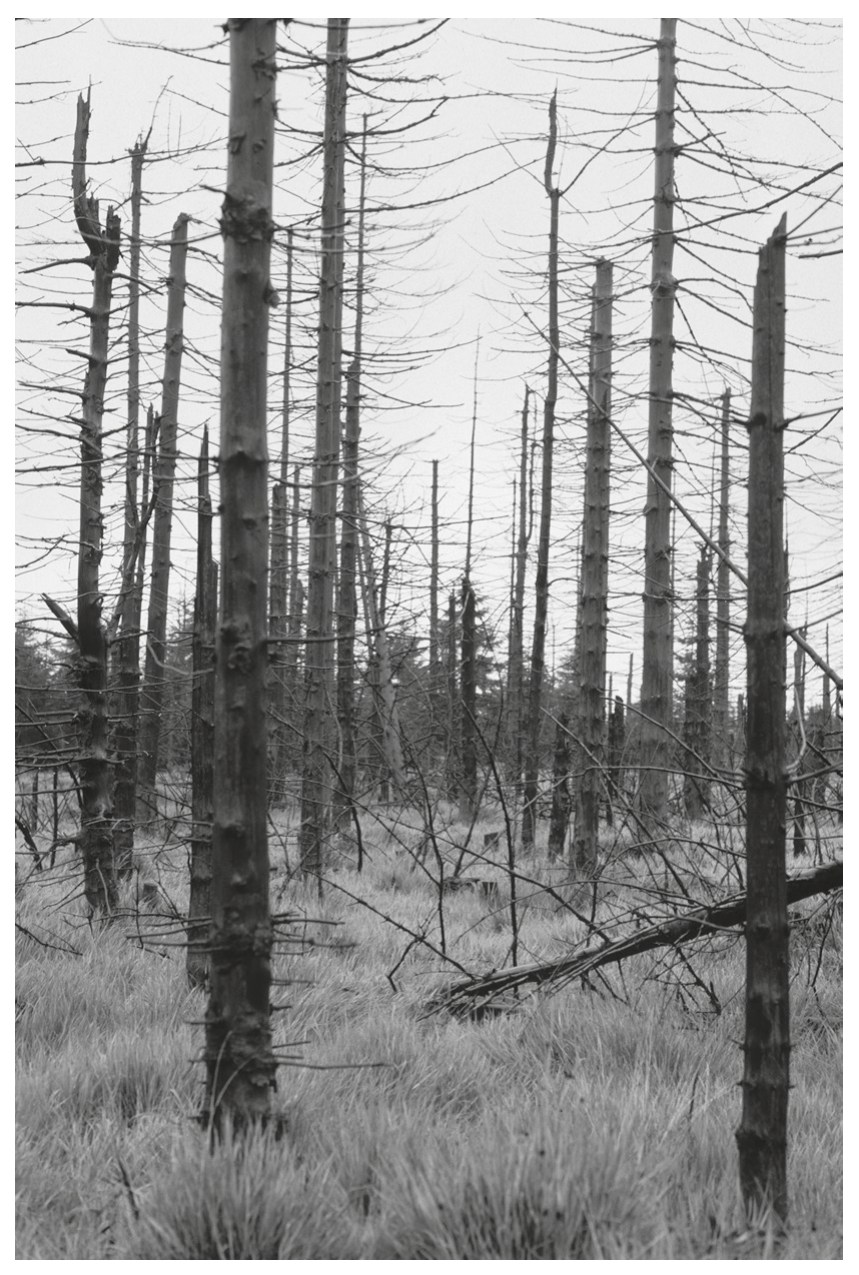
Fig. 3.1
Explain the negative consequences to the environment of destroying forests.
The graph shows how smoking different numbers of cigarettes for different lengths of time affects the risk of lung cancer.
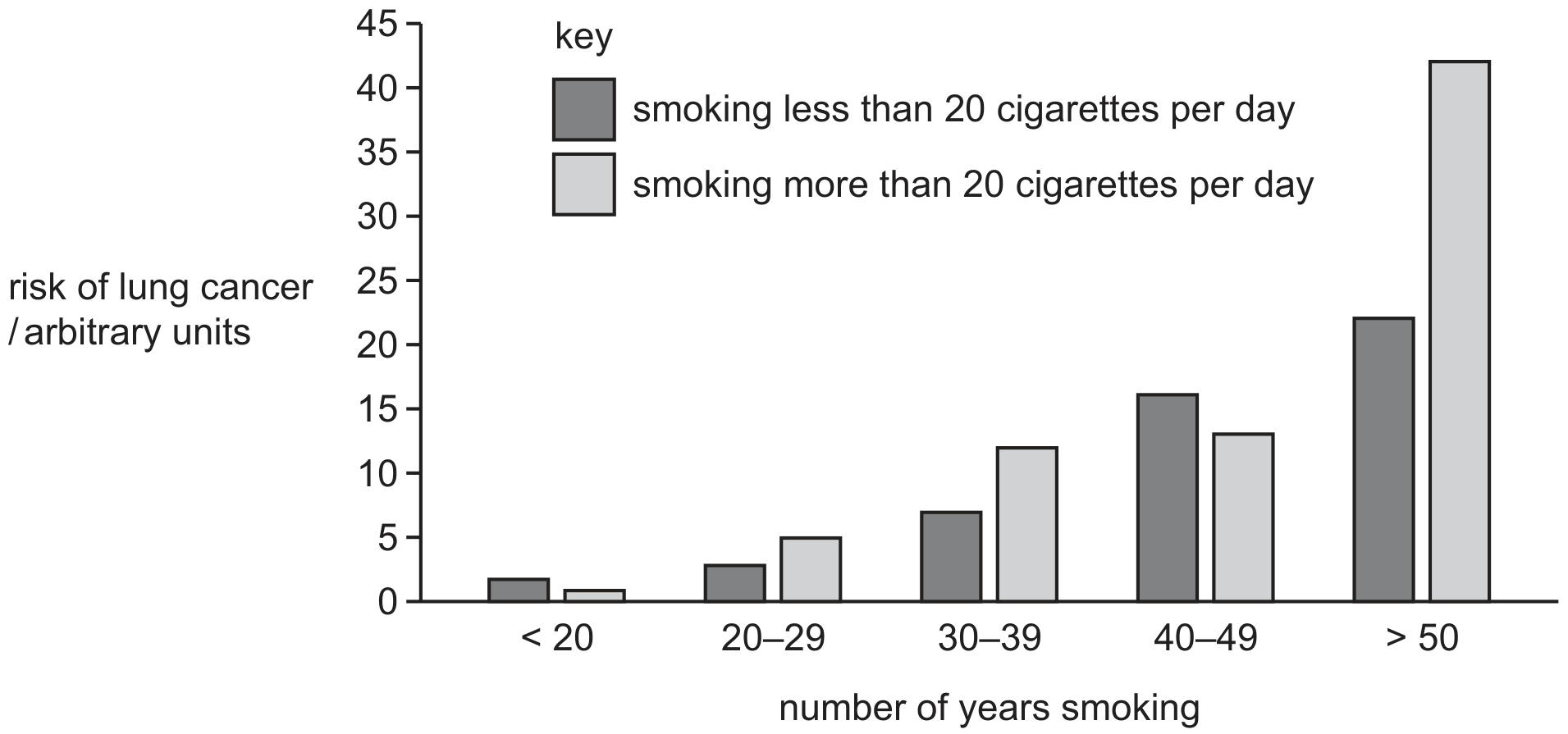
Which conclusions are supported by the data in the graph?
1 Smoking more than 20 cigarettes per day always increases the risk of lung cancer more than smoking less than 20 cigarettes per day.
2 Smoking cigarettes for more years increases the risk of lung cancer.
3 Smoking more than 20 cigarettes per day for more than 50 years has the highest risk of lung cancer.
1, 2 and 3
1 and 2 only
1 and 3 only
2 and 3 only
The Mulanje cedar, Widdringtonia whytei, is the national tree of Malawi. This species of tree grows naturally only on Mount Mulanje in Malawi. Many of the trees have been overharvested or destroyed by wildfires, resulting in deforestation, as shown in Fig. 5.1.
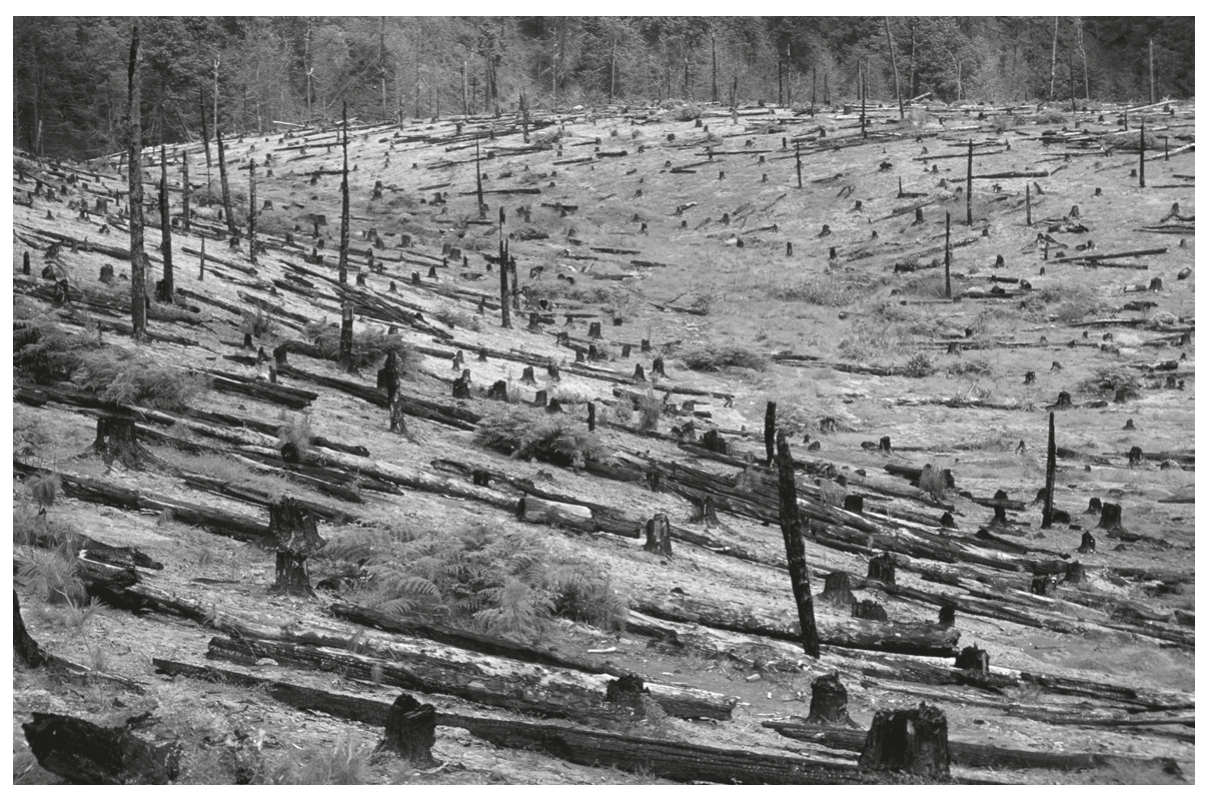
Fig. 5.1
Explain the undesirable effects of deforestation on habitats that are on mountains, such as Mount Mulanje.
Forest ecosystems are threatened by many human activities.
Describe reasons why people cut down forests.
Fig. 5.1 shows an area of forest where some of the trees have been cut down.
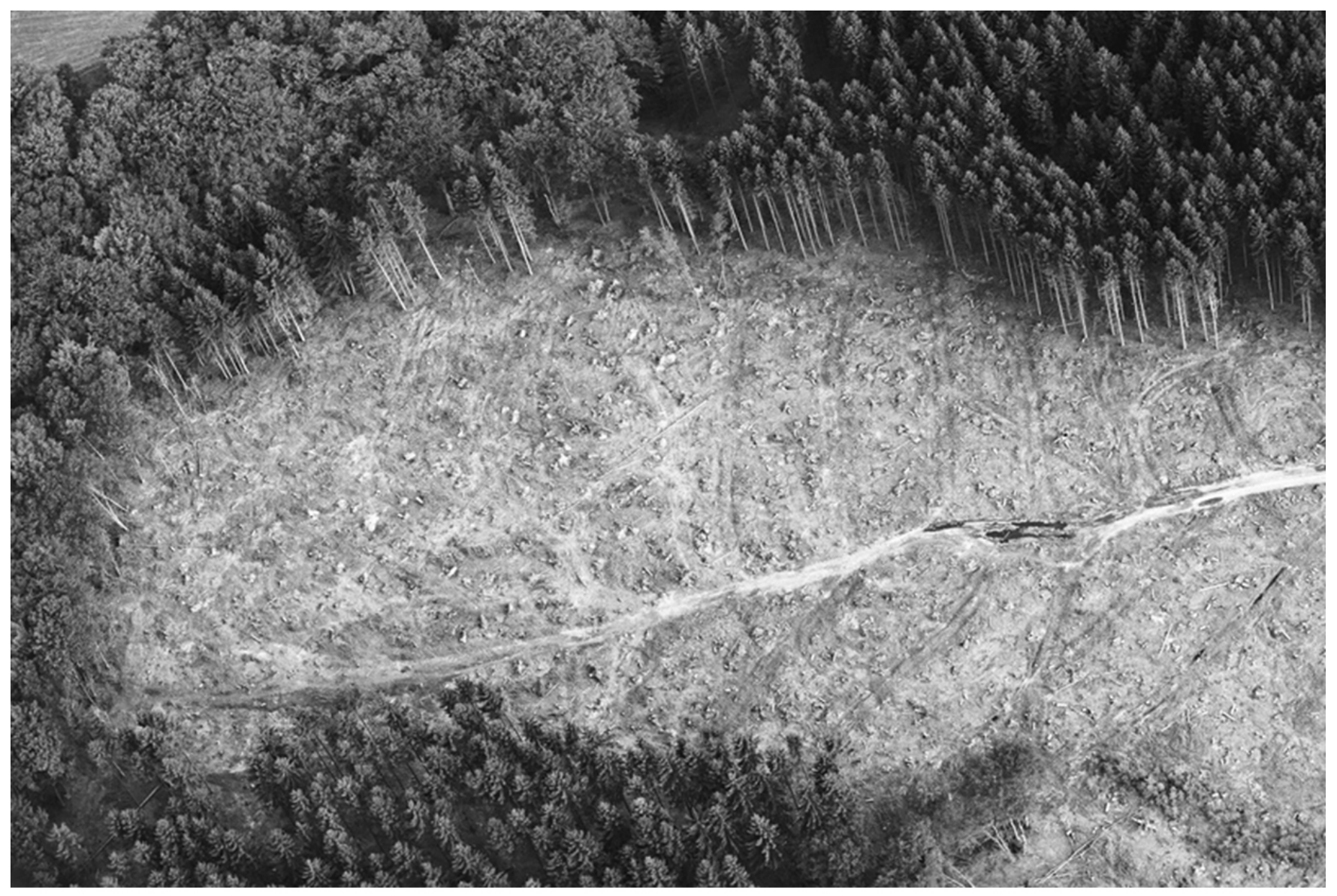
Fig. 5.1
Explain the reasons why forests may be cut down as shown in Fig. 5.1.
Discuss the effects of deforestation on areas of land.