EduNinja

IB ESS SL7.3 Solid wasteQuestion Bank

Question 1

[Maximum number: 7]
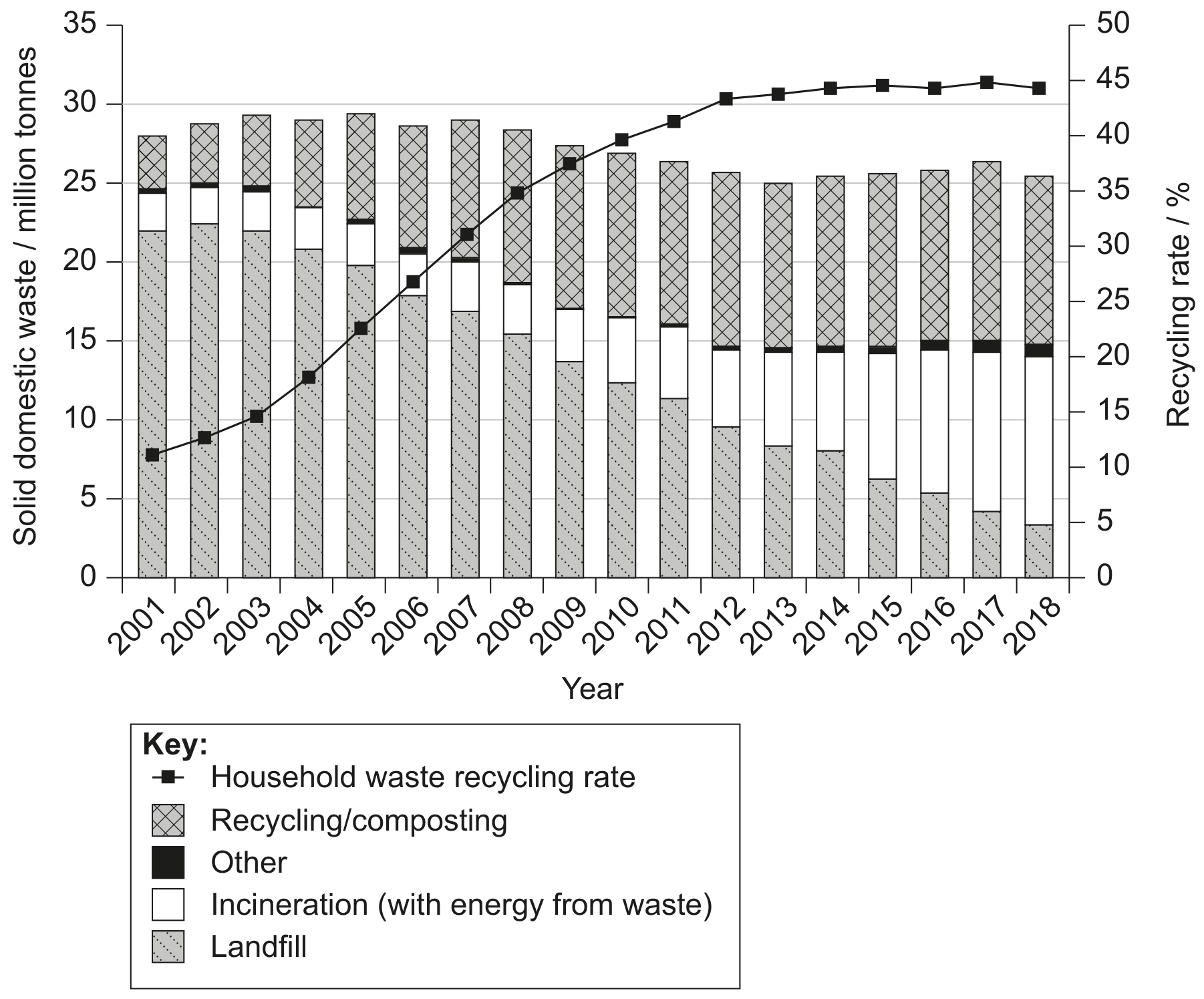
Figure 1: Management of solid domestic waste in England, 2001-2018

Figure 1: Management of solid domestic waste in England, 2001-2018

Question 1(a)

(a)

With reference to Figure 1, identify the recycling rate in England in 2018.

[ 1 ]

Question 1(b)

(b)

Outline one reason for the shape of the recycling rate curve from 2013 to 2018.

[ 1 ]

Question 1(c)

(c)

Estimate the reduction in solid domestic waste (in million tonnes) going to landfill from 2001 to 2018.

[ 1 ]

Question 1(d)

(d)

Describe three reasons why the proportion of solid domestic waste being recycled/ composted and incinerated has changed.

[ 3 ]

Question 1(e)

(e)

Outline one reason why there has been an overall change in recorded total solid domestic waste between 2001 and 2018.

[ 1 ]
Question 1

Question 1(a)

Question 1(a)(i)

(a)
(i)

State one type of solid domestic waste management strategy.

[ 1 ]

Question 1(a)(ii)

(ii)

Outline one advantage and one disadvantage of the strategy named in 1(a)(i).

Advantage:

Disadvantage:

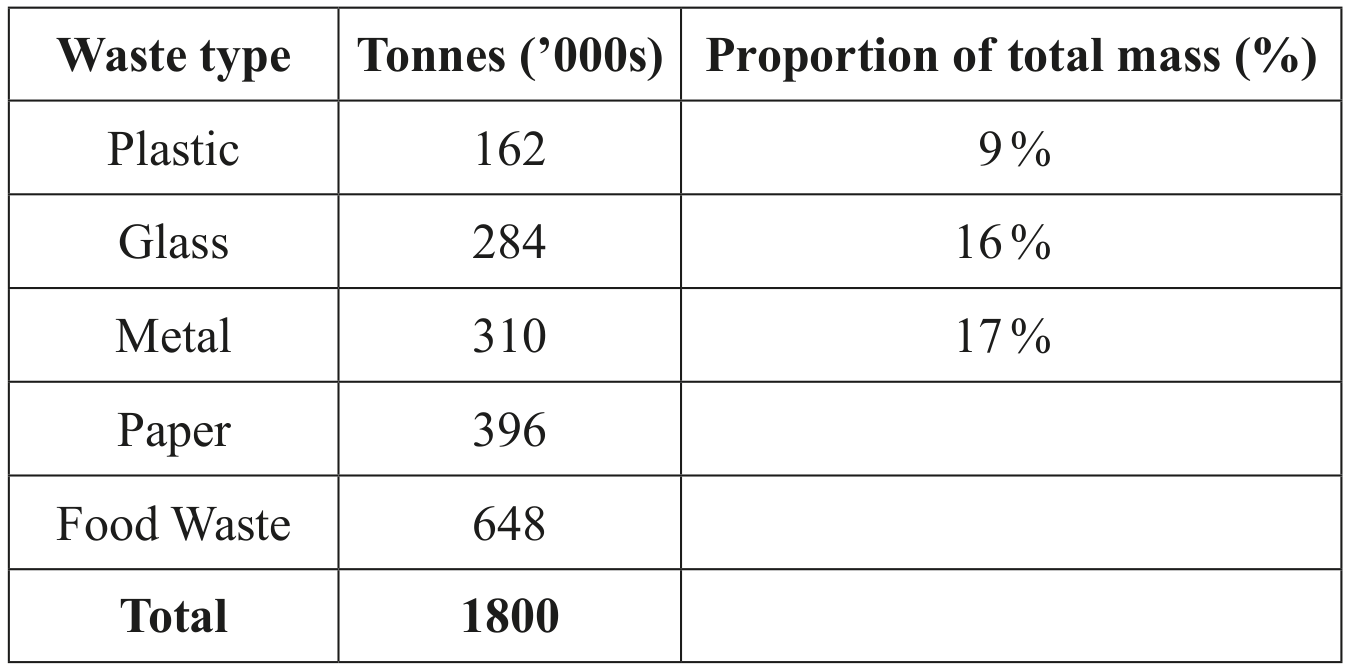
The table shows solid domestic waste data for the state of Victoria, Australia in 2006-2007.

Table
[ 2 ]

Question 1(b)

Question 1(b)(i)

(b)
(i)

From the data, calculate the proportion of paper and of food waste as a percentage of the total.

Enter these two values in the table above.

[ 1 ]

Question 1(b)(ii)

(ii)

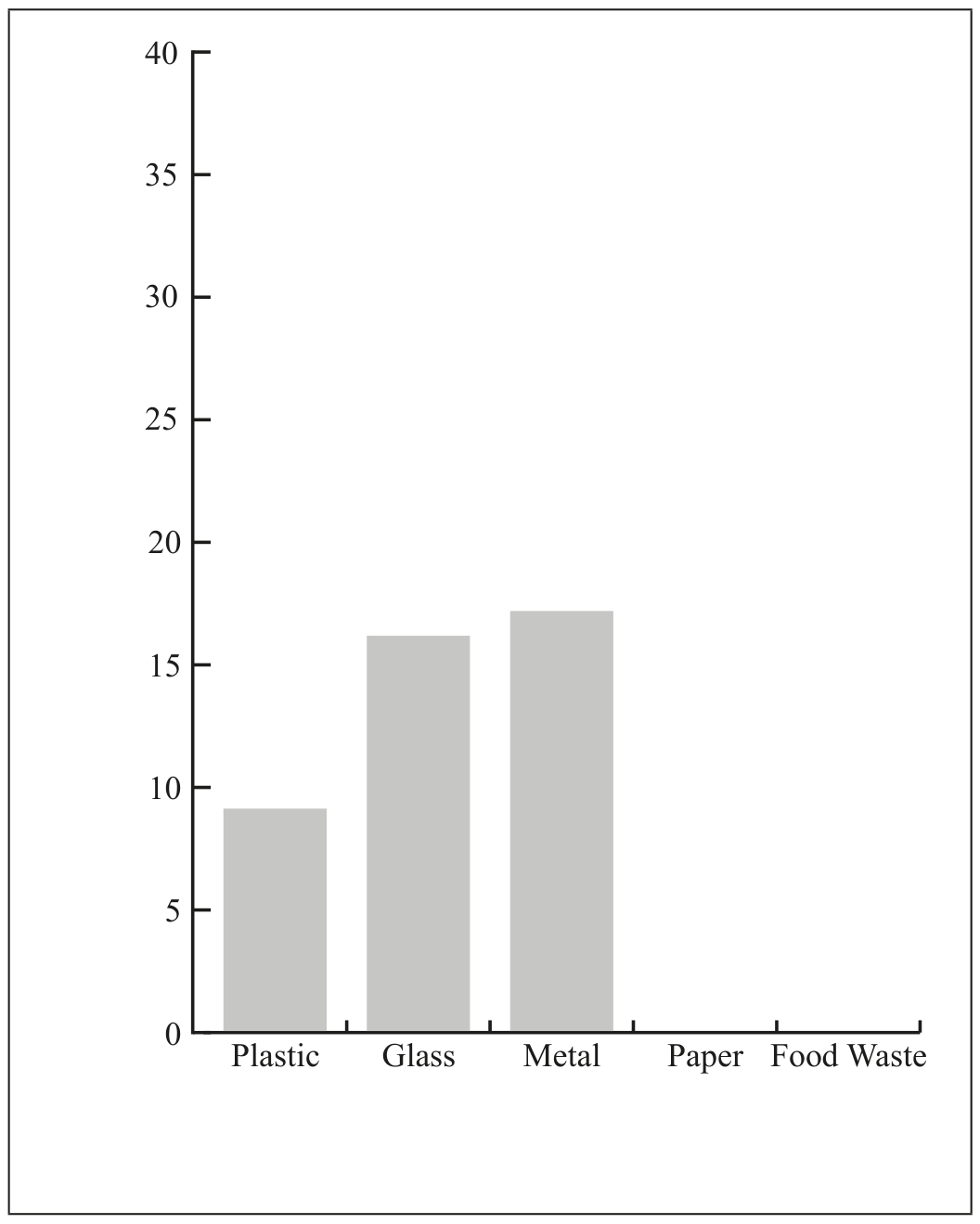
Complete the following bar chart by using the data calculated in (b)(i). Label the chart correctly.

Question image
[ 2 ]

Question 2

[Maximum number: 7]
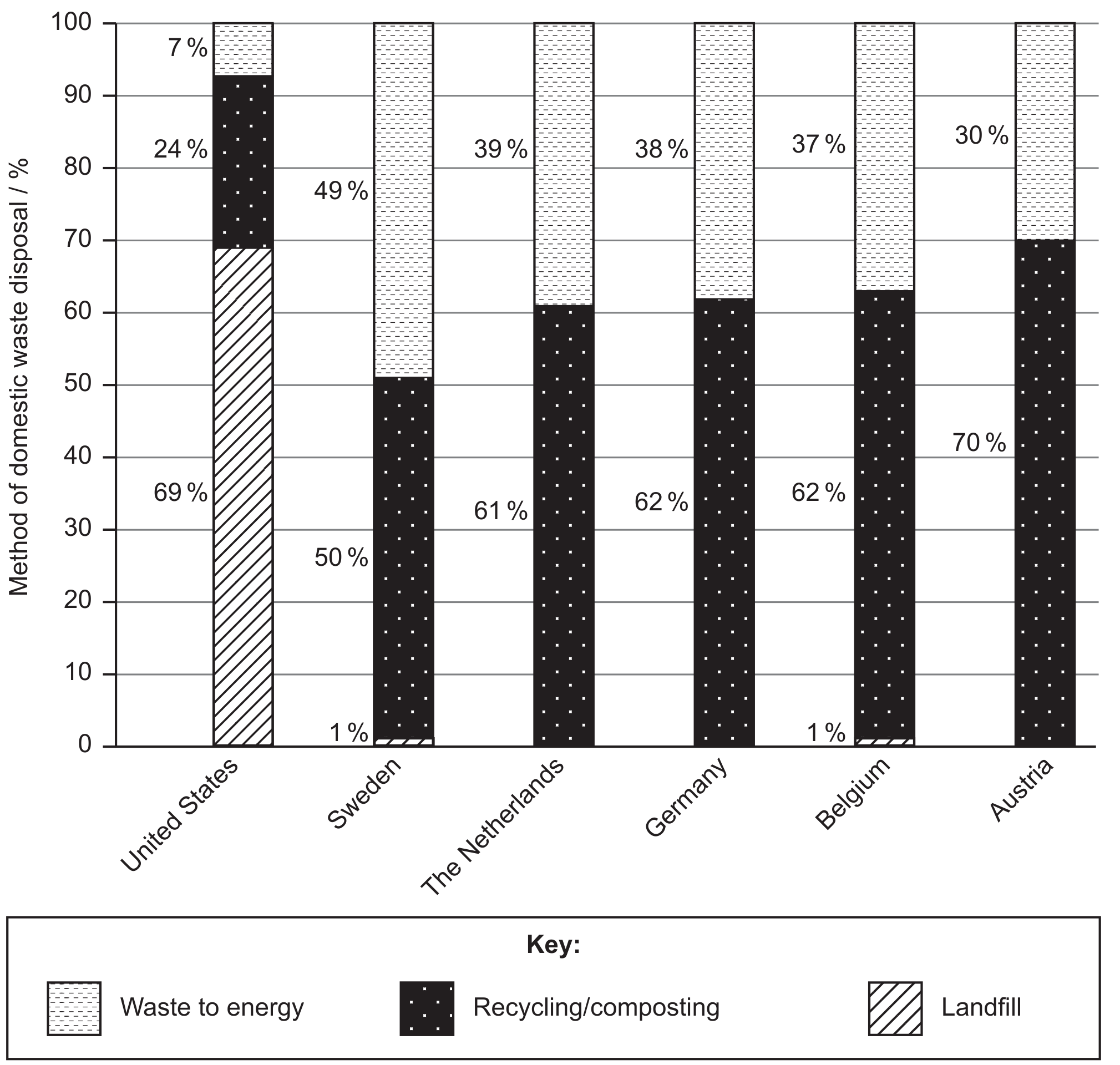
Figure 2: Methods of domestic waste disposal for selected countries

Figure 2: Methods of domestic waste disposal for selected countries

Question 2(a)

(a)

With reference to Figure 2, state the country that has the highest level of recycling/composting.

[ 1 ]

Question 2(b)

(b)

Outline two possible reasons for greater use of landfills in the United States compared with the European countries shown in Figure 2.

[ 2 ]

Question 2(c)

(c)

Outline two strategies for reducing the environmental impact of landfill sites.

[ 2 ]

Question 2(d)

(d)

Identify two problems associated with one of the waste disposal choices of Germany.

[ 2 ]

Question 2

[Maximum number: 3]

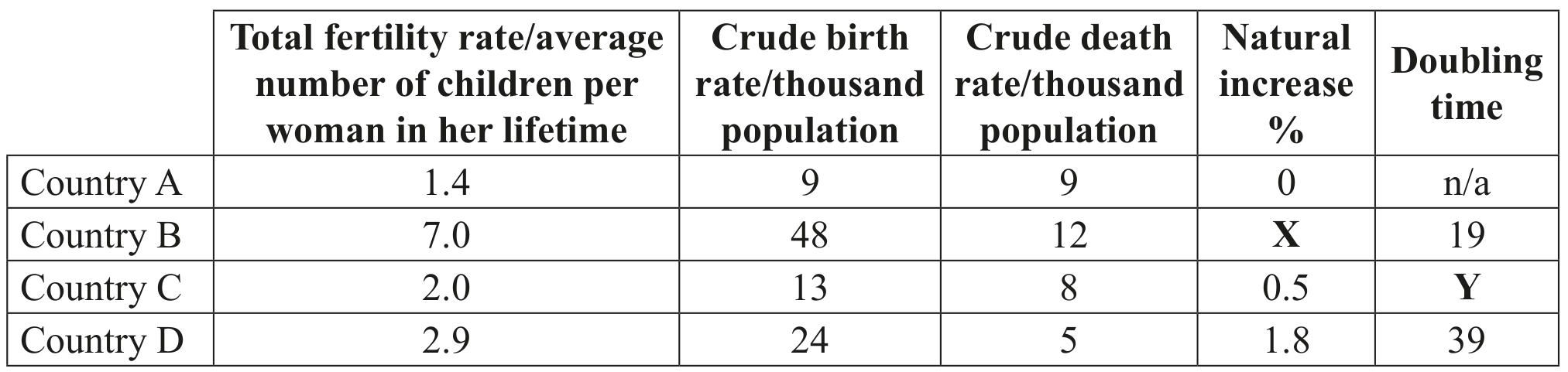
Figure 2 below shows a table of demographic data for four countries around the world.

Figure 2

Figure 2

Question 2(c)

(a)

Suggest how recycling can reduce the ecological footprint of a school.

[ 3 ]

Question 3

[Maximum number: 4]
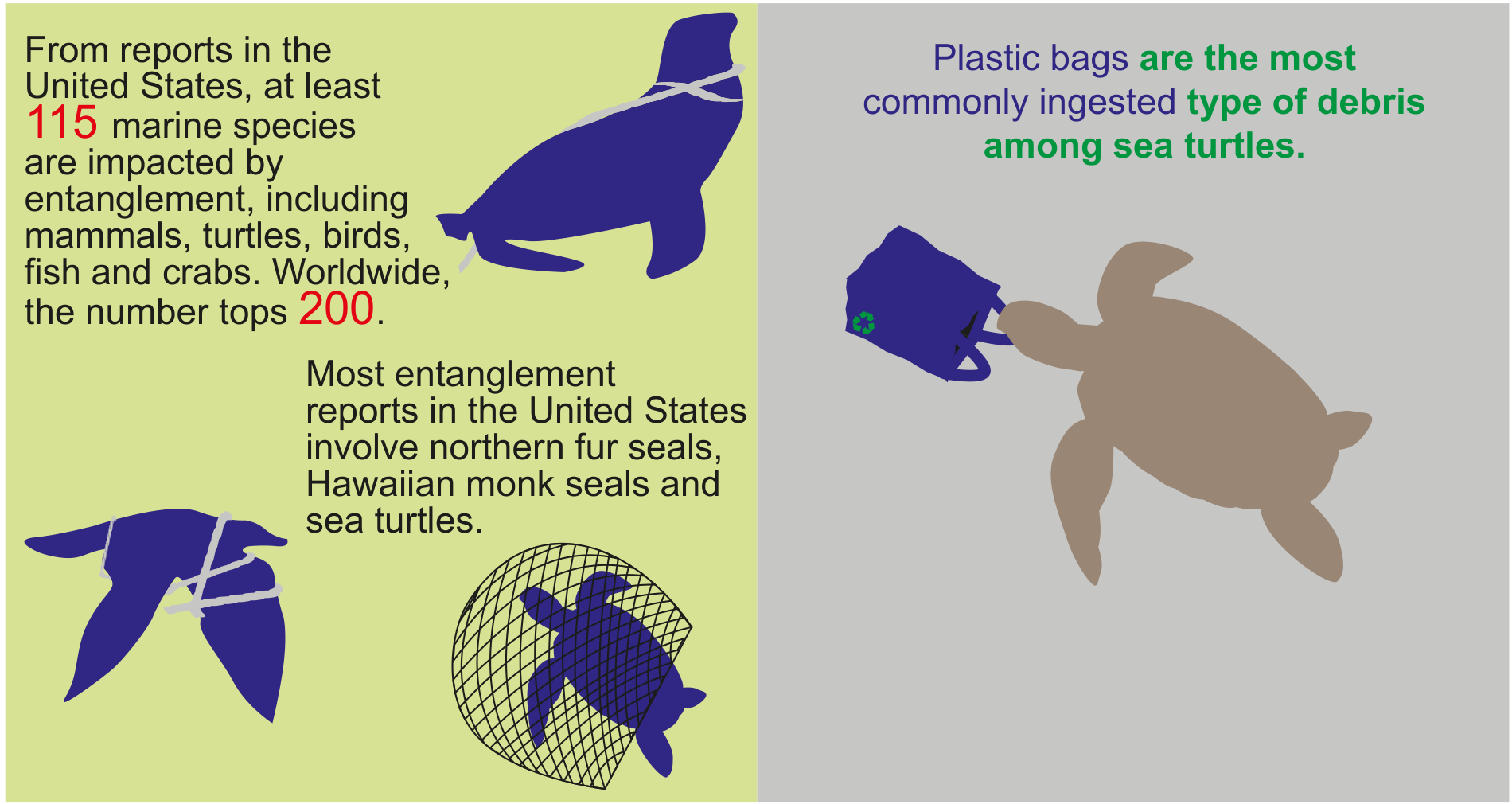
Figure 3: Examples of entanglement of marine species

Figure 3: Examples of entanglement of marine species

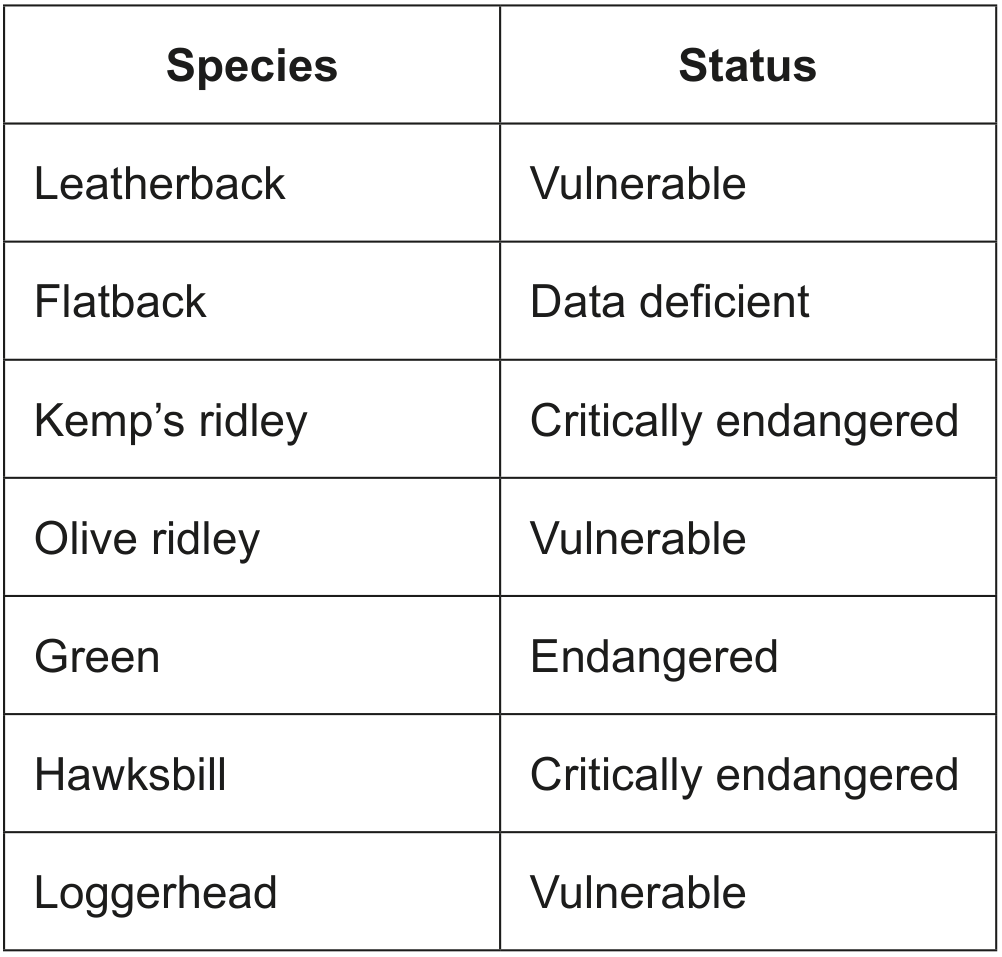
Figure 4: Sea turtle species and their status from the IUCN Red List

Figure 4: Sea turtle species and their status from the IUCN Red List

Question 3(d)

(a)

Discuss how solid domestic waste disposal options could be used to reduce the threats to marine organisms.

[ 4 ]

Question 5

Question 5(a)

(a)
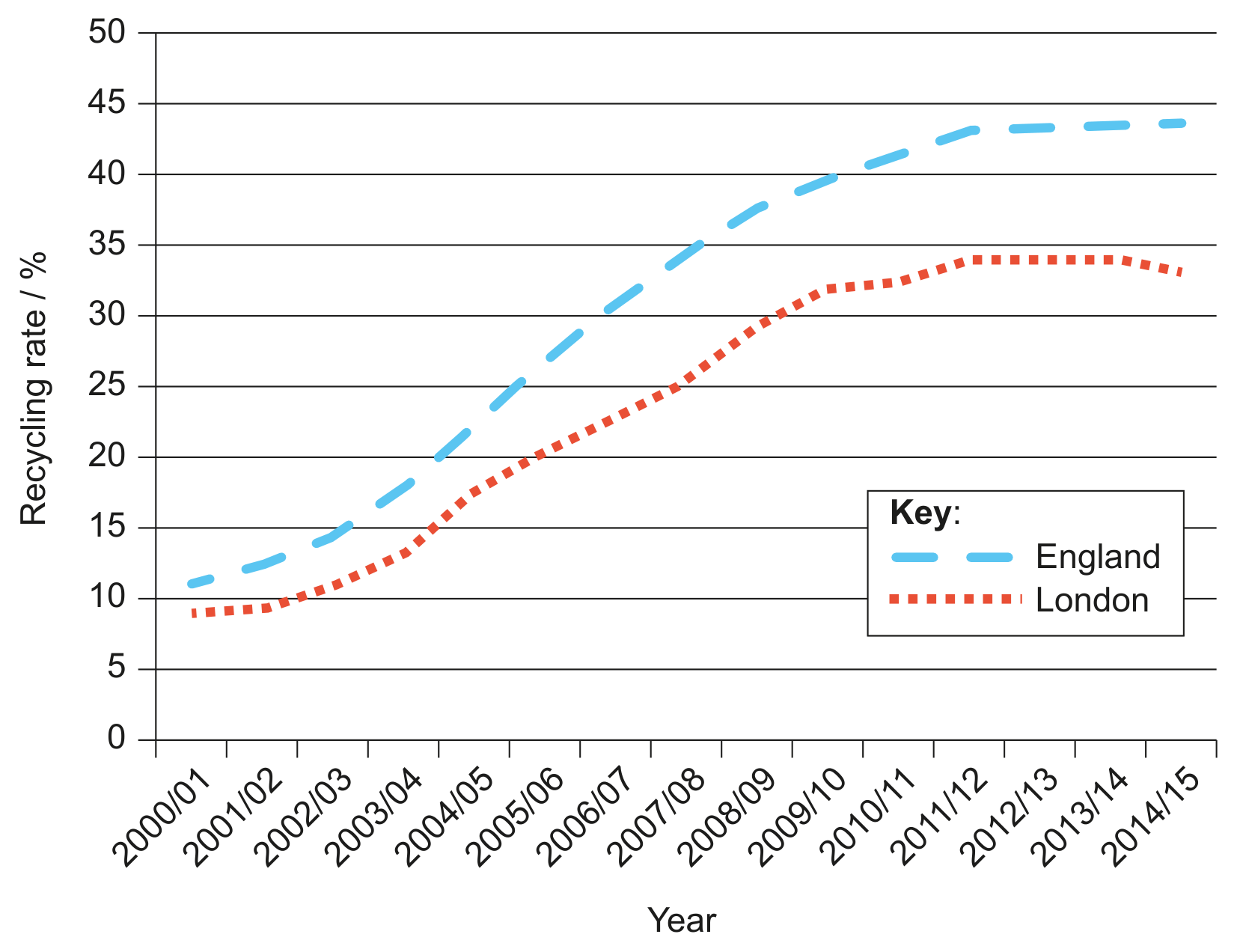
Figure 10(a): Recycling rates in London and England, 2000-2015

Figure 10(a): Recycling rates in London and England, 2000-2015

MaterialProportion recycled / \%
Plastic10
Paper57
Aluminium cans33
Steel cans45
Glass51

Figure 10(b): Proportions of material recycled in London, 2006

With reference to Figures 10(a) and 10(b), suggest one reason why London's recycling rates are lower than in the rest of England.

[ 1 ]

Question 5(b)

(b)

recycling in London
- London recycling rates are lower than England overall.
- Recycling can reduce landfill demand and resource extraction but depends on participation and infrastructure.

Evaluate the effectiveness of recycling as a waste management strategy for London.

[ 3 ]

Question 3

[Maximum number: 8]

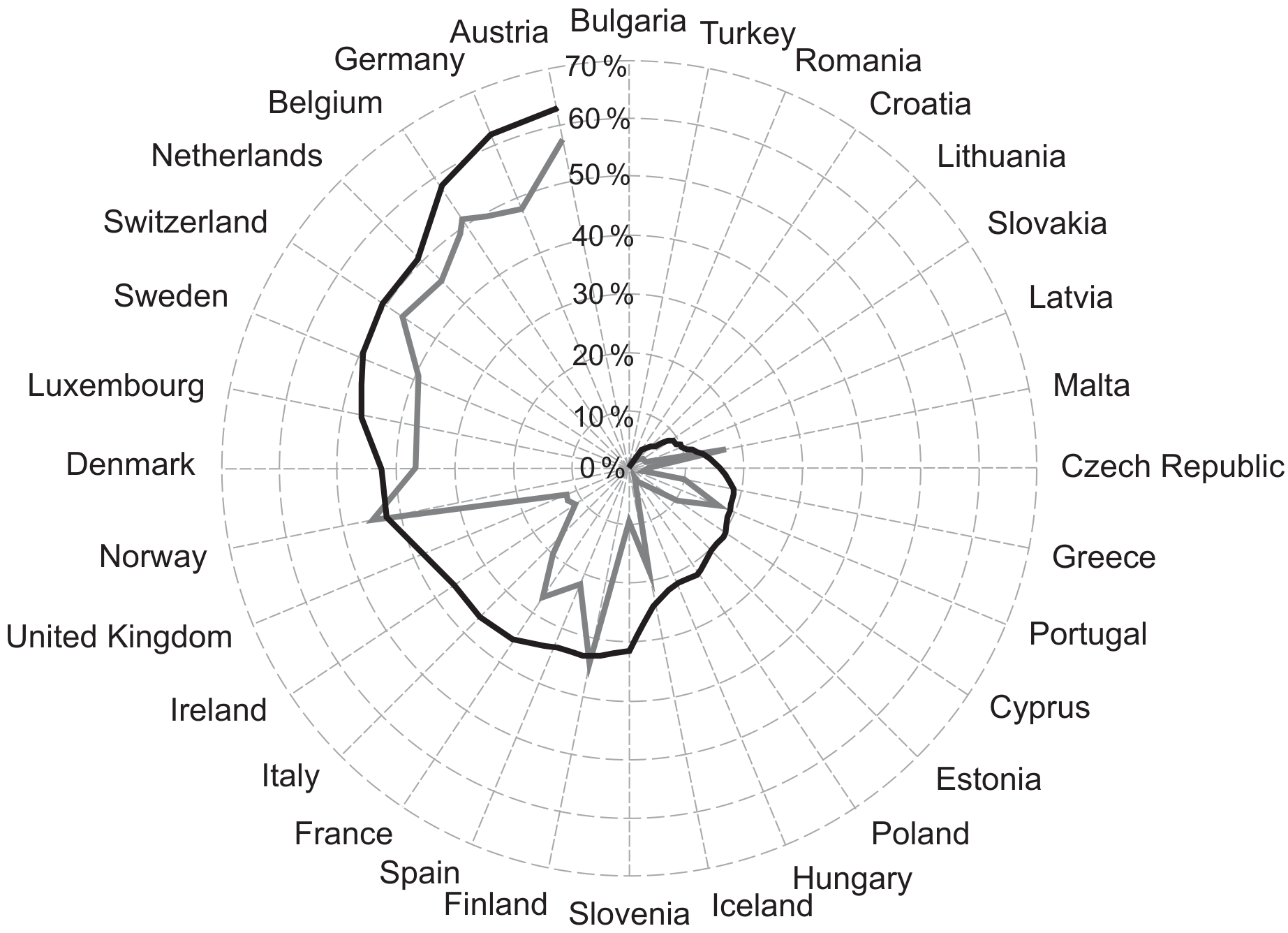
Figure 4: The figure shows changes in the amount of municipal waste recycled as a percentage of total generated waste in 32 European countries in 2001 and 2010.

Figure 4

Figure 4

-2001-2010

Question 3(a)

Question 3(a)(i)

(a)
(i)

State the trend shown in the percentage of waste recycled between 2001 and 2010.

[ 1 ]

Question 3(a)(ii)

(ii)

Identify two countries that have not followed this general trend.

[ 1 ]

Question 3(a)(iii)

(iii)

Identify one reason why some countries may have not followed this trend.

[ 1 ]

Question 3(b)

(b)

Evaluate the use of incineration as an alternative to recycling for the management of solid waste.

[ 5 ]

Question 4

Question 4(c)

(a)

Evaluate one possible pollution management strategy for solid domestic waste.

[ 8 ]

Question 4

Question 4(c)

(a)

To what extent is the use of solid domestic waste (SDW) as an energy source beneficial to a society?

[ 9 ]

Question 9

[Maximum number: 2]

In 2018, 9.29 million tonnes of household waste were collected; about 40% went to landfill and 46% to incineration.
Beijing is building incinerators aiming for no waste going to landfill by 2035; waste-to-energy incinerators generate electricity.
In 2020 regulations included compulsory sorting of household waste, ending free supermarket plastic bags, and reducing waste at source.

Explain why Beijing may want to stop the use of landfill for the disposal of solid domestic waste.

0 selected