EduNinja

IB ESS SL6.3 Climate change—mitigation and adaptationQuestion Bank

Question 1

[Maximum number: 4]

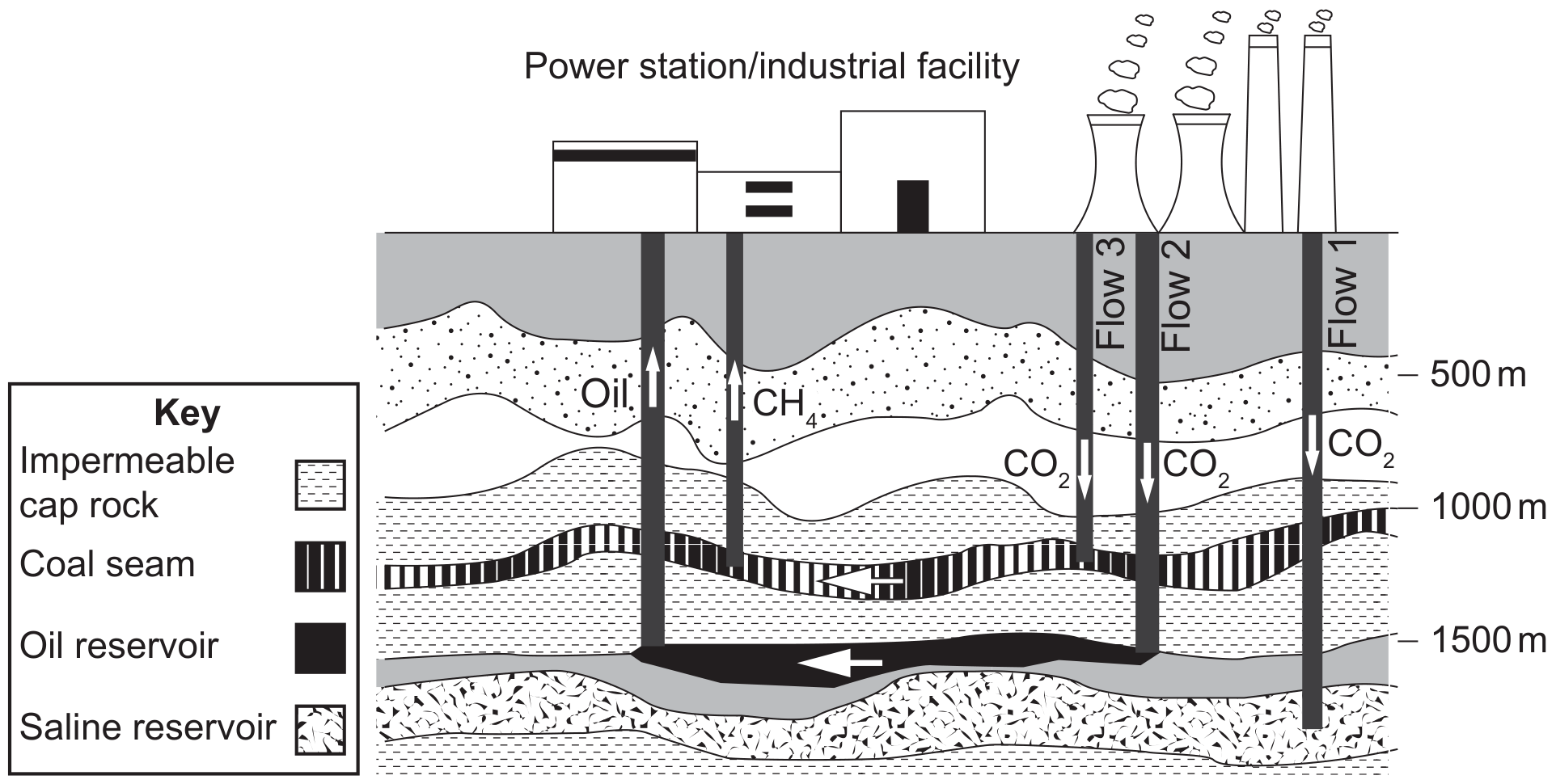
Figure 1 shows the process of carbon capture and storage (CCS) that can be used to manage climate change. Carbon dioxide ( CO2\mathrm{CO}_{2} ) is pumped into three different underground locations, where it is stored.

Flow 1 pumps CO2\mathrm{CO}_{2} into an underground saline reservoir.
Flow 2 pumps CO2\mathrm{CO}_{2} into an oil reservoir; CO2\mathrm{CO}_{2} replaces oil; oil is produced.
Flow 3 pumps CO2\mathrm{CO}_{2} into a coal seam; CO2\mathrm{CO}_{2} replaces methane (CH4)\left(\mathrm{CH}_{4}\right); methane is produced.

Figure 1: Carbon capture and storage flow chart

Figure 1: Carbon capture and storage flow chart

Question 1(c)

(a)

Outline how the mitigation strategy shown in Figure 1 is different to an adaptation strategy for managing climate change.

[ 2 ]

Question 1(d)

(b)

Identify two mitigation strategies to manage climate change, other than carbon capture and storage.

[ 2 ]
Question 3

[Maximum number: 2]

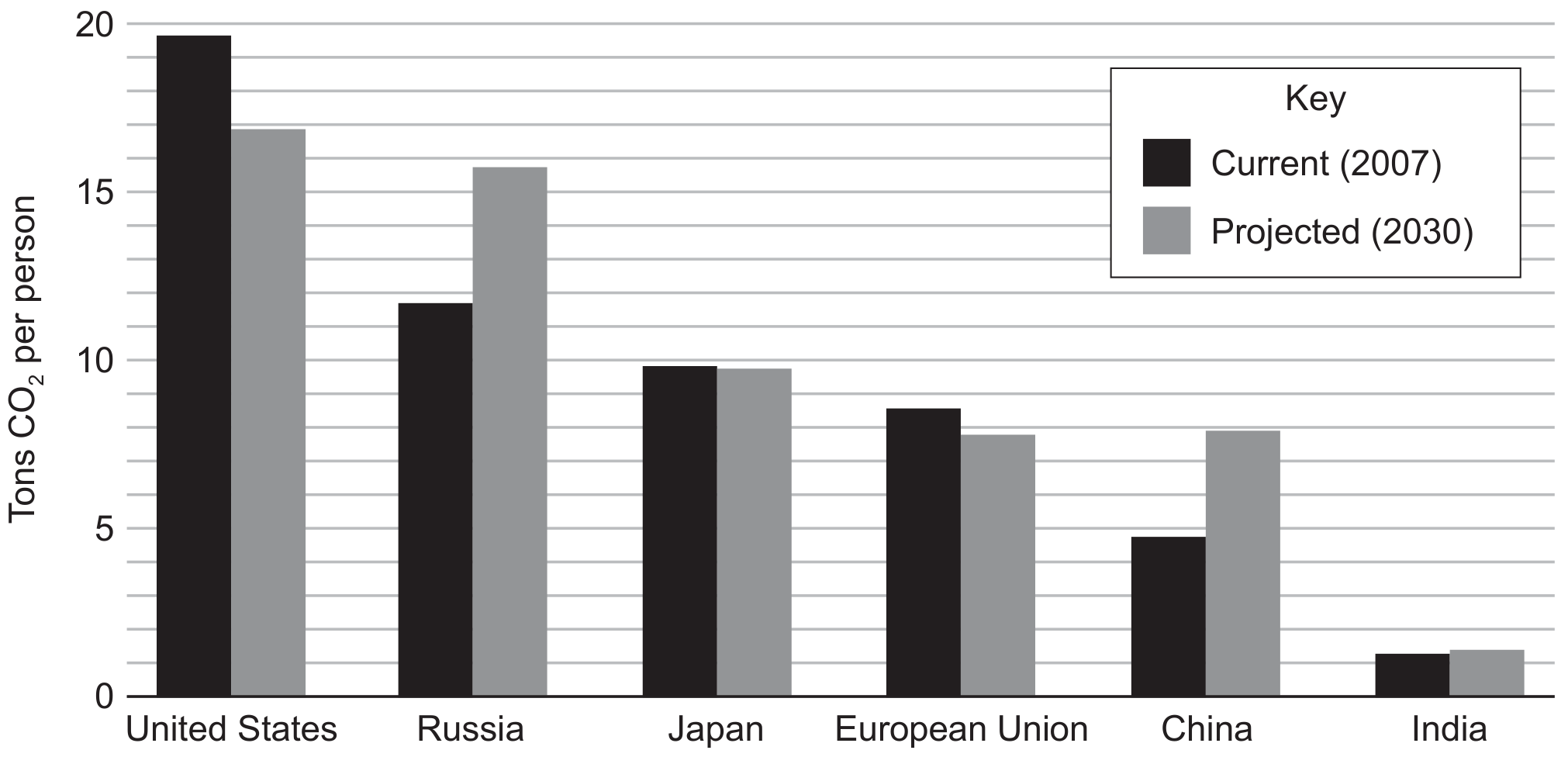
There are concerns that increased carbon dioxide ( CO2\mathrm{CO}_{2} ) emissions are leading to changes in the global climate.

Figure 3: CO2 emissions for select countries in 2007 and 2030 (Projected)

Figure 3: CO2 emissions for select countries in 2007 and 2030 (Projected)

Question 3(d)

(a)

Identify one reduction strategy that the United States might use to achieve its projected change in CO2\mathrm{CO}_{2} emissions.

[ 1 ]

Question 3(e)

(b)

Identify one adaptation strategy that could be used to reduce the impacts of climate change.

[ 1 ]

Question 3

[Maximum number: 4]
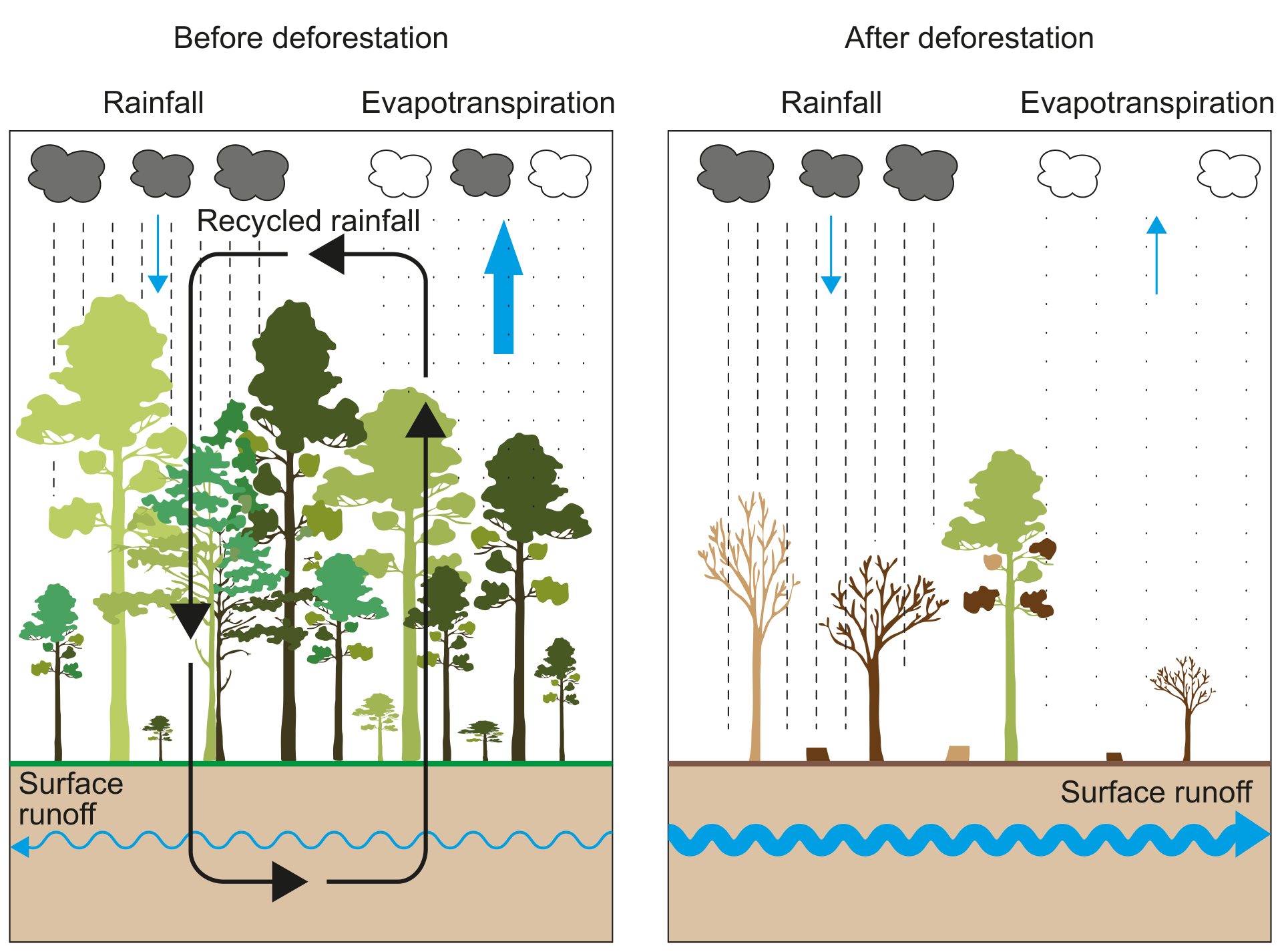
Figure 3: Impact of deforestation on the water cycle

Figure 3: Impact of deforestation on the water cycle

Question 3(d)

(a)

Evaluate the role of reforestation in the mitigation of climate change.

[ 4 ]

Question 10

[Maximum number: 6]
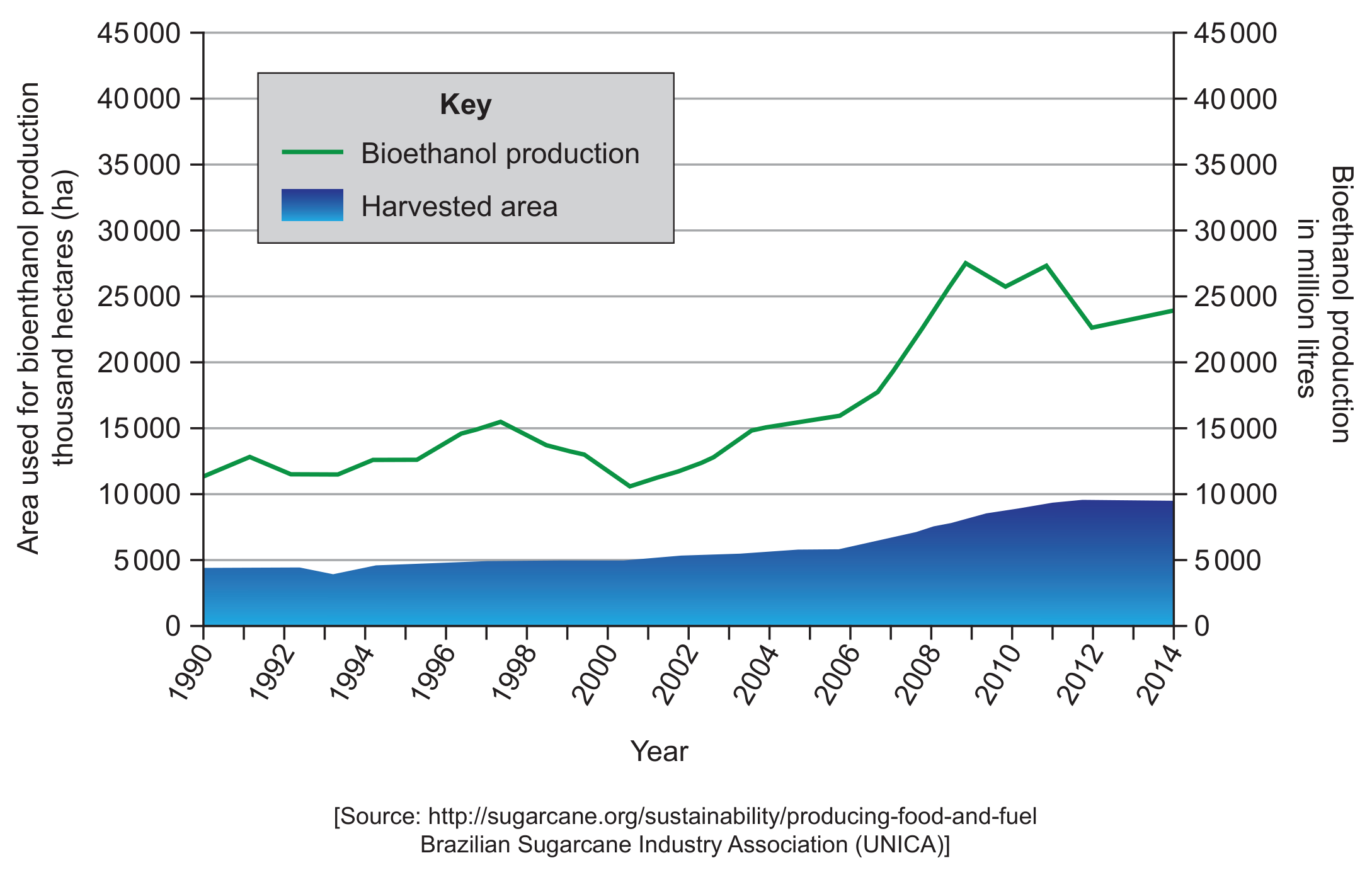
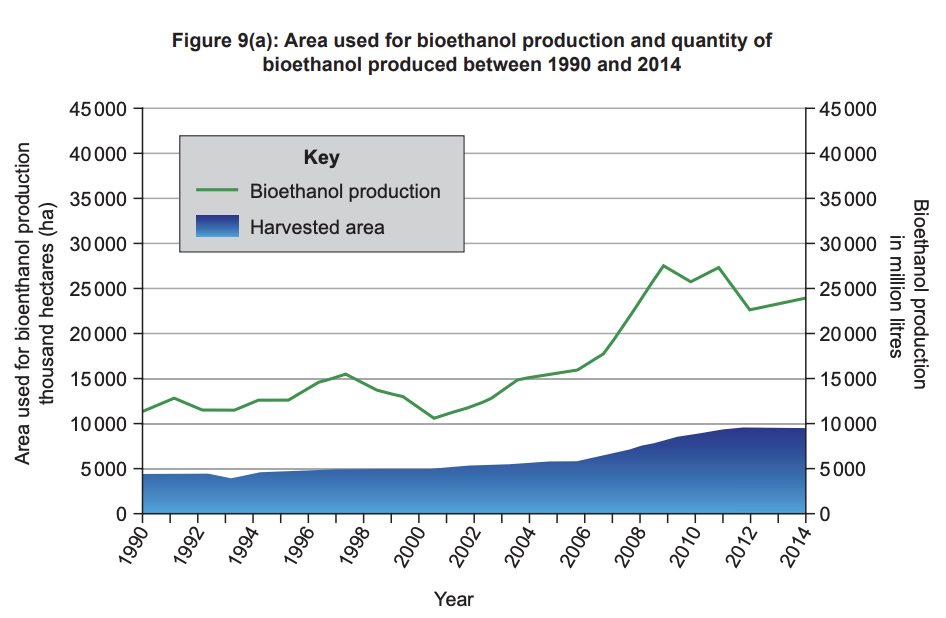
Figure 9(a): Bioethanol harvested area and production in Brazil, 1990-2014

Figure 9(a): Bioethanol harvested area and production in Brazil, 1990-2014

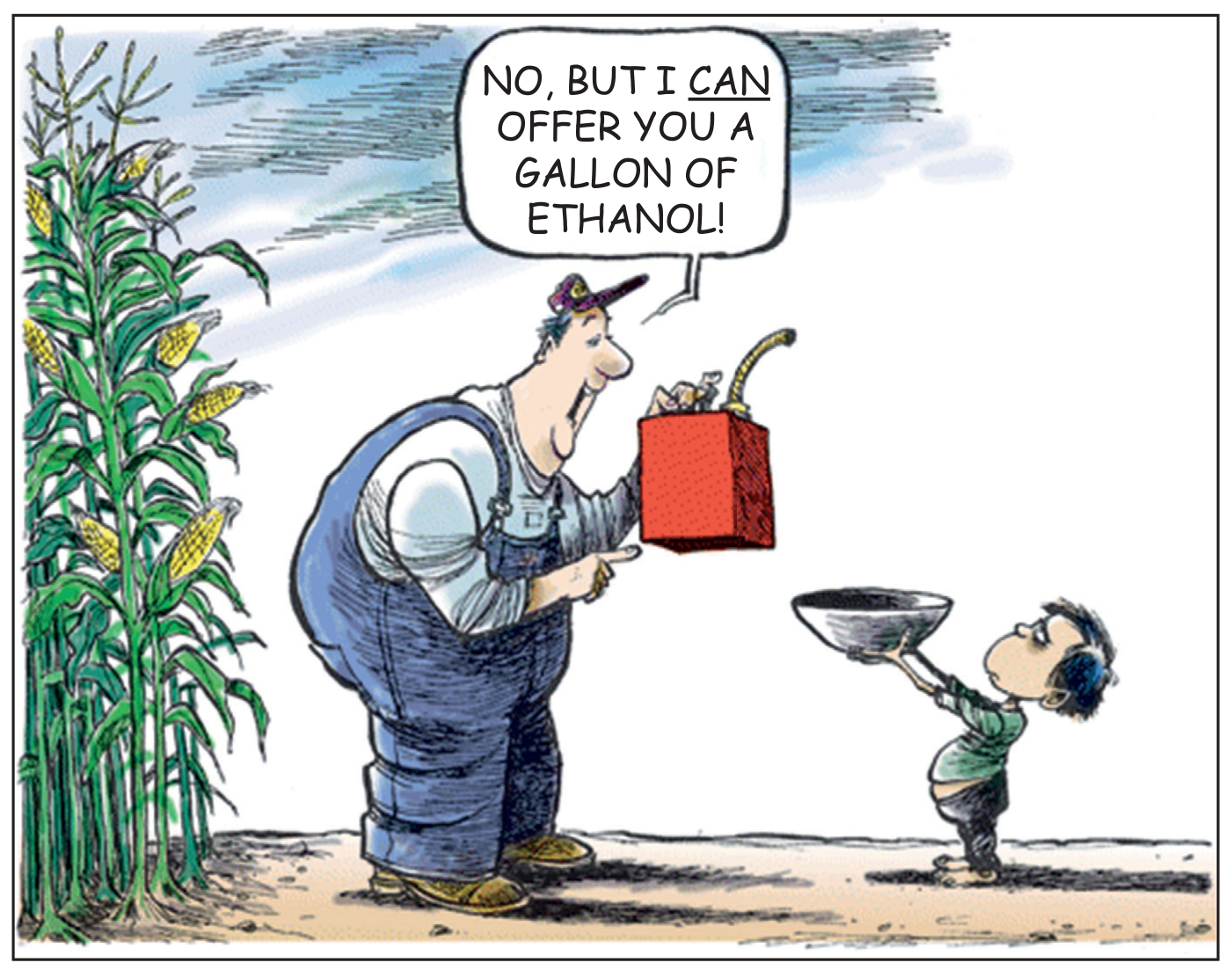
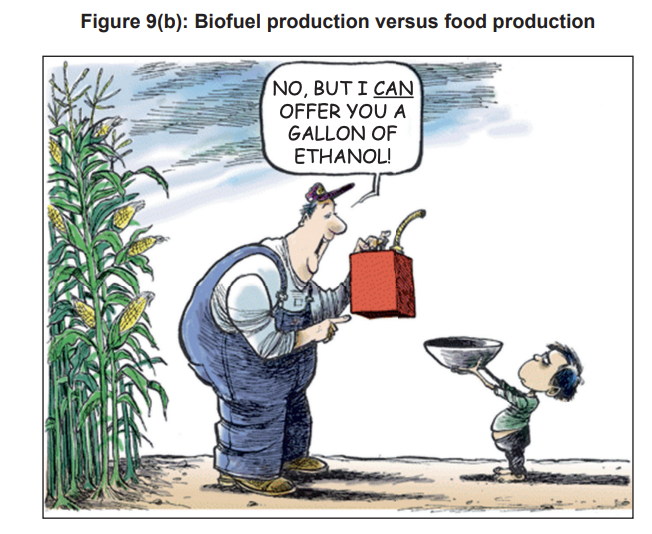
Figure 9(b): Biofuel production versus food production

Figure 9(b): Biofuel production versus food production

Question image
Question image

Figures 9(a) and 9(b) provide information about the production of ethanol from sugar as a biofuel.

Question 10(a)

(a)
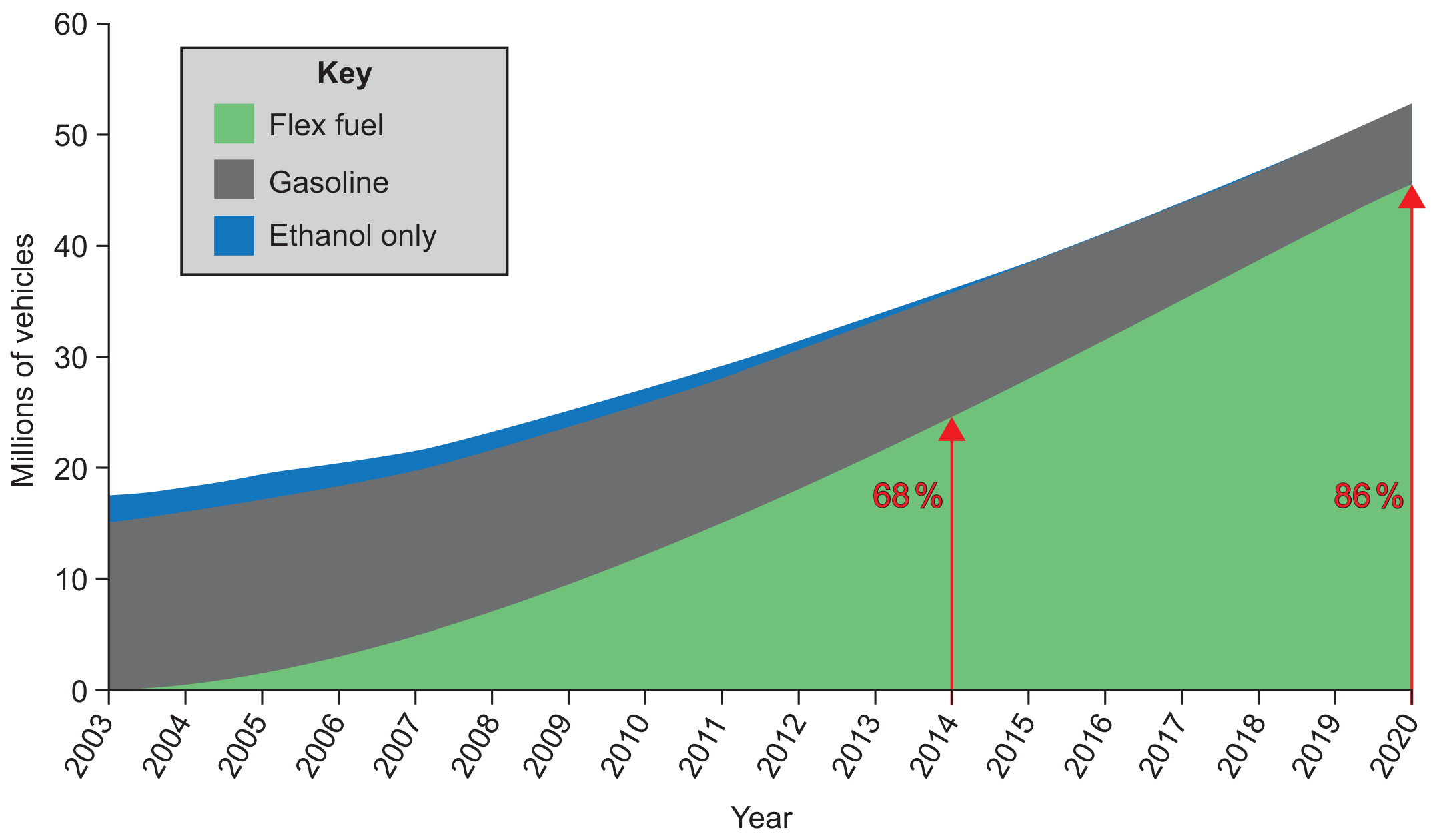
Figure 10: Vehicle numbers by fuel type in Brazil

Figure 10: Vehicle numbers by fuel type in Brazil

Figure 7(a): Fact file on energy and economic development in Brazil
Brazil has experienced fast economic growth and is influential in South America. Major industries include mining, agriculture and manufacturing; service industries have grown significantly. Over 80% of GDP is generated in the Atlantic Rainforest region. Brazil is a major oil producer, but about 70% of electricity comes from hydroelectric power. Brazil is the largest global producer of bioethanol and over 40% of petrol use has been replaced by bioethanol. Energy policy has involved improving energy efficiency, increasing renewable energy production and diversifying energy sources.

Explain how biofuel production can be used as a strategy to control greenhouse gas emissions in Brazil.

[ 4 ]

Question 10(b)

(b)

Figure 6(a): Fact file on human impacts on biodiversity
Only about 10% of the original Atlantic Rainforest and around 20% of the original Cerrado vegetation remain. Losses have resulted from land clearance for crops such as sugar cane, coffee, soy beans and biofuel crops; cattle ranching; forest plantations; urban expansion including Rio de Janeiro, Sao Paulo and Brasilia; infrastructure development such as road building; and commercial logging. Organizations support projects to restore forest habitats and encourage sustainable use of natural forest resources.

Outline one limitation for using biofuels as a strategy to control greenhouse gas emissions.

[ 2 ]

Question 4

Question 4(c)

(a)

In addressing environmental issues, mitigation strategies may be seen as primarily ecocentric and adaptation strategies as primarily technocentric.

To what extent is this view valid in the context of named strategies for addressing the issue of global warming?

[ 9 ]

Question 4

Question 4(c)

(a)

Human activities have improved global air quality during the past 50 years. With reference to examples, discuss this statement.

[ 9 ]

Question 2

Question 2(b)

Question 2(b)(ii)

(a)
(i)

Suggest three ways in which carbon dioxide emissions could be reduced, giving examples.

[ 6 ]

Question 6

Question 6(a)

(a)

Identify four strategies for limiting the impact of burning fossil fuels without reducing their use.

[ 4 ]

Question 6

Question 6(b)

(a)

Compare and contrast the adaptation strategies to climate change for two societies.

[ 7 ]

Question 8

Question 8(c)

(a)

To what extent does sustainability play a role in making decisions about energy and climate change policies at national and international levels?

[ 9 ]
0 selected