EduNinja

IB ESS SL5.2 Agriculture and foodQuestion Bank

Question 1

[Maximum number: 8]

The figure refers to a typical Western European diet. This example shows recommended consumption of food types (on the basis of health) and the environmental impact of their production.

Figure 1(b): Environmental impact pyramid
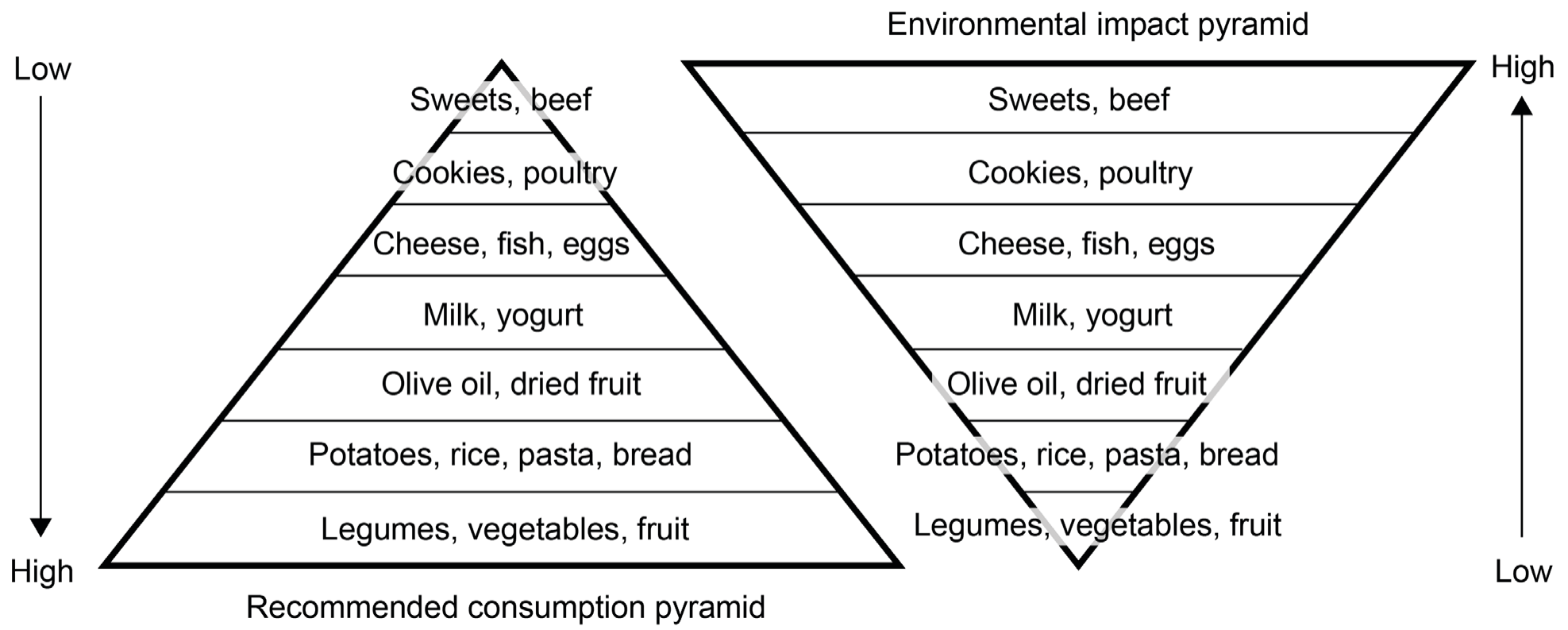
Figure 1(a): Recommended consumption pyramid and Figure 1(b): Environmental impact pyramid

Figure 1(a): Recommended consumption pyramid and Figure 1(b): Environmental impact pyramid

Question 1(a)

(a)

With reference to Figures 1(a) and 1(b):

[ 2 ]

Question 1(a)(i)

(i)

State the food that has the highest environmental impact.

[ 1 ]

Question 1(a)(ii)

(ii)

State the food that has the highest recommended consumption.

[ 1 ]

Question 1(b)

(b)

Describe the relationship between both pyramids in Figures 1(a) and 1(b).

[ 2 ]

Question 1(c)

(c)

Identify two environmental impacts associated with producing the foods near the base of the recommended consumption pyramid (Figure 1(a)).

[ 2 ]

Question 1(e)

(d)

Outline two reasons why the composition of a typical diet in other regions of the world may differ from the Western European diet shown in Figure 1(a).
[ 2 ]

Question 6

[Maximum number: 1]

Outline one advantage for local populations within the Coral Triangle in harvesting their food from:

Question 6(b)

(a)
CountryPopulationLand area km^2Density people/km^2
Indonesia2605807391811569143.8
Malaysia3138299232865795.5
Papua New Guinea690970145286015.3
Philippines104256076298170349.7
Solomon Islands6475812798623.1
Timor-Leste12913581487486.8

Figure 3(a): Population and land information

Figure 2: Fact file on the Coral Triangle
The Coral Triangle is about 6 million km^2 in Southeast Asia and is the most biodiverse marine ecosystem in the world.
Habitats include coral reefs, seagrass beds and mangroves; it supports livelihoods of over 120 million people.
It is an important spawning area for the largest tuna fishery in the world; capture fisheries were valued at US$9.9 billion in 2014.

terrestrial agriculture.

[ 1 ]

Question 3

[Maximum number: 3]
LondonUnited KingdomWorld average
Ecological footprint
(global hectares per capita)
4.54.62.8
Biocapacity
(global hectares per capita)
0.171.201.60

Figure 7: Ecological footprints of London, the United Kingdom and the world, 2015

Question 3(c)

(a)
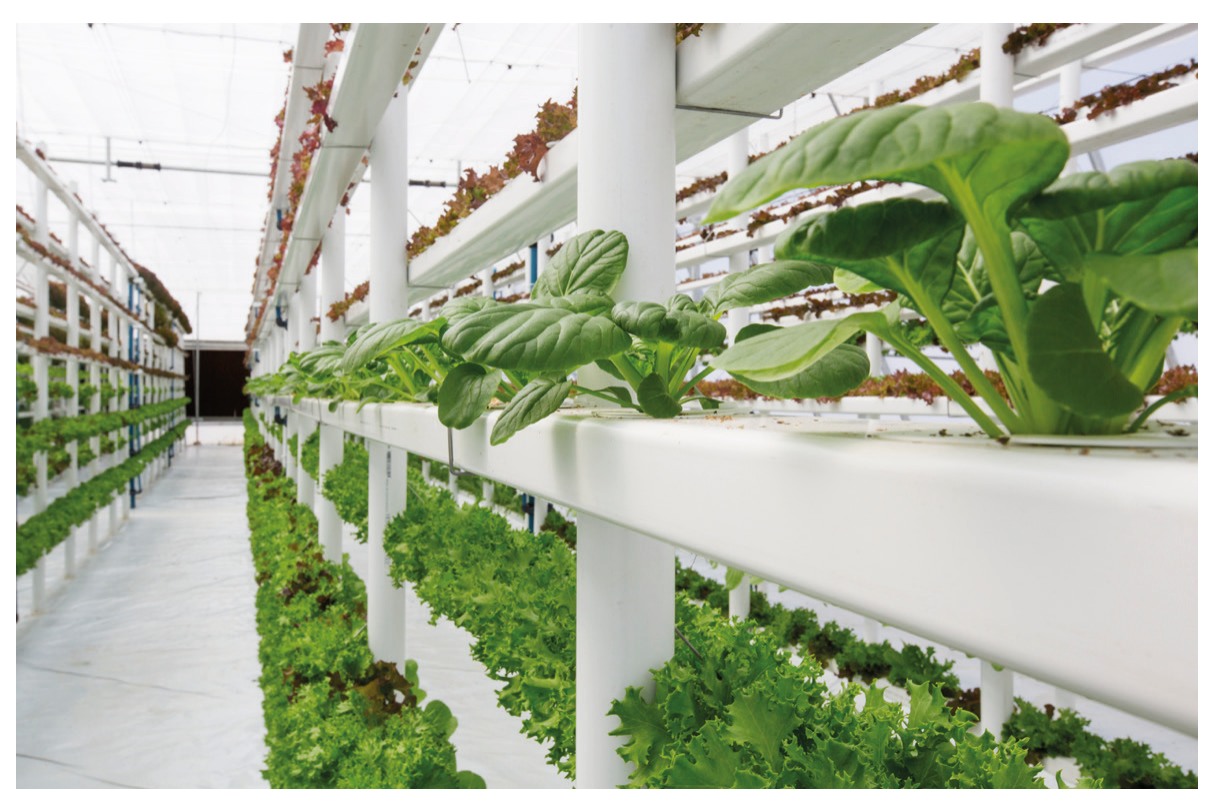
Figure 8(b): Underground vertical farm

Figure 8(b): Underground vertical farm

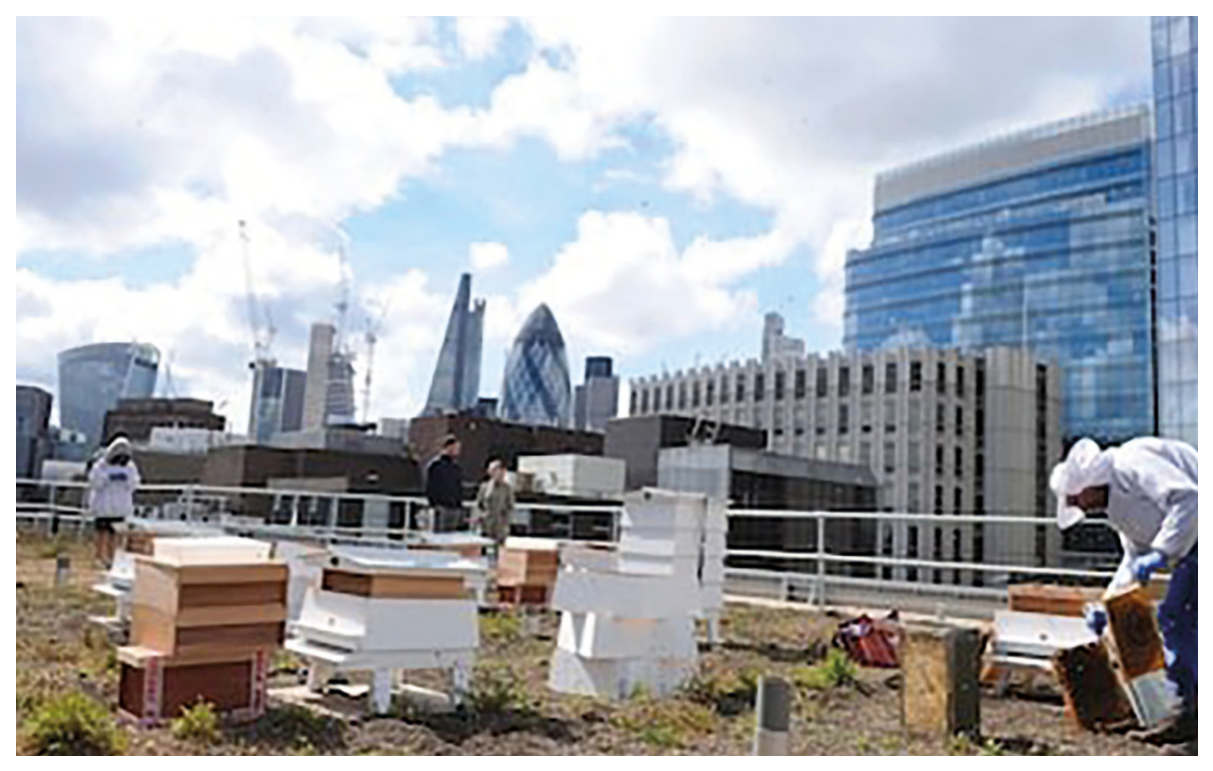
Figure 8(c): Rooftop beekeeping

Figure 8(c): Rooftop beekeeping

Figure 8(a): Urban agriculture in London
- Approximately 9% of London land area is used for agriculture, mostly on the edges in the green belt.
- Urban agriculture includes vertical farming and rooftop gardening/beekeeping.
- Vertical farms can use up to 70% less water and no pesticides.
- London has over 1000 beekeepers and an 11 km bee corridor of wildflowers.

With reference to Figures 8(a), 8(b) and 8(c), suggest how urban agriculture could be used to increase the carrying capacity of London.

[ 3 ]

Question 3

Question 3(c)

(a)
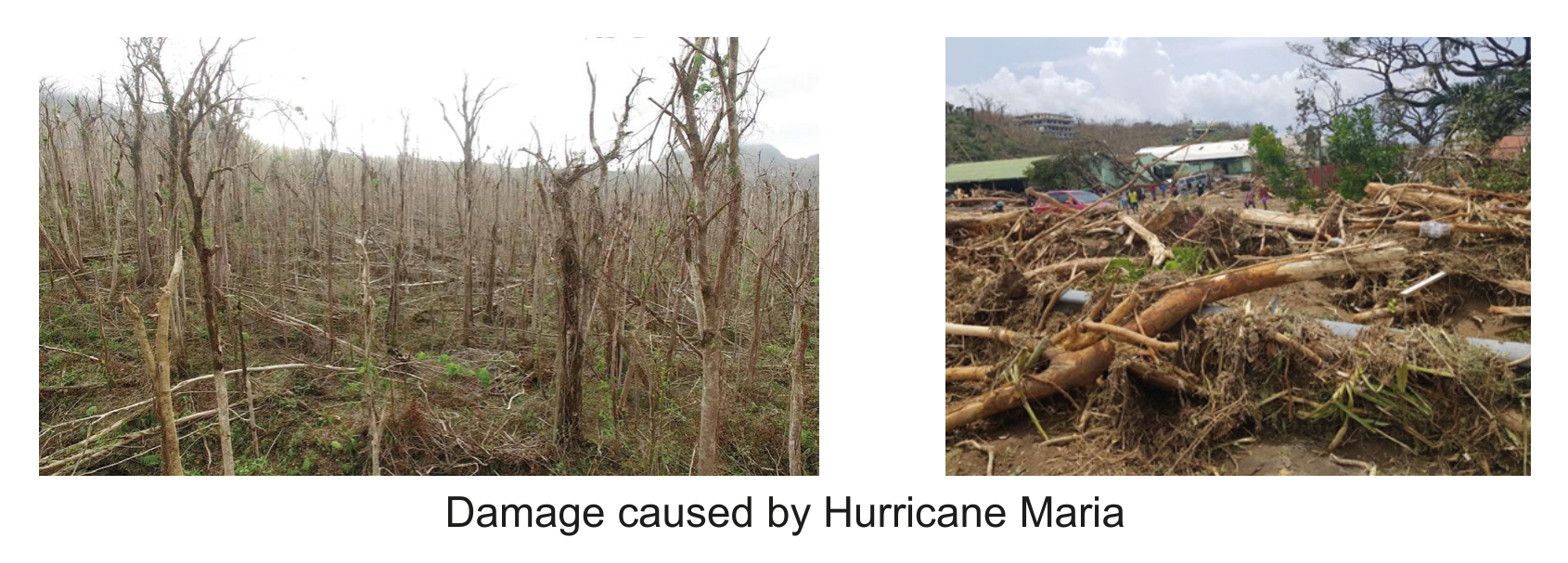
Figure 3(c): Impacts of Hurricane Maria illustration

Figure 3(c): Impacts of Hurricane Maria illustration

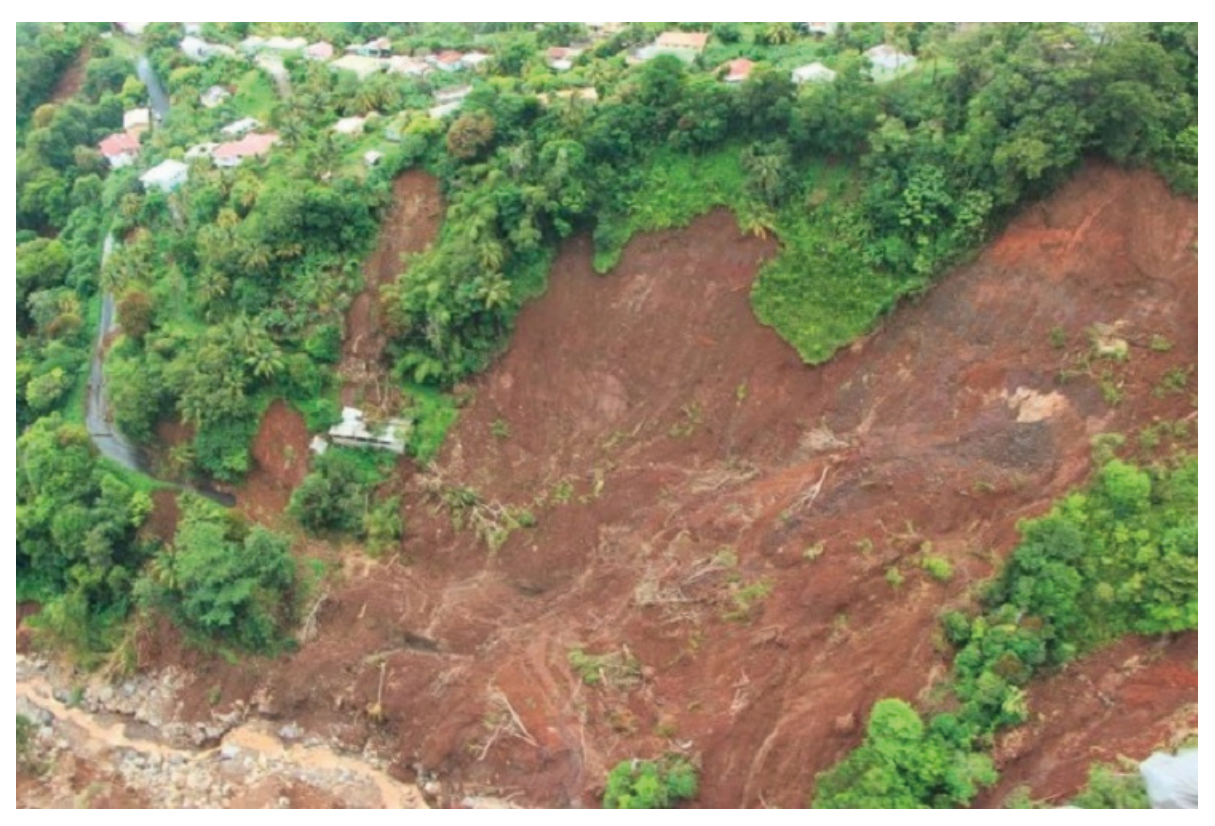
Figure 3(d): Landslide caused by heavy rains after a hurricane

Figure 3(d): Landslide caused by heavy rains after a hurricane

Figure 3(c): Impacts of Hurricane Maria
- 100% of food crops were destroyed.
- 90% of housing was damaged.
- Almost 10000 landslides occurred.
- Extreme damage to tropical rainforest: leaves removed and many trees knocked down.
- Major damage to coral reefs caused by waves and soil erosion.
- Freshwater was contaminated by oil spills and chemicals.

With reference to Figures 3(c) and 3(d), outline how Hurricane Maria has reduced Dominica's food availability.

[ 2 ]

Question 4

[Maximum number: 2]

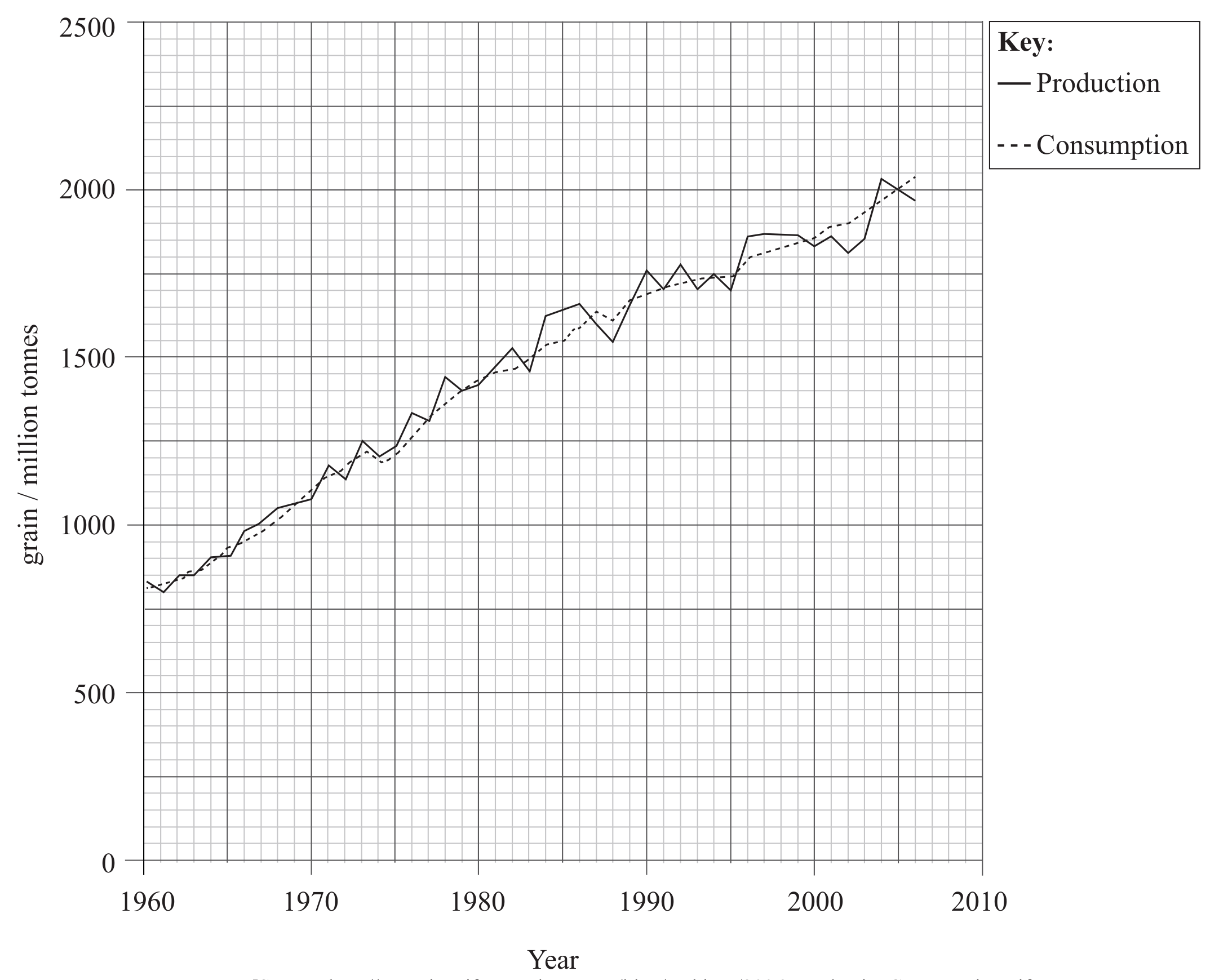
Figure 4 shows changes in world grain production and consumption between 1960 and 2006.

Figure 4

Figure 4

Question 4(c)

(a)

Outline two negative environmental impacts of increasing food production.

[ 2 ]

Question 6

Question 6(b)

(a)
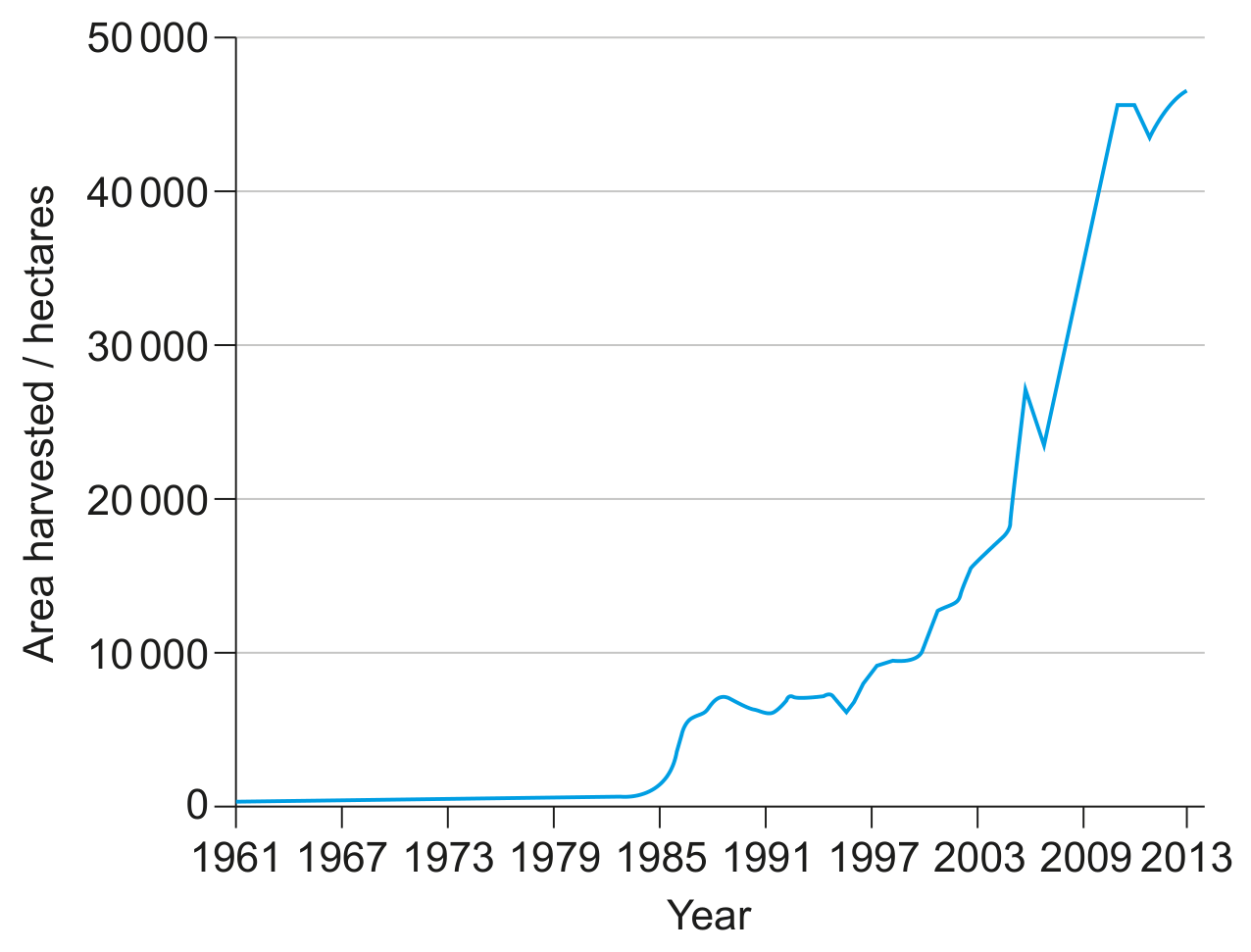
Figure 8(b): Land used in Costa Rica for pineapple production between 1961 and 2013

Figure 8(b): Land used in Costa Rica for pineapple production between 1961 and 2013

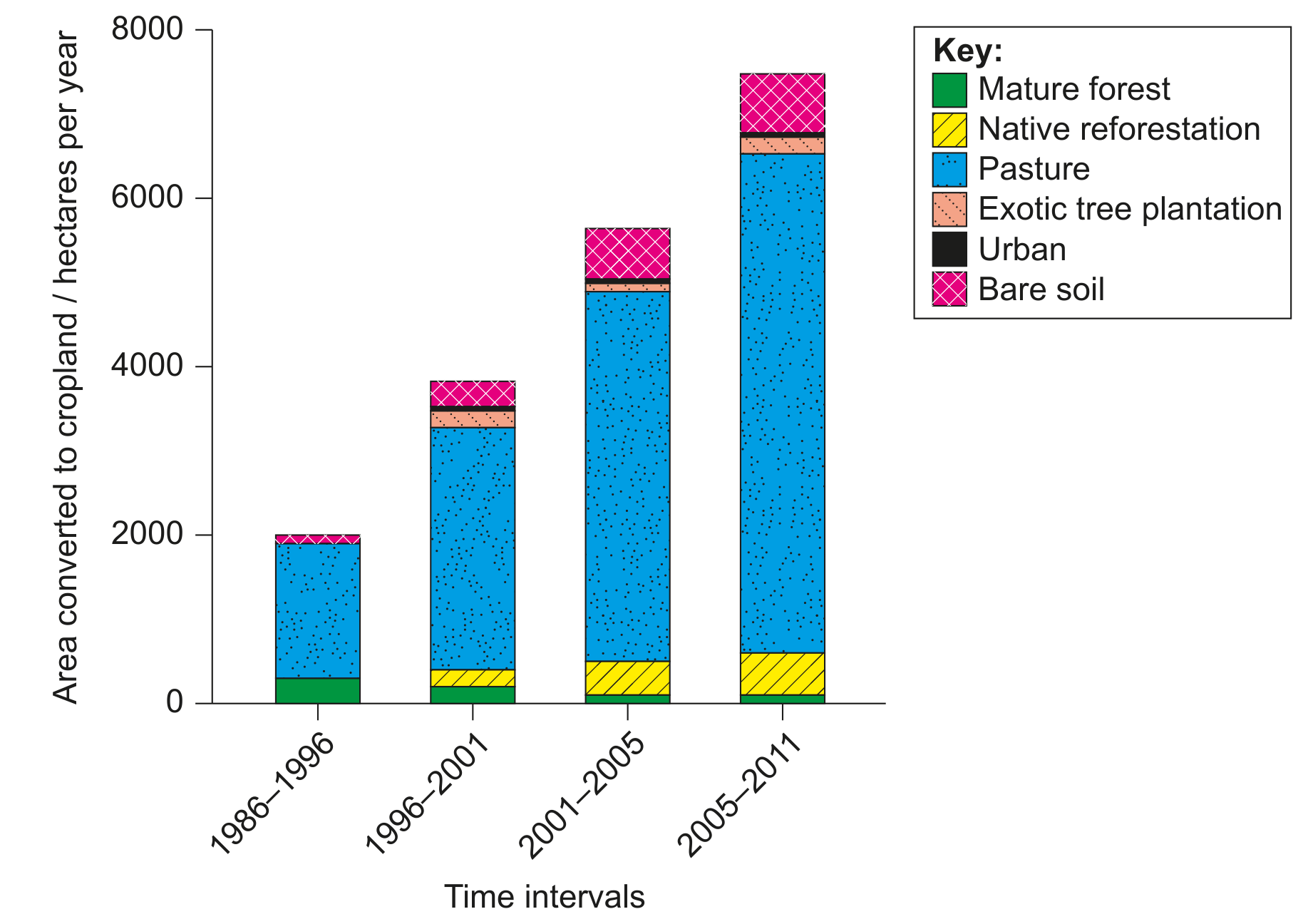
Figure 8(c): Conversion to cropland from other land uses in north-eastern Costa Rica (1986-2011)

Figure 8(c): Conversion to cropland from other land uses in north-eastern Costa Rica (1986-2011)

cash crops
- Agriculture includes pineapples, bananas, coffee and beef.
- Pineapple production expanded between 1961 and 2013 and cropland expansion converted other land uses.

With reference to Figure 8(c), identify where most of the additional land for growing crops came from between 1986 and 2011.

[ 1 ]

Question 4

Question 4(c)

(a)

Climate can both influence, and be influenced by, terrestrial food production systems.

To what extent can terrestrial food production strategies contribute to a sustainable equilibrium in this relationship?

[ 9 ]

Question 2

Question 2(c)

(a)

Discuss the relationship between the economic development of countries and the sustainability of their food production.

Expression of ideas

[ 8 ]

Question 3

Question 3(c)

(a)

Discuss with reasons or evidence, the environmental impacts of two named food production systems.

Expression of ideas

[ 8 ]

Question 3

Question 3(c)

(a)

Evaluate ways in which different agricultural techniques may affect the sustainability of soil as a resource.

[ 8 ]
0 selected