EduNinja

IB ESS SL4.3 Aquatic food production systemsQuestion Bank

Question 6

[Maximum number: 1]

Outline one advantage for local populations within the Coral Triangle in harvesting their food from:

Question 6(a)

(a)

Figure 2: Fact file on the Coral Triangle
The Coral Triangle is about 6 million km^2 in Southeast Asia and is the most biodiverse marine ecosystem in the world.
Habitats include coral reefs, seagrass beds and mangroves; it supports livelihoods of over 120 million people.
It is an important spawning area for the largest tuna fishery in the world; capture fisheries were valued at US$9.9 billion in 2014.

the marine system

[ 1 ]

Question 2

[Maximum number: 6]
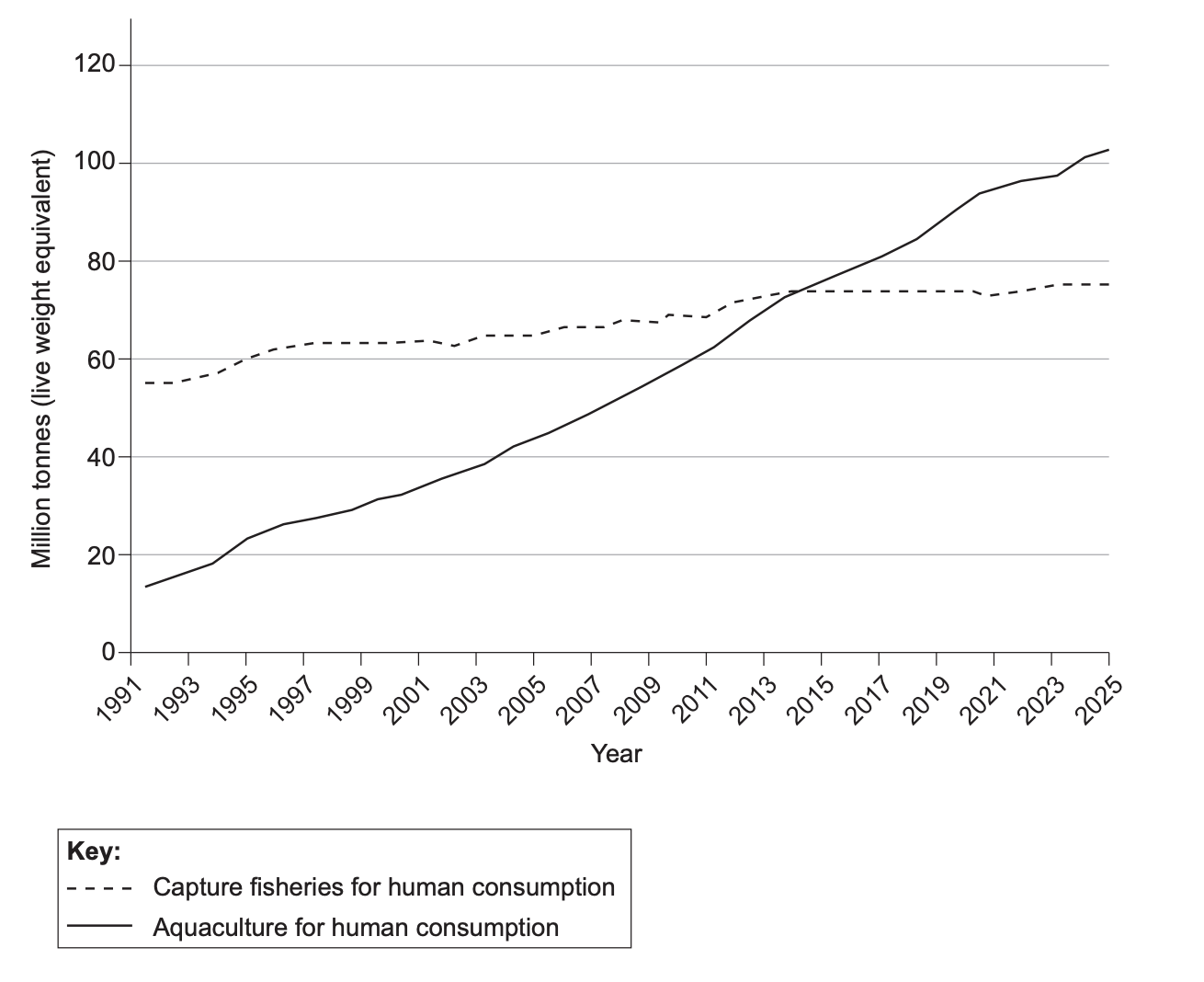
Figure 2: Global capture fisheries and aquaculture production from 1991 and projected to 2025

Figure 2: Global capture fisheries and aquaculture production from 1991 and projected to 2025

Question 2(a)

(a)

Using Figure 2, identify one reason for the trend shown in the curve for:

[ 2 ]

Question 2(a)(i)

(i)

aquaculture.

[ 1 ]

Question 2(a)(ii)

(ii)

capture fisheries.

[ 1 ]

Question 2(b)

(b)

Outline two negative environmental impacts of aquaculture.

[ 2 ]

Question 2(c)

(c)

Describe two strategies for the management of sustainable capture fisheries.

[ 2 ]

Question 5

Question 5(d)

(a)
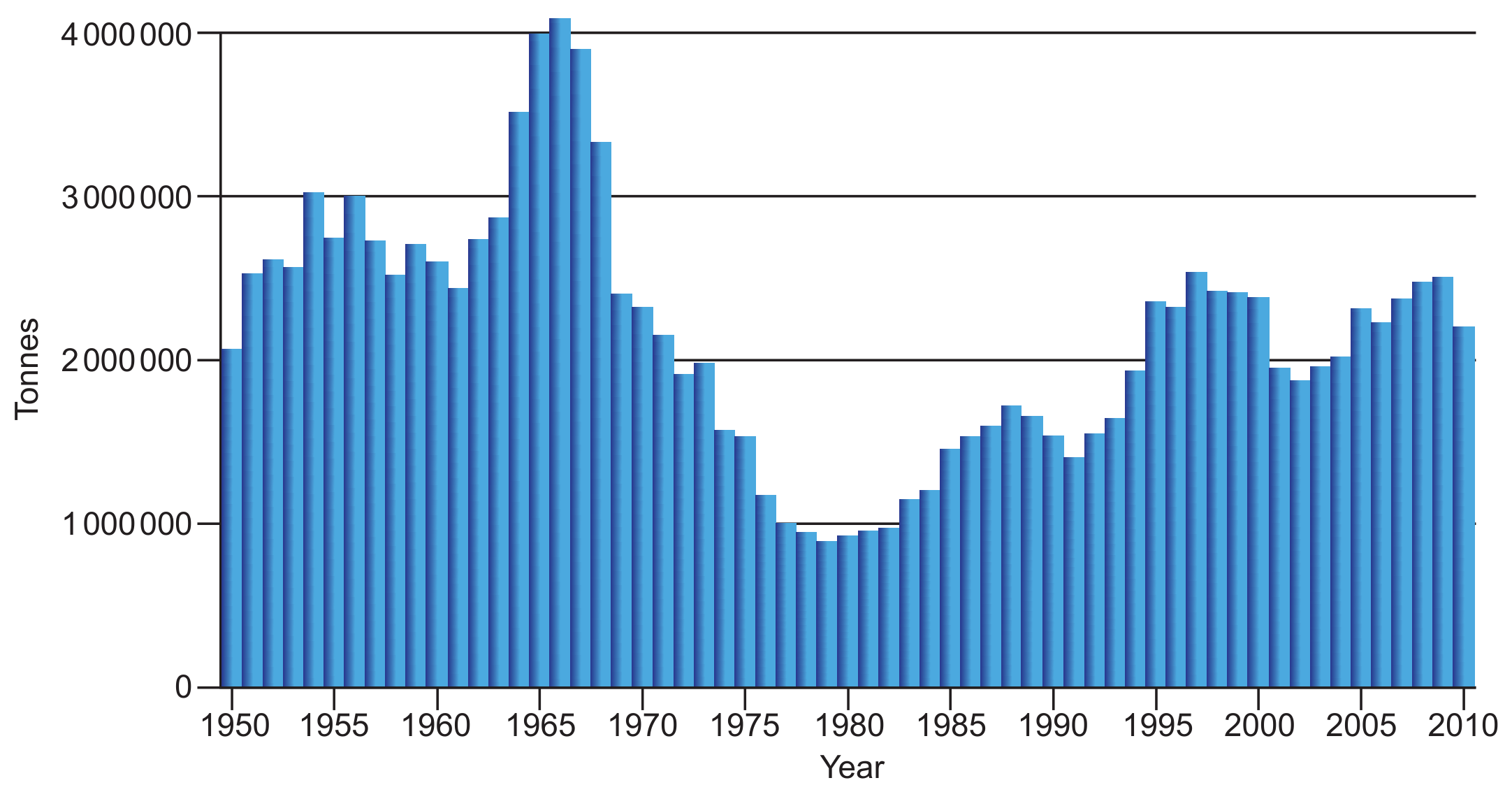
Figure 8(d): Global capture fisheries of Atlantic herring, 1950-2010

Figure 8(d): Global capture fisheries of Atlantic herring, 1950-2010

With reference to Figure 8(d) identify two factors which may account for the changes in total capture of Atlantic herring.

[ 2 ]

Question 2

[Maximum number: 2]

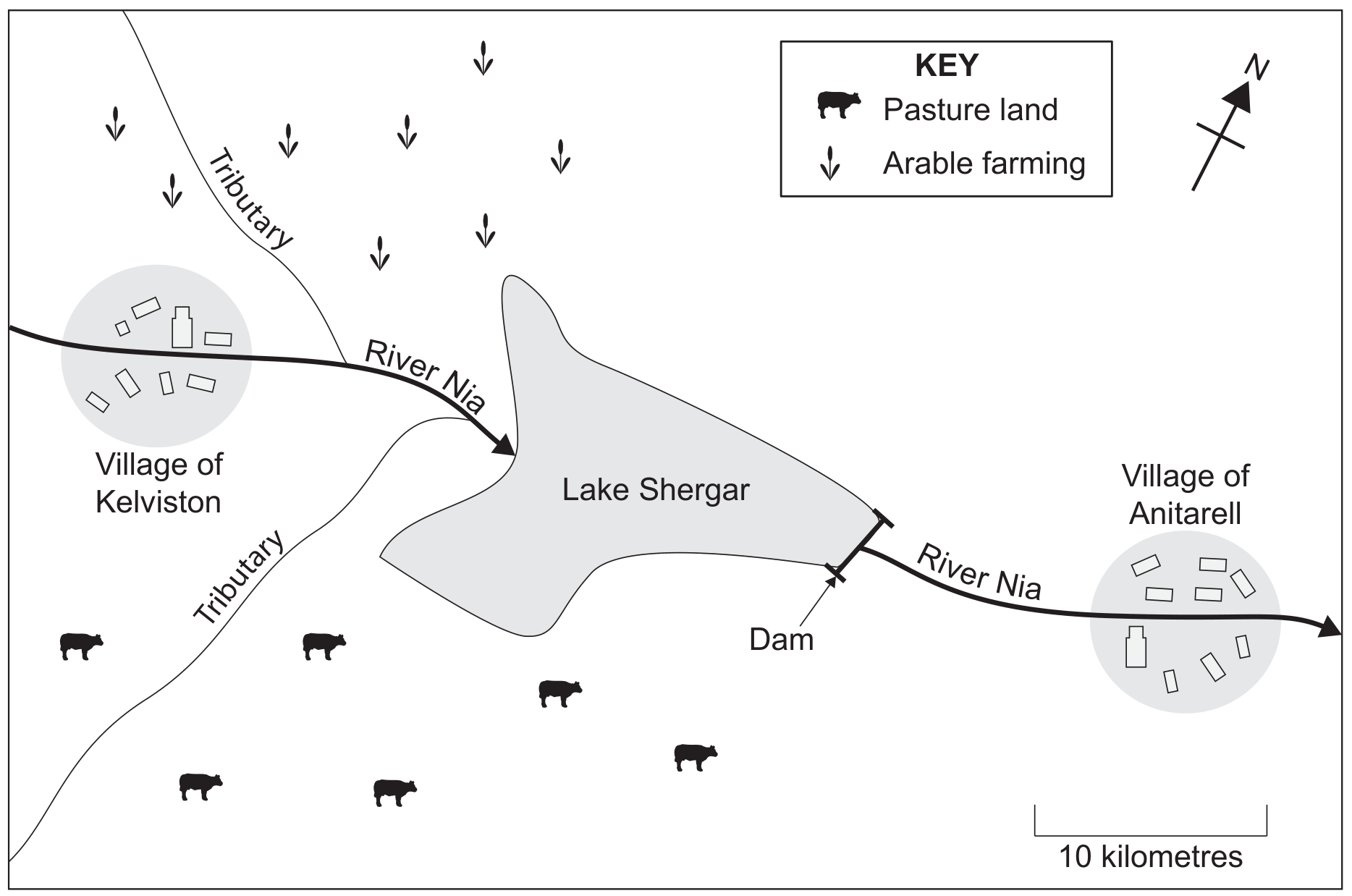
Figure 3: A simplified diagram of the Lake Shergar area.

Figure 3

Figure 3

Question 2(a)

(a)

The lake provides a water supply for the local population.

[ 2 ]

Question 2(a)(iv)

(i)

With reference to the cattle in the area, explain how the maximum sustainable yield could be calculated.

[ 2 ]

Question 3

[Maximum number: 2]
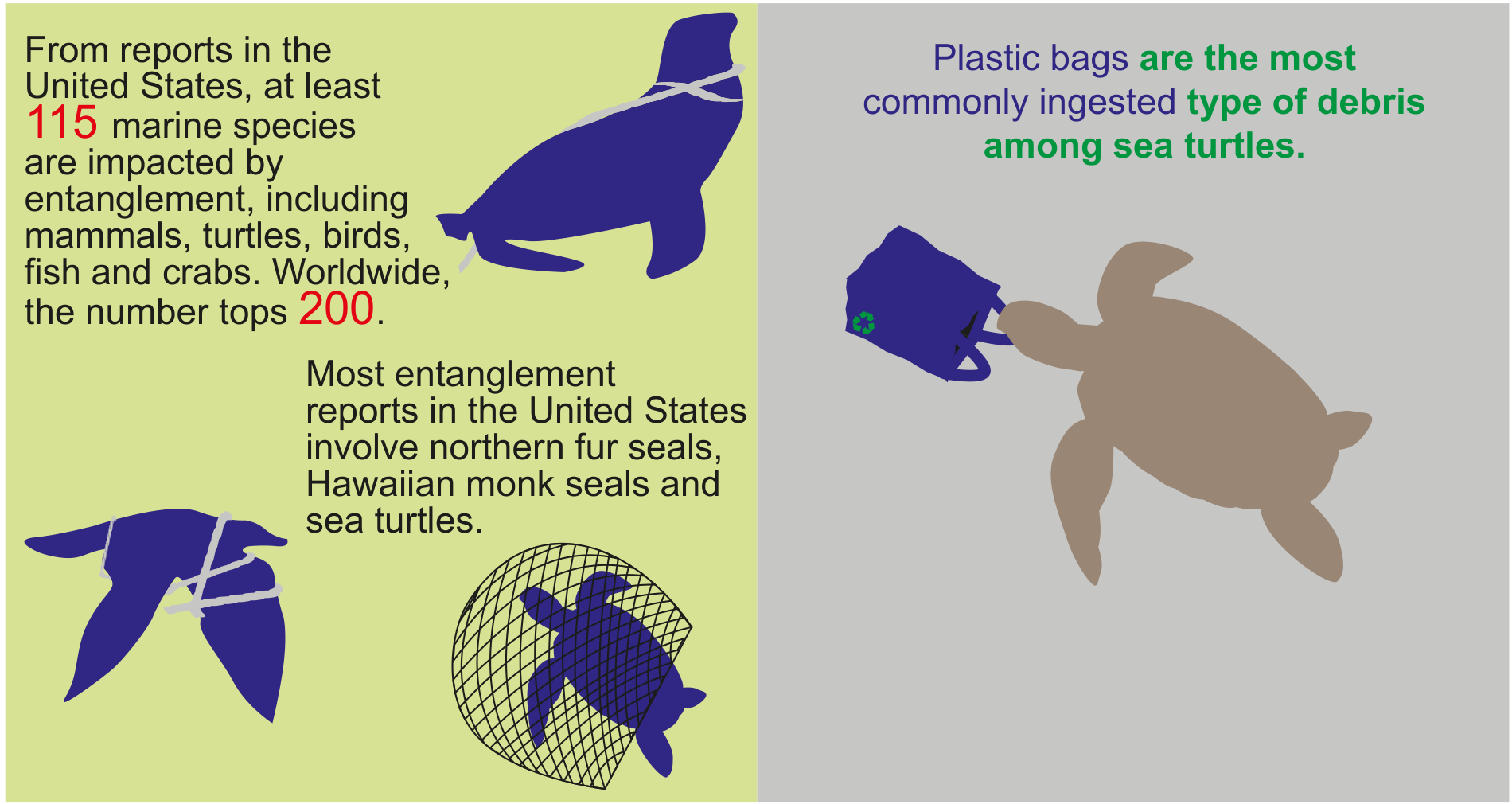
Figure 3: Examples of entanglement of marine species

Figure 3: Examples of entanglement of marine species

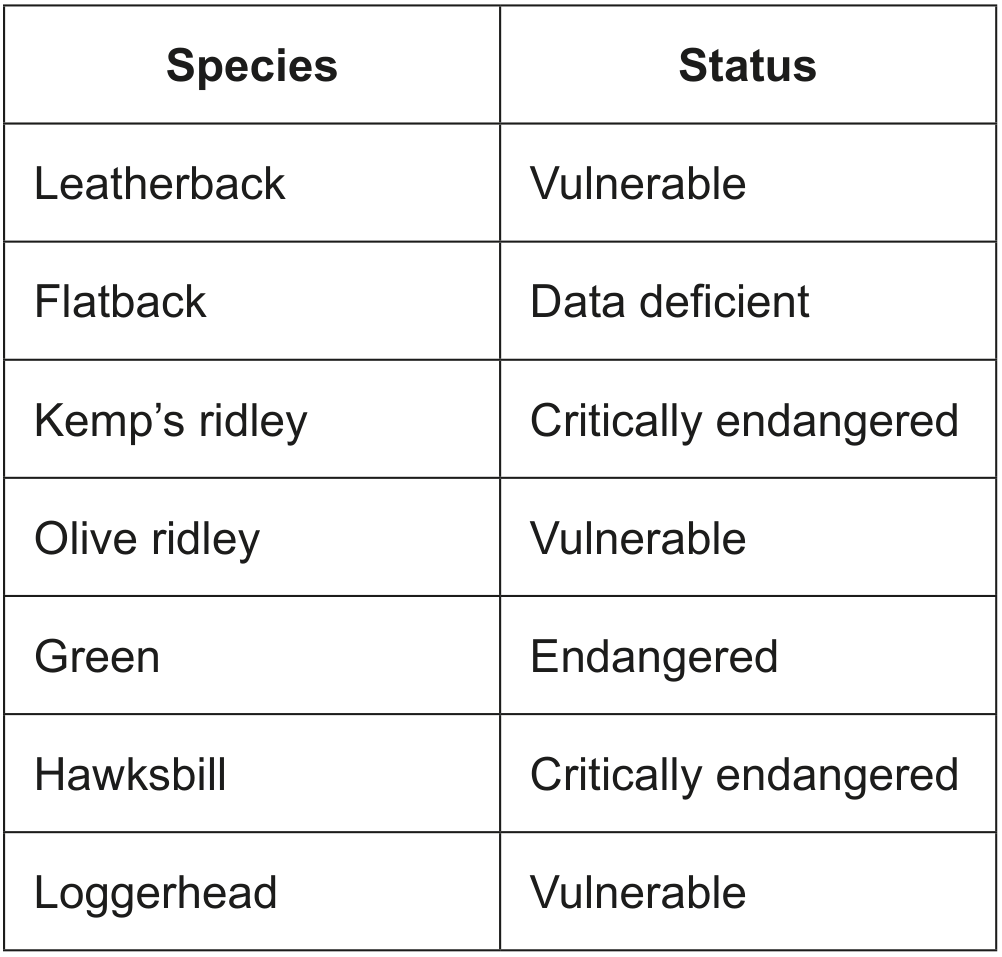
Figure 4: Sea turtle species and their status from the IUCN Red List

Figure 4: Sea turtle species and their status from the IUCN Red List

Question 3(c)

(a)

Identify two strategies for fisheries management that could improve the conservation status of sea turtles.

[ 2 ]

Question 3

[Maximum number: 8]

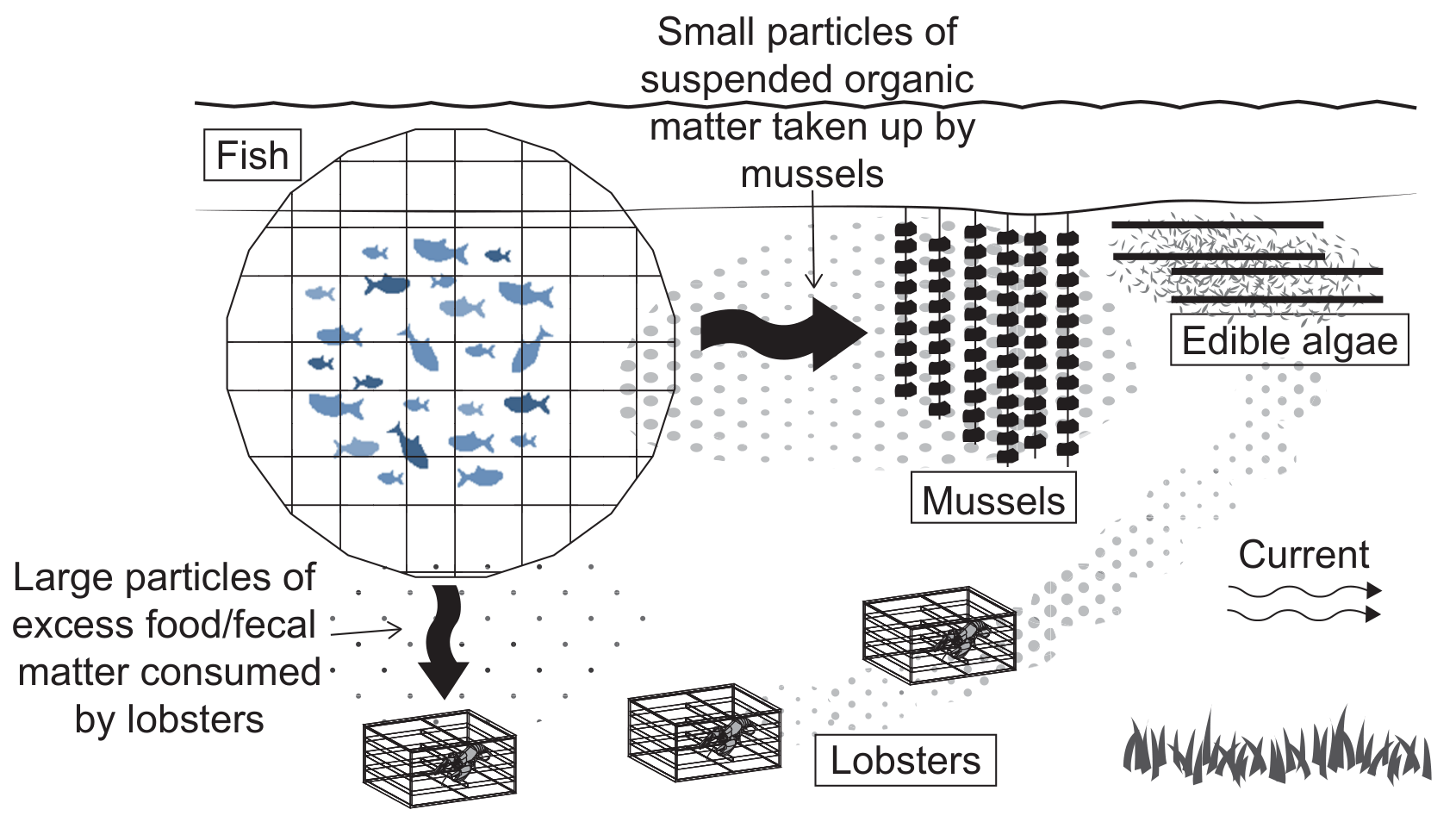
Figure 3 represents a system of aquaculture with four groups of harvestable species.

Figure 3: Integrated aquaculture

Figure 3: Integrated aquaculture

Question 3(a)

(a)

Identify one producer in the system illustrated in Figure 3.

[ 1 ]

Question 3(b)

(b)

Outline one reason why aquaculture production has increased globally.

[ 1 ]

Question 3(c)

(c)

Describe two negative environmental impacts that may arise from integrated aquaculture.

[ 2 ]

Question 3(d)

(d)

Explain why this system may cause fewer environmental impacts than systems that farm only fish.

[ 4 ]

Question 12

[Maximum number: 2]

Figure 7: Threats to biodiversity and ecosystems within the Coral Triangle
- Coral reefs and mangroves in the Coral Triangle have declined by over 40%40 \% since the 1970 s.
- Over 85%85 \% of coral reefs are under threat from population growth and human activity.
- Mangroves have commonly been removed to make way for agriculture, aquaculture or urban development.
- Increase in unsustainable fishing practices, because of the demand for marine resources, has led to the decline of many species, such as bigeye tuna (Thunnus obesus) and yellowfin tuna (Thunnus albacares).
- Destructive fishing methods that impact marine habitats have been used throughout the region, such as use of dynamite and cyanide.
- Demand for wildlife goods such as turtle products and shark fins (used to make shark-fin soup) has caused a reduction in population numbers of some species.
- Land-based pollution from agriculture, logging, mining and urban development has damaged habitats within the Coral Triangle.

Large-scale tourism development also threatens the Coral Triangle through:
- pollution produced by tourists, such as sewage effluent, plastic waste materials
- coral trampling by snorkelers and divers
- physical damage caused by boat anchors ripping up corals and seagrass
- stress to marine wildlife caused by tourists following them too closely
- collection of wildlife souvenirs, such as corals, shellfish or turtle shells.

Climate change is a major threat to the Coral Triangle. The World Wide Fund for Nature (WWF) estimates that at current rates of global temperature increase, most coral reefs could be destroyed by 2050 .

establishment and management of community-based marine sanctuaries). 2002. J. Tulungen, T. Bayer, B. Crawford, M. Dimpudus, M. Kasmidi, C. Rotinsulus, A. Sukmara and N. Tangkilisan. Ministry of Marine Affairs and Fisheries and the Coastal Resources center, University of Rhode Island, Narragansett, RI, USA. pp.77. (Figure 8, p. 18)]

Figure 8(a): Conservation within the Coral Triangle
- The Coral Triangle Initiative on Coral Reefs, Fisheries and Food Security (CTI-CFF) is an agreement between all six nations in the area with the objectives of:
- ensuring food security and a sustainable livelihood of residents of the Coral Triangle - protecting the unique ecosystem and marine species within the Coral Triangle.
- Conservation projects in the Coral Triangle involve collaboration between national governments, regional organisations, non-governmental organisations, private companies and local communities.
- Popular approaches to encourage sustainable use of the sea and its resources include creation of Marine Protected Areas (MPAs) and networks of Locally Managed Marine Areas (LMMAs).
- MPAs are usually managed by national and local government whereas LMMAs are more likely to be managed by the local community.
- These designated areas are often classified according to their use or the restrictions placed on them, such as "no-take zones" where no fishing is allowed or "tourism zones" that can be used for recreation but where other activities such as fishing are banned.
- Some zones allow restricted activity, such as use by local fishermen using only traditional fishing methods or during certain times of the year.
- Research has shown that over time in a well-managed MPA there is an increase in fish size, fish numbers and overall biodiversity.
- There are currently over 1000 MPAs within the Coral Triangle.
- The Coral Triangle Initiative aims to designate 20%20 \% of each of the main habitats within the Coral Triangle as MPAs by 2020.

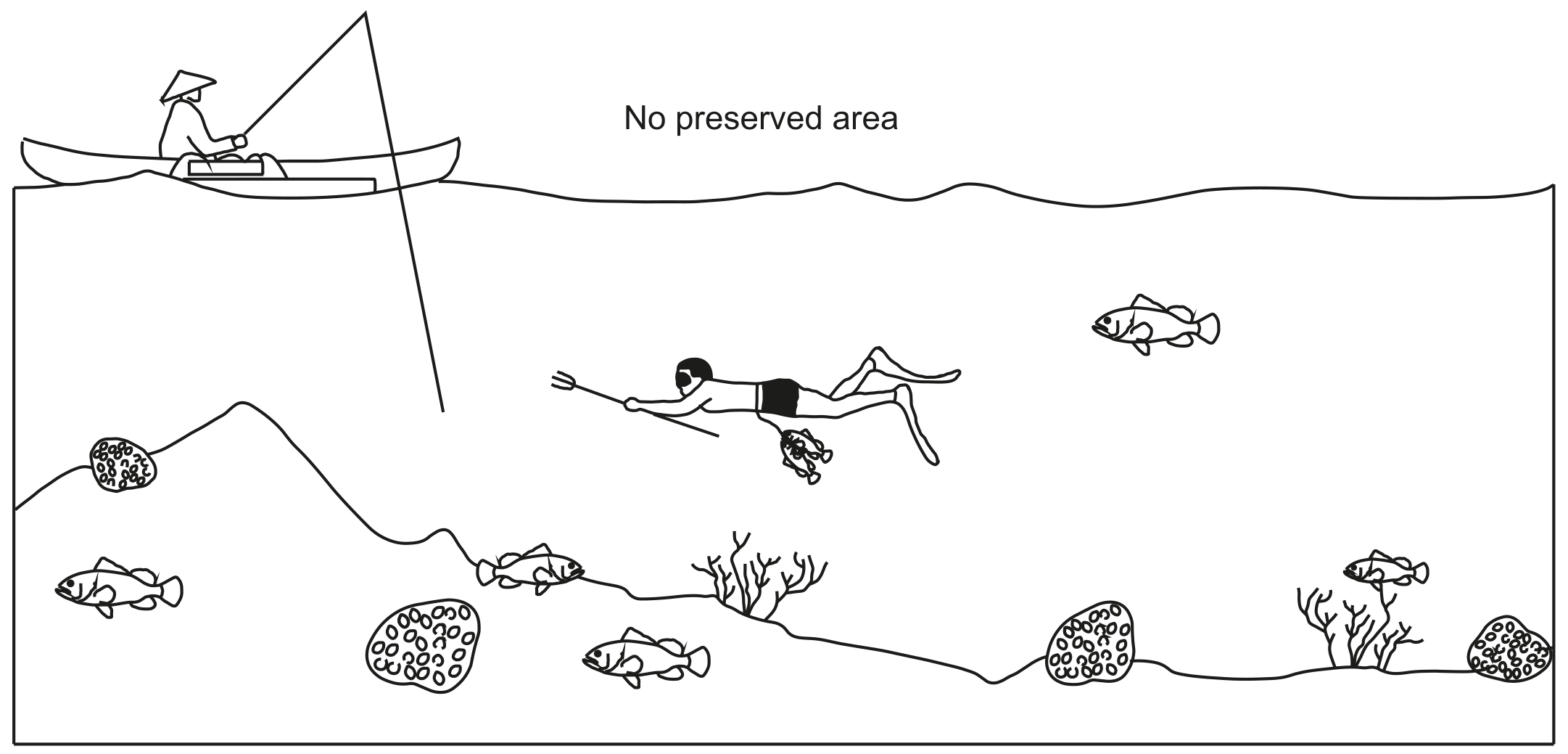
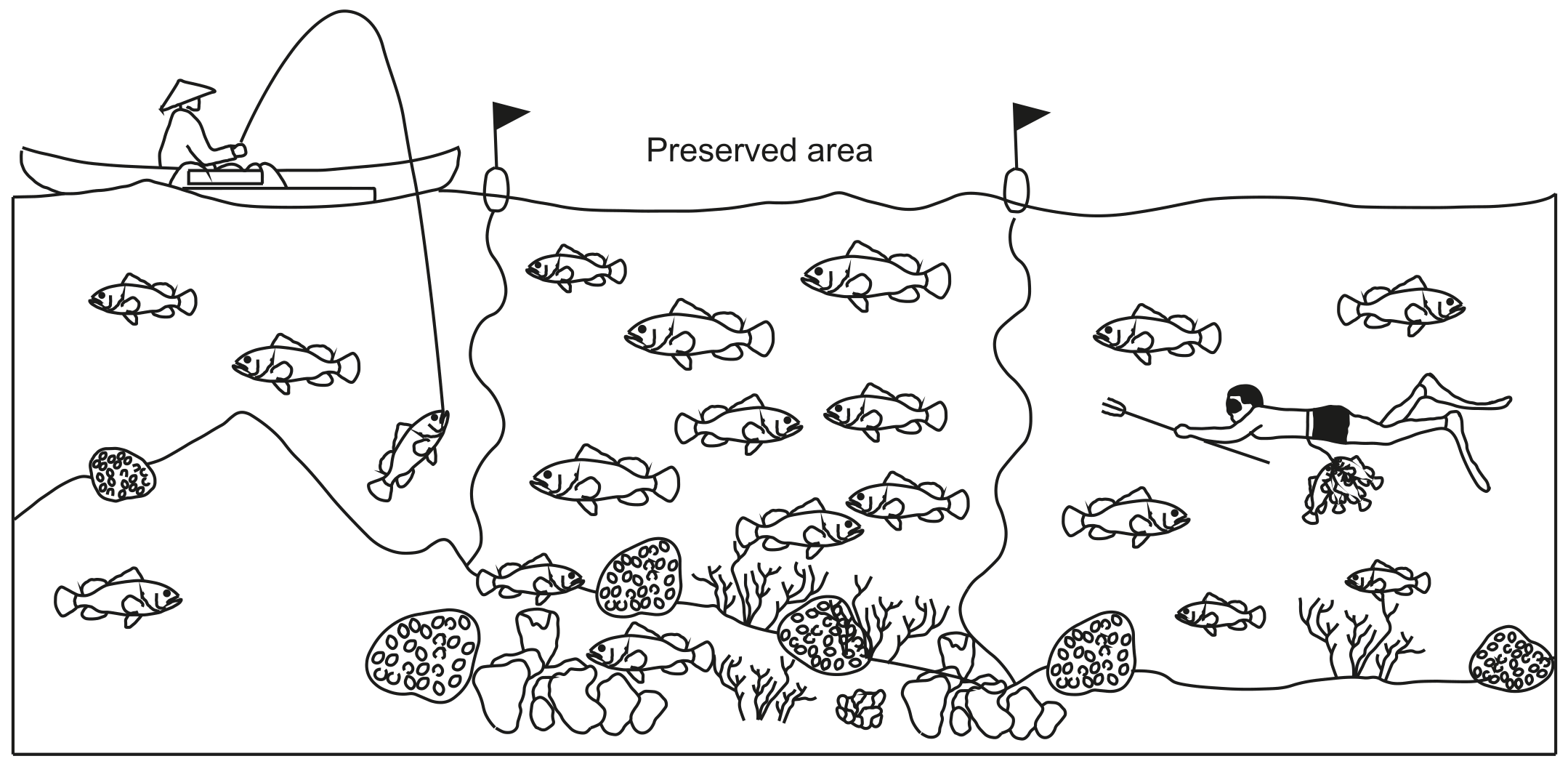
Figure 8(b): Impact of excluding fishing in areas designated as either a Marine Protected Area (MPA) or a Locally Managed Marine Area (LMMA)

Figure 8(b): Impact of excluding fishing in areas designated as either a Marine Protected Area (MPA) or a Locally Managed Marine Area (LMMA)

Question image

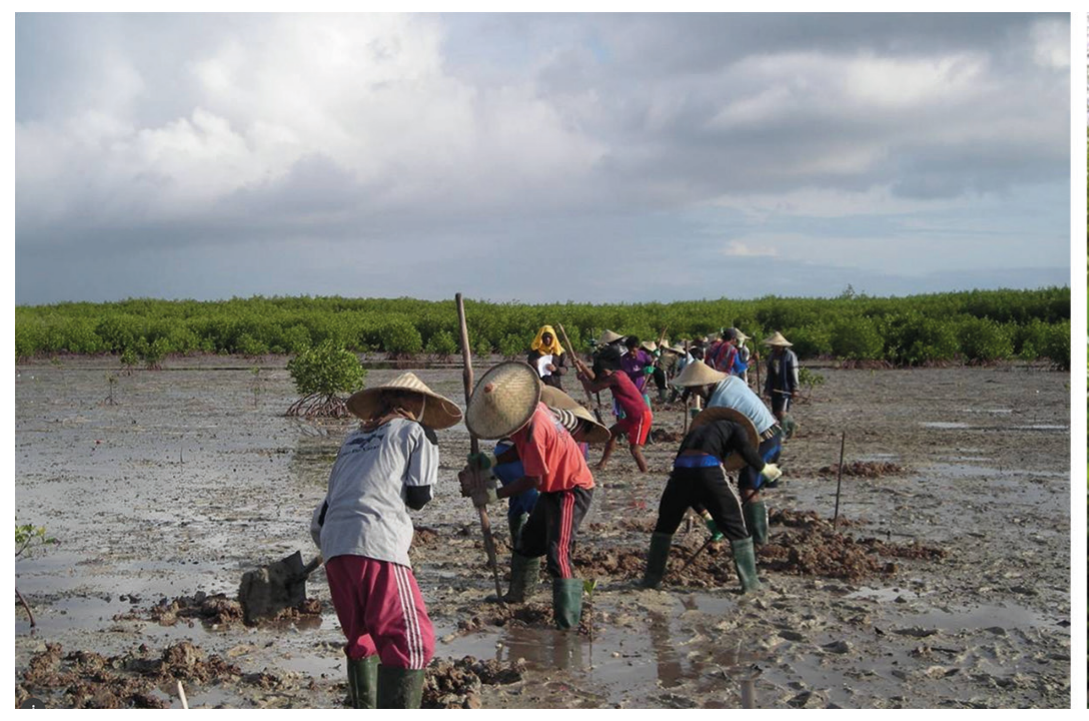
Figure 8(c): An example of a community-based ecological restoration project in Tiwoho Village within Bunaken National Park, Indonesia

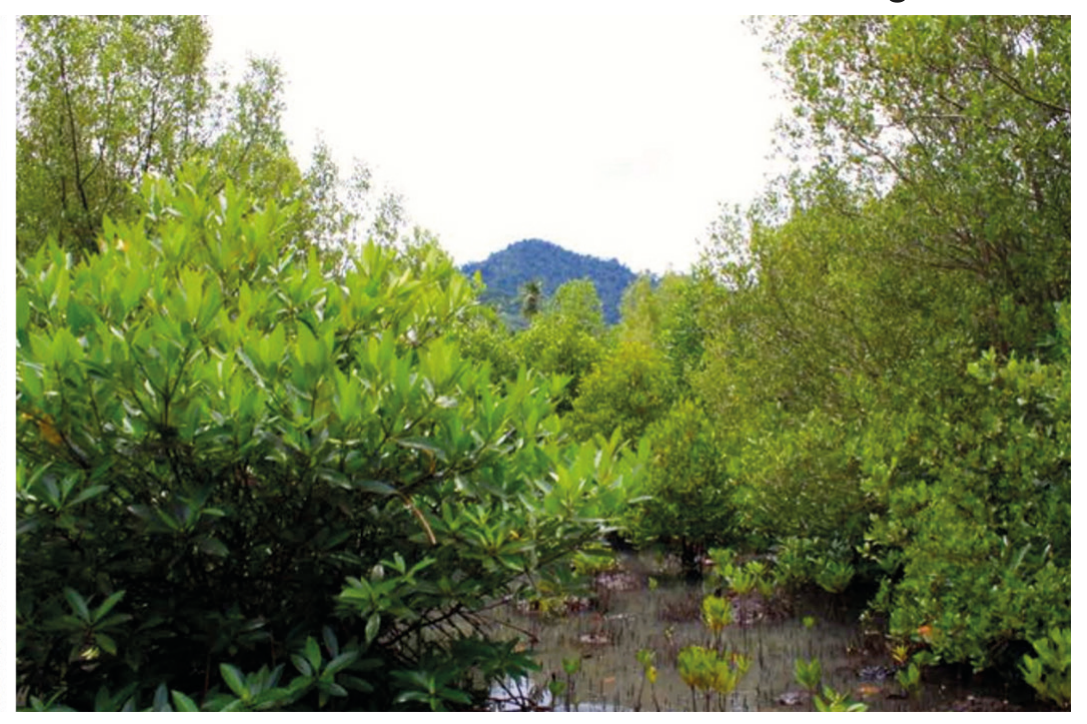
Conservation projects within the Coral Triangle have included restoring mangrove ecosystems though planting schemes.

Community planting of mangroves in 2004

Question image
Same site in 2011 with established mangroves

Same site in 2011 with established mangroves

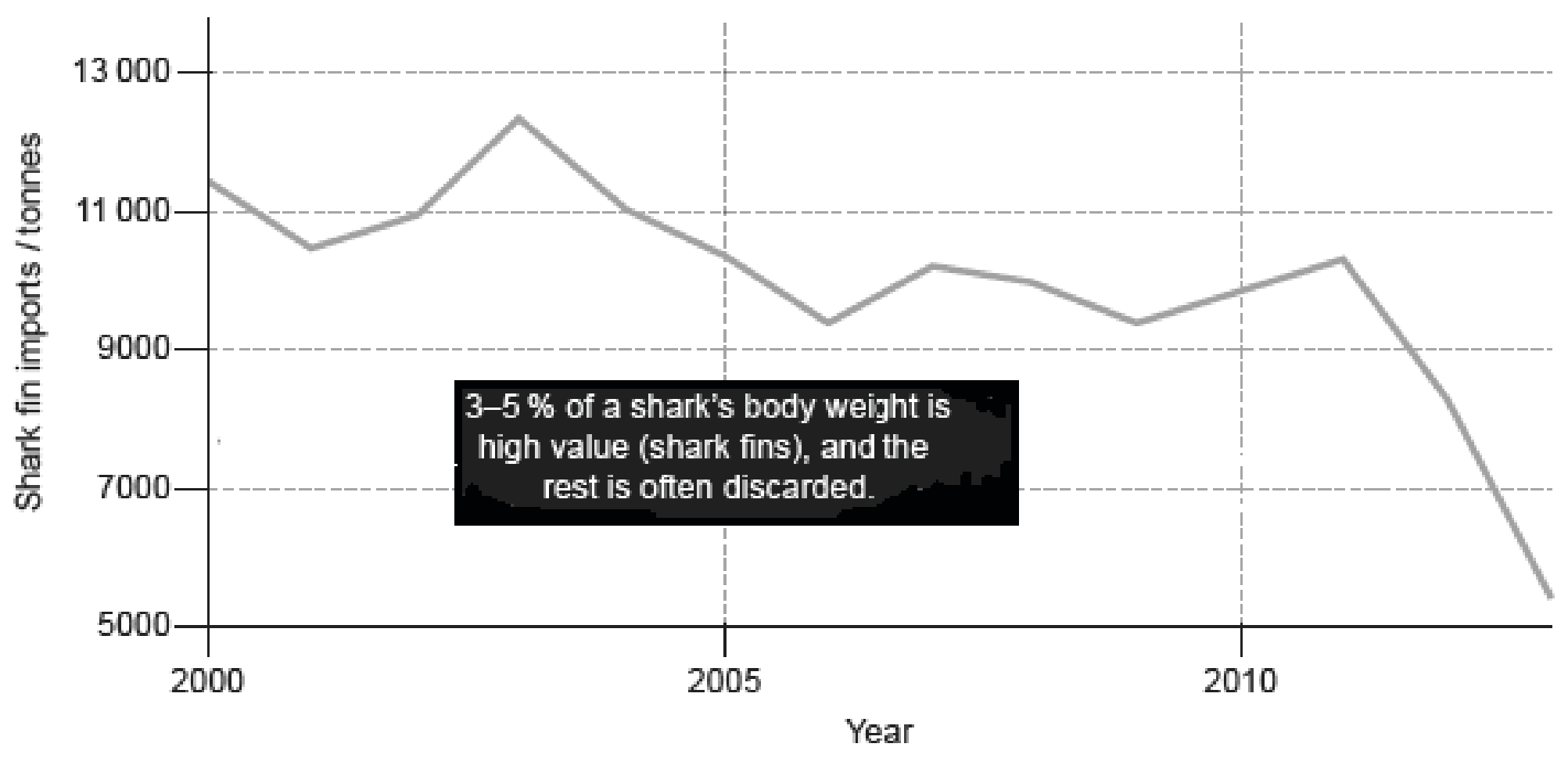
Conservation efforts have also focused on reducing trade of wildlife parts such as shark fins.

Figure 8(d): Drop in demand for shark fins in Hong Kong and mainland China

Figure 8(d): Drop in demand for shark fins in Hong Kong and mainland China

adapted from https://qz.com/197436/two-charts-show-how-shark-fin-soup-is-going-out-of-style/]
}

Suggest two strategies that could be used to reduce the threat to coral reefs from tourism.

Question 13

[Maximum number: 2]

CTI-CFF is an agreement among all six Coral Triangle nations to support food security, sustainable livelihoods and protection of unique ecosystems and marine species.
Popular approaches include MPAs and LMMAs; MPAs are usually managed by government, while LMMAs are more likely managed by local communities.
Zones may include no-take zones, tourism zones and restricted traditional fishing. Well-managed MPAs can increase fish size, fish numbers and biodiversity.
There are over 1000 MPAs in the Coral Triangle, with a target to designate 20% of each main habitat as MPAs.

Figure 8(b): Area without fishing exclusion

Figure 8(b): Area without fishing exclusion

Figure 8(b): Marine area with preserved/no-take area

Figure 8(b): Marine area with preserved/no-take area

With reference to Figure 8(a), outline two advantages of Locally Managed Marine Areas (LMMAs) for providing effective conservation of marine systems.

Question 14

[Maximum number: 1]

CTI-CFF is an agreement among all six Coral Triangle nations to support food security, sustainable livelihoods and protection of unique ecosystems and marine species.
Popular approaches include MPAs and LMMAs; MPAs are usually managed by government, while LMMAs are more likely managed by local communities.
Zones may include no-take zones, tourism zones and restricted traditional fishing. Well-managed MPAs can increase fish size, fish numbers and biodiversity.
There are over 1000 MPAs in the Coral Triangle, with a target to designate 20% of each main habitat as MPAs.

Figure 8(d): Drop in demand for shark fins in Hong Kong and mainland China

Figure 8(d): Drop in demand for shark fins in Hong Kong and mainland China

Identify one way in which conservation efforts may have given rise to the decline in shark fin imports shown in Figure 8(d).

Question 15

[Maximum number: 6]

The Coral Triangle is about 6 million km^2 in Southeast Asia and is the most biodiverse marine ecosystem in the world.
Habitats include coral reefs, seagrass beds and mangroves; it supports livelihoods of over 120 million people.
It is an important spawning area for the largest tuna fishery in the world; capture fisheries were valued at US$9.9 billion in 2014.

MangroveSeagrassCoral reef
Nursery/habitat for fish and shellfishNursery/habitat for many speciesNursery/habitat supporting high biodiversity
Traps sediments and absorbs nutrientsTraps sediments and absorbs nutrientsFilters particulates, increasing water clarity
Absorbs CO2 and emits oxygenAbsorbs CO2 and emits oxygenProvides fish and shellfish
Reduces coastal erosion/storm impactsStabilizes sedimentSupports tourism/fisheries

Figure 5: Ecosystem goods and services in coastal marine habitats

EcosystemSoil carbonLiving biomassTotal carbon
Boreal forest15094244
Tropical forest83167250
Mangroves10304641494
Tidal marsh92031951
Seagrass meadows60810618

Figure 6: Carbon storage in different ecosystems

Coral reefs and mangroves in the Coral Triangle have declined by over 40% since the 1970s; over 85% of coral reefs are threatened by population growth and human activity.
Threats include removal of mangroves, unsustainable/destructive fishing, demand for turtle products and shark fins, land-based pollution, tourism impacts and climate change.
Tourism threats include sewage, plastic waste, coral trampling, boat-anchor damage, stress to wildlife and collection of wildlife souvenirs.

CTI-CFF is an agreement among all six Coral Triangle nations to support food security, sustainable livelihoods and protection of unique ecosystems and marine species.
Popular approaches include MPAs and LMMAs; MPAs are usually managed by government, while LMMAs are more likely managed by local communities.
Zones may include no-take zones, tourism zones and restricted traditional fishing. Well-managed MPAs can increase fish size, fish numbers and biodiversity.
There are over 1000 MPAs in the Coral Triangle, with a target to designate 20% of each main habitat as MPAs.

Figure 8(b): Area without fishing exclusion

Figure 8(b): Area without fishing exclusion

Figure 8(b): Marine area with preserved/no-take area

Figure 8(b): Marine area with preserved/no-take area

Figure 8(c): Same site in 2011 with established mangroves

Figure 8(c): Same site in 2011 with established mangroves

With reference to data throughout the resource booklet, to what extent would the establishment of Marine Protected Areas (MPAs) benefit marine ecosystems and human societies within the Coral Triangle?

0 selected