EduNinja

IB ESS SL4.2 Water access, use and securityQuestion Bank

Question 1

Question 1(e)

(a)

Figure 4 shows the pattern of water use in Moldova. Water used in irrigation and raising livestock often does not return to the Danube, but evaporates. Suggest one possible impact of the failure to return water to the river.
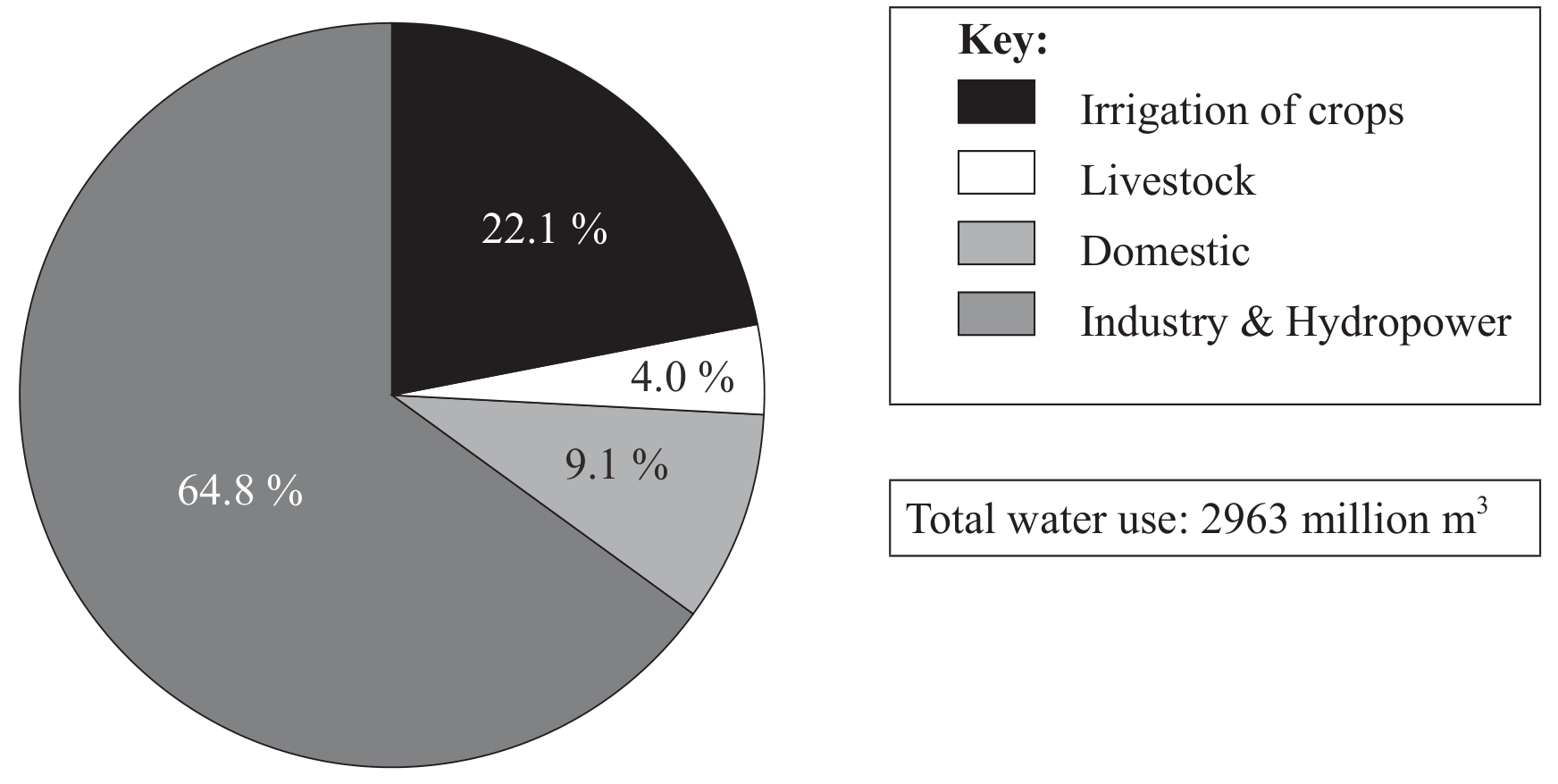
Figure 4: Water use in Moldova in 1992

Figure 4: Water use in Moldova in 1992

Figure 4 shows Moldova water use in 1992: irrigation of crops is the largest use, followed by industry/hydropower, domestic use and livestock. The total water use shown is 596.5 million m^3.

[ 1 ]
Question 1

[Maximum number: 4]

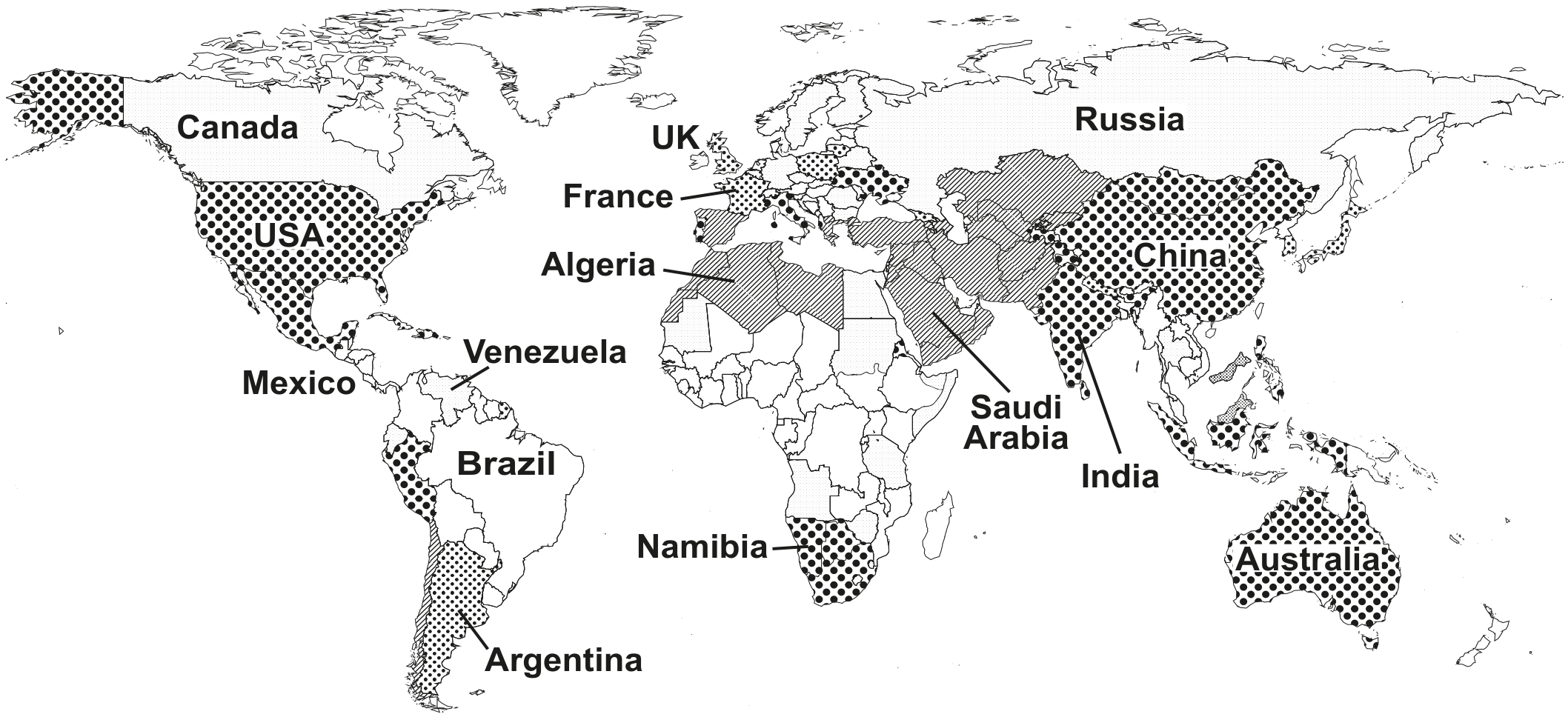
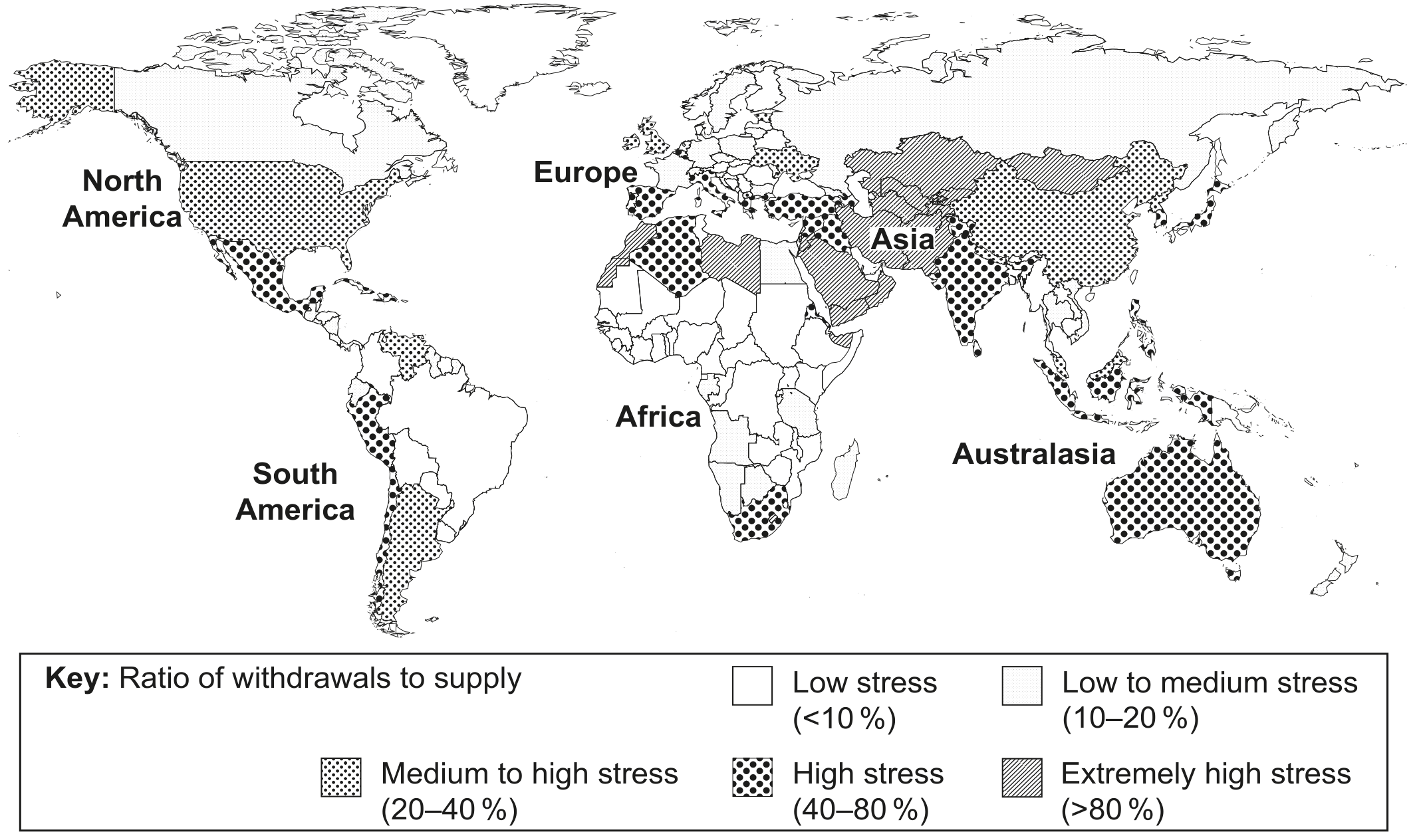
Figures 1(a) and 1(b) show the availability of renewable freshwater per capita in 2013 and its predicted availability in 2040.

Figure 1(a): Water stress by country in 2013

Figure 1(a): Water stress by country in 2013

Figure 1(b): Predicted water stress by country in 2040

Figure 1(b): Predicted water stress by country in 2040

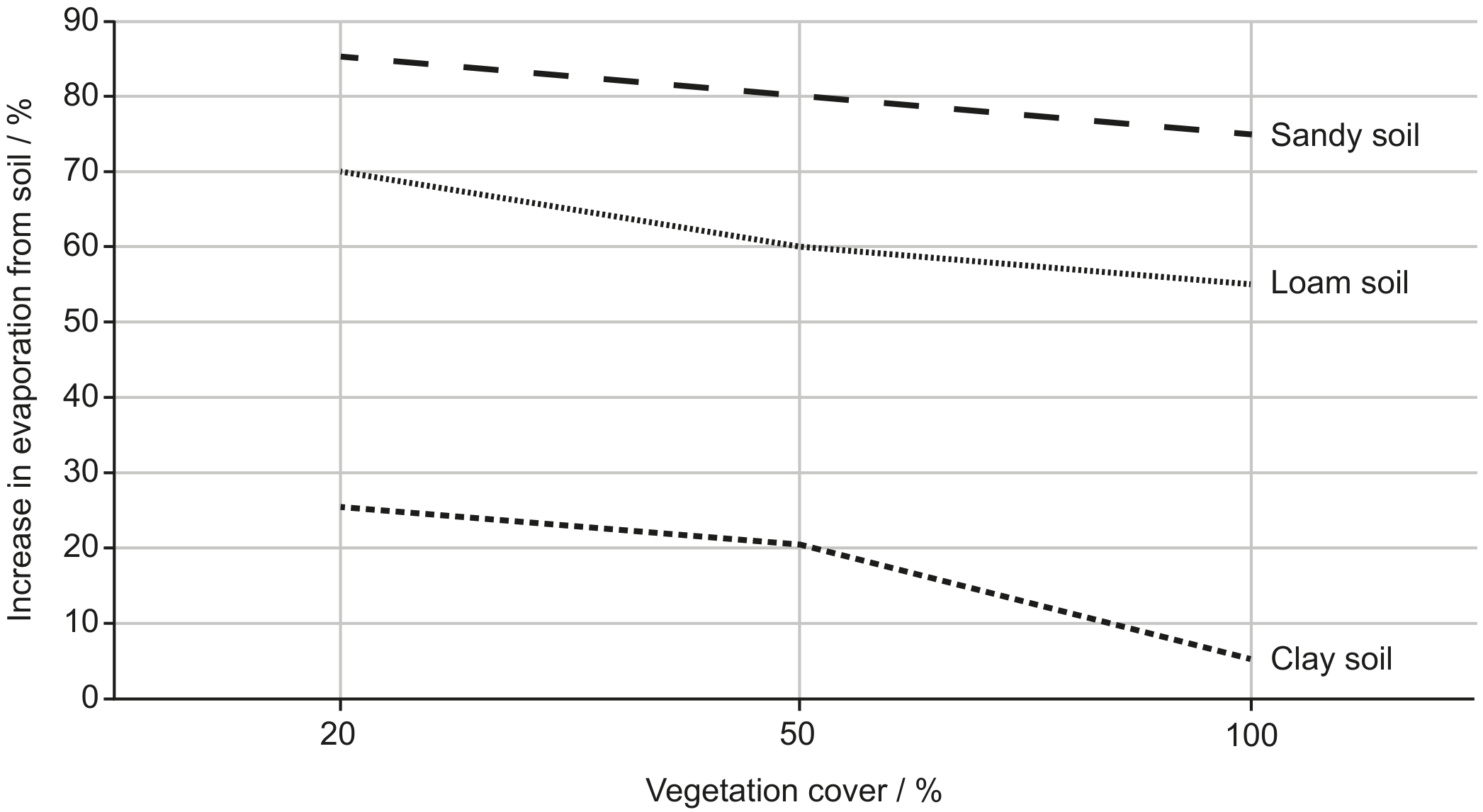
Figure 2: Relationship between vegetation cover and evaporation from different soil types

Figure 2: Relationship between vegetation cover and evaporation from different soil types

Question 1(a)

(a)

Using Figures 1(a) and 1(b):

[ 2 ]

Question 1(a)(i)

(i)

State one country with no expected change in water stress between 2013 and the 2040 prediction.

[ 1 ]

Question 1(a)(ii)

(ii)

State one difference in water scarcity between 2013 and the 2040 prediction.

[ 1 ]

Question 1(c)

(b)

Describe two water management strategies that can reduce water scarcity.

[ 2 ]

Question 1

[Maximum number: 1]
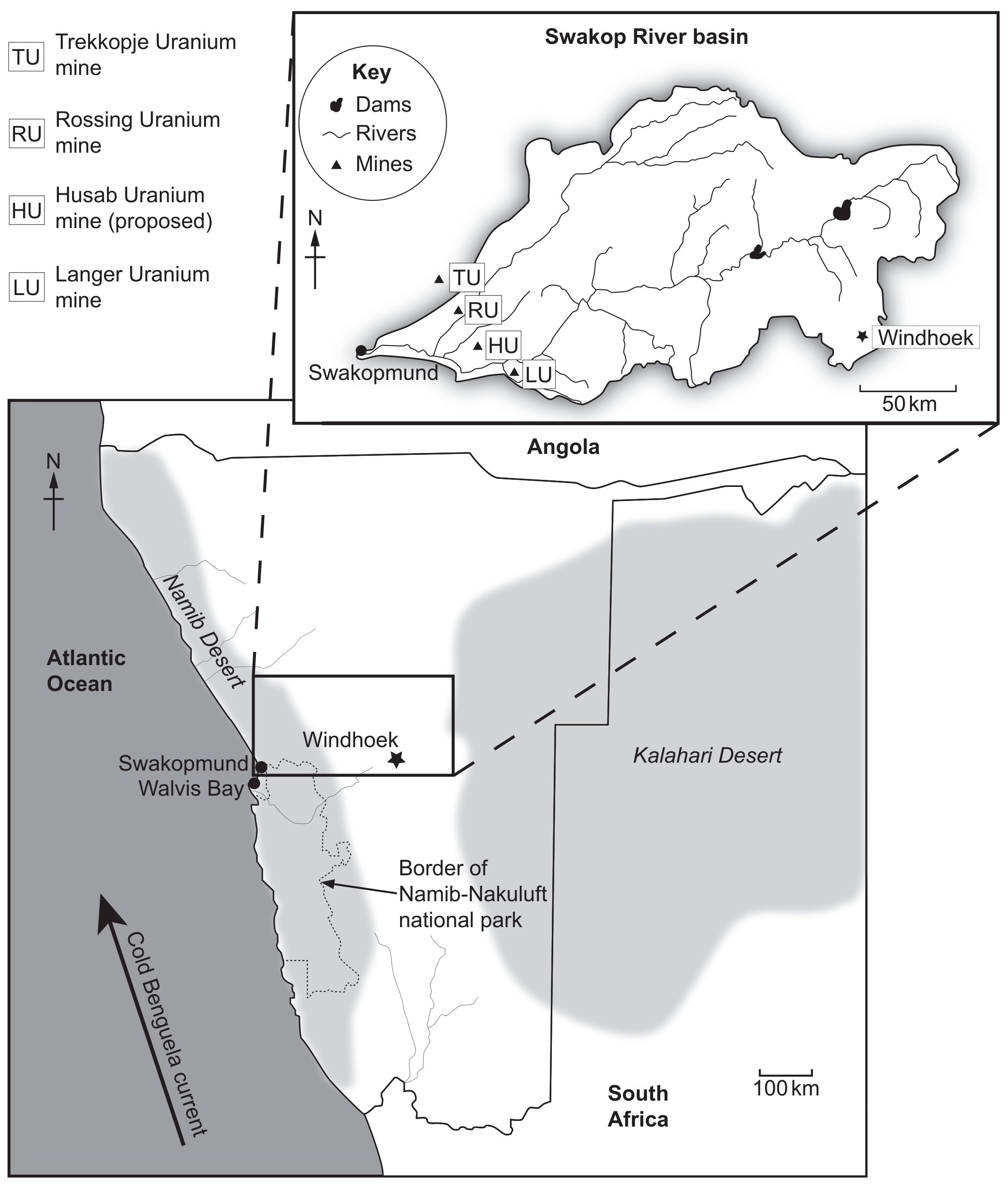
Figure 1(b): Map showing Swakop River in Namibia

Figure 1(b): Map showing Swakop River in Namibia

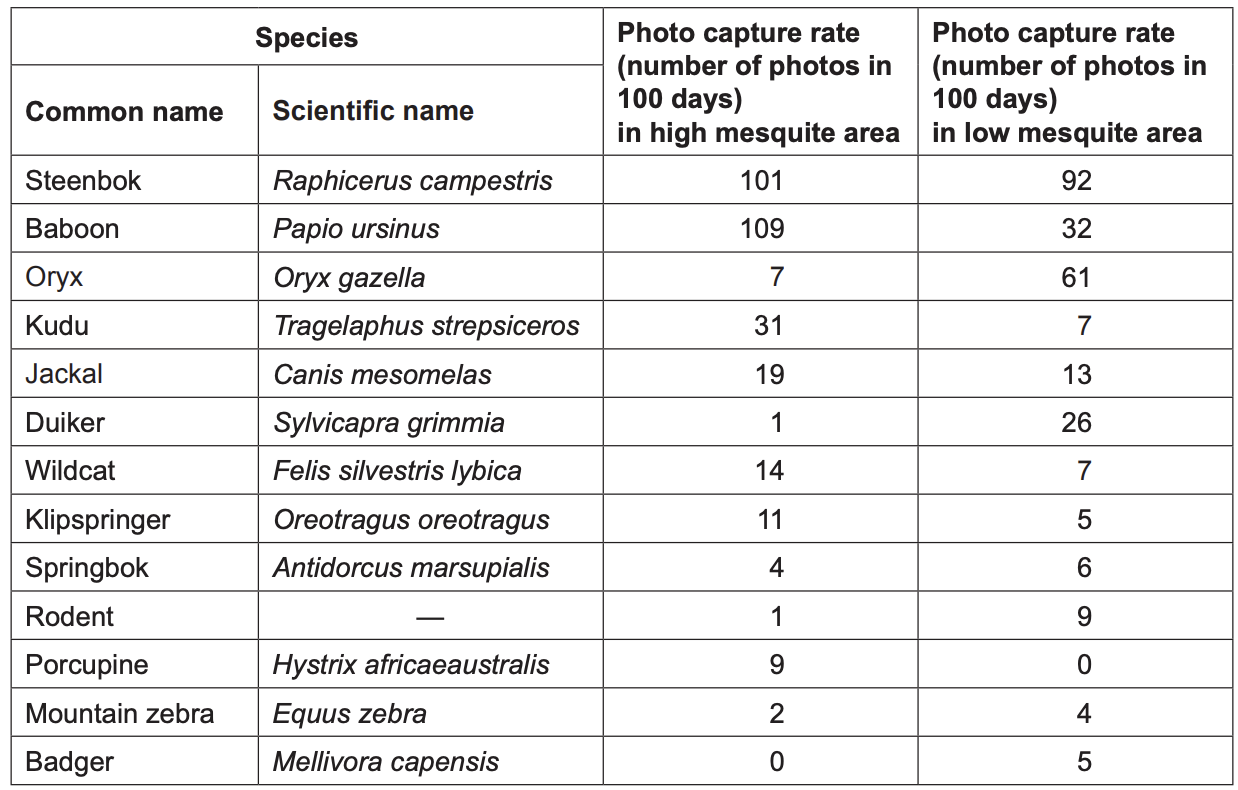
Figure 4(b): Camera trap data for high and low mesquite areas

Figure 4(b): Camera trap data for high and low mesquite areas

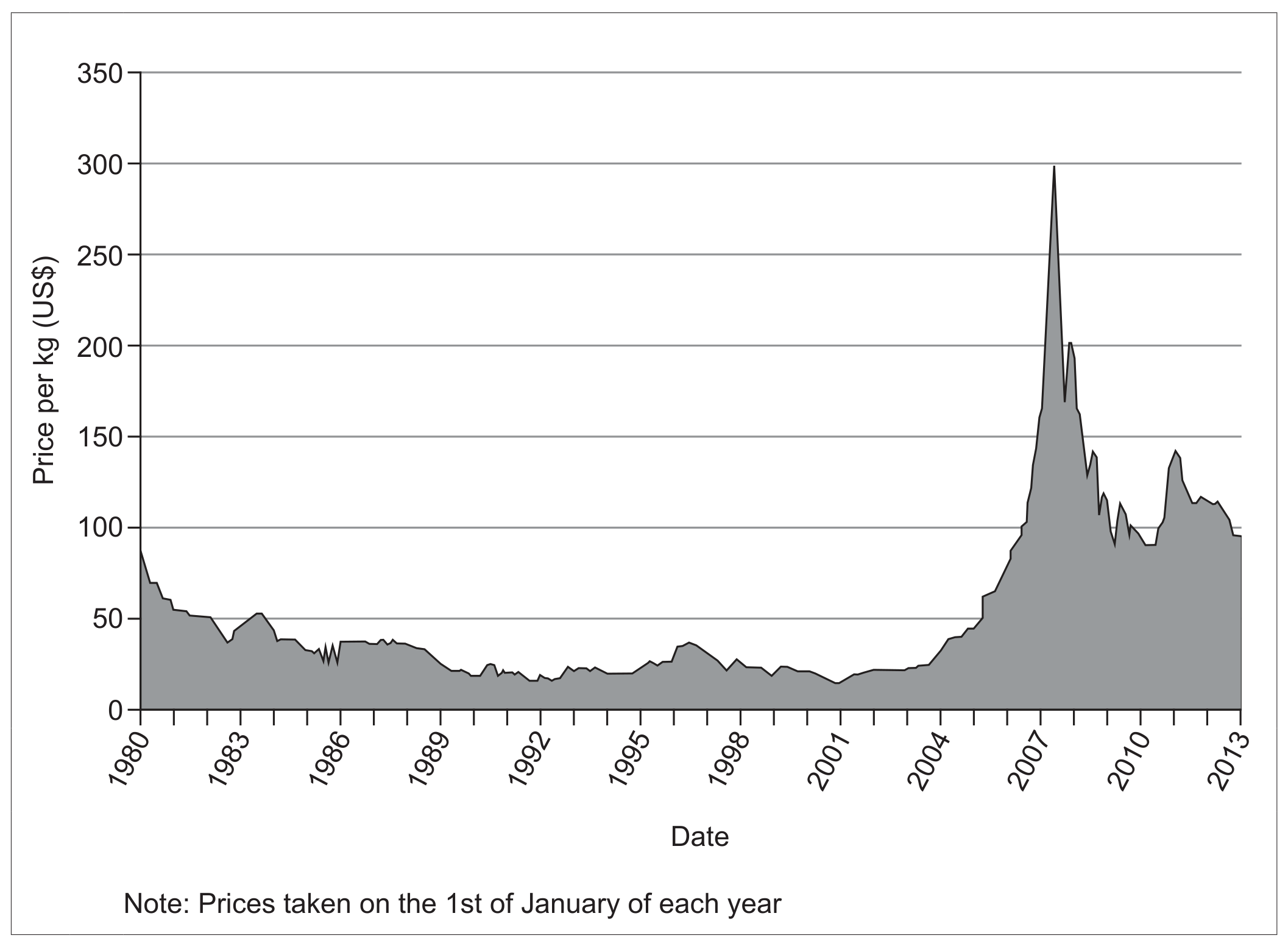
Figure 5(a): Uranium prices from 1980 to 2013

Figure 5(a): Uranium prices from 1980 to 2013

Question 1(k)

(a)

With reference to Figures 6(a) and 7, calculate the amount of water available for other uses, after the Erongo desalination plant has met the needs of the three operational mines.

Figure 6(a): the three mines in the Swakop Valley require 10 million cubic metres of water per year.
Groundwater aquifers have very low volumes as demand from mines and towns rises.
SEMP indicator for acceptable community water quality: status not met.
SEMP indicator that groundwater removal does not exceed sustainable yield: status not met.

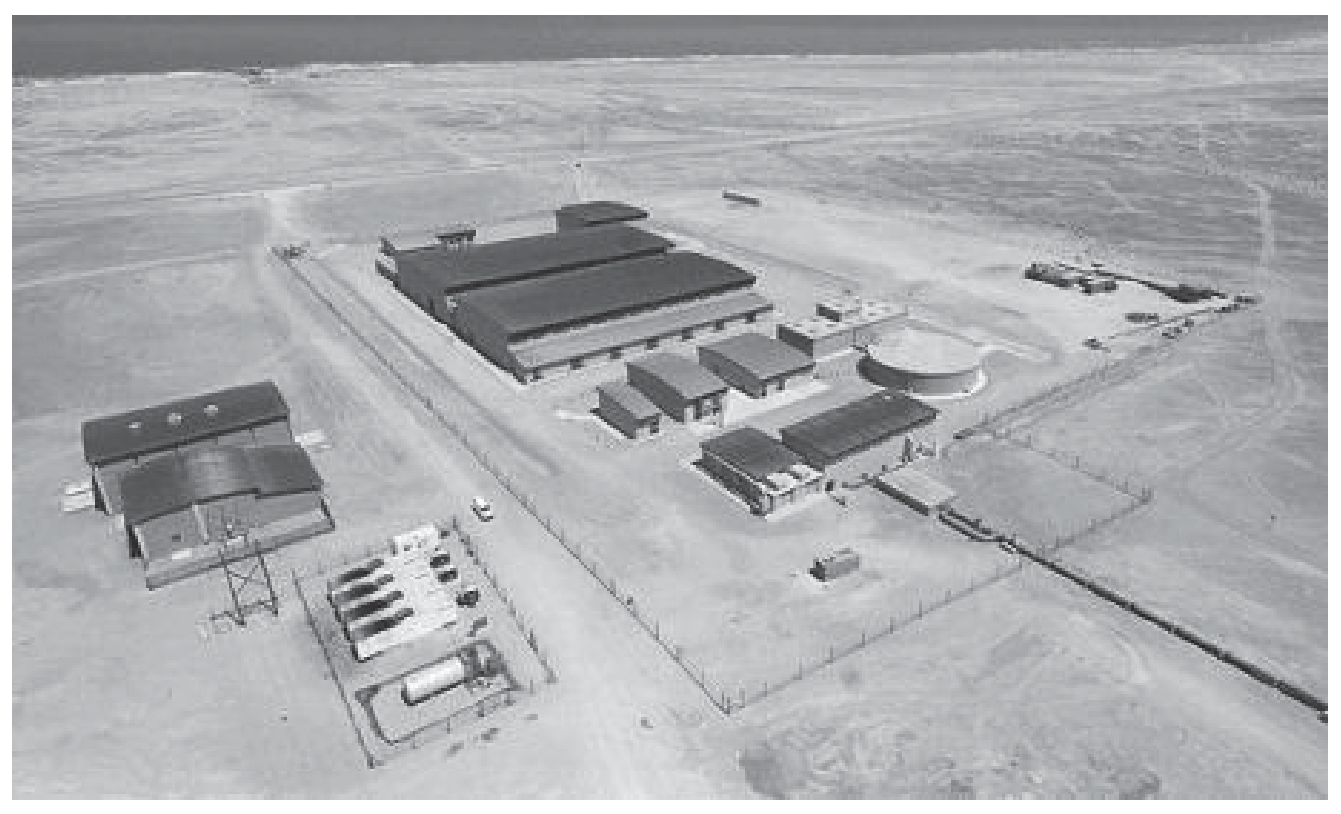
Figure 7: Erongo water desalination plant

Figure 7: Erongo water desalination plant

Figure 7: the Erongo desalination plant produces 20 million cubic metres of freshwater per year.
It now supplies existing uranium mines and has spare capacity for Swakop Valley communities and the proposed Husab mine.
After the Fukushima nuclear accident, demand for uranium dropped and the Trekkopje mine did not open.

[ 1 ]

Question 2

[Maximum number: 6]
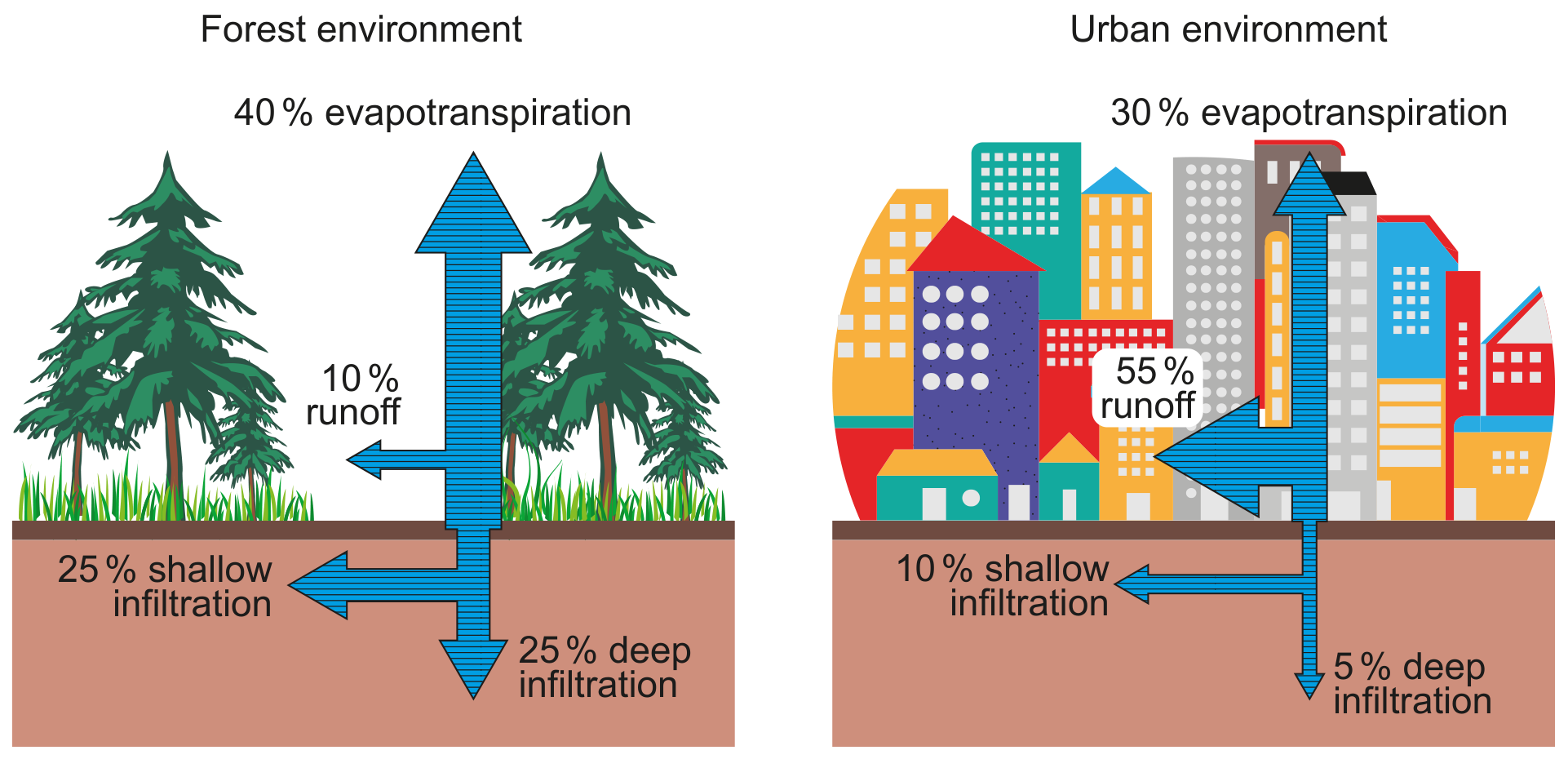
Figure 2(a): Water transfers and transformations after rainfall in forest and urban environments

Figure 2(a): Water transfers and transformations after rainfall in forest and urban environments

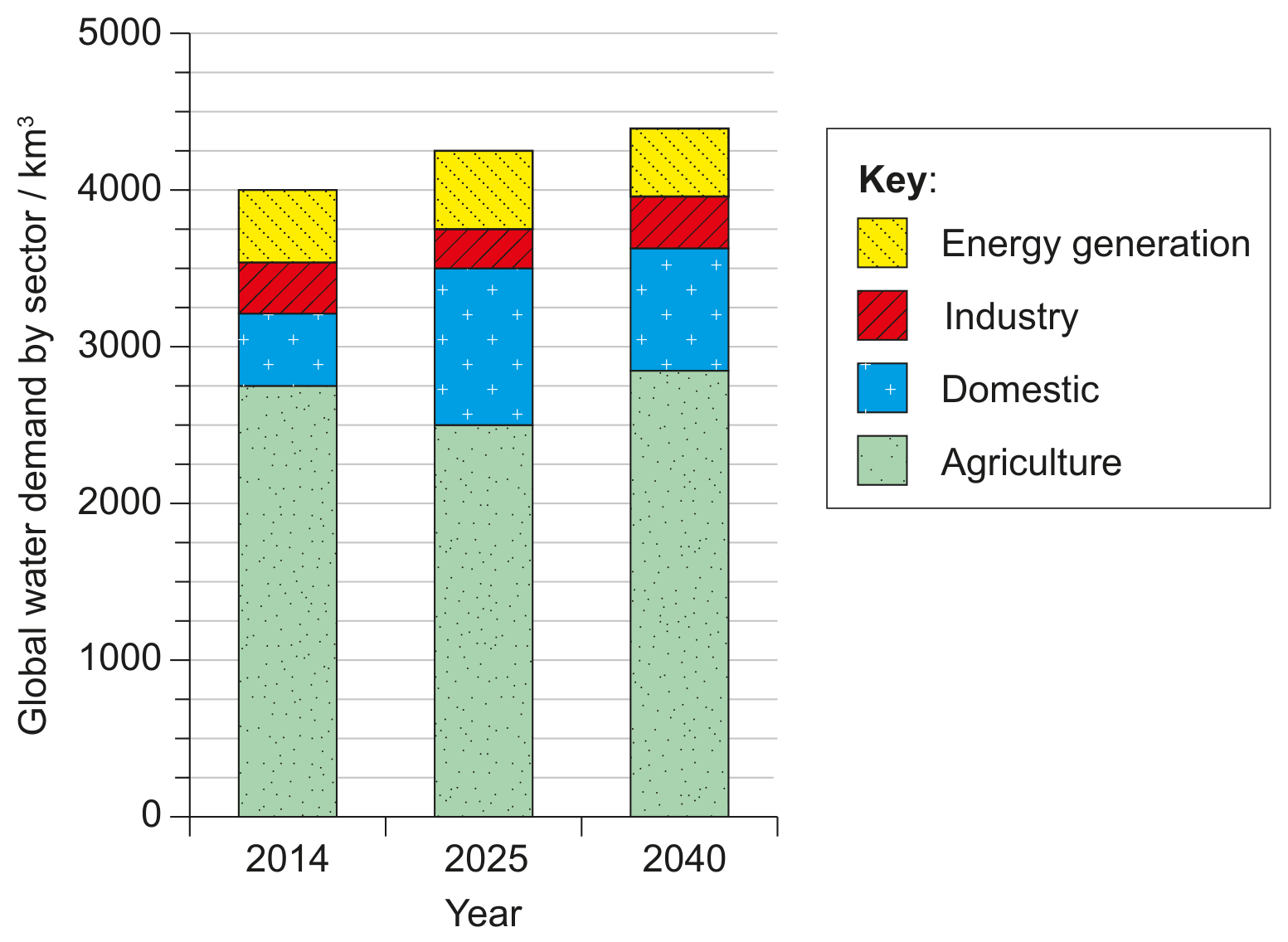
Figure 2(b): Global water demand by sector for 2014, and projected for 2025 and 2040

Figure 2(b): Global water demand by sector for 2014, and projected for 2025 and 2040

Question 2(d)

(a)

Calculate the percentage of water projected to be used for agriculture in 2025, shown in Figure 2(b).

[ 1 ]

Question 2(e)

(b)

Suggest one reason for the projected decrease in the demand for water in agriculture between 2014 and 2025, shown in Figure 2(b).

[ 1 ]

Question 2(f)

(c)

Outline two reasons why water demand shown in Figure 2(b) is projected to increase globally from 2014-2040.

[ 2 ]

Question 2(g)

(d)

Outline two strategies to meet an increasing demand for domestic water.

[ 2 ]

Question 2

[Maximum number: 2]

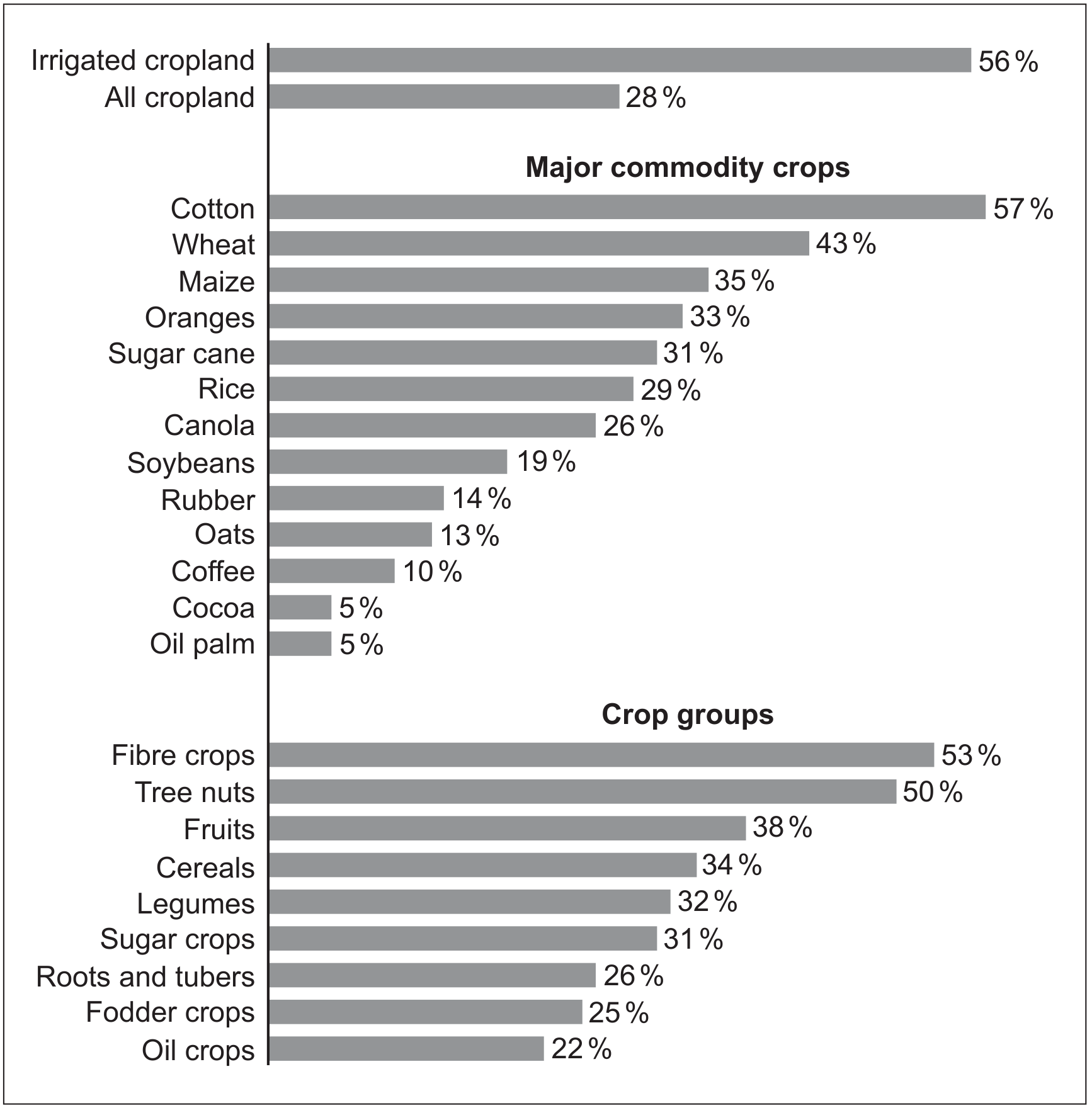
Water stress is the total annual extraction of water as a proportion of the renewable supply in a given area. If the extraction represents 40 % or more of the available supply it is described as a high risk area.

Figure 2: Water stress for selected crops

Figure 2: Water stress for selected crops

Question 2(b)

(a)

Identify two strategies that could be used to grow crops in areas of high water stress.

[ 2 ]

Question 2

[Maximum number: 5]
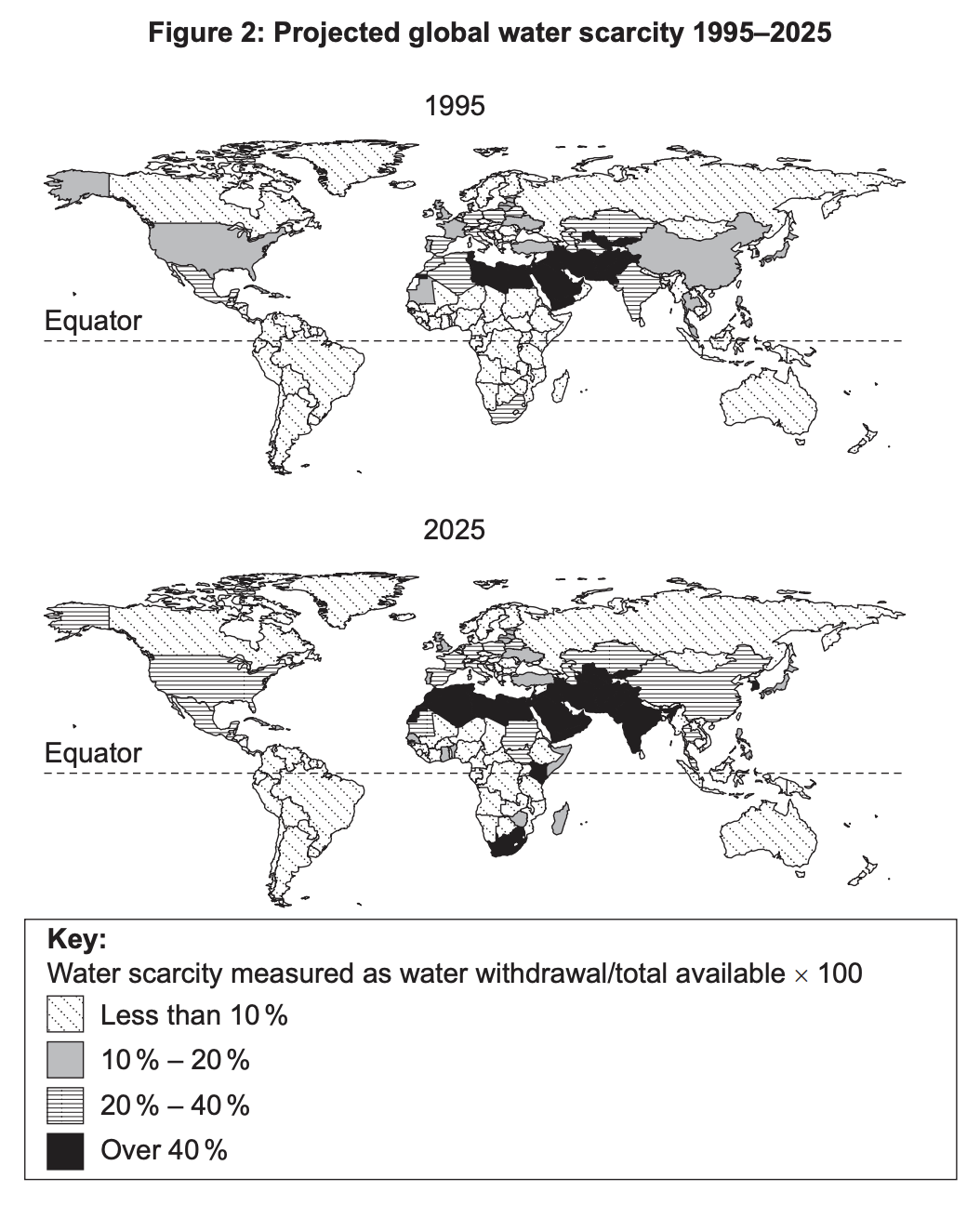
Figure 2: Projected global water scarcity 1995

Figure 2: Projected global water scarcity 1995

Question 2(a)

(a)

State the general pattern of change in global water scarcity predicted from 1995 to 2025 as shown in Figure 2.

[ 1 ]

Question 2(c)

(b)

Identify two possible human influences, not related to climate change, that may cause the changes in water scarcity predicted for 2025.

[ 2 ]

Question 2(d)

(c)

Outline two reasons why some countries are unlikely to experience water scarcity.

[ 2 ]

Question 7

[Maximum number: 4]

Figure 9(a): Fact file on water resources in Beijing
Figure 9(a): Beijing is water scarce. Water use per person has decreased, but total demand has increased because of population growth.
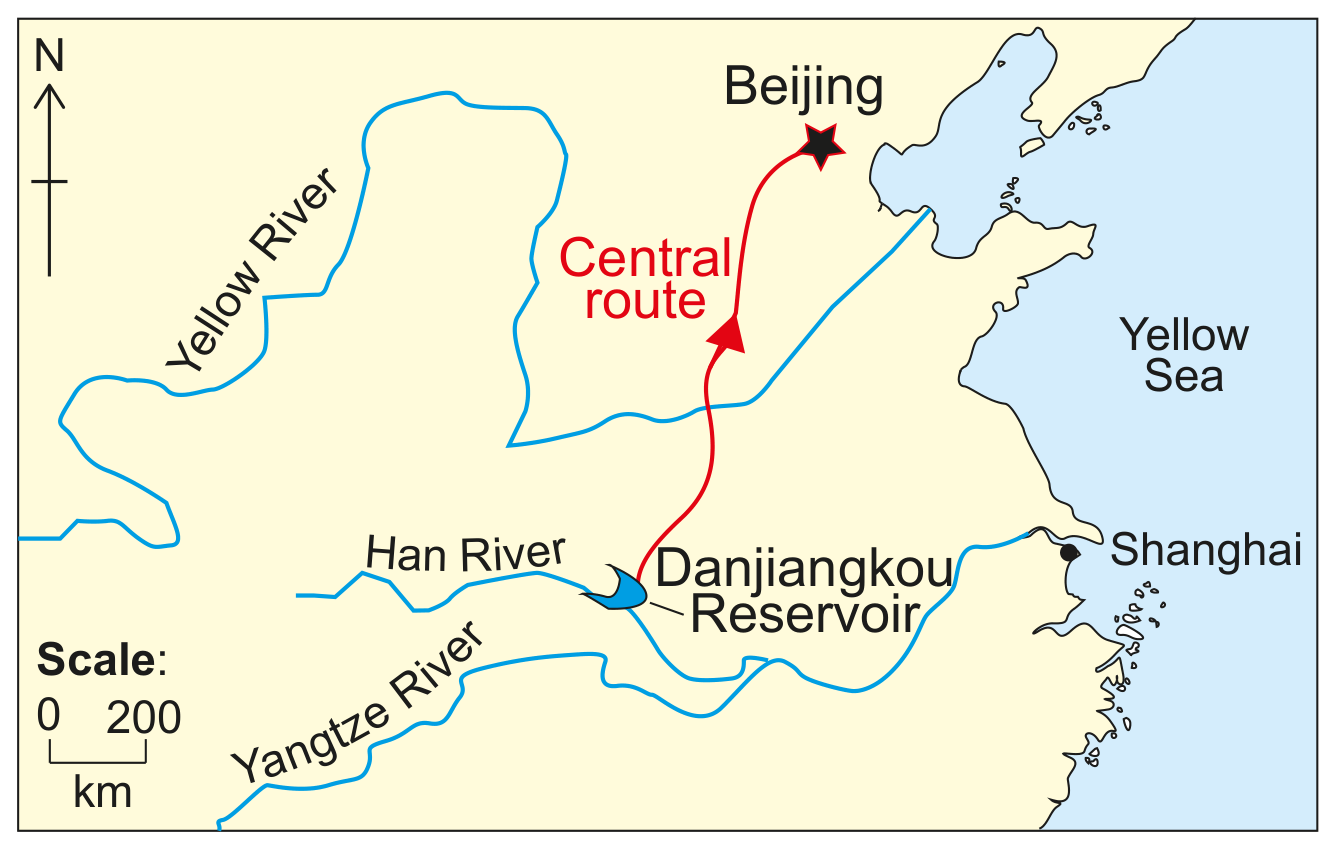
By 2020 about 70% of Beijing water was supplied from the South-North Water Diversion Project.
The project expanded the Danjiangkou dam and reservoir, transfers water over 1200 km to Beijing, generates hydroelectricity and provides flood control.

Question 7(a)

(a)

Outline one way in which a reduction in water usage per person as referred to in

Figure 9(a) could have been achieved.

[ 1 ]

Question 7(b)

(b)
Figure 9(b): Central route of the South-North Water Diversion Project

Figure 9(b): Central route of the South-North Water Diversion Project

With reference to Figures 9(a) and 9(b), evaluate the South-North Water

Diversion Project.

[ 3 ]

Question 5

[Maximum number: 2]

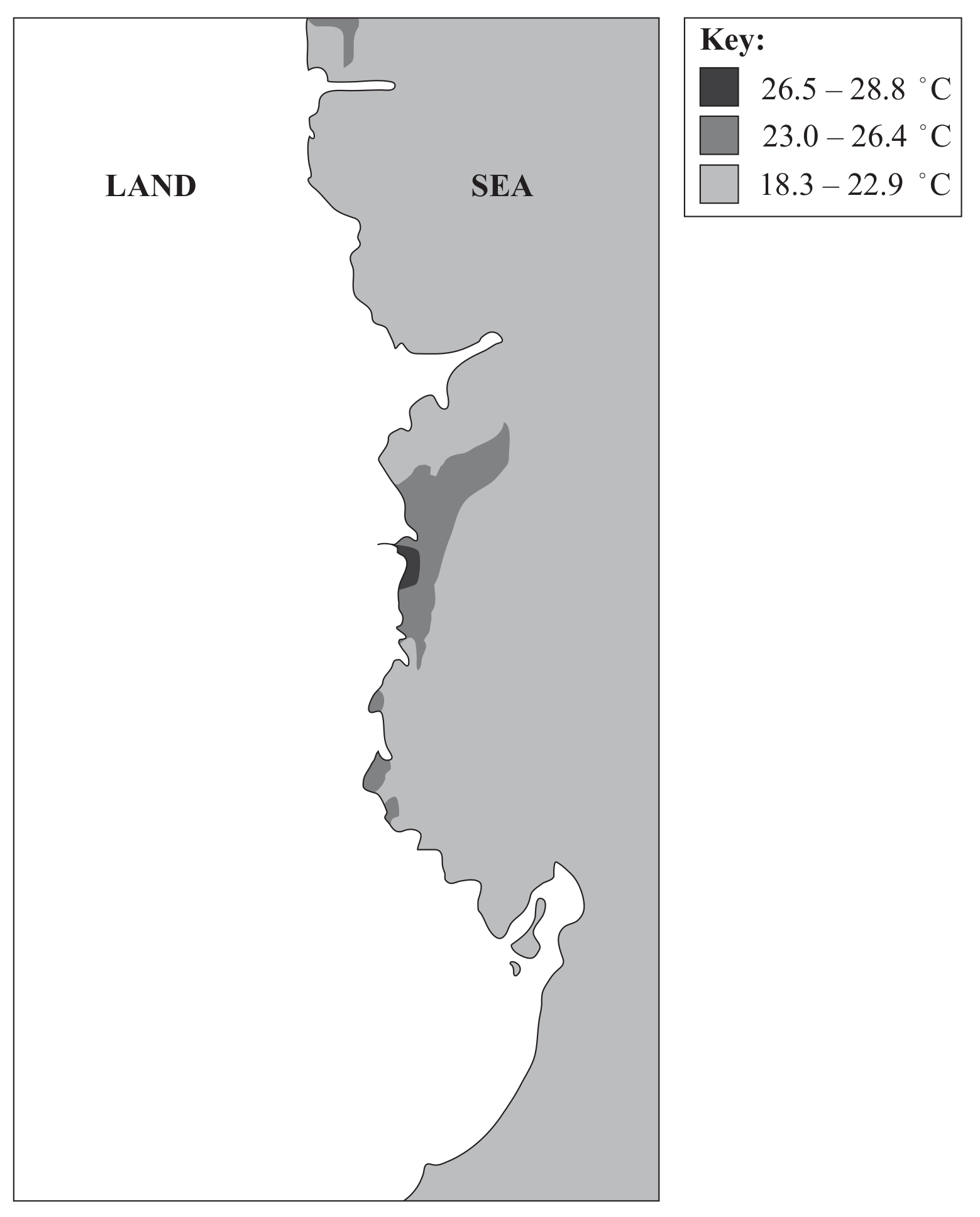
Figure 5 below shows a range of coastal seawater temperatures at different distances from a nuclear power station. Nuclear power stations may be responsible for localized thermal pollution of coastal waters. Thermal pollution is caused by warmer water being released into a colder body of water.

Figure 5

Figure 5

Question 5(c)

(a)

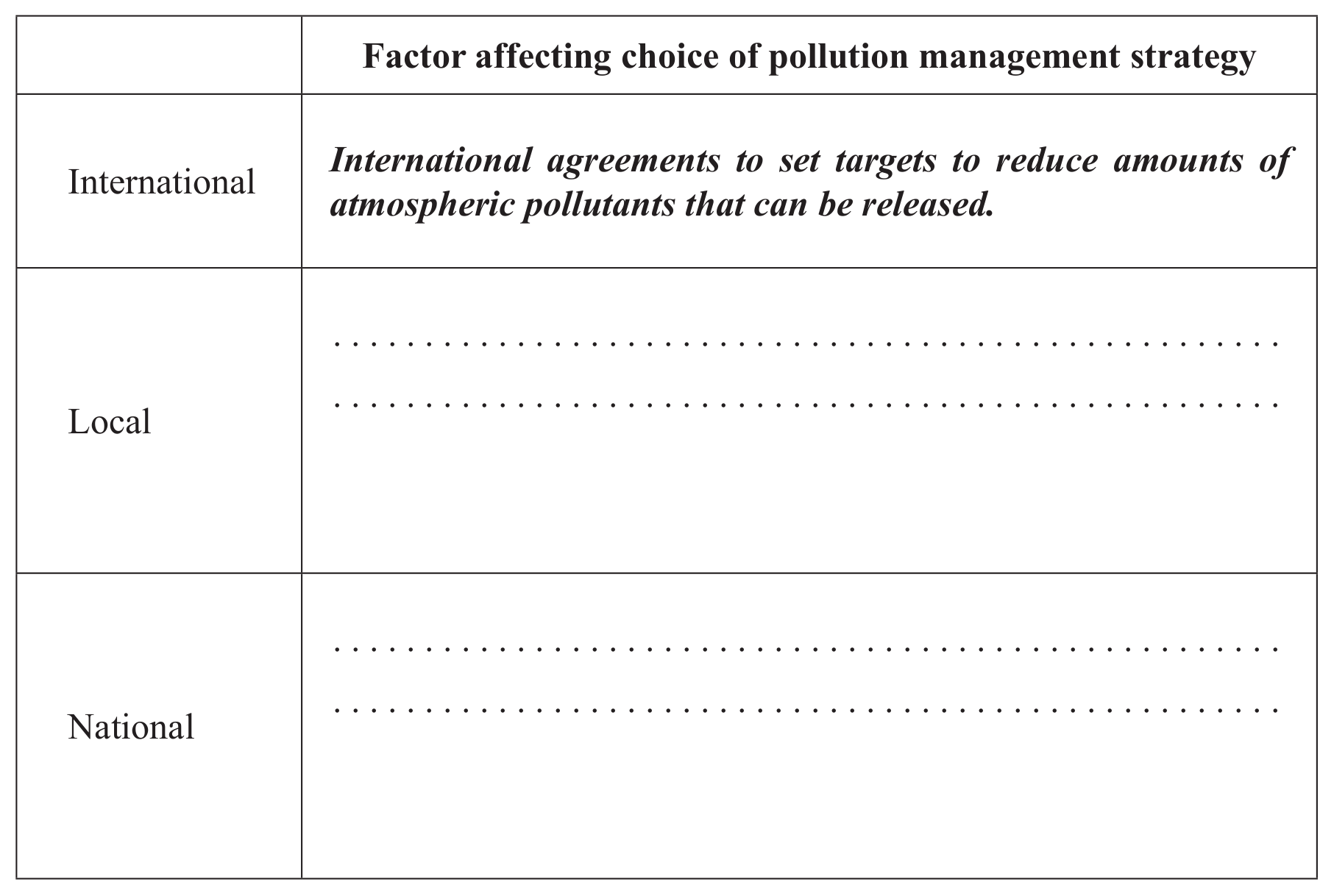
Identify one local factor which can affect the choice of pollution management strategy, and one national factor. An international factor has been shown as an example.

Table
[ 2 ]

Question 6

Question 6(b)

(a)

Explain how the growth in human population can affect local and regional water resources.

[ 7 ]

Question 6

Question 6(c)

(a)

To what extent are water scarcity issues better addressed through changing human behaviour than through technological development?

[ 9 ]
0 selected