Question 1
Question 1(i)
Suggest why reversing environmental degradation in Ogoniland is likely to be difficult.
Over 1.5 million tonnes of oil have spilt in the delta over the past 50 years, polluting water sources, damaging crops and fishing grounds. The delta is one of the five most polluted spots on Earth. More than 20000 hectares of mangroves have been destroyed by oil exploration. Natural gas from oil fields is burnt off as flares, potentially causing acid deposition and global warming. There is limited access to electricity, fresh water and health care. The oil industry provides few jobs. Improved transport has enabled exploitation of timber and fish resources, leading to overfishing, habitat loss, overhunting and clashes. Local people hold the oil industry responsible, and pipelines/facilities are regularly attacked.
A UN report on Ogoniland pollution called for a US$1 billion clean-up fund. It found drinking water with dangerous benzene and other pollutants, soil contamination more than five metres deep, failure by oil companies to meet standards, and spill sites claimed to be cleaned still highly contaminated. The Ogoni people fish and farm yam and cassava, worship land and rivers as God, and protect certain animals. They set up an environmental pressure group in 1990; during their non-violent campaign, Ken Saro-Wiwa was arrested, tried and hanged in 1995, causing international outrage.
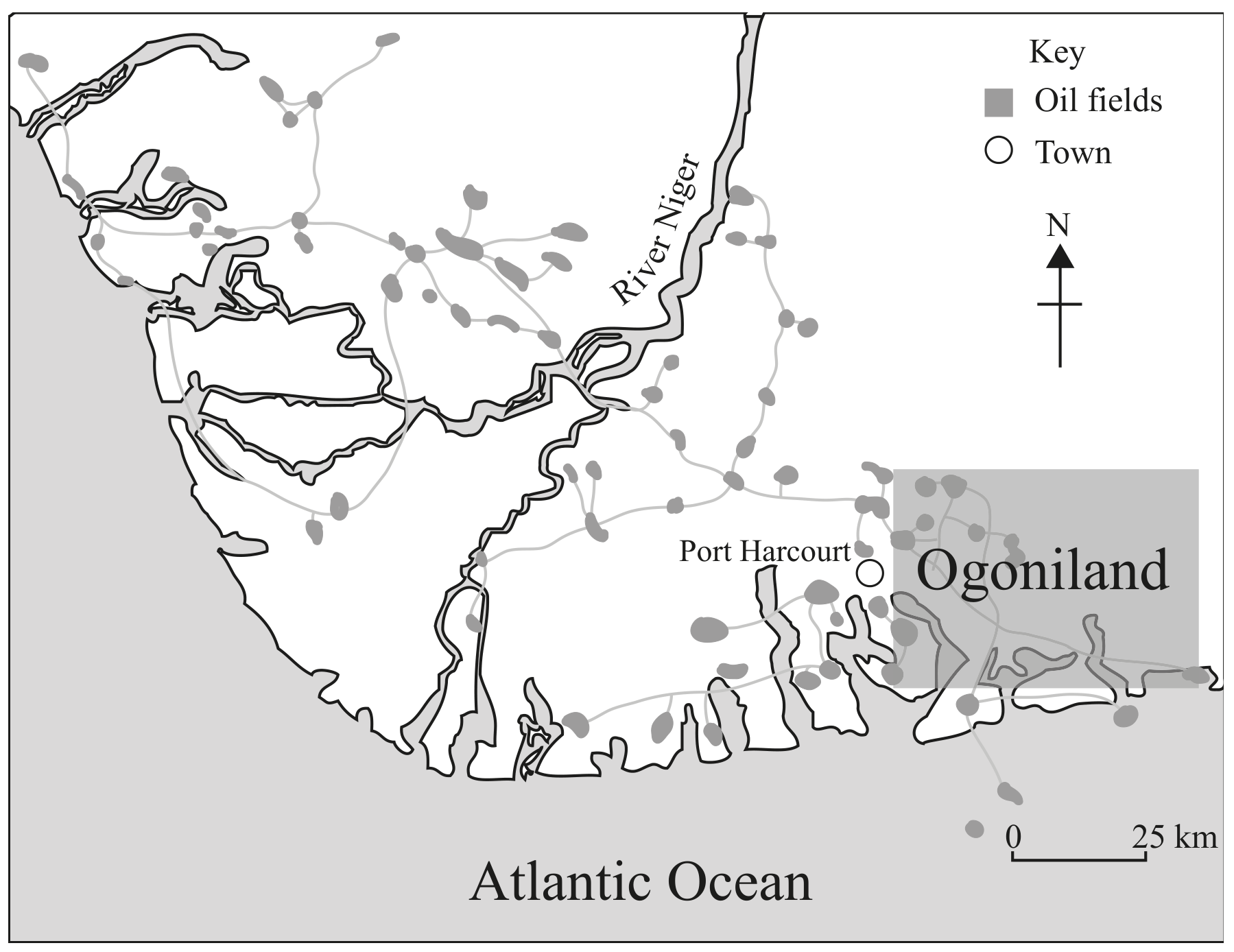
Figure 1: Regional map of the Niger Delta and Ogoniland case study area