EduNinja

IB ESS SL1.3 SustainabilityQuestion Bank

Question 1

[Maximum number: 2]

The figure refers to a typical Western European diet. This example shows recommended consumption of food types (on the basis of health) and the environmental impact of their production.

Figure 1(b): Environmental impact pyramid
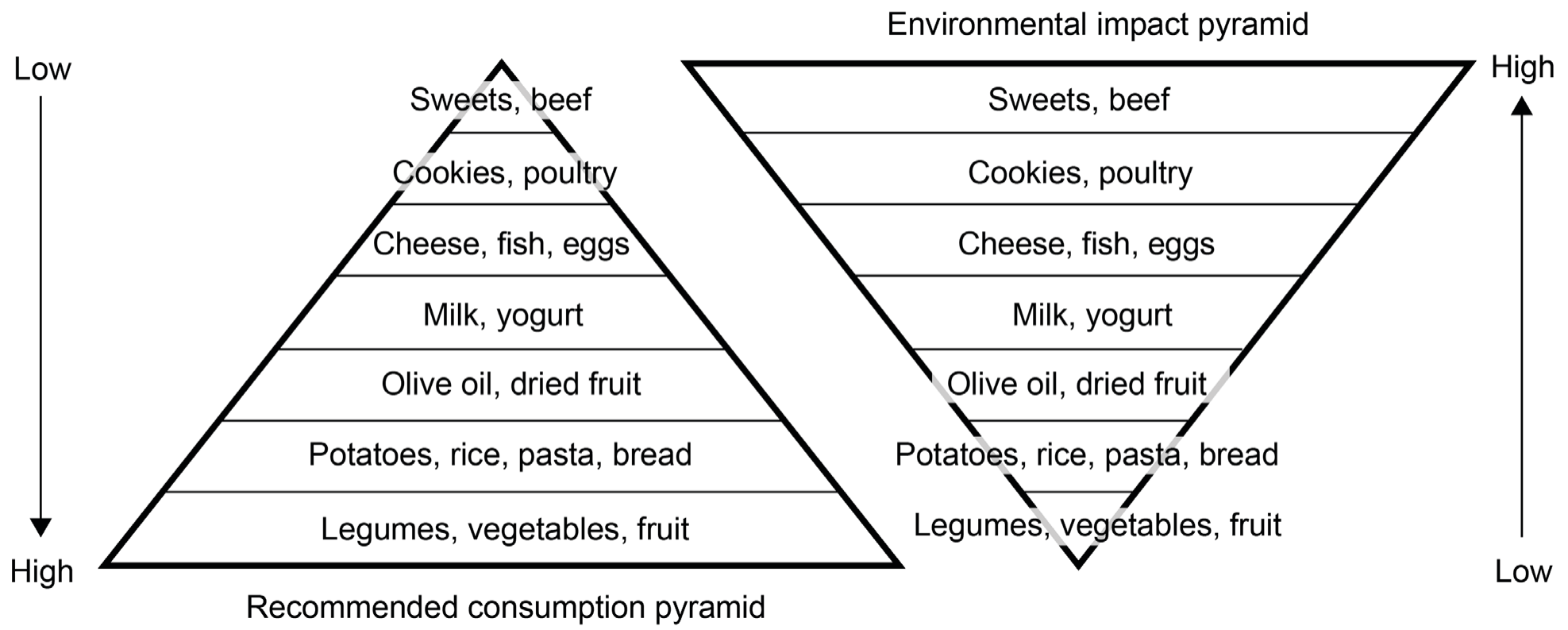
Figure 1(a): Recommended consumption pyramid and Figure 1(b): Environmental impact pyramid

Figure 1(a): Recommended consumption pyramid and Figure 1(b): Environmental impact pyramid

Question 1(d)

(a)

Describe how foods high on the environmental impact pyramid, shown in Figure 1(b), are likely to affect the ecological footprint of global food production.

[ 2 ]
Question 1

Question 1(d)

(a)

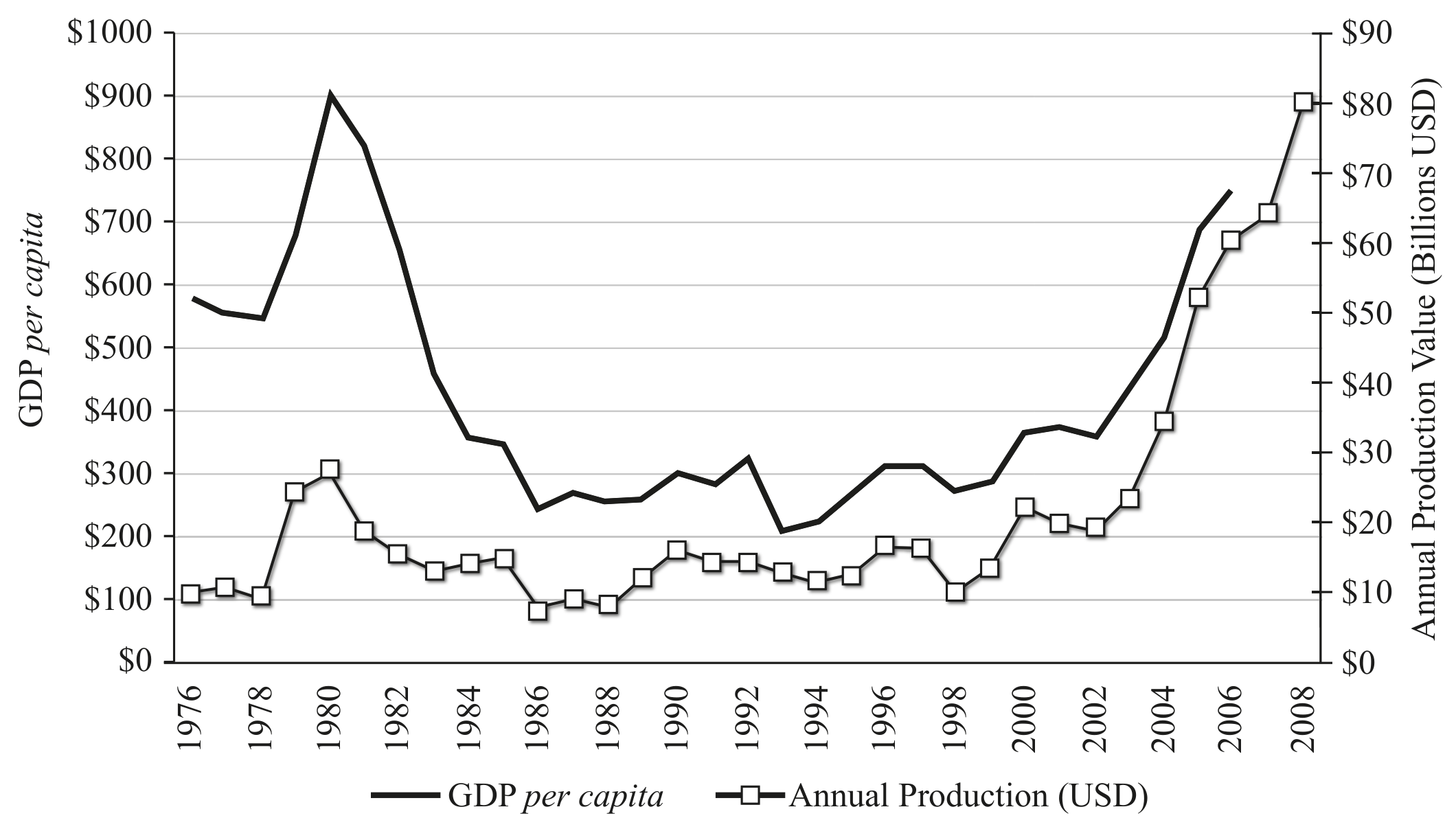
With reference to Figure 4,

Figure 4: Nigerian oil production and GDP per capita, 1976-2008

Figure 4: Nigerian oil production and GDP per capita, 1976-2008

[ 2 ]

Question 1(d)(i)

(i)

State the GDP per capita in 2006.

[ 1 ]

Question 1(d)(ii)

(ii)

State the relationship between GDP and Nigerian oil production.

[ 1 ]

Question 1

Question 1(a)

Question 1(a)(ii)

(a)
(i)

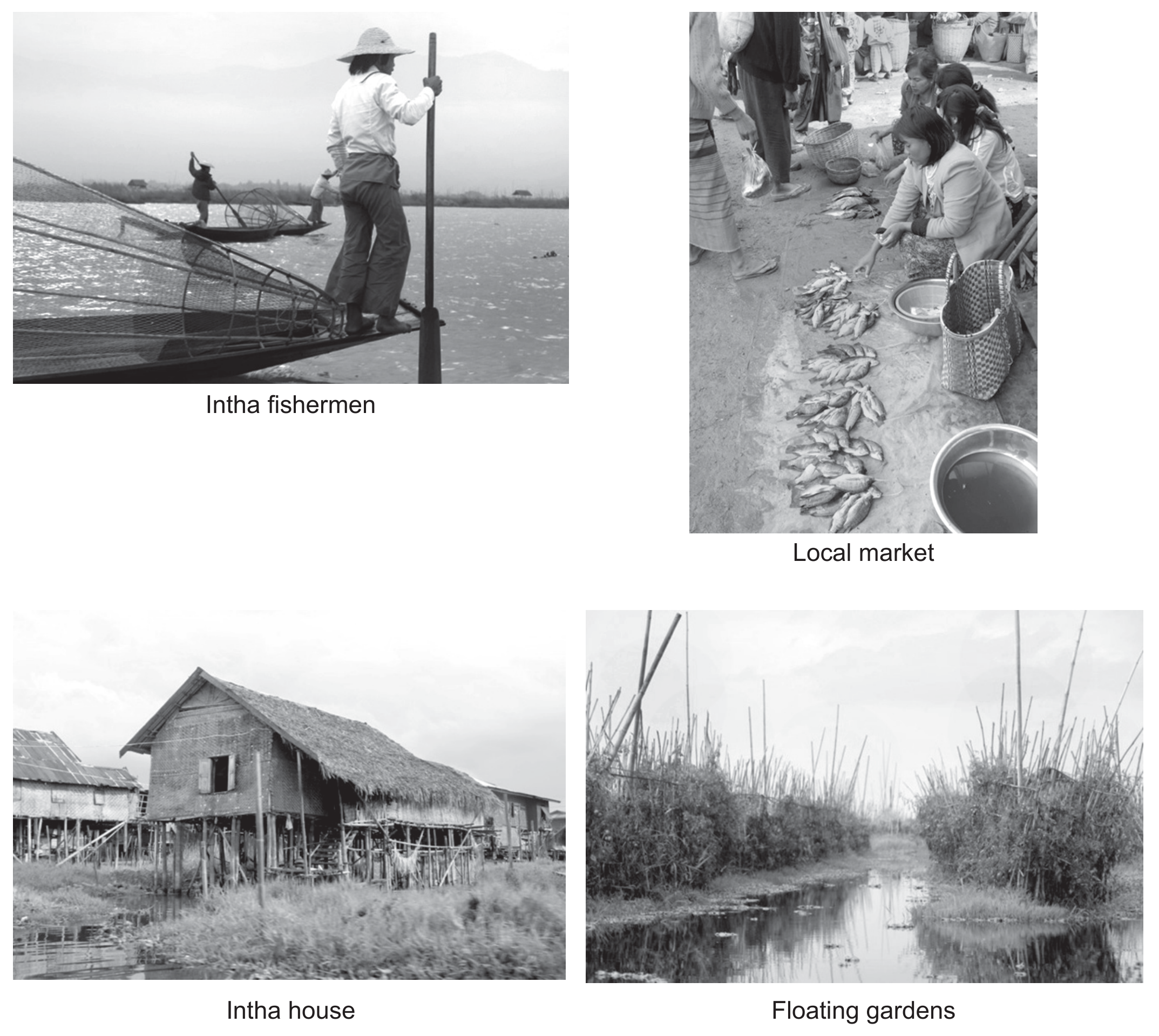
Using evidence from Figures 4(a) and 4(b), explain why the people of Inle Lake have lived sustainably until recently.

Figure 4(a): Human activity on and near Inle Lake

Figure 4(a): Human activity on and near Inle Lake

Most people living here are self-sufficient farmers and fishermen.
Houses are built of wood and bamboo on stilts in the lake.
Inle carp are a staple food; rice is grown on surrounding hillsides.
Lotus plants provide fibres for weaving; floating gardens use weed from the lake bottom and grow fruits and vegetables such as tomatoes and cauliflowers.
Floating gardens rise and fall with water levels and use nutrients from the lake.

[ 2 ]

Question 1

Question 1(a)

Question 1(a)(i)

(a)
(i)

Define the term carrying capacity.

[ 1 ]

Question 1(a)(ii)

(ii)

Identify three reasons why carrying capacity can be difficult to estimate.

Removed for copyright reasons

[ 3 ]

Question 1(c)

(b)

Identify two reasons why Uruguay has the biggest ecological footprint.

[ 2 ]

Question 3

[Maximum number: 1]
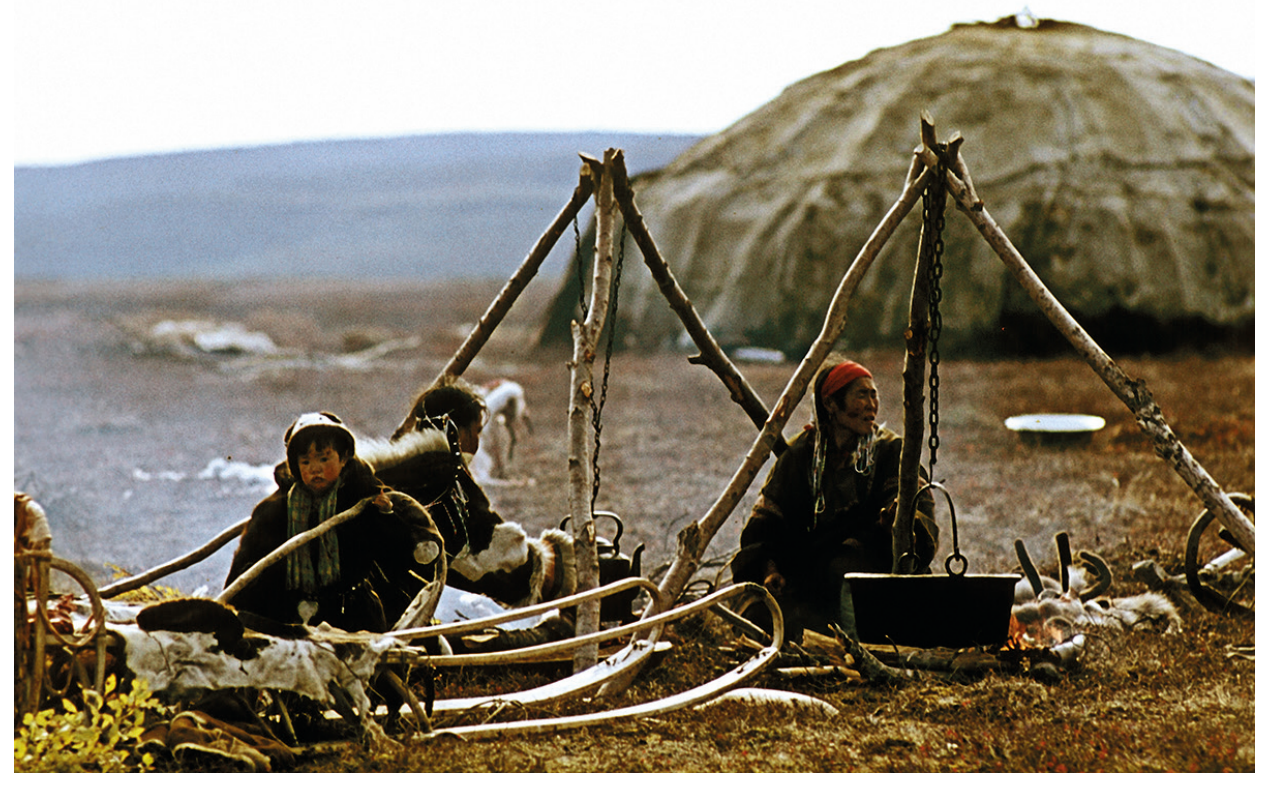
Figure 5(b): A family of Chukchi outside their yaranga in Siberia

Figure 5(b): A family of Chukchi outside their yaranga in Siberia

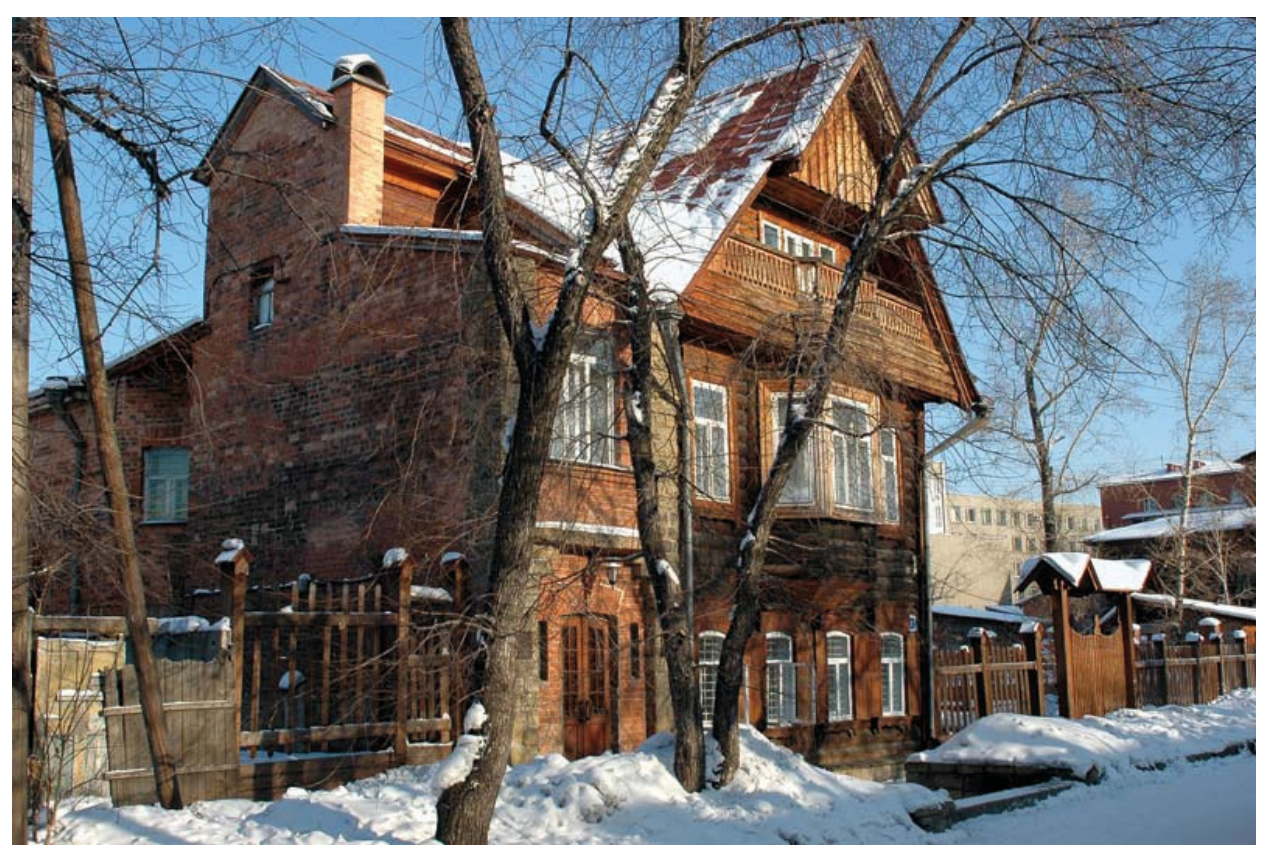
Figure 5(c): Modern city house in Siberia

Figure 5(c): Modern city house in Siberia

With reference to Figures 5(b) and 5(c), outline one reason why the yaranga is more sustainable than the modern city house.

Question 2

[Maximum number: 5]

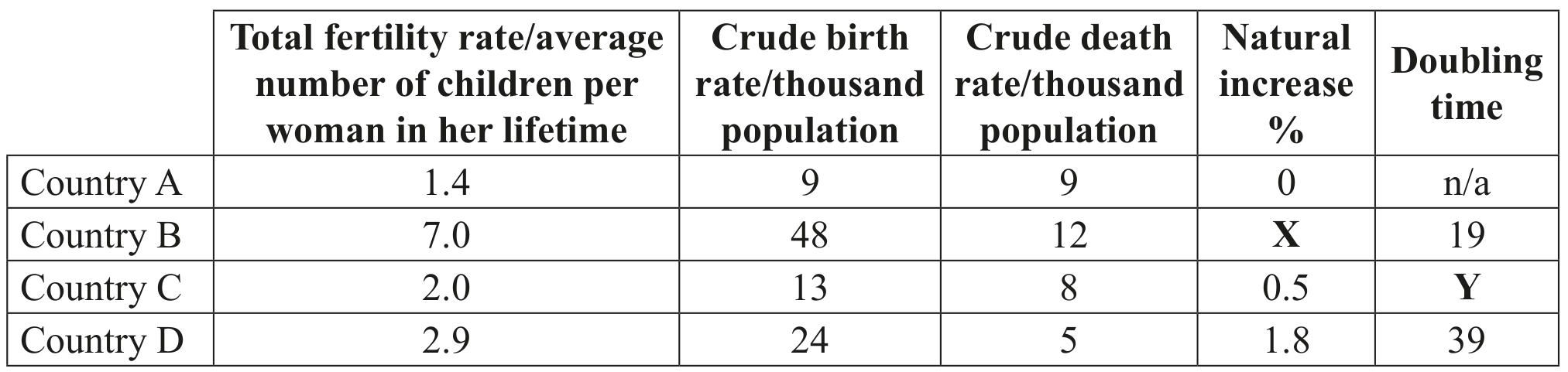
Figure 2 below shows a table of demographic data for four countries around the world.

Figure 2

Figure 2

Question 2(b)

Question 2(b)(i)

(a)
(i)

Describe how an ecological footprint of a population is calculated.

[ 2 ]

Question 2(b)(ii)

(ii)

Outline the relationship between ecological footprint and stage of demographic transition.

[ 1 ]

Question 2(b)(iii)

(iii)

Comment on the statement "vegetarians have a smaller ecological footprint".

[ 2 ]

Question 3

[Maximum number: 3]
LondonUnited KingdomWorld average
Ecological footprint
(global hectares per capita)
4.54.62.8
Biocapacity
(global hectares per capita)
0.171.201.60

Figure 7: Ecological footprints of London, the United Kingdom and the world, 2015

Question 3(a)

(a)

State one strength and one weakness of using the ecological footprint as a model for measuring sustainability.

[ 2 ]

Question 3(b)

(b)

State one factor that would allow a region's ecological footprint to exceed its biocapacity.

[ 1 ]

Question 8

[Maximum number: 4]
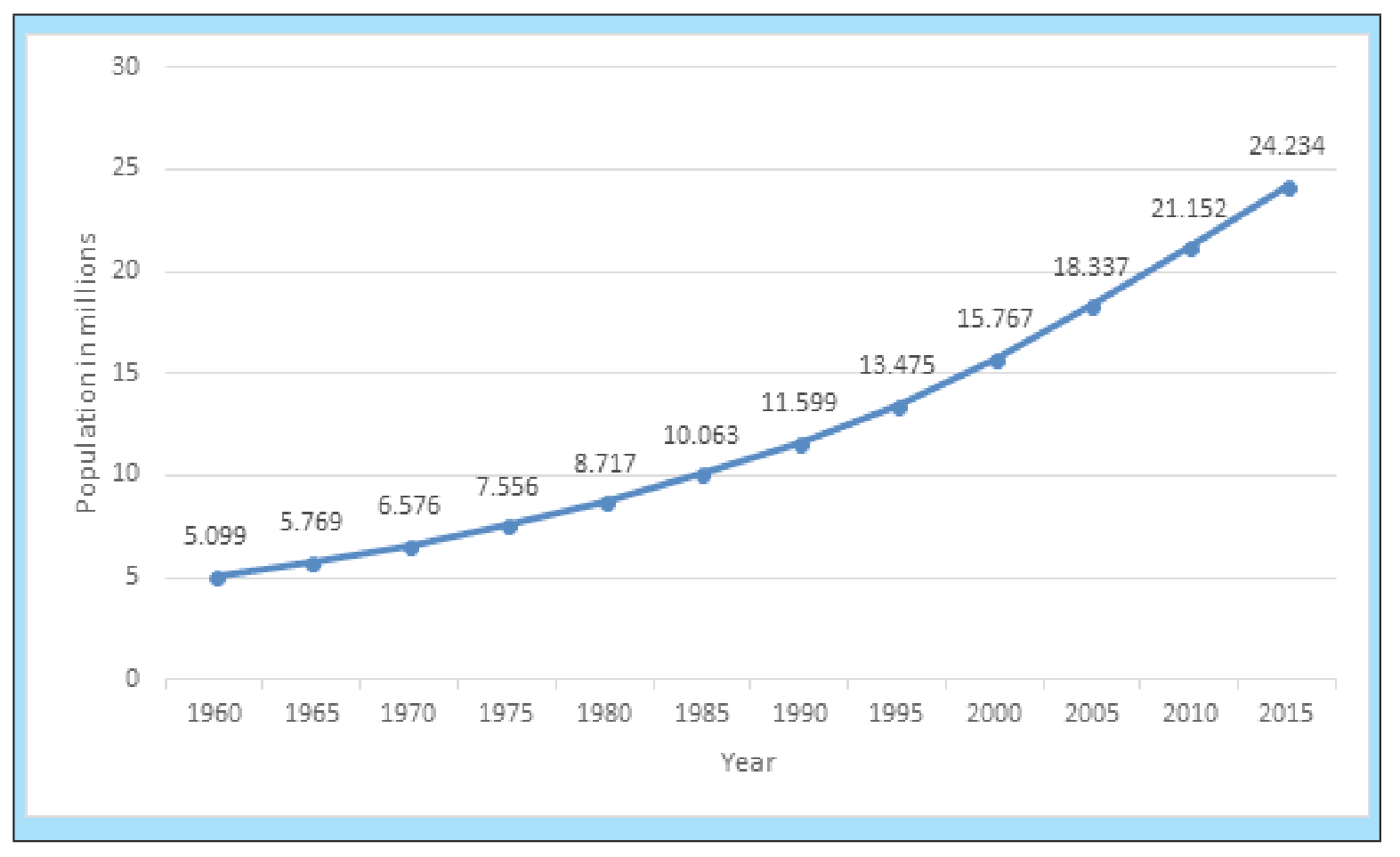
Figure 3(b): Population curve for Madagascar, 1960-2015

Figure 3(b): Population curve for Madagascar, 1960-2015

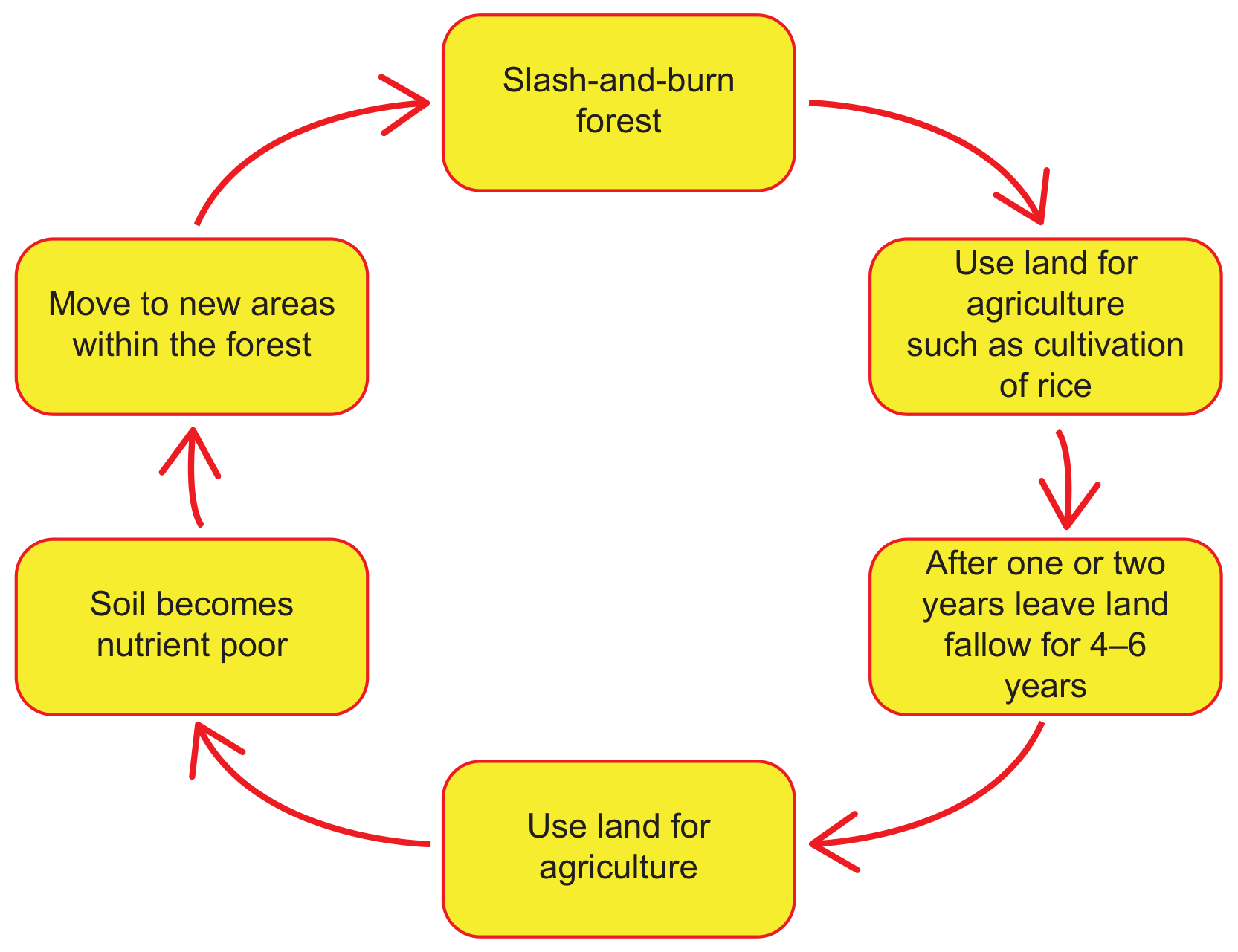
Figure 4(a): Tavy slash-and-burn agriculture cycle

Figure 4(a): Tavy slash-and-burn agriculture cycle

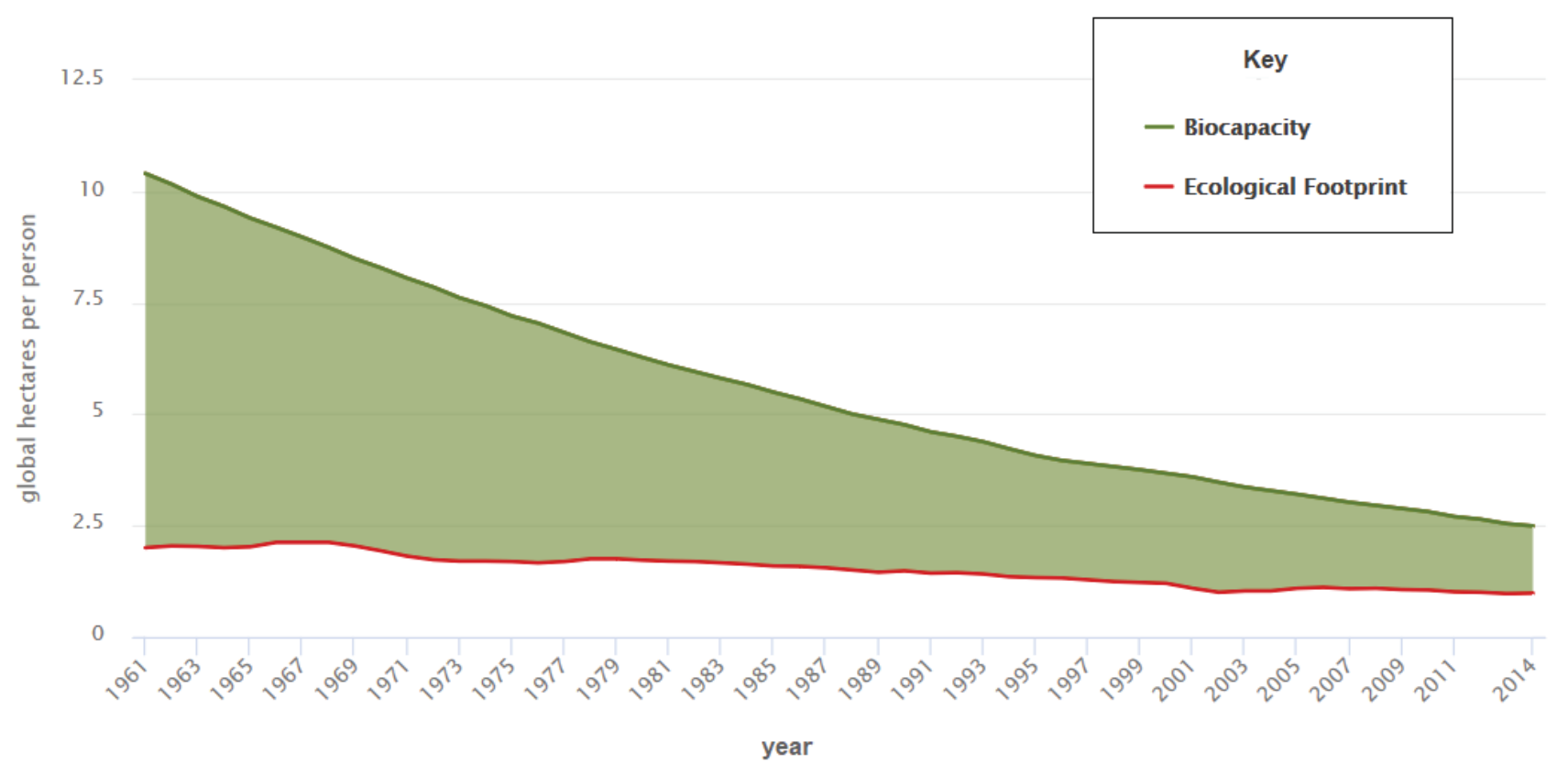
Figure 7: Ecological footprint and biocapacity per person in Madagascar

Figure 7: Ecological footprint and biocapacity per person in Madagascar

Question 8(a)

(a)

Describe the trend in the ecological footprint over the period shown in Figure 7.

[ 1 ]

Question 8(b)

(b)

Outline why the ecological footprint for the total population of Madagascar has increased during the period shown in Figure 7.

[ 2 ]

Question 8(c)

(c)

Figure 2: Fact file on Madagascar
Figure 2: Madagascar is the fourth largest island in the world and had about 24 million people in 2016.
Crude birth rate was 32.1 per 1000 and crude death rate 6.7 per 1000 in 2016.
Main employment sectors are agriculture, fisheries and forestry; most people rely on traditional subsistence farming.
Forests are cleared for traditional farming, valuable timber and charcoal; soil erosion is serious, with up to 363 tonnes/ha/year lost in some areas.

Outline one reason for the trend in biocapacity during the period shown in Figure 7.

[ 1 ]

Question 2

Question 2(c)

(a)

Evaluate the impact of economic development on the ecological footprint of a human population.

Expression of ideas

[ 8 ]

Question 3

[Maximum number: 7]
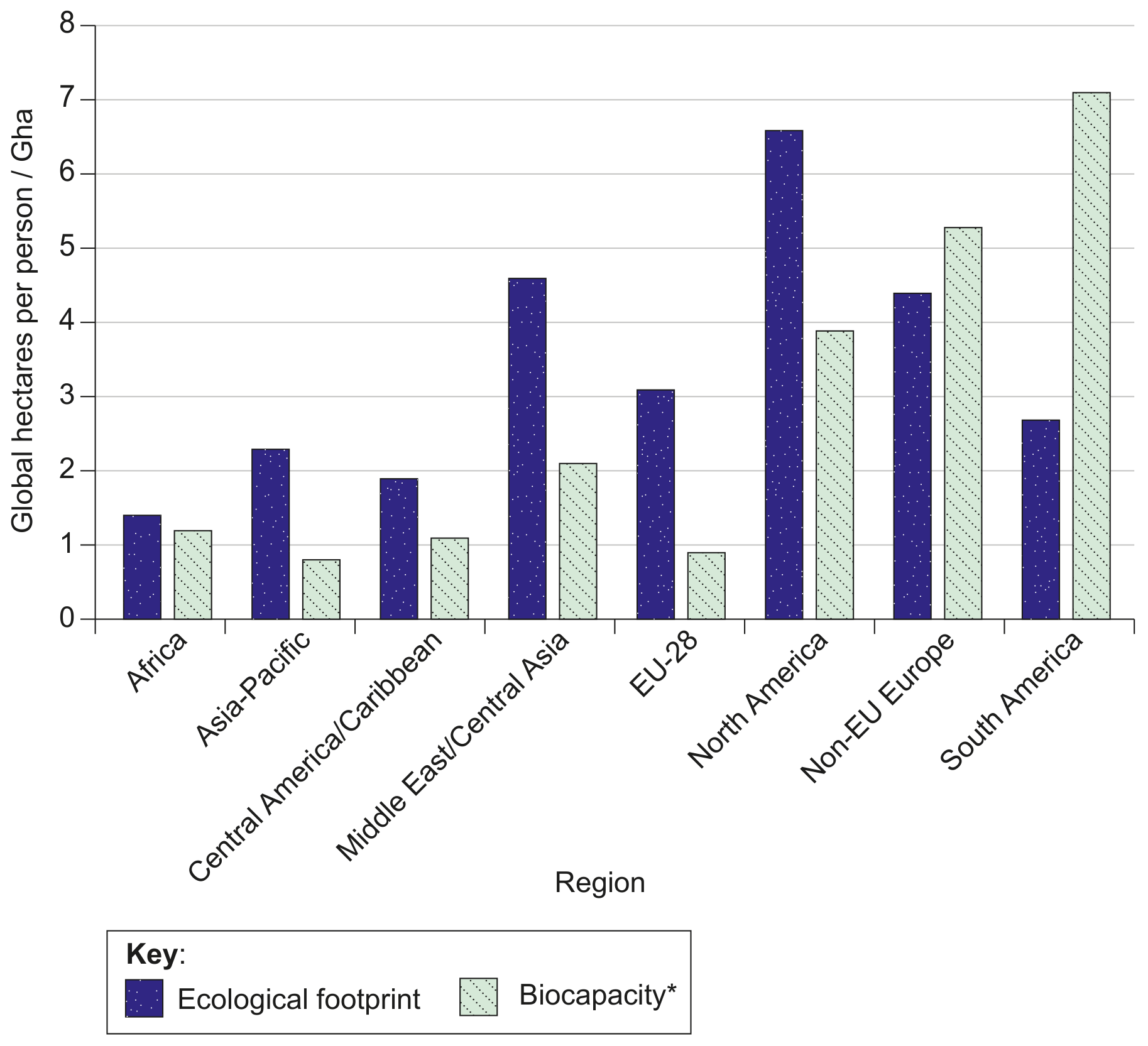
Figure 3: The ecological footprint and biocapacity for selected world regions, 2016

Figure 3: The ecological footprint and biocapacity for selected world regions, 2016

*Biocapacity: amount of biologically productive land, measured in total hectares per person

Question 3(a)

(a)

Identify one region shown in Figure 3 that has an ecological footprint less than its biocapacity.

[ 1 ]

Question 3(b)

(b)

Outline one reason why a region whose ecological footprint is greater than its biocapacity is considered unsustainable.

[ 1 ]

Question 3(c)

(c)

Outline one way in which a region can exceed its carrying capacity.

[ 1 ]

Question 3(e)

(d)

Evaluate the use of the ecological footprint as a model.

[ 4 ]
0 selected