
EduNinja

IB Business Management SL2.6 CommunicationQuestion Bank

Question 1

[Maximum number: 5]

1. LuxEclairage (LE)
LuxEclairage (LE) was founded by Maurice Dahman, an Electrical Engineer from Algeria. He has a degree in electrical engineering and is fluent in French. In 2007, after 12 years working for a large lighting business in Luxembourg, Maurice established LE. His business produces energy-efficient parts for various indoor and outdoor lighting.
L E has a unique selling point (USP): the lowest price in the market. Although most sales are in Europe, all production is in Algeria, where costs are much lower. As a result, growth in sales revenue has been rapid and significant, and L E has gained market share each year.
Selected financial information for L E (all figures in €m):
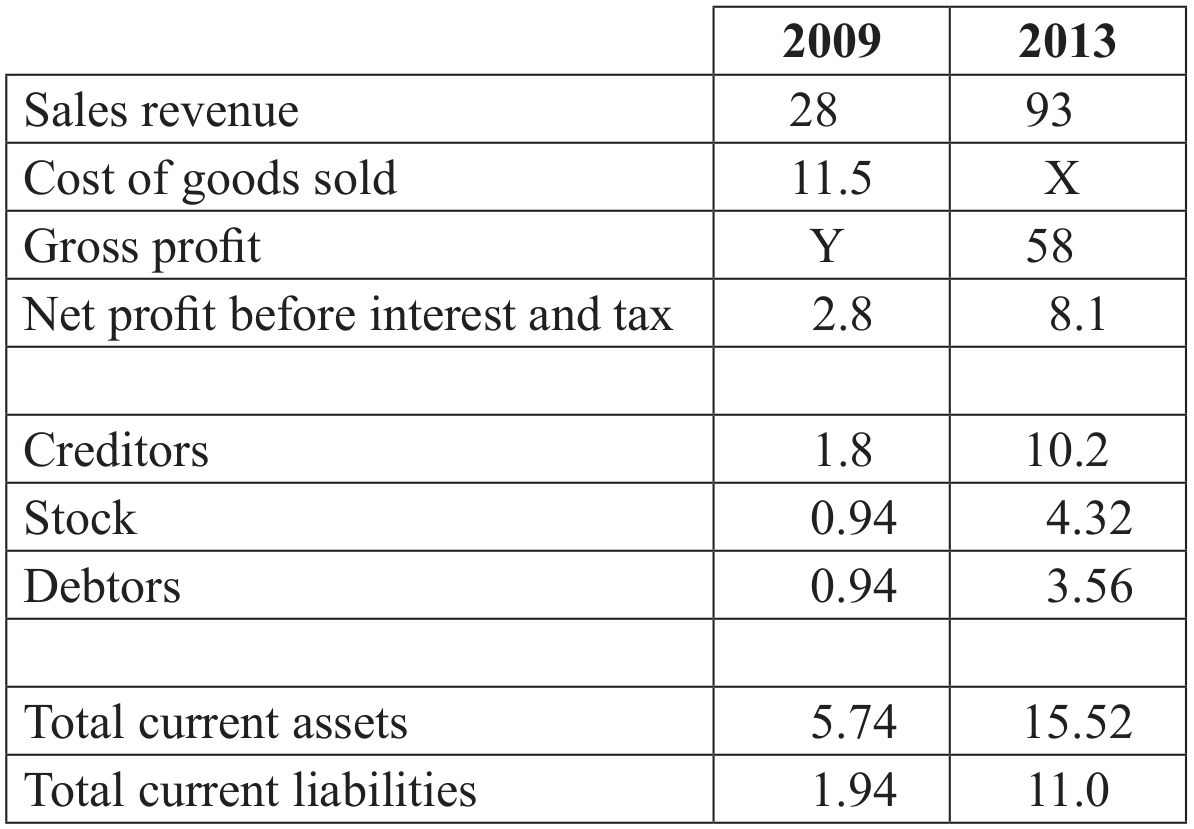
Table

With the rapid growth in sales revenue since it was first established, L E has experienced some diseconomies of scale, especially in the administration of the business. Production occurs in 12 small factories located around the city of Algiers, rather than in one large factory. Coordination between factories and the administrative offices is, therefore, complicated, and the internet is sometimes unavailable. Whereas French is the language used by managers and customers of L E, the workers generally speak only basic French and prefer to speak Arabic. In addition, patterns of non-verbal communication differ widely between Europe and Algeria.

Question 1(e)

(a)

Analyse communication at L E.

[ 5 ]

Question 4

[Maximum number: 2]

4. The significance of changes in international labour mobility
Though the global population may grow from 7 billion in 2011 to 7.6 billion by 2020 , many countries will experience a decline in the number of working-age people. Already in Japan and Europe, each year more people retire from the workforce than young people enter it. By 2020, this problem will also affect Russia, Canada and China. Other countries such as India, Brazil and Indonesia have young populations and young workforces.
Unfortunately, many people lack the skills that employers need. A recent study found that 31 % of employers worldwide struggle to fill jobs requiring basic skills. 65 % of multinational companies have difficulty recruiting new employees with advanced skills. In emerging economies the problem is worse. Difficulties in meeting operational objectives of recruitment prevent many companies from meeting their strategic objectives.
Companies are responding by recruiting new employees from other countries. This practice is called "expanded recruitment". It has led to more international labour mobility, diverse workforces within companies, and diversity in global cities.
Supporters of expanded recruitment argue that the labour problem is demographic: the best solution is to make labour mobility easier. Furthermore, diversity both within companies and in society should improve international understanding and will increase creativity. Critics of expanded recruitment argue that it does not solve the real problem: many jobs require advanced skills, and most educational systems have not responded to those needs. Expanded recruitment has also created other issues for companies, such as problems in communication.
Expanded recruitment has also led to some anger in countries and local communities not accustomed to large immigrant populations.
Used with permission.]

Question 4(b)

(a)

Comment on one potential communication problem for a company with a diverse international workforce.

[ 2 ]

Question 5

[Maximum number: 2]

5. Reading enables all People (RP)
R P is a non-profit and non-governmental organization (NGO) that teaches reading to financially disadvantaged children and teenagers. RP's mission statement is: "To educate those in need in order to foster social inclusion and change".
R P has 64 paid full-time staff and 350 part-time volunteers, mostly college students, who work in all areas of the city where R P is located. Volunteers do not work under contract. R P is experiencing communication problems. One young volunteer complained, "I often receive contradictory information. One person says one thing and another says something else". R P 's organizational structure is tall. There are several formal methods of communication present at R P, but most of the information passes through informal communication channels.
R P is planning to extend its literacy program to rural areas. The program will last five years. R P 's current sources of finance are insufficient to fund the new program. At present, R P is only financed by national businesses. Alice Lire, R P 's Chief Executive Officer (CEO), has contacted the government for financial support. However, the state budget is limited and chances of government cooperation are low.
As part of its corporate social responsibility policy, McMikey, a multinational company that markets products to children, is willing to pay for the books for the program for two years. Alice is ready to accept the offer, but she would prefer McMikey to guarantee its support for five years. However, there is internal disagreement at McMikey. The Finance Manager believes that it would be too costly. However, the Marketing Manager argues that McMikey's brand image would be improved by a longterm association with R P 's literacy program.

Question 5(b)

(a)

Explain one formal method of communication that might be used at R P.

[ 2 ]
0 selected