EduNinja

IB Biology SLD3.1 ReproductionQuestion Bank

Question 3

[Maximum number: 2]

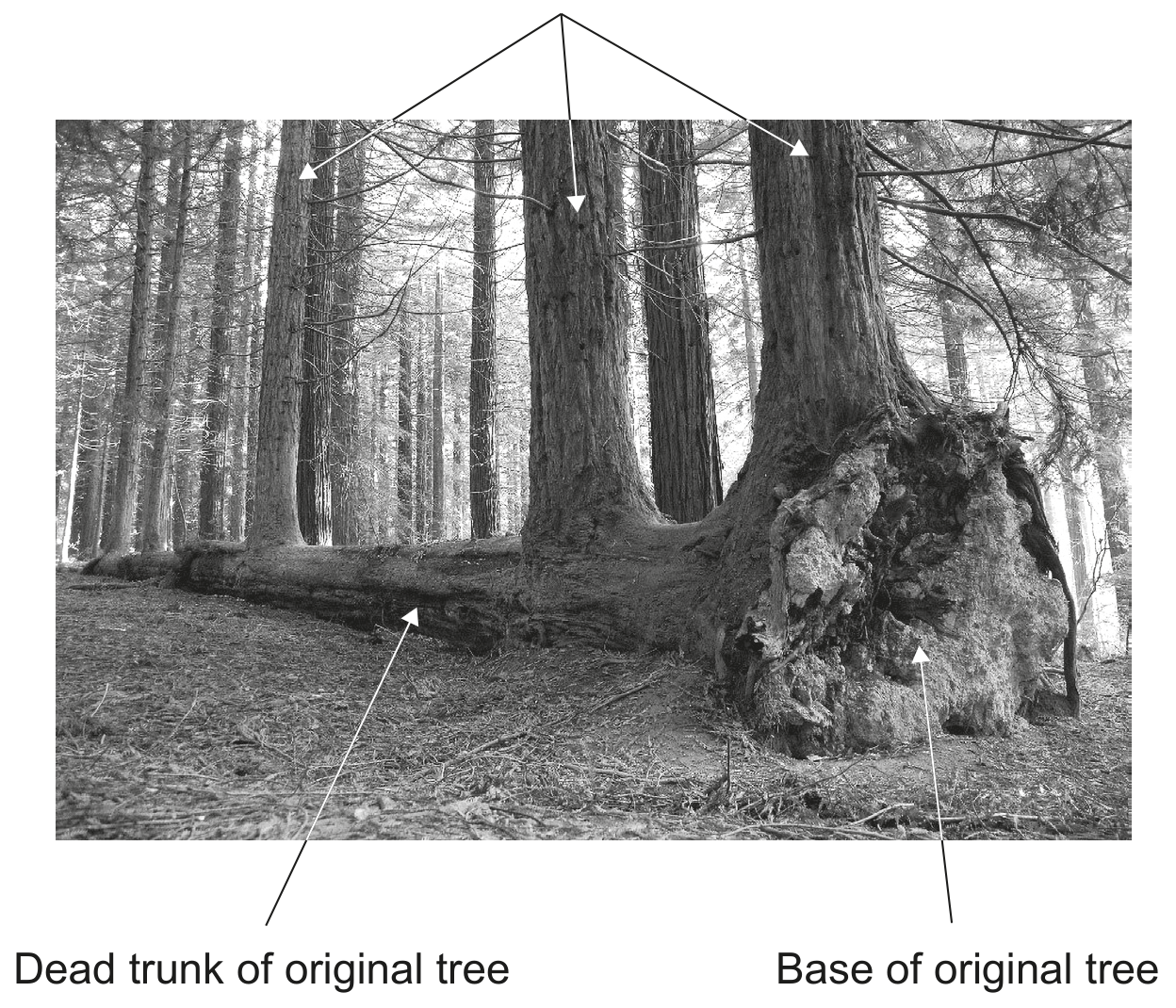
This redwood tree (Sequoia sempervirens) was blown over in 1936, but five side branches formed new roots and are now separate trees.

Three of the new trees formed from side branches of the original tree

Question image

Question 3(b)

(a)

If the genomes of the five new trees were sequenced, predict with a reason how similar they would be to each other.

[ 2 ]

Question 14

[Maximum number: 1]

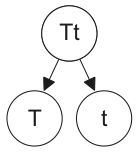
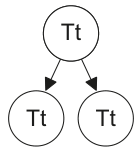
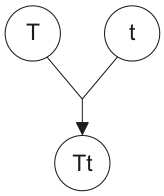
Which diagram(s) represent(s) processes used in asexual reproduction?

I.

I.

II.

II.

III.

III.

A

I only

B

I and II only

C

II only

D

I, II and III

Question 4

[Maximum number: 2]

Ultraviolet (UV) light can penetrate cells, causing DNA damage. This effect can be reduced by using sunscreens or covering skin with clothing.

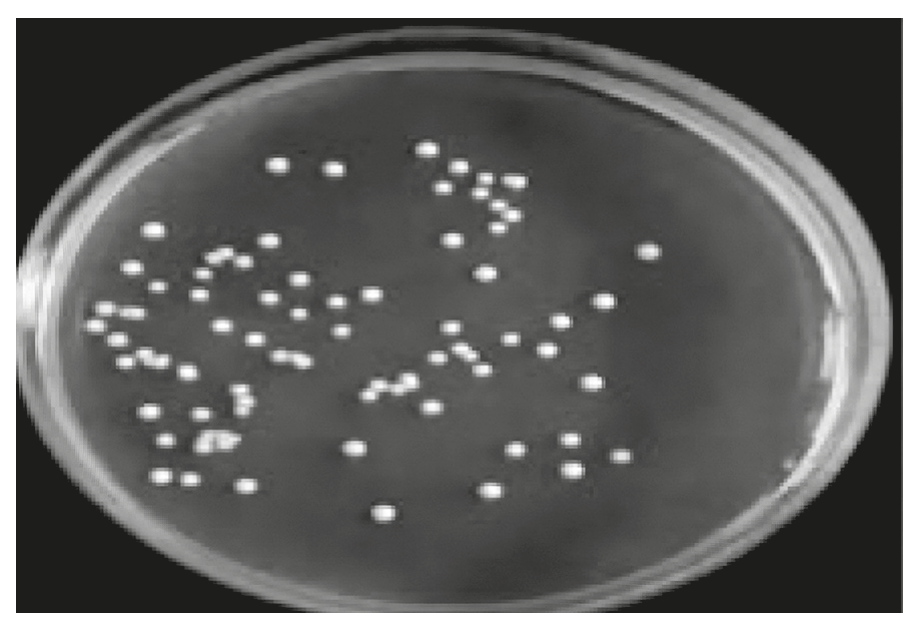
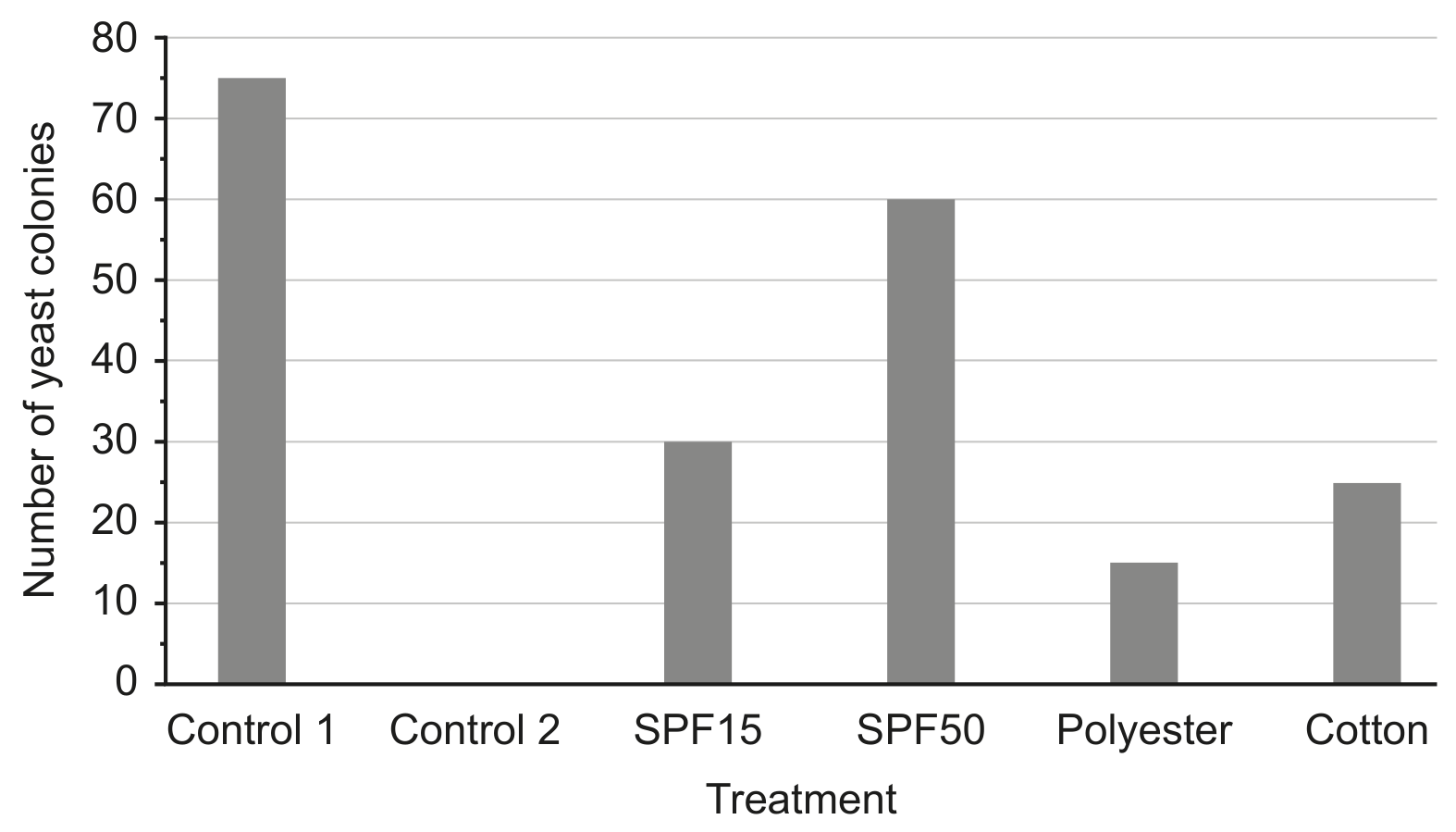
In an experiment to look at the effect of different treatments to reduce UV damage to DNA, yeast fungus (Saccharomyces cerevisiae) was used as the test organism. Six Petri dishes with agar were inoculated with yeast in sucrose solution. The Petri dishes were labelled according to the treatment applied to the lid, with sunscreen (Sun Protection Factors SPF15 or SPF50), cloth (polyester or cotton) or control (no treatment). Control 1 was placed in the dark and all the other Petri dishes were placed in direct sunlight for 6 hours. The dishes were then incubated for three days. The image shows yeast colonies that grew on the agar in one of the Petri dishes. The bar graph shows the number of yeast colonies present per Petri dish.

Question image
Question image

Question 4(a)

(a)

Describe how yeast cells reproduce.

[ 2 ]

Question 17

[Maximum number: 1]

Which is the best definition of a clone?

A

Two organisms sharing the same parents

B

Groups of phenotypically identical organisms

C

Cells derived by mitosis from a single parent cell

D

Multiple gamete cells produced by an individual

Question 17

[Maximum number: 1]

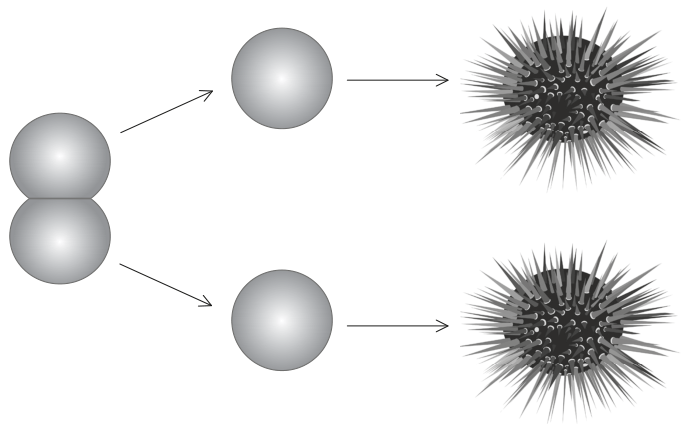
A two-cell sea urchin (Echinoidea) embryo was physically separated by scientists into two cells. Each cell, through further embryonic development, became an adult sea urchin.

Question image

What is the relationship between the two adult sea urchins?

A

They are equivalent to non-identical twins.

B

Half of the genes would be the same.

C

Both adults would have haploid cells.

D

They are clones.

Question 4

[Maximum number: 5]

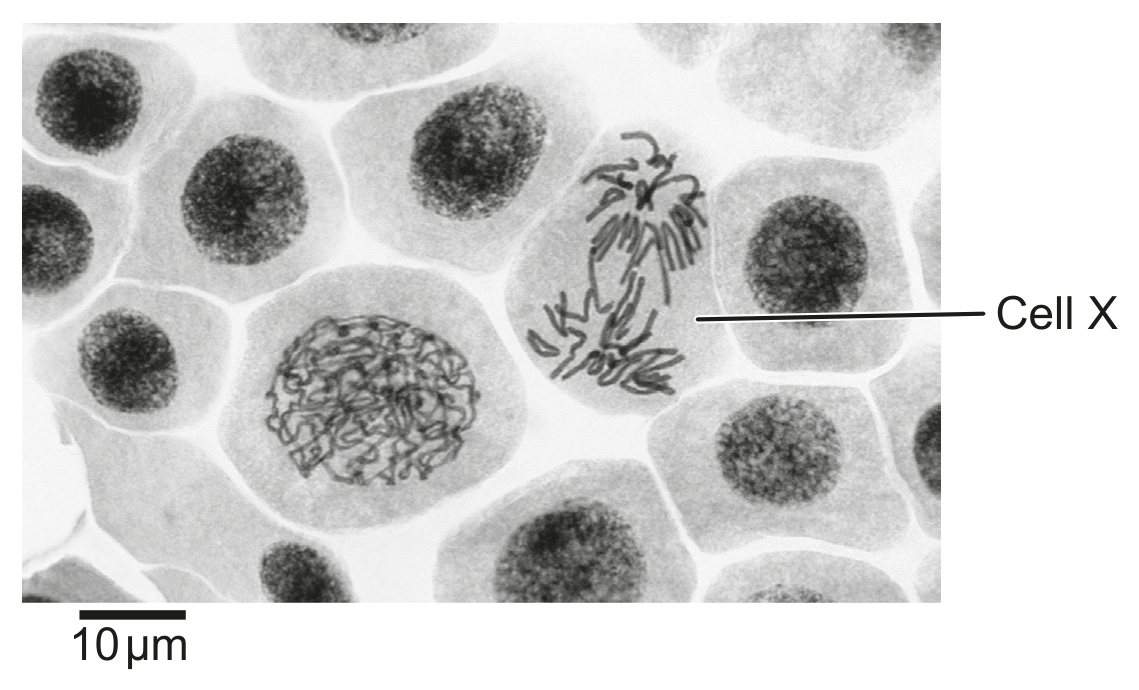
The micrograph shows onion (Allium cepa) meristematic tissue.

Question image

Question 4(c)

(a)

Meiosis is another type of cell division. List two structures in which meiosis takes place in a flowering plant such as an onion.
1.
2.

[ 2 ]

Question 4(d)

Question 4(d)(i)

(b)
(i)

Define pollination.

[ 1 ]

Question 4(d)(ii)

(ii)

Outline how cross-pollination can be promoted by flowering plants.

[ 2 ]

Question 19

[Maximum number: 1]

Cherry trees (Prunus avium) have two self-incompatibility alleles. What benefit do self-incompatibility alleles have?

A

They decrease genetic variation.

B

They prevent inbreeding.

C

They decrease the chances of mutations taking place within the gametes.

D

They prevent the plant from releasing pollen at certain times of the year.

Question 19

[Maximum number: 1]

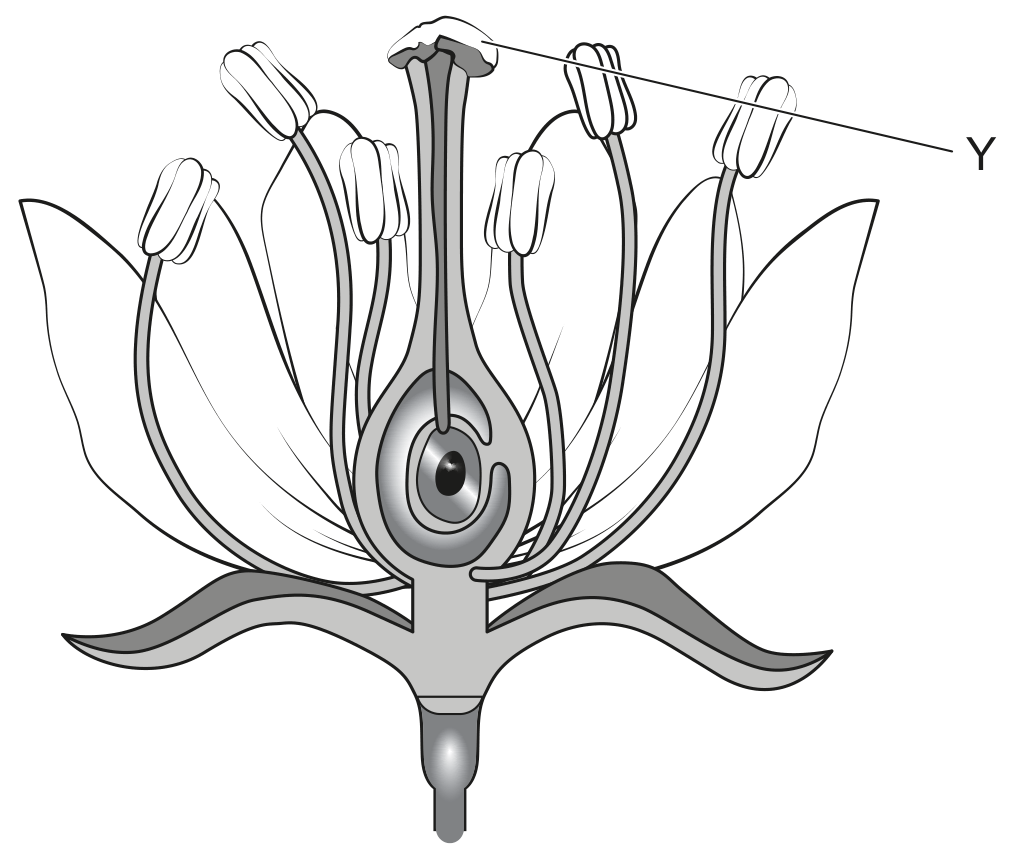
A cross-section of a flower is shown.

Question image

What is structure Y?

A

Anther

B

Nectary

C

Style

D

Stigma

Question 19

[Maximum number: 1]

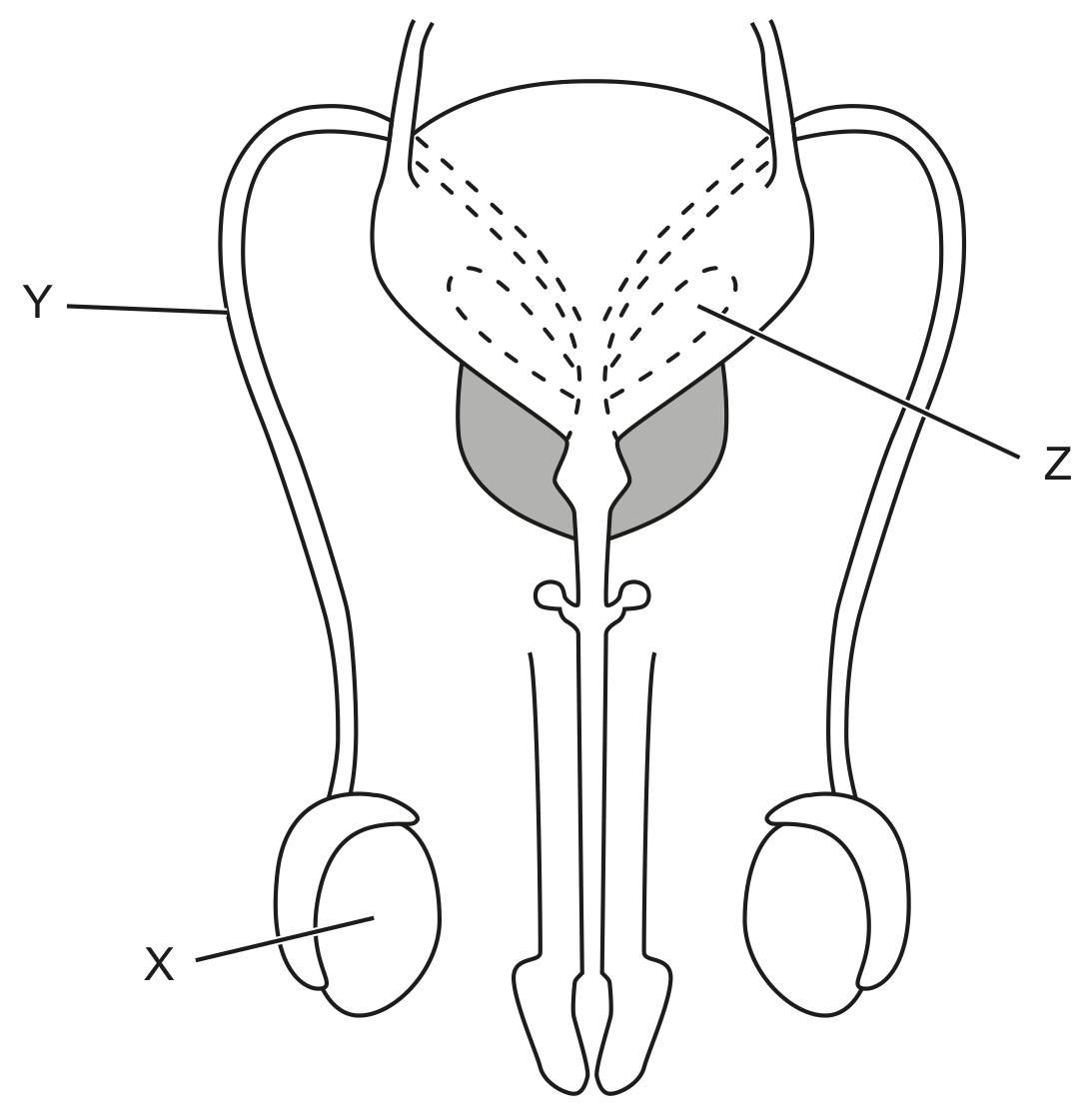
The diagram shows the male reproductive system in front view.

Question image

Which structures are indicated by the letters X, Y and Z ?

X

Y

Z

testis

sperm duct

seminal vesicle

epididymis

sperm duct

prostate gland

testis

urethra

prostate gland

epididymis

urethra

seminal vesicle

Question 4

Question 4(c)

(a)

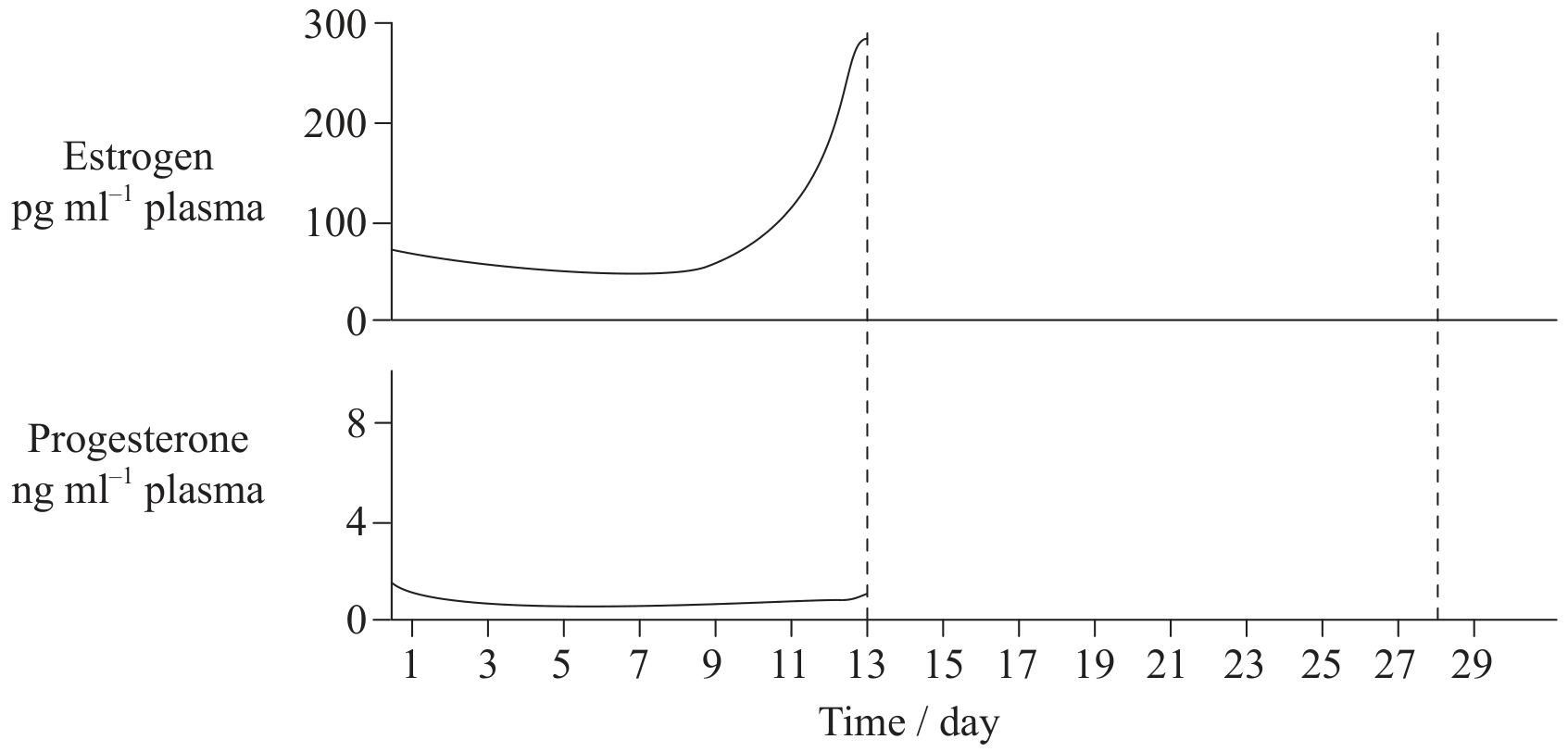
Sketch the hormone changes between days 13 and 28 on the graphs below for a woman in her normal menstrual cycle.

Question image
[ 2 ]
0 selected