EduNinja

IB Biology SLC3.2 Defence against diseaseQuestion Bank

Question 2

[Maximum number: 1]

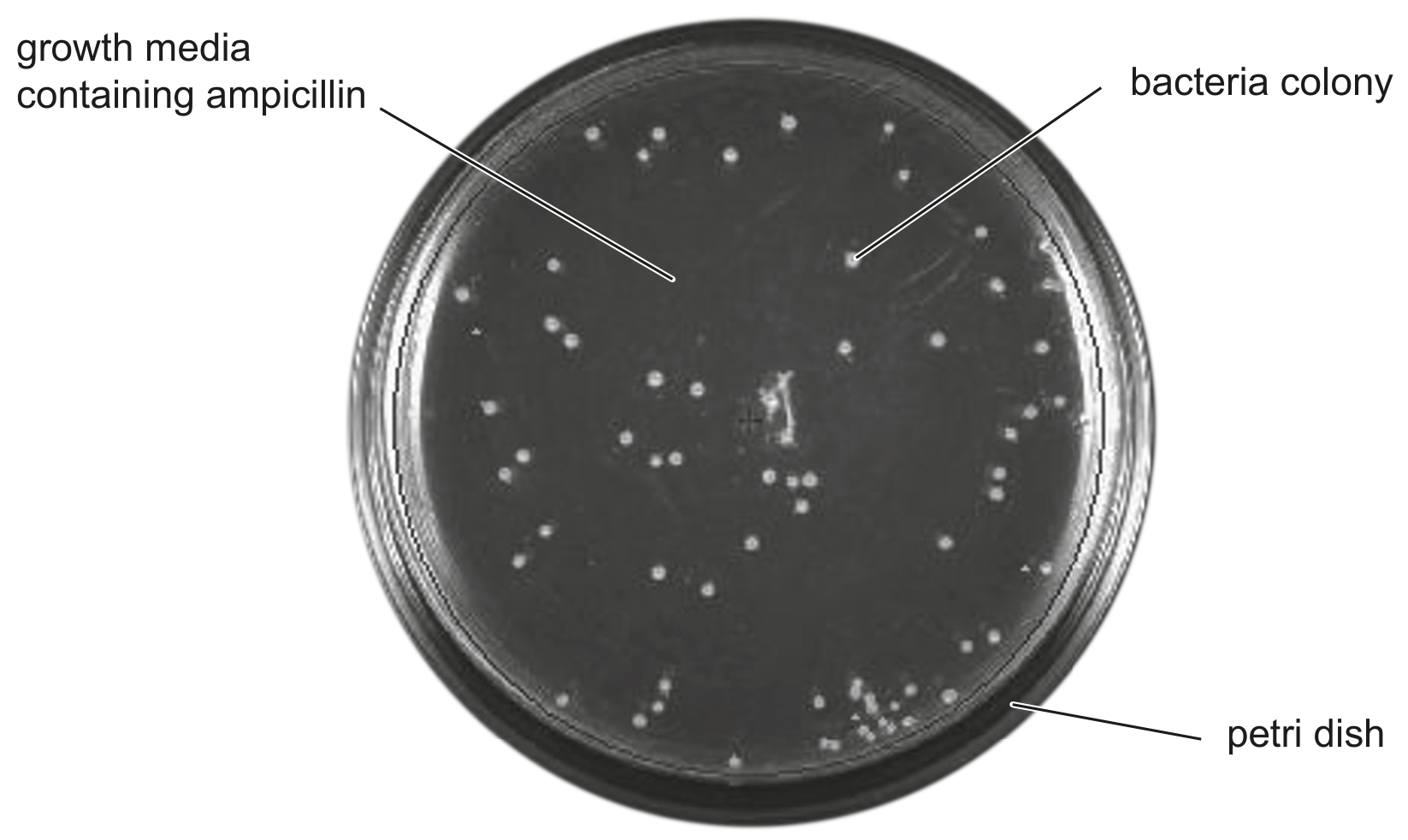
The growth of non-pathogenic Escherichia coli bacteria were studied in a microbiology laboratory at different temperatures with the antibiotic ampicillin. The number of bacterial colonies that grew were counted, and the mean and standard deviations calculated for five replicates per temperature.

At 25C25^{\circ} \mathrm{C}, the mean number of colonies counted was 70±870 \pm 8. The Petri dish shows the results obtained in one of the replicates at this temperature.
Question image

Question 2(c)

(a)

Suggest one reason for the presence of bacterial colonies despite the use of the antibiotic ampicillin.

[ 1 ]
Question 2

[Maximum number: 3]

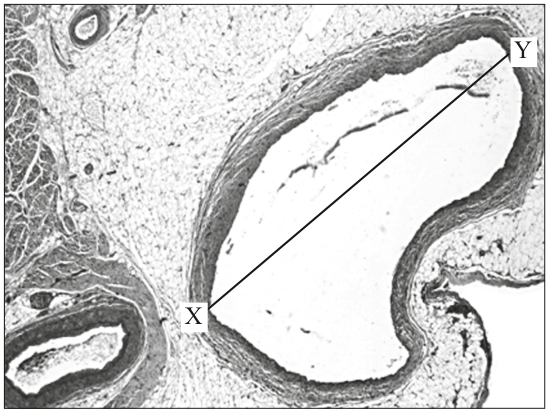
The photomicrograph shows a coronary artery and a cardiac vein.

Question image

Question 2(c)

Question 2(c)(ii)

(a)
(i)

The blood carried by arteries and veins contains antibodies. Explain antibody production by lymphocytes.

[ 3 ]

Question 2

[Maximum number: 2]

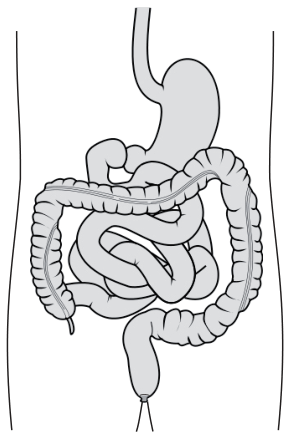
The structure of part of the digestive system is shown in the diagram below.

Question image

Question 2(b)

Question 2(b)(ii)

(a)
(i)

Cells defend the body against pathogens. Outline how some of these cells ingest pathogens in the blood and in body tissues.

[ 2 ]

Question 2

[Maximum number: 2]

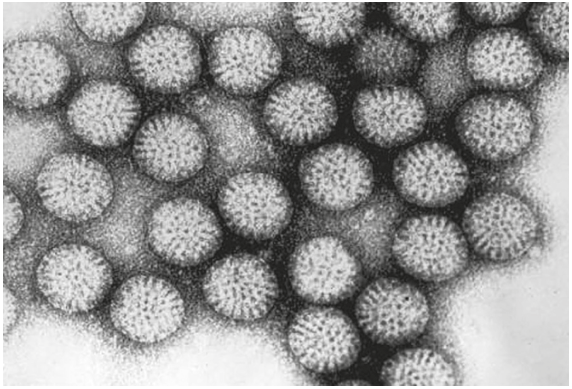
The figure shows a transmission electron micrograph of rotavirus particles. Each rotavirus is about 70 nanometres in diameter.

Question image

Question 2(b)

(a)

Rotavirus causes diarrhea and vomiting. Explain why viral diseases cannot be treated using antibiotics.

[ 2 ]

Question 3

[Maximum number: 2]

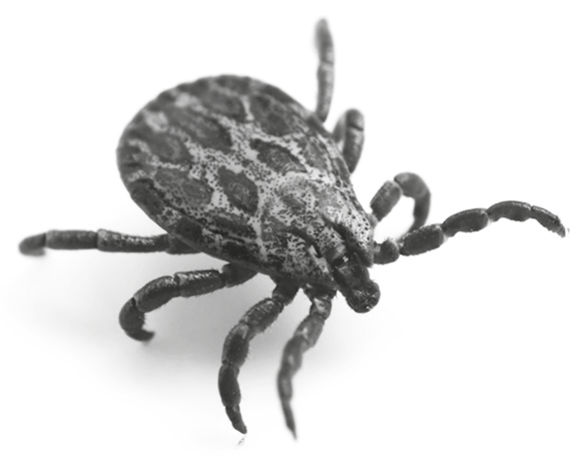
The image shows a castor bean tick (Ixodes ricinus) which is commonly found in woodlands or forest areas. This tick can carry bacteria that cause Lyme disease in humans.

Question image

Question 3(b)

(a)

A vaccine has been developed to protect people against the symptoms of Lyme disease.
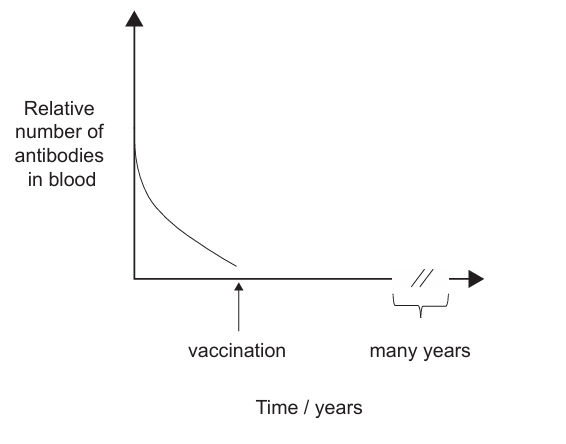
The graph shows the relative number of antibodies specific to these bacteria in the blood of a person before vaccination.

Question image
[ 2 ]

Question 3(b)(i)

(i)

Suggest what can be concluded from the graph about the person before they were vaccinated.

[ 1 ]

Question 3(b)(ii)

(ii)

Sketch a line on the graph to show how the number of antibodies would change over time after vaccination.

[ 1 ]

Question 2

[Maximum number: 1]

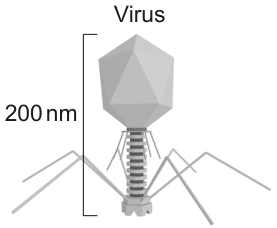
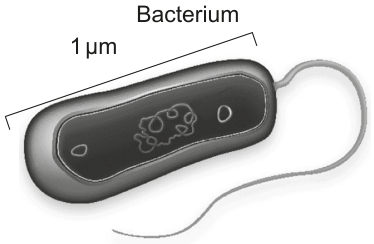
The diagrams show a virus and a bacterium.

Question image
Question image

Question 2(c)

(a)

Outline the effectiveness of antibiotics against viruses and bacteria.

[ 1 ]

Question 3

Question 3(d)

(a)

Outline the role of lymphocytes in defence against disease.

[ 2 ]

Question 3

Question 3(c)

(a)

Explain how cuts in the skin are sealed by blood clotting.

[ 2 ]

Question 17

[Maximum number: 1]

Azithromycin is an antibiotic commonly used to treat pneumonia, an infection of the lungs caused by Streptococcus pneumoniae. A patient was diagnosed for the second time with pneumonia, but the same antibiotic was ineffective this time. What biological explanation might there be for this?

A

S. pneumoniae had mutated.

B

S. pneumoniae had developed antibodies for the antibiotic.

C

The patient was immune to the antibiotic.

D

The patient had antibiotic remaining from the first treatment.

Question 17

[Maximum number: 1]

Which function is primarily associated with helper T-cells in the immune system?

A

Phagocytosis of pathogens

B

Activation of other cells in the immune system

C

Antibody production

D

Retention as memory cells

0 selected