EduNinja

IB Biology SLC3.1 Integration of body systemsQuestion Bank

Question 1

[Maximum number: 1]

Tufted ducks (Aythya fuligula) are found in lakes and lagoons throughout Europe. They eat molluscs, insects and plants, sometimes from the surface but mostly by diving under the water. The graph shows how the heart rate of a tufted duck changes when diving under the water.
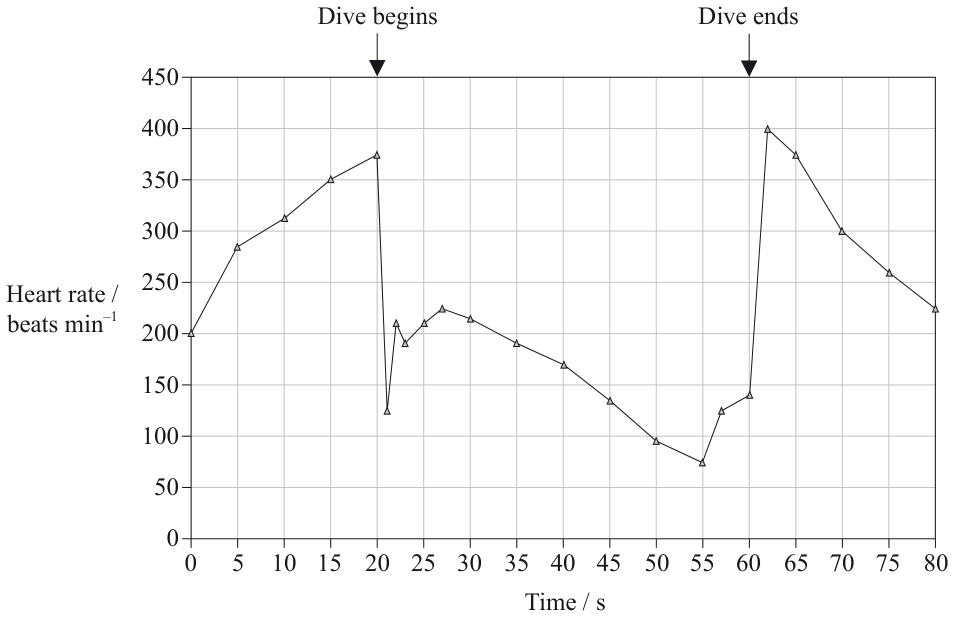
Question image

Question 1(h)

(a)

State the hormone that affects heart rate.

[ 1 ]
Question 5

[Maximum number: 1]

Why do multicellular organisms have emergent properties?

A

They have more genes than unicellular organisms.

B

Properties of unicellular organisms are enhanced by having many cells.

C

All of their genes are expressed whereas unicellular organisms express only some.

D

They show properties that can only result from the interaction of many cells.

Question 2

Question 2(a)

(a)

Describe how the appetite control centre in the brain functions.

[ 2 ]

Question 3

[Maximum number: 1]

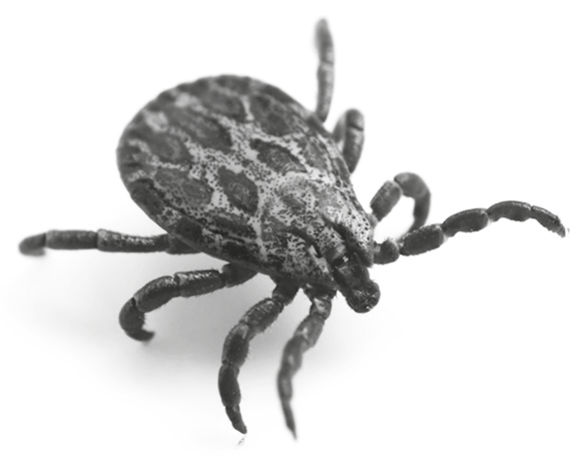
The image shows a castor bean tick (Ixodes ricinus) which is commonly found in woodlands or forest areas. This tick can carry bacteria that cause Lyme disease in humans.

Question image

Question 3(c)

(a)

Some symptoms of Lyme disease are caused by damage to the central nervous system (CNS). State both parts of the CNS.
1.
2.

[ 1 ]

Question 13

[Maximum number: 1]

Between which structures do sensory neurons carry nerve impulses?

A

From receptors to muscles

B

From effectors to the central nervous system (CNS)

C

From the central nervous system (CNS) to receptors

D

From receptors to the central nervous system (CNS)

Question 2

Question 2(a)

(a)

Glands are organs that secrete and release particular chemical substances. Melatonin is an important hormone secreted in the pineal gland in the brain. Describe its role in mammals.

[ 2 ]

Question 3

Question 3(a)

(a)

Outline the function of the appetite control centre in the brain.

[ 3 ]

Question 4

[Maximum number: 2]

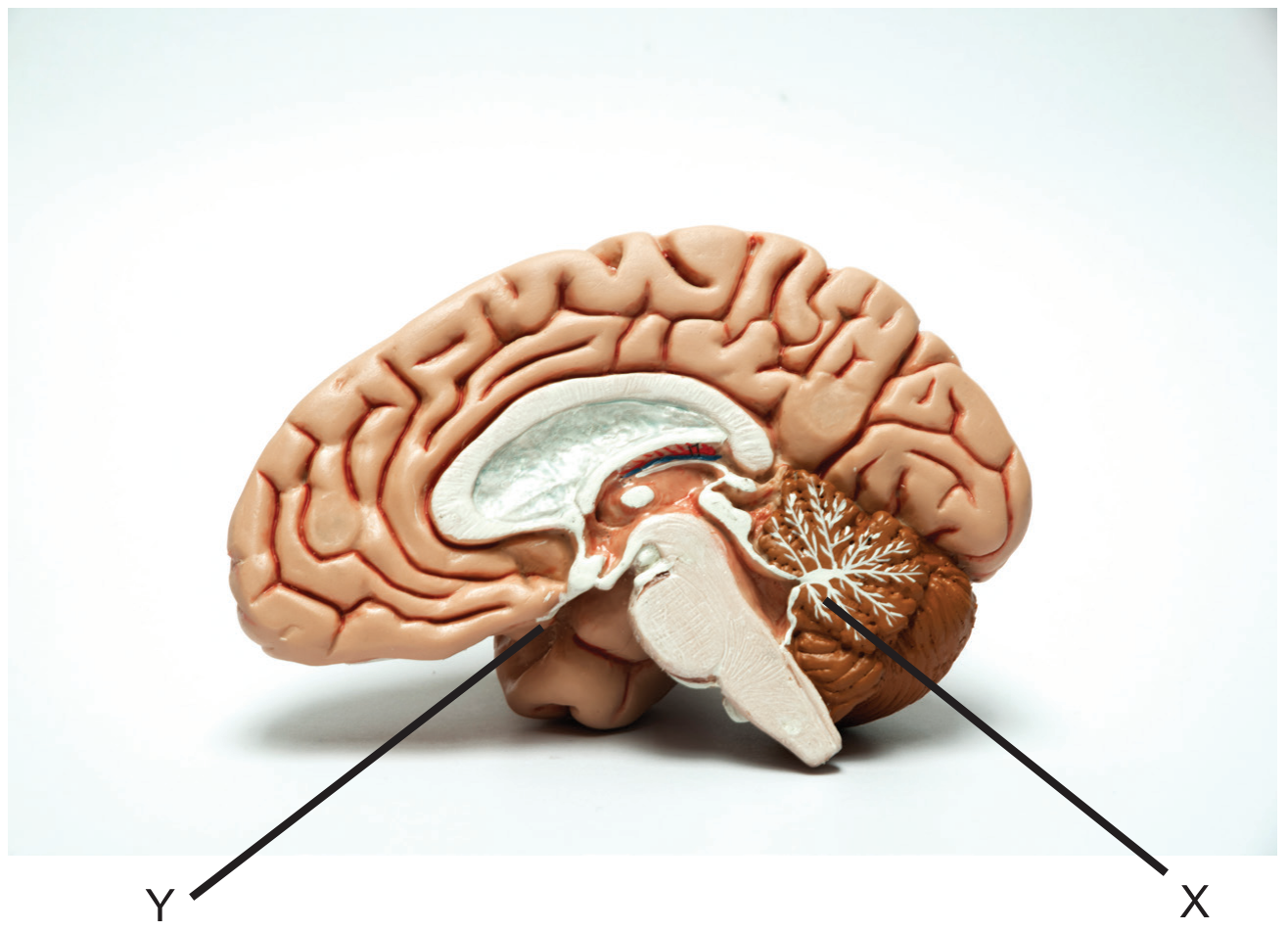
The image shows a normal human brain in vertical section.

Question image

Question 4(a)

(a)

Identify the parts of the brain labelled X and Y .
X:
Y:

[ 2 ]

Question 15

[Maximum number: 1]

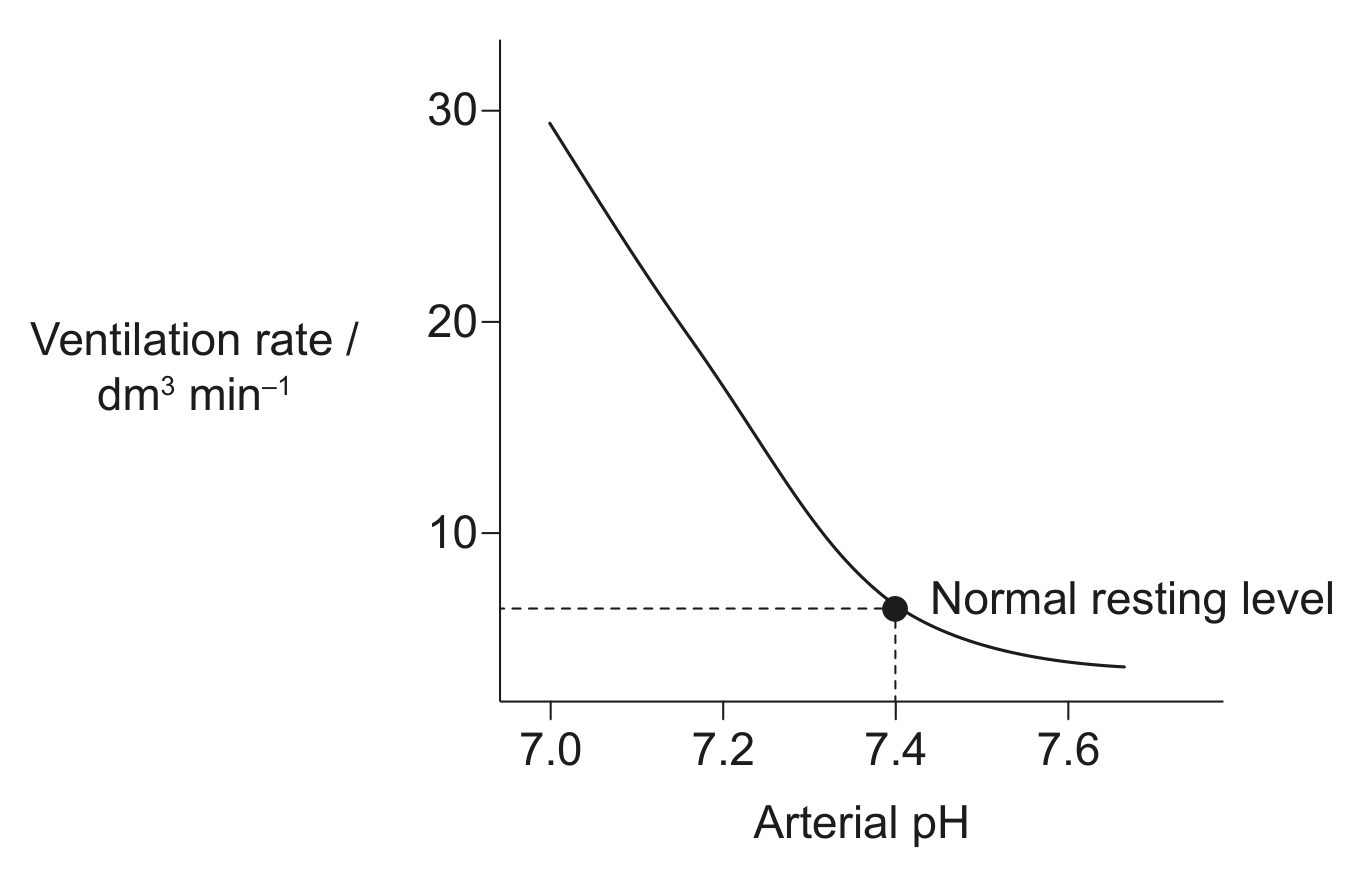
The graph shows ventilation rate as a result of change in arterial pH . Blood is normally maintained at approximately pH 7.4 in response to changes detected by receptors.

Question image

What is happening in the blood below pH 7.4 ?

A

Transmembrane receptors detect increased O2\mathrm{O}_{2} concentration.

B

Baroreceptors detect increased CO2\mathrm{CO}_{2} concentration.

C

Thermoreceptors detect increased O2\mathrm{O}_{2} concentration.

D

Chemoreceptors detect increased CO2\mathrm{CO}_{2} concentration.

Question 16

[Maximum number: 1]

Which is the receptor in a pain reflex arc?

A

Skeletal muscle

B

Grey matter of spinal cord

C

Pituitary gland

D

Sensory nerve ending

0 selected