EduNinja

IB Biology SLC2.2 Neural signallingQuestion Bank

Question 1

[Maximum number: 2]

Exposure to organophosphorus pesticides (OP) is a cause of serious nerve damage. It disrupts synaptic transmission by inhibiting the enzyme acetylcholinesterase, causing death due to cardiovascular and respiratory failure.

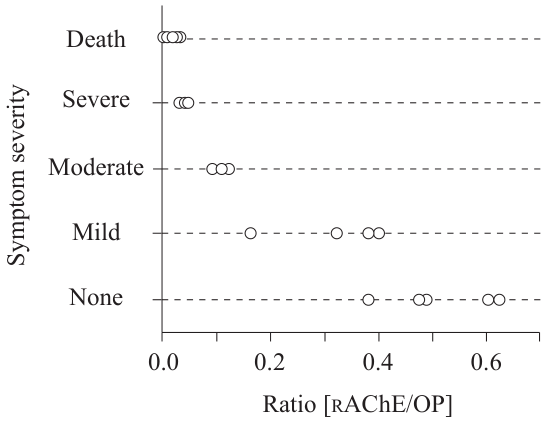
Recombinant human acetylcholinesterase ( RAChE ) was obtained by genetic engineering and produced in Nicotiana benthamiana plants. It was tested as a new therapeutic treatment in mice that were exposed to OP. The following graph shows the severity of the symptoms shown by each mouse at different ratios of RAChE to OP.
Question image

Question 1(e)

(a)

Describe the evidence for damage to synapses by OP provided by data in the box plot.

[ 2 ]
Question 11

[Maximum number: 1]

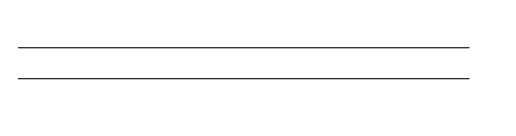
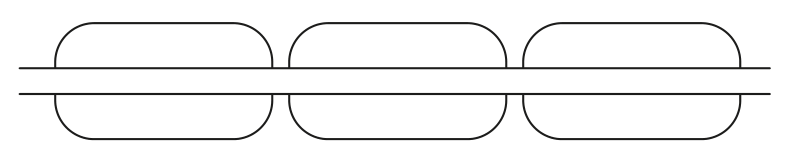
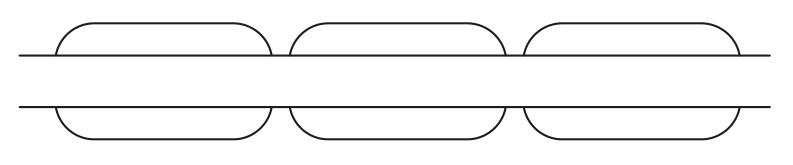
The diagrams represent sections through different axons. Which axon has the slowest speed of impulse?

A
Question image
B
Question image
C
Question image
D
Question image

Question 11

[Maximum number: 1]

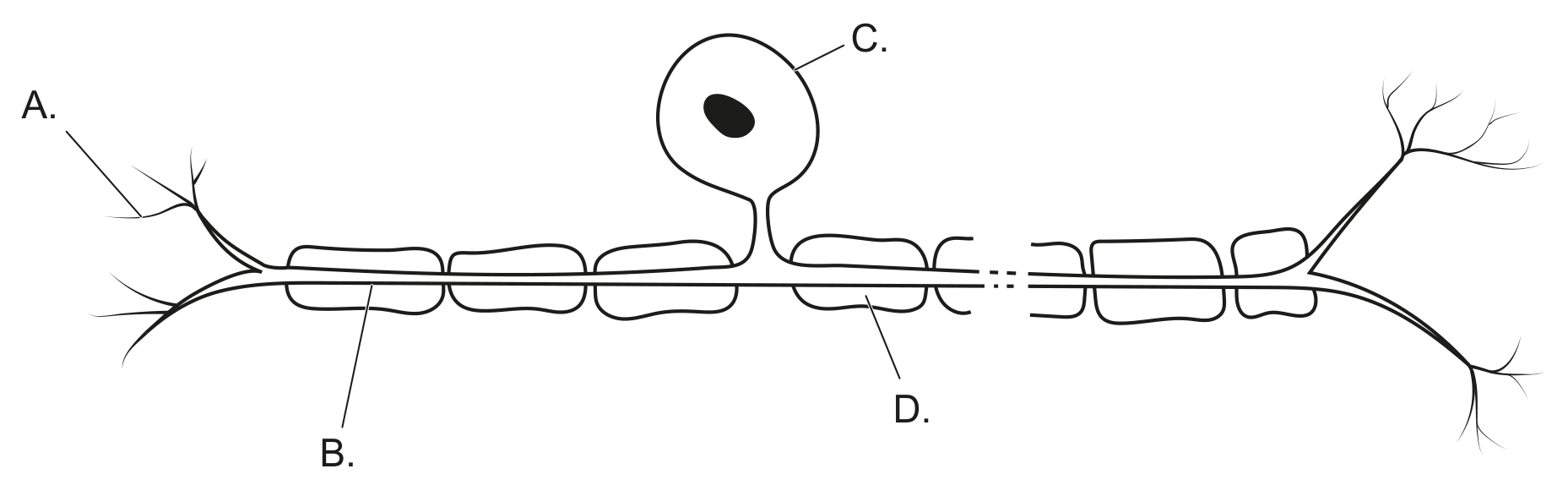
The image shows a neuron. Which letter shows a dendrite?

Question image

Question 12

[Maximum number: 1]

The diagrams represent sections through different axons. Which axon has the slowest speed of impulse?

A
Question image
B
Question image
C
Question image
D
Question image

Question 3

[Maximum number: 7]

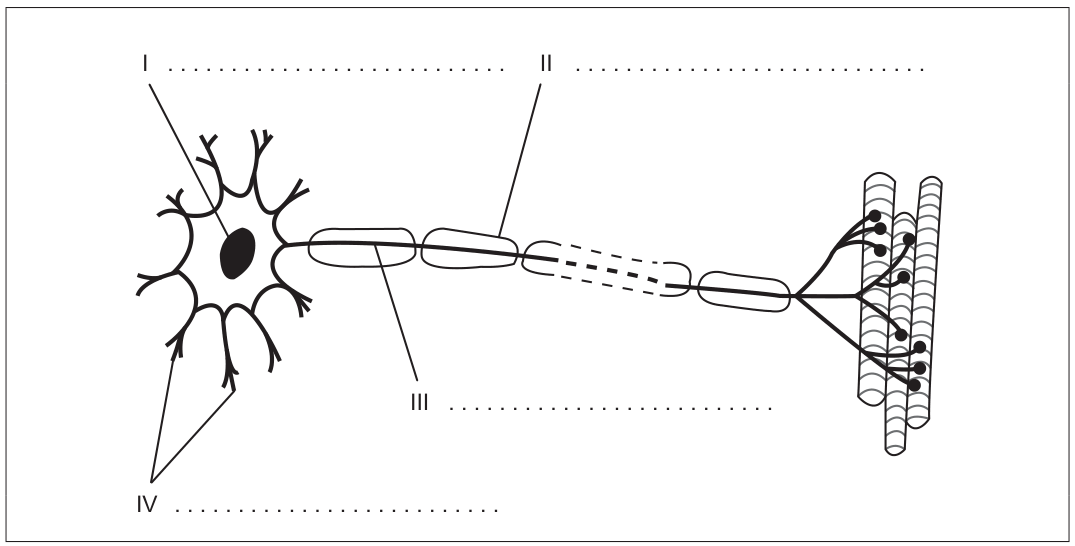
The diagram below shows a motor neuron.

Question image

Question 3(a)

(a)

Label the structures indicated by the numbers I-IV.

[ 2 ]

Question 3(b)

(b)

State a function of motor neurons.

[ 1 ]

Question 3(c)

(c)

Define resting potential.

[ 1 ]

Question 3(d)

(d)

Outline how nerve impulses are transmitted along a nerve fibre.

[ 3 ]

Question 3

[Maximum number: 4]

The neuron is a specialized cell that exhibits a structure important to its function.

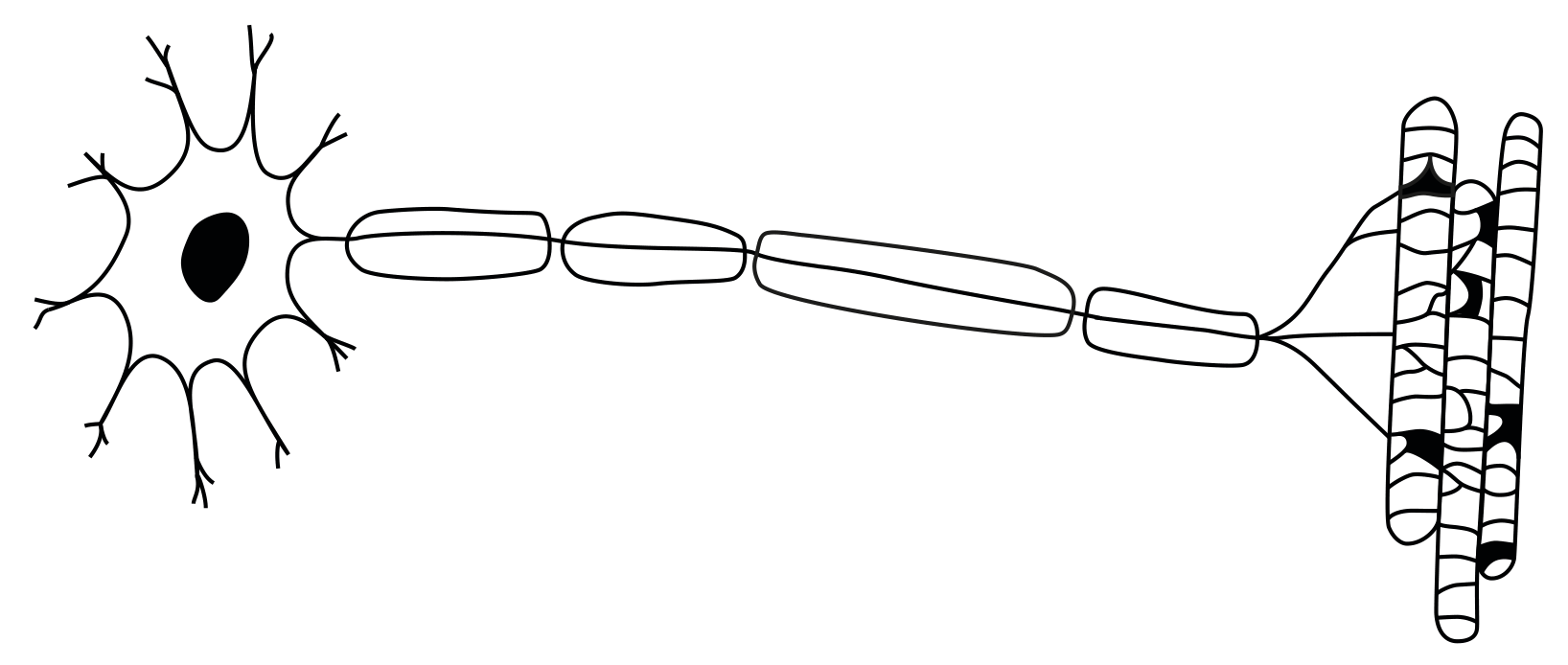
The diagram shows a neuron interacting with a muscle cell.

Question image

Question 3(a)

(a)

Determine, with a reason, whether this neuron is insulated.

[ 1 ]

Question 3(c)

(b)

Describe how neurotransmitters are released from a presynaptic neuron membrane.

[ 3 ]

Question 4

Question 4(b)

(a)

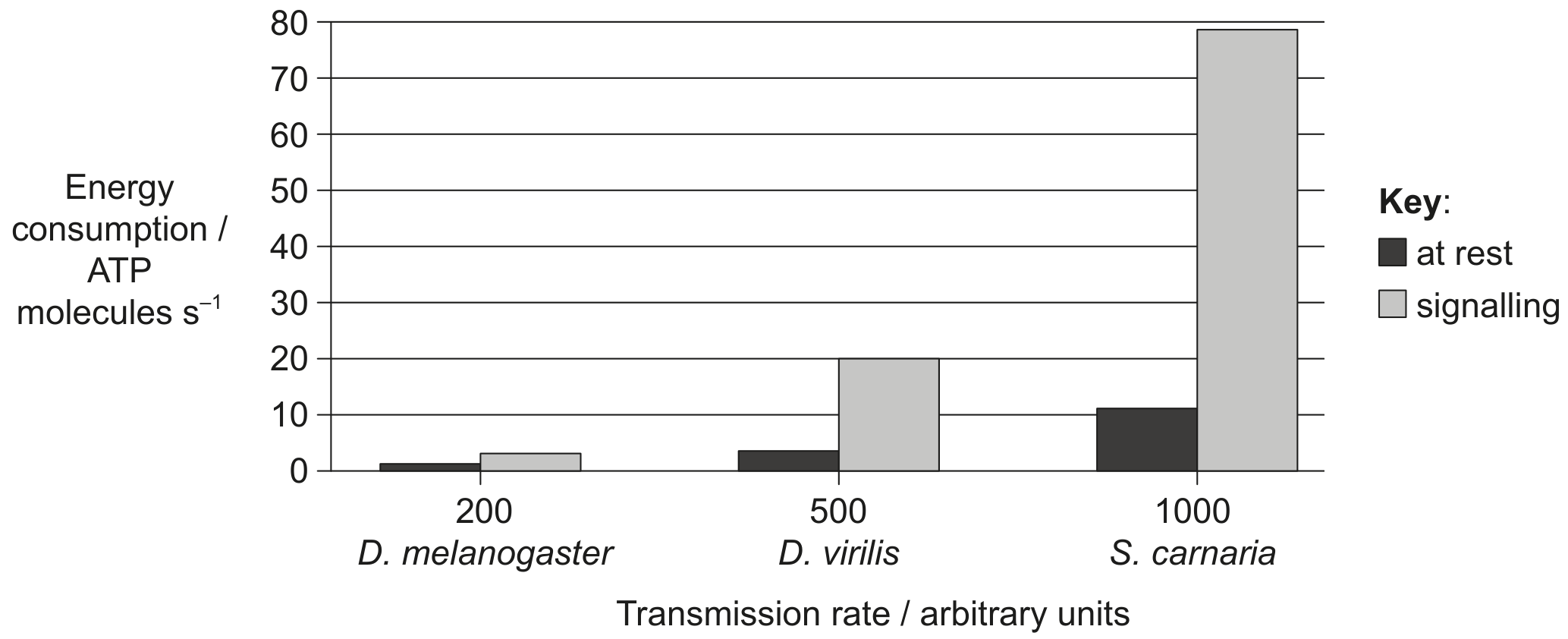
The graph shows the energy consumption of photoreceptors in three different species of fly (Drosophila melanogaster, Drosophila virilis and Sarcophaga carnaria) at the mean of the highest transmission rate for each species at rest and while sending a nerve signal (signalling).

Question image
[ 2 ]

Question 4(b)(i)

(i)

Explain how neurons at rest still consume energy.

[ 2 ]

Question 3

[Maximum number: 2]

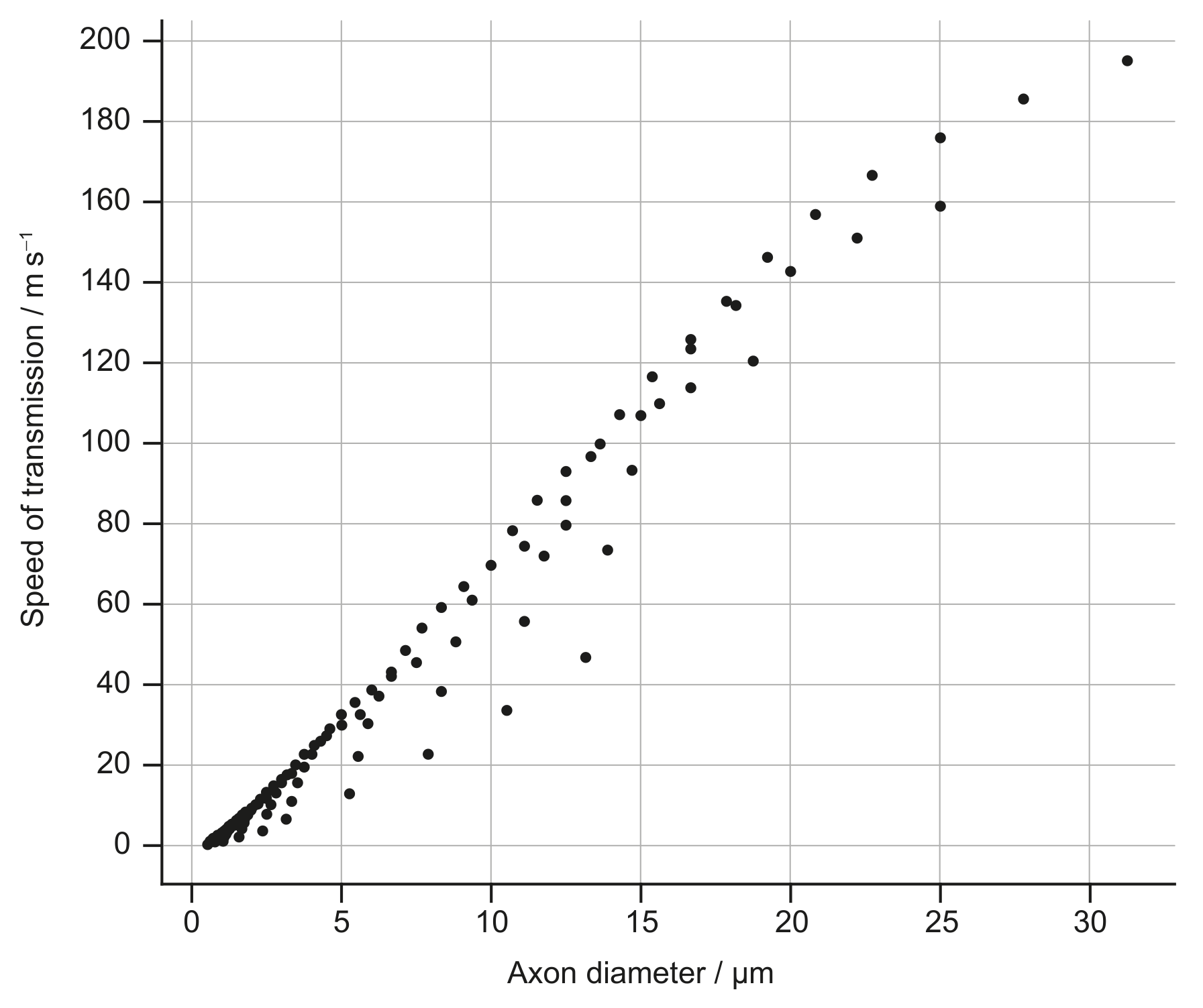
Scientists used MRI to calculate the speed of transmission of nerve impulses along axons of brain neurons.

Question image

Question 3(a)

Question 3(a)(i)

(a)
(i)

Describe the relationship between speed of transmission and axon diameter.

[ 1 ]

Question 3(b)

(b)

Distinguish between the functions of sensory and motor neurons.

[ 1 ]

Question 3

Question 3(b)

(a)

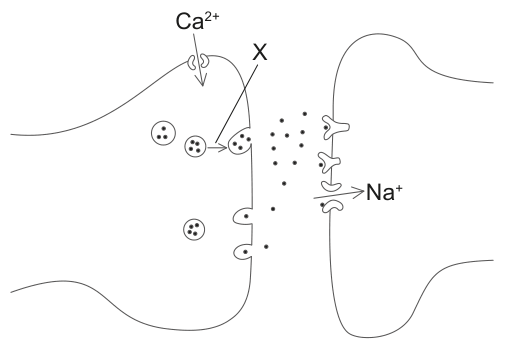
The diagram shows part of two neurons.

Question image
[ 3 ]

Question 3(b)(ii)

(i)

X indicates the movement of a structure in the neuron. Explain what events trigger this movement and what happens next.

[ 3 ]

Question 5

Question 5(a)

(a)

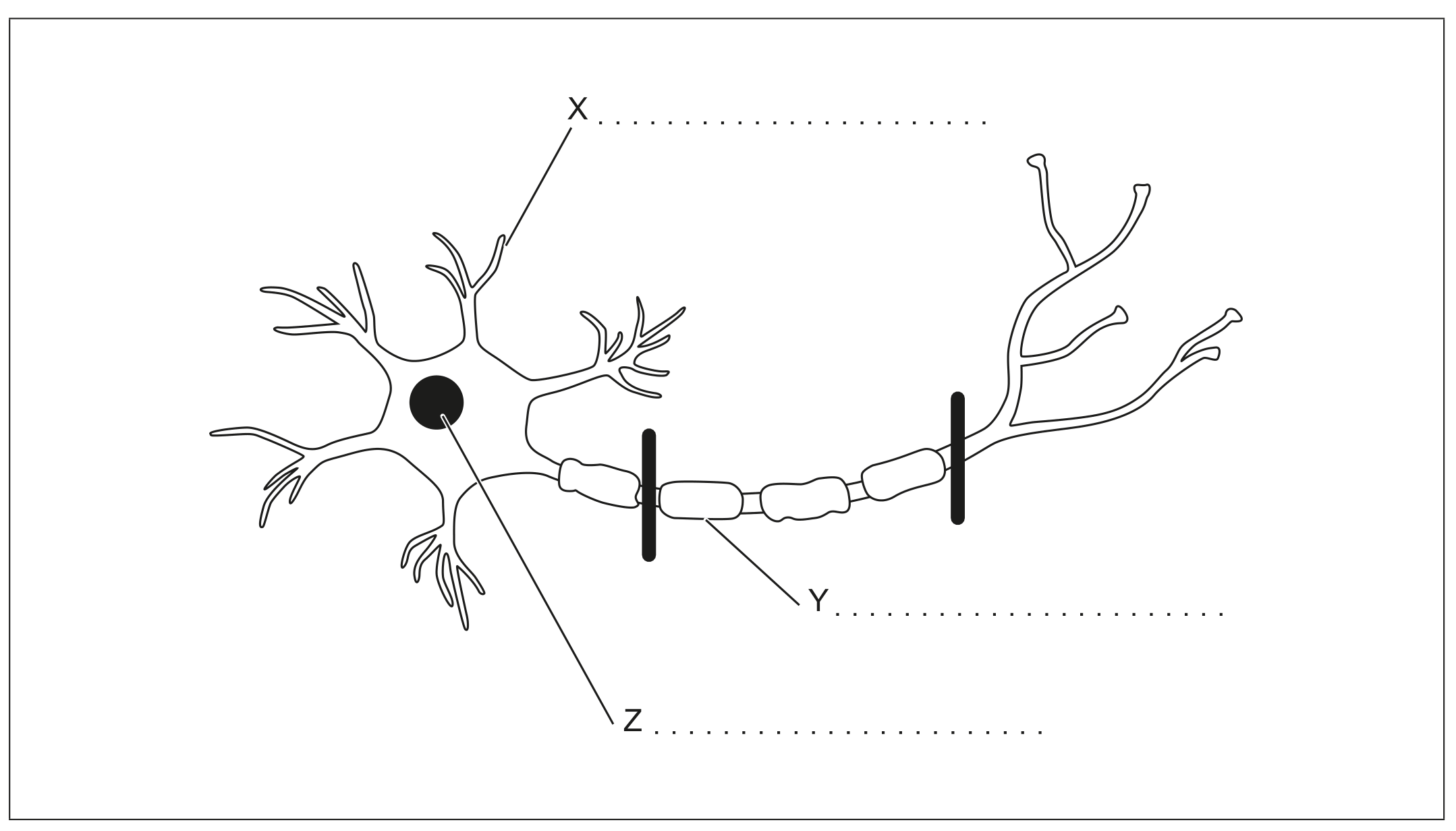
Label the structures X, Y and Z on the diagram of a motor neuron.

Question image

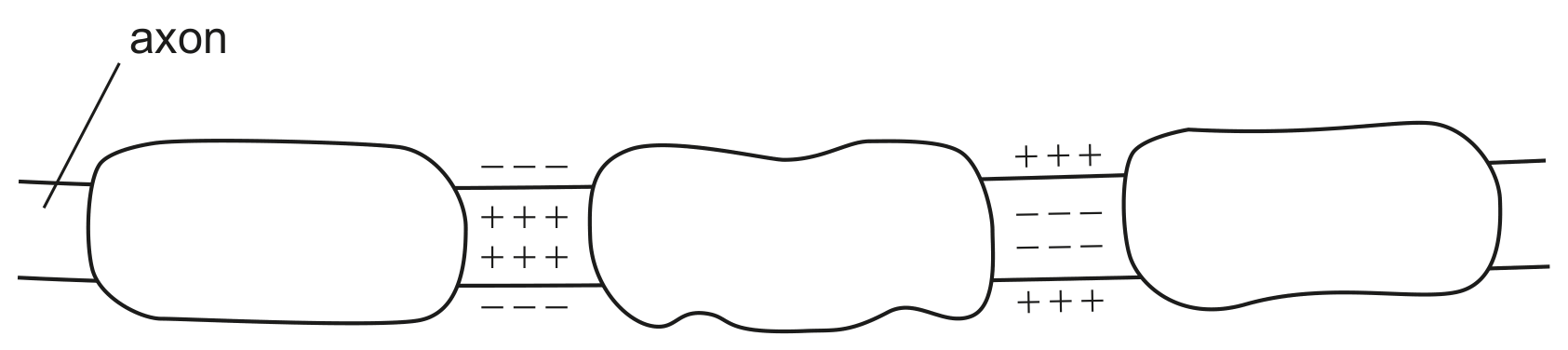
The section of the axon between the solid black lines in the motor neuron diagram is enlarged and shown.

Question image
[ 3 ]

Question 5(b)

(b)

On the diagram, label the part of the axon representing resting potential with R and the depolarized part with D.

[ 2 ]
0 selected