EduNinja

IB Biology SLC1.1 Enzymes and metabolismQuestion Bank

Question 1

[Maximum number: 1]

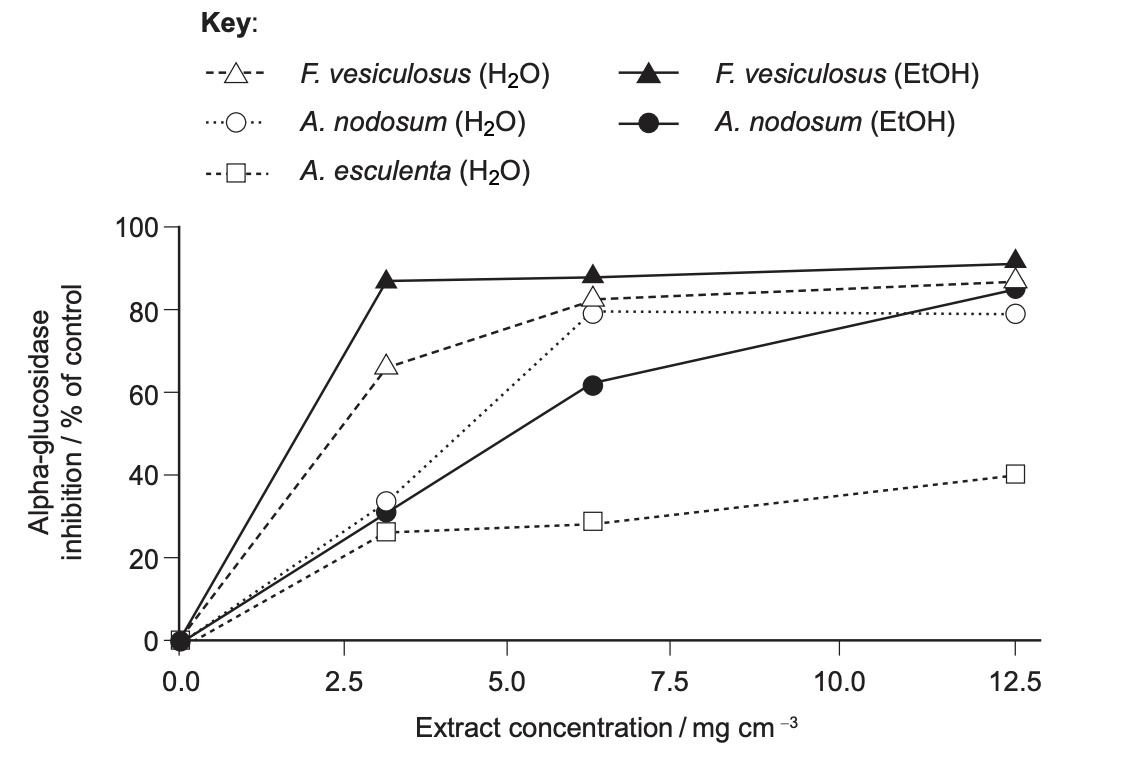
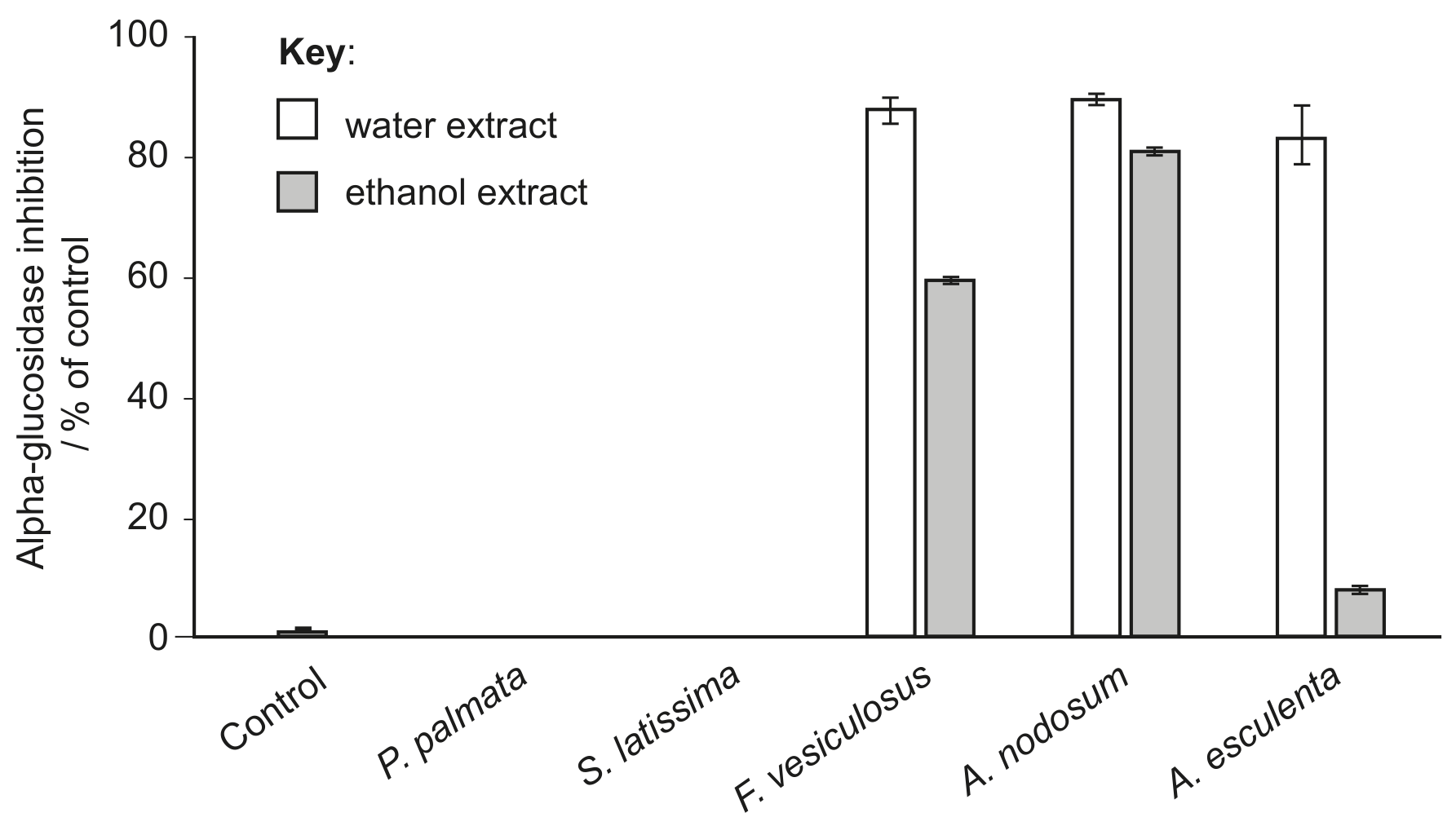
Type II diabetes, a widespread and challenging health problem, is due to insulin resistance, which results in raised blood glucose. Alpha-glucosidase enzymes catalyse the hydrolysis of carbohydrates. Inhibition of the enzymes slows the absorption of glucose in the intestine and thus slows the rise in blood glucose. A study examined the inhibitory effect of five species of seaweed (Palmaria palmata, Saccharina latissima, Fucus vesiculosus, Ascophyllum nodosum and Alaria esculenta) on alpha-glucosidase. Dried seaweed extracts made with water or ethanol were added to maltose. The solutions were incubated, then analysed for glucose content.

The graph shows percent inhibition of alpha-glucosidase with different seaweed extracts compared with uninhibited enzyme activity (control).
Question image

Question 1(b)

(a)

Identify which seaweed extracts do not inhibit alpha-glucosidase.
The effect of different concentrations of extracts was tested using both water (H2O)\left(\mathrm{H}_{2} \mathrm{O}\right) and ethanol (EtOH).

Question image
[ 1 ]

Question 1

[Maximum number: 1]

Cell metabolism involves anabolic and catabolic reactions. Which process directly involves anabolism?

A

Active transport of ions

B

Release of energy from glucose

C

Production of intracellular enzymes

D

Breakdown of worn-out cell organelles by lysosomes

Question 1

[Maximum number: 2]

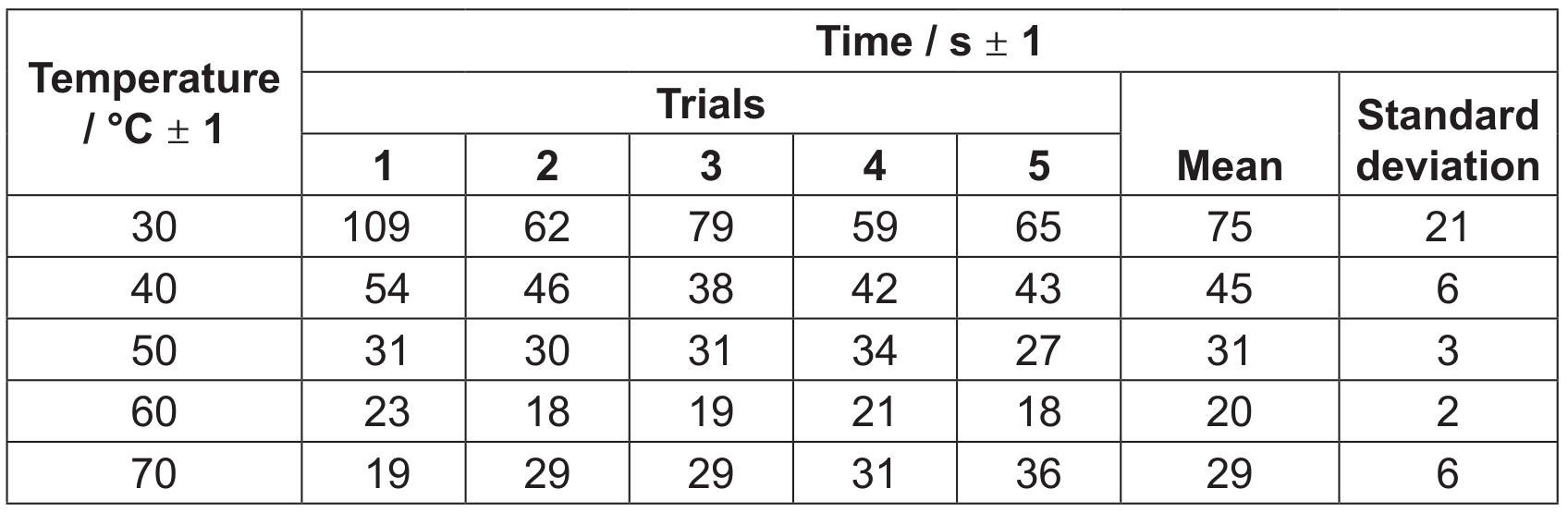
Urease is an enzyme that breaks down urea into ammonia and carbon dioxide. The ammonia produced causes the pH of the solution to rise. This reaction can be followed using a pH indicator or a pH probe.

In an experiment conducted by a student the time taken for the pH indicator, thymol blue, to change from yellow to blue was recorded at different temperatures.

Table

Question 1(c)

(a)

Outline the effect of temperature on the activity of urease enzyme.

[ 2 ]

Question 1

[Maximum number: 5]

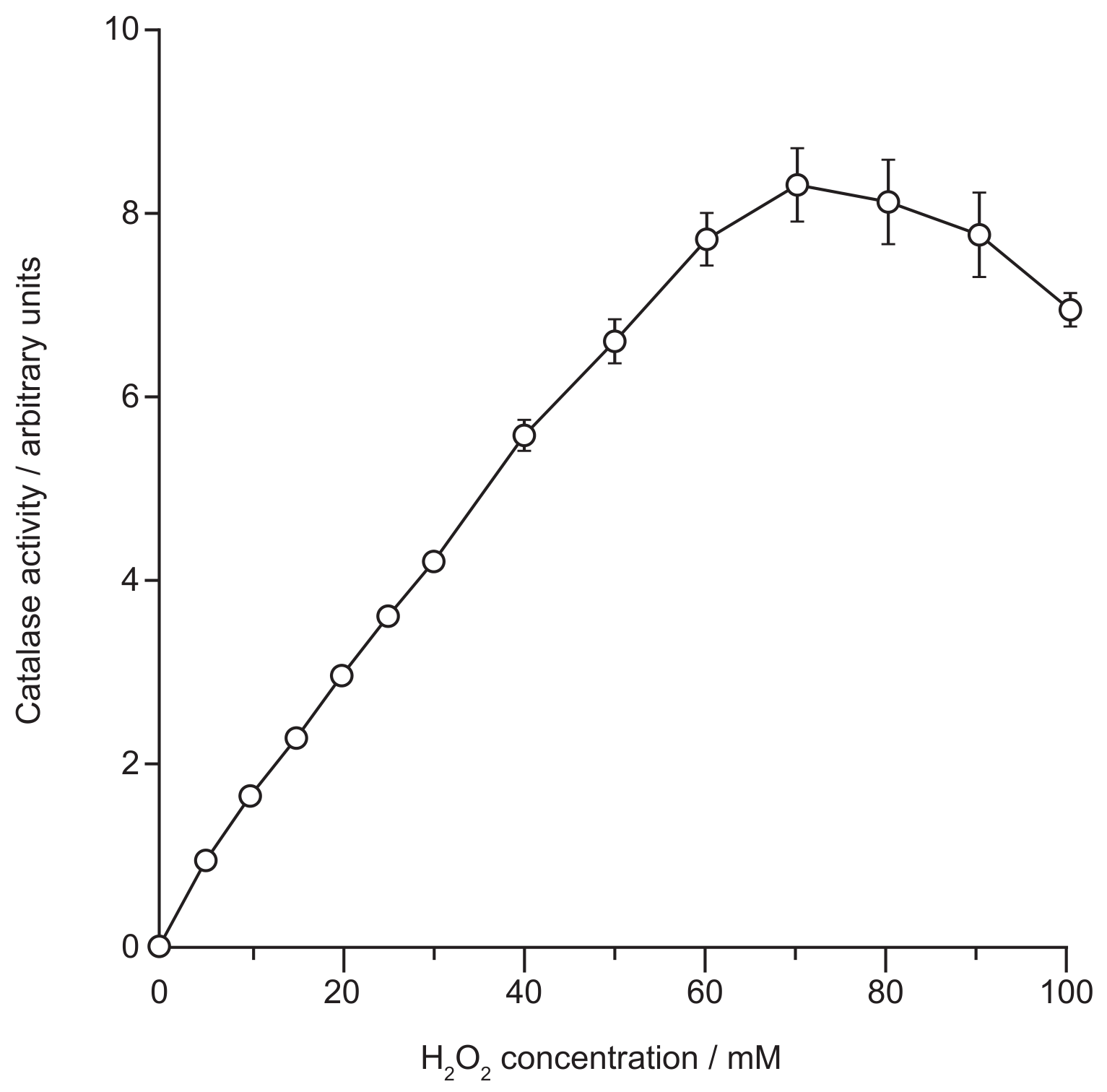
A study was carried out on the activity of catalase in bacteria living in extreme environments. Catalase decomposes hydrogen peroxide (H2O2)\left(\mathrm{H}_{2} \mathrm{O}_{2}\right). The data were obtained for a strain of bacteria called Vibrio rumoiensis which exhibits high catalase activity.

Question image

Question 1(a)

(a)

Describe the relationship between increasing H2O2\mathrm{H}_{2} \mathrm{O}_{2} concentration and catalase activity.

[ 2 ]

Question 1(b)

(b)

Identify two factors that would need to be controlled in generating these data.

[ 1 ]

Question 1(c)

(c)

Evaluate the claim that, based on the data, the optimum H2O2\mathrm{H}_{2} \mathrm{O}_{2} concentration for catalase is 70 mM .

[ 2 ]

Question 1

[Maximum number: 2]

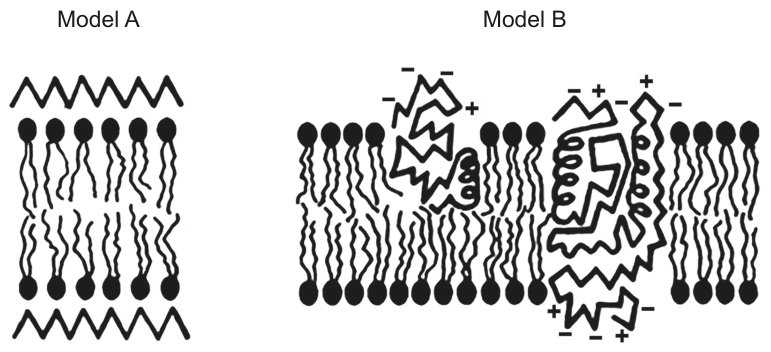
Two models of plasma membrane structure are shown.

Question image

Question 1(c)

(a)

Phospholipase C is an enzyme that digests the polar heads of phospholipids. Scientists used phospholipase C to test these models of membrane structure. They found that the enzyme could digest the heads of phospholipids in the plasma membranes of red blood cells.

[ 2 ]

Question 1(c)(ii)

(i)

Suggest one reason for maintaining a pH of 7.5 throughout the experiment.

[ 2 ]

Question 4

[Maximum number: 1]

Which process is an example of catabolism?

A

Protein synthesis

B

Photosynthesis

C

Oxidation of substrates in respiration

D

Glycogen formation

Question 4

[Maximum number: 1]

Which are examples of anabolic and catabolic reactions?

Anabolic reaction

Catabolic reaction

hydrolysis of macromolecules
into monomers

oxidation of substrates in
respiration

glycogen formation

hydrolysis of macromolecules
into monomers

oxidation of substrates in
respiration

protein synthesis

protein synthesis

glycogen formation

Question 2

[Maximum number: 1]

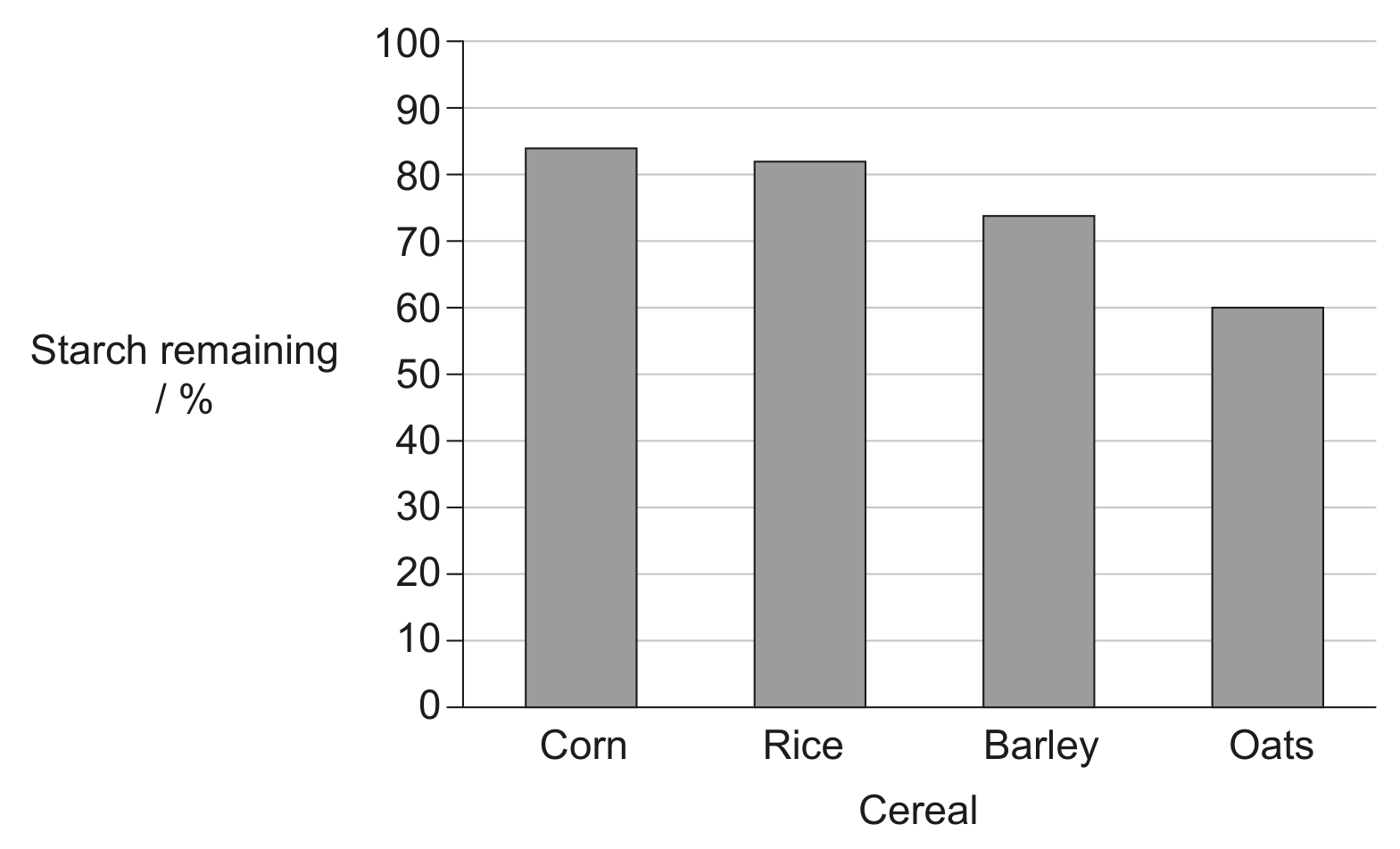
The enzyme amylase was extracted from the digestive system of horses and added to whole cereal grains (seeds) in test tubes at 39C39^{\circ} \mathrm{C} to determine which grain was digested quickest. Each test tube received equal quantities of the enzyme. The quantity of starch remaining in the grains after 15 minutes was measured.

Question image

Question 2(b)

(a)

Suggest one method that could have been used to keep the tubes at a constant temperature.

[ 1 ]

Question 2

[Maximum number: 3]

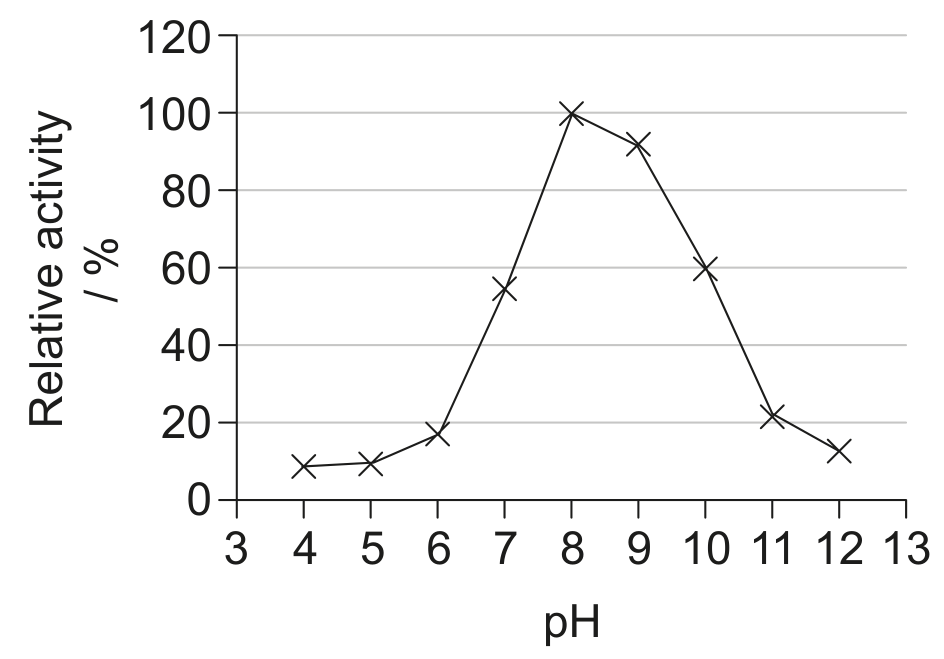
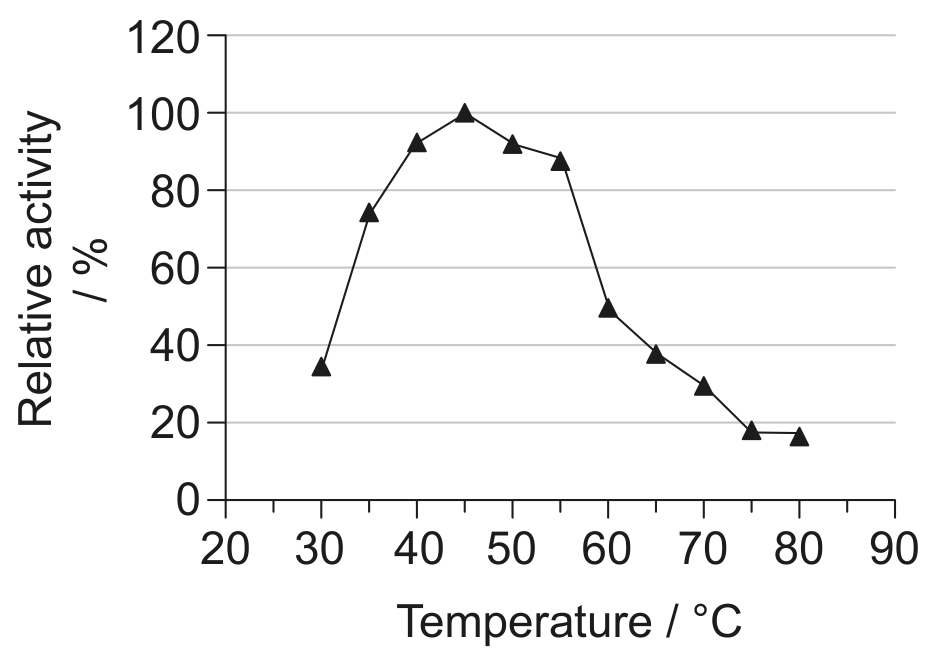
Keratin is a protein found in hair, nails, wool, horns and feathers. The graphs show the relative keratinase activity obtained in experiments into keratin digestion at different pH values and different temperatures.

Question image
Question image

Question 2(a)

(a)

Determine the optimum pH and temperature of keratinase.

[ 1 ]

Question 2(b)

(b)

Suggest two changes occurring in the reaction vessel that could be used to indicate keratinase activity.

[ 2 ]

Question 5

[Maximum number: 1]

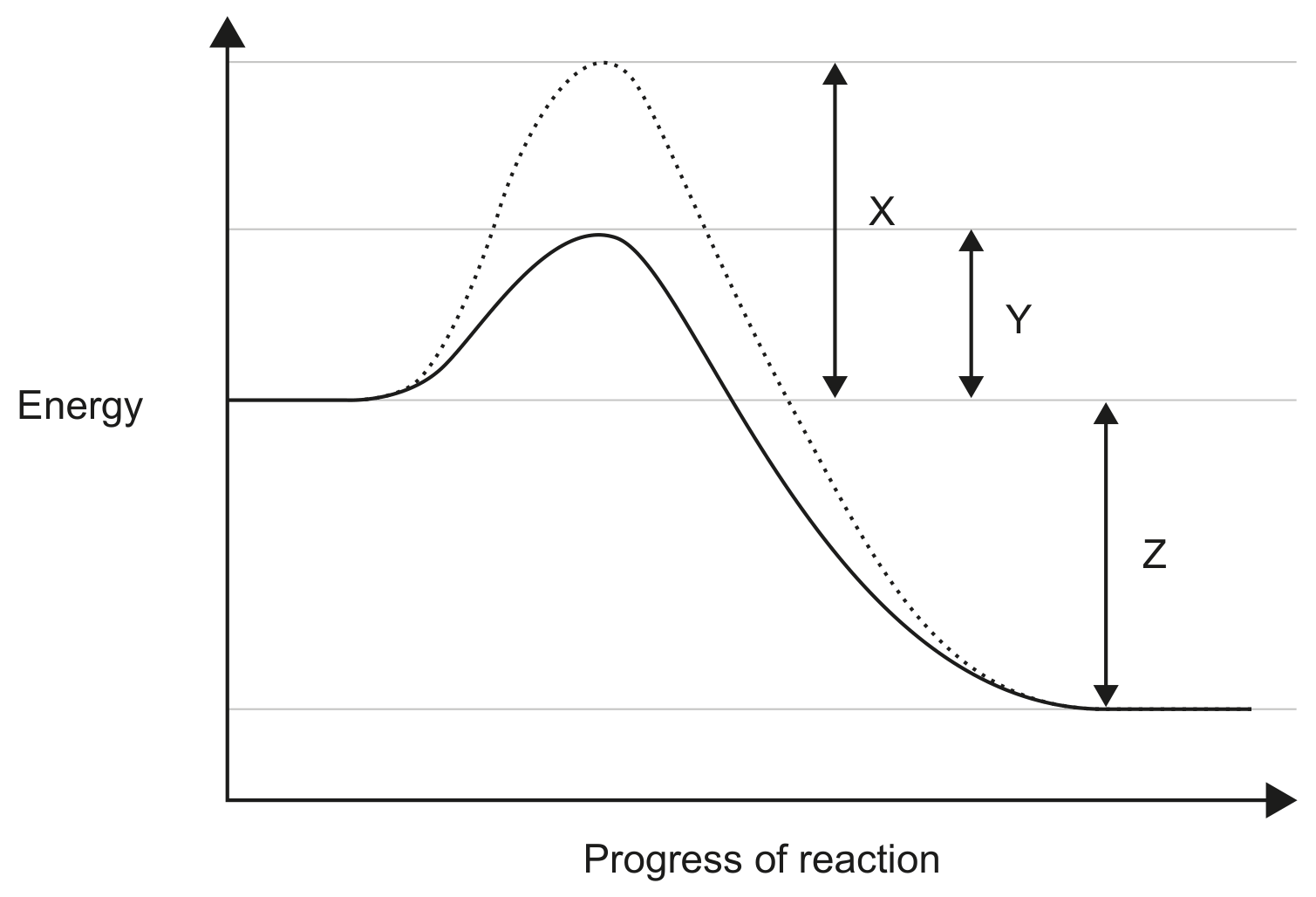
The graph shows energy changes during a reaction both with and without an enzyme present.

Question image

Which statement correctly identifies two of the regions labelled X, Y and Z in the graph?

A

X is the activation energy with an enzyme and Z is the net energy released from the reaction.

B

X is the energy released from the reaction and Y is the activation energy with an enzyme.

C

Y is the energy released with an enzyme and Z is the energy released when bonds are broken.

D

Y is the activation energy with an enzyme and Z is the net energy released.

0 selected