
EduNinja

IB Biology SLB4.2 Ecological nichesQuestion Bank

Question 2

[Maximum number: 1]

A student set up a 20 -metre transect line along a rocky shore and measured the abundance of seven species of seaweeds (A-G) at 21 different sampling stations at fixed distances. The kite diagram represents the species abundance data across the 20 metres.
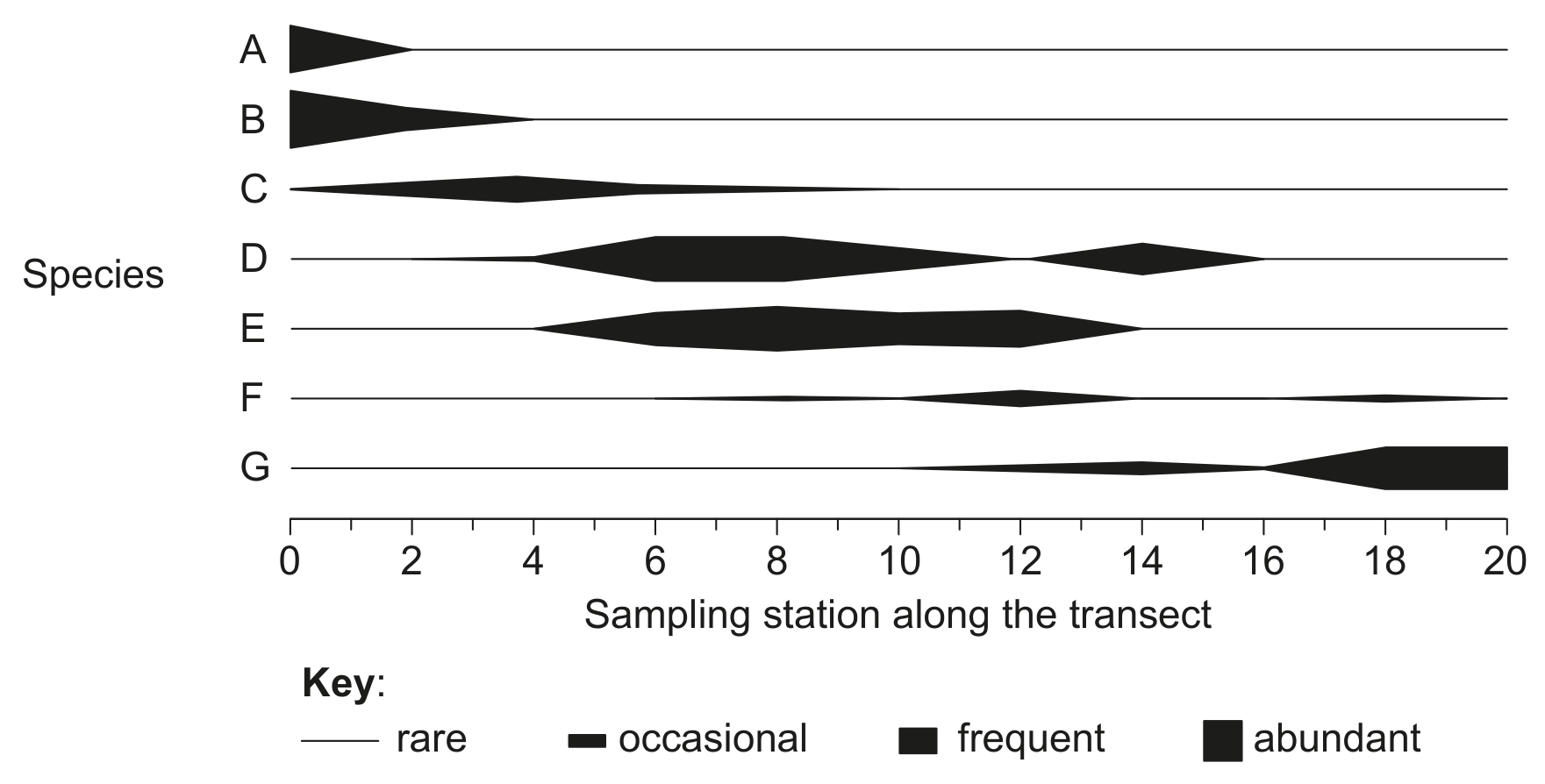
Question image

Question 2(c)

(a)

Seaweeds are obligate aerobes. Describe an environmental condition required for seaweed survival.

[ 1 ]
Question 2

[Maximum number: 1]

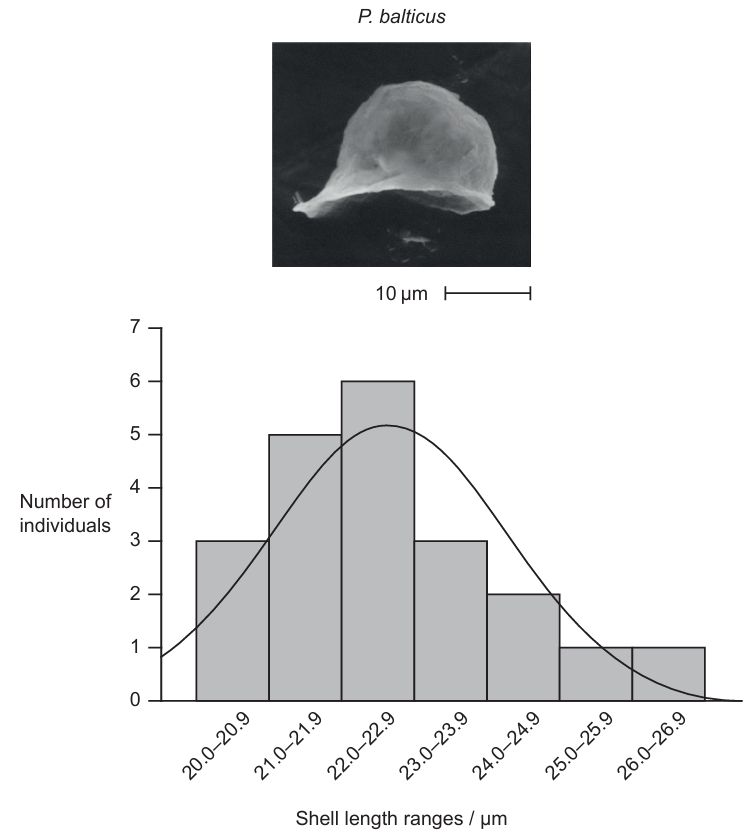
Psammonobiotus balticus belongs to a group of protists (unicellular eukaryotic organisms) that have a shell surrounding most of the cell, which provides shelter from predators. The graph shows the frequency of varying shell lengths in a population of P. balticus.

Question image

Question 2(d)

(a)

Outline the reason that some species of protists are classified as mixotrophs.

[ 1 ]

Question 2

Question 2(b)

(a)

Outline the method of nutrition carried out by P. caudatum.

[ 1 ]

Question 17

[Maximum number: 1]

Which organism would be classified as a saprotroph?

A

A single-celled eukaryote that obtains its carbon compounds by photosynthesis and ingestion of other single-celled organisms

B

A jellyfish that uses the stinging cells in its tentacles to paralyse its prey, which is passed to an internal gastric cavity through a single opening

C

A fungus that feeds by secretion of digestive enzymes onto its food and absorption of digested material

D

A dung beetle that feeds on the fecal material left behind by other animals

Question 17

[Maximum number: 1]

Which category of organisms is correctly described by its method of nutrition and site of digestion?

Category of organism

Method of nutrition

Site of digestion

consumer

heterotrophic

internal

saprotroph

autotrophic

external

producer

autotrophic

internal

detritivore

heterotrophic

external

Question 17

[Maximum number: 1]

Euglena is a unicellular organism that feeds on bacteria and uses CO2\mathrm{CO}_{2} as a carbon source. Which describes the nutrition of this organism?

A

Autotrophic only

B

Heterotrophic only

C

Saprotrophic only

D

Autotrophic and heterotrophic

Question 17

[Maximum number: 1]

Which organism can best be described as a saprotroph?

A

A fungus that digests its food externally and absorbs the products of digestion

B

A beetle that feeds by ingesting the dung of other animal species and digesting its food internally

C

A single-celled eukaryote that is able to photosynthesize and consumes smaller organisms by endocytosis

D

A giraffe that feeds by ingesting leaves from an acacia tree

Question 18

[Maximum number: 1]

The Australian pitcher plant (Cephalotus follicularis) is a green plant that traps and feeds on flies and other live insects. What is this plant's mode of nutrition?

A

Producer and saprotroph

B

Autotroph and detritivore

C

Autotroph and heterotroph

D

Consumer and saprotroph

Question 18

[Maximum number: 1]

Under certain conditions, living organisms on Earth produce and release methane. Whatfavours the production of methane?

A

Forest fires

B

High light intensity

C

Anaerobic conditions

D

Dry conditions

Question 19

[Maximum number: 1]

Which organisms produce methane in anaerobic environments such as waterlogged soils?

A

Archaea

B

Fungi

C

Eukaryotes

D

Eubacteria

0 selected