EduNinja

IB Biology SLB3.1 Gas exchangeQuestion Bank

Question 1

[Maximum number: 1]

Cells in the alveolus wall produce a surfactant. Its function is to prevent alveoli collapse at the end of expiration. Surfactants are used in the treatment of respiratory system disease in premature babies.

The table shows some of the components of different surfactant preparations.
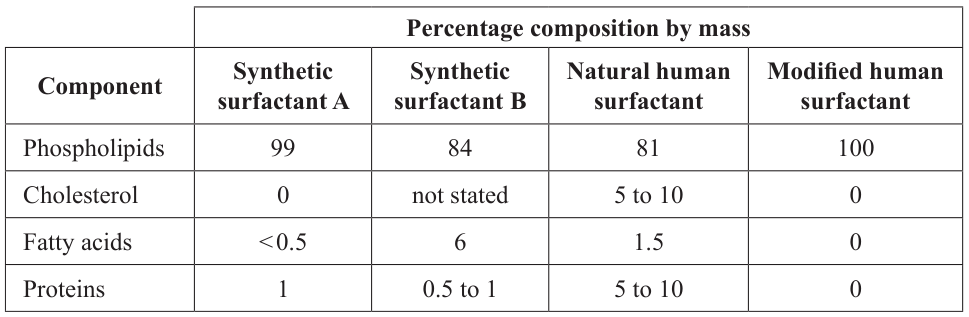
Table

Question 1(c)

(a)

State one feature of the alveoli, other than the presence of a film of moisture, that adapts them to gas exchange.

[ 1 ]
Question 1

[Maximum number: 2]

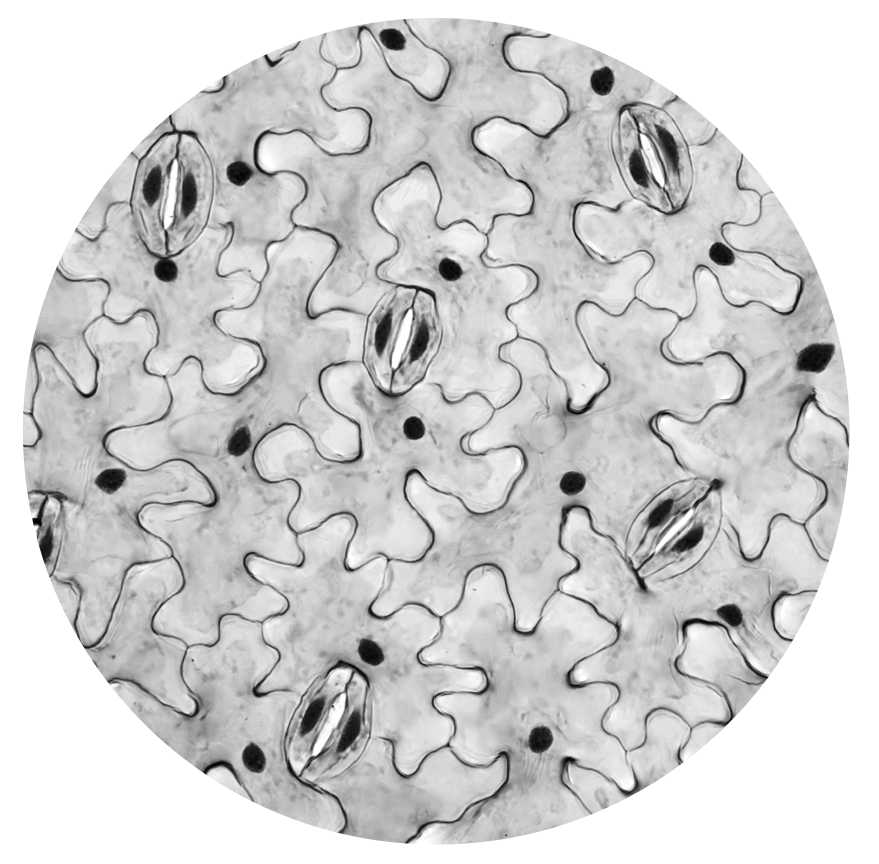
The image shows a cast of the lower surface of a leaf from a busy Lizzie (Impatiens walleriana) plant as seen under a light microscope with a magnification of 600×600 \times.

Question image

Question 1(a)

(a)

On the image, label a guard cell.

[ 1 ]

Question 1(c)

Question 1(c)(i)

(b)
(i)

Outline how stomatal density in busy Lizzie leaves can be estimated within a known field of view.

[ 1 ]

Question 2

[Maximum number: 2]

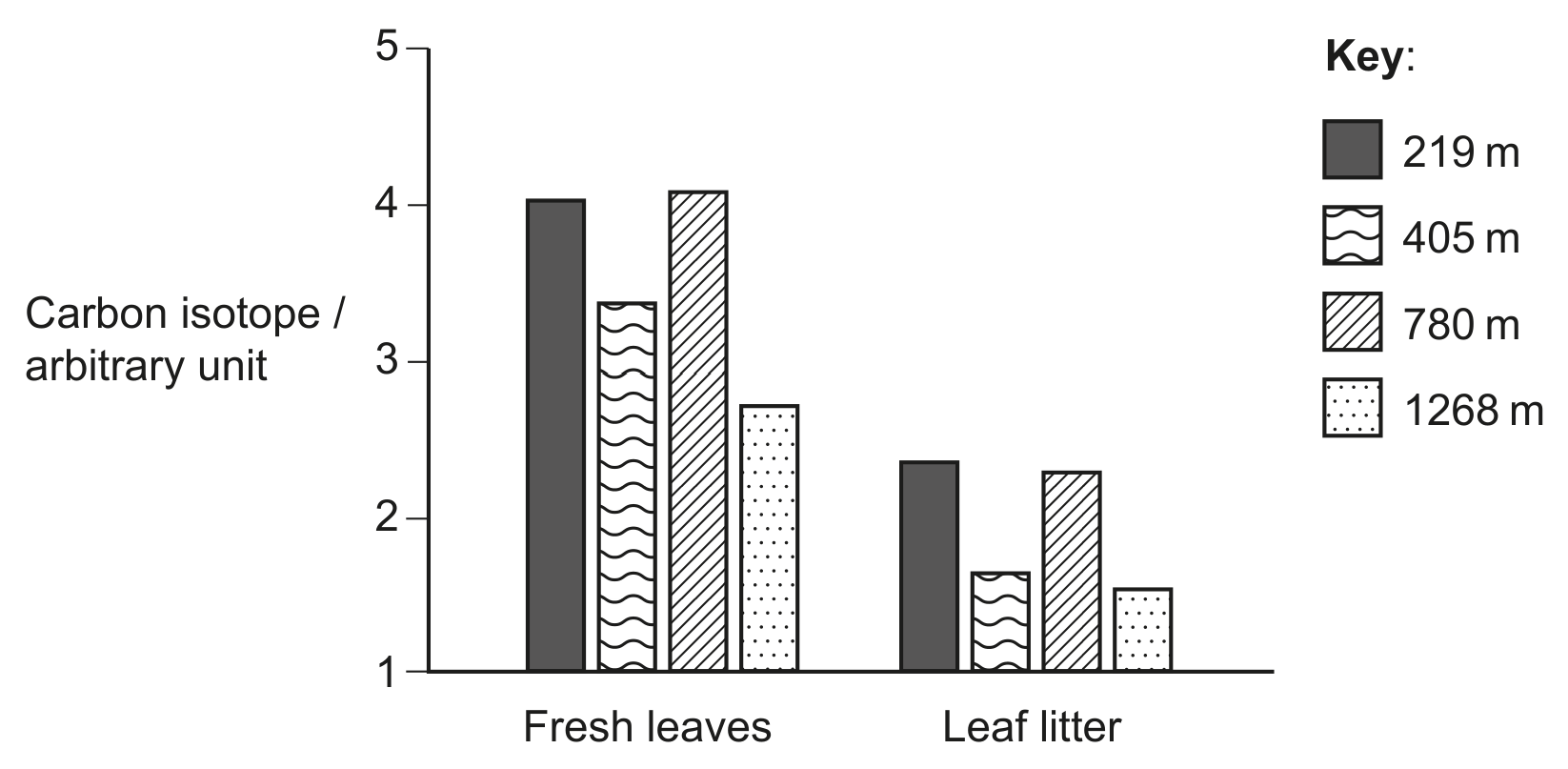
A study was conducted on the presence of a form (isotope) of carbon, carbon- 13(13C)13\left({ }^{13} \mathrm{C}\right), in trees at four different altitudes of Lushan, a mountain in central subtropical China.

Samples of fresh leaves and leaf litter (dead leaves on the ground) were taken from altitudes between 219 m and 1268 m . The carbon isotope in the leaves was measured in each sample. Presence of the carbon isotope was measured to indicate the relative uptake of carbon dioxide in photosynthesis.

Question image

Question 2(d)

(a)

Carbon enters a plant as carbon dioxide from the air. Outline the route that the gas takes to reach chloroplasts in a dicotyledonous plant.

[ 2 ]

Question 3

[Maximum number: 5]

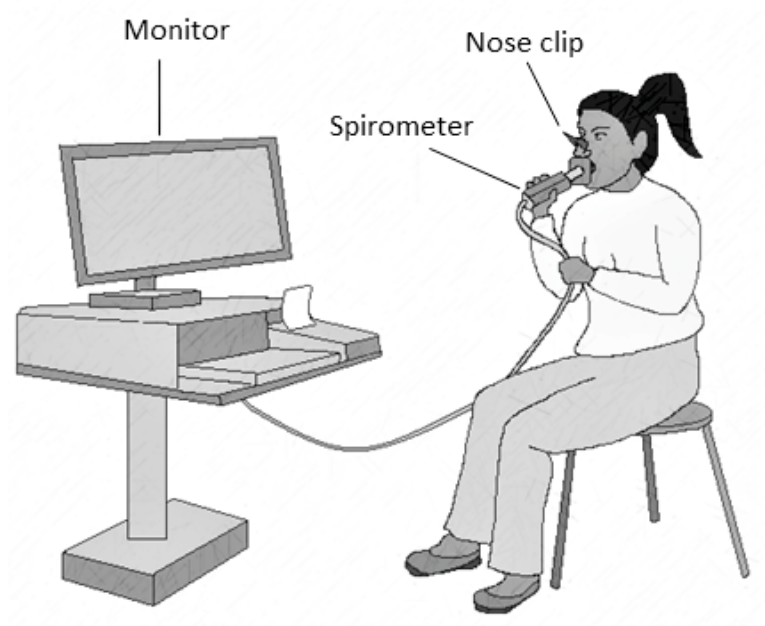
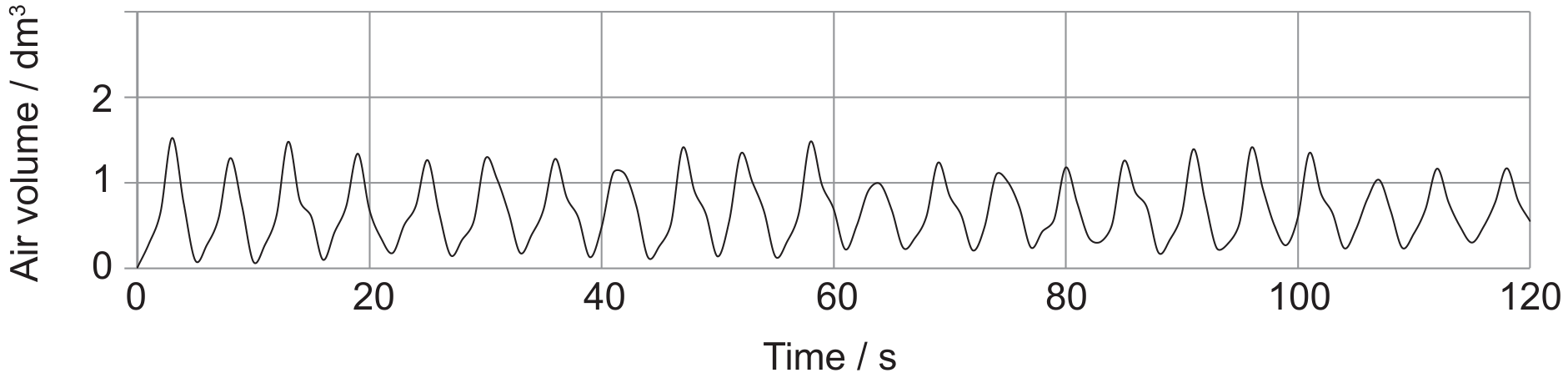
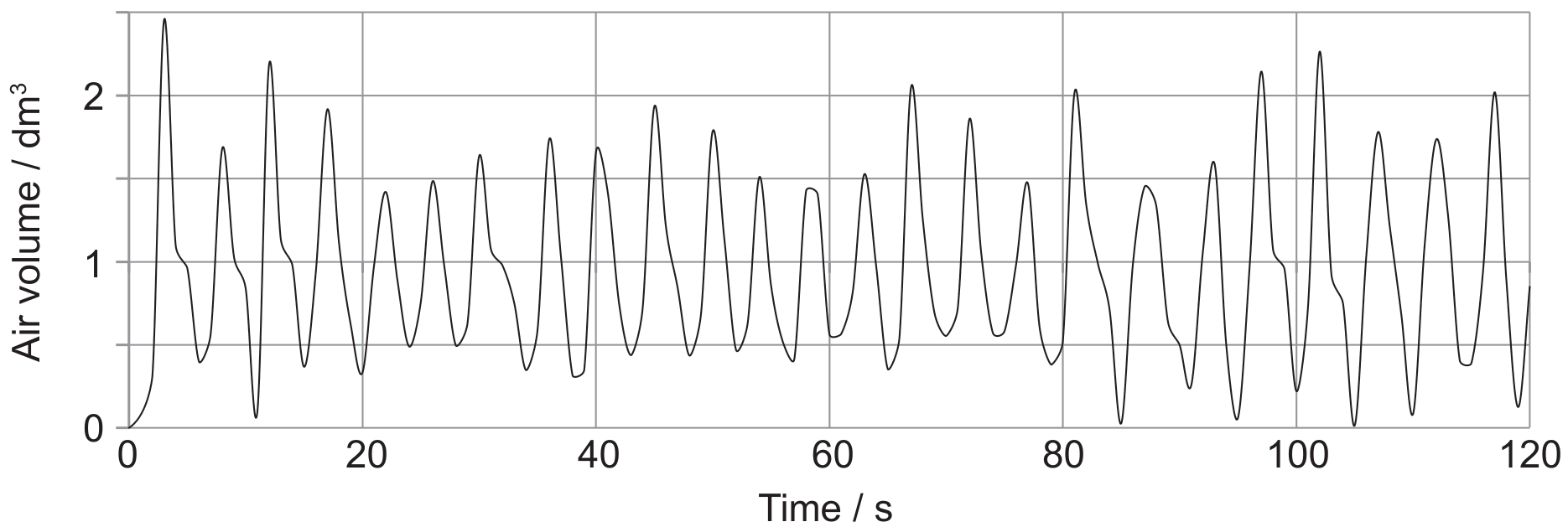
In an experiment to explore the effect of exercise on ventilation rate, a subject breathed into a data logging sensor that measured air flow.

Question image

Question 3(a)

(a)

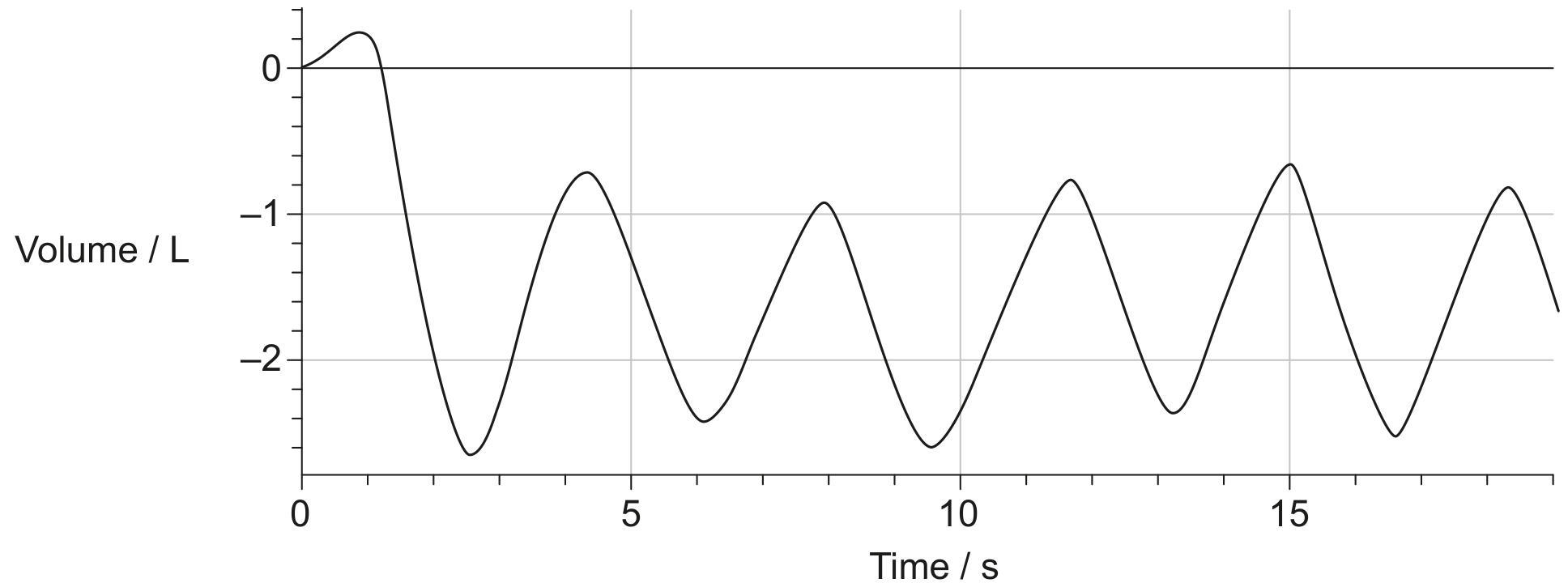
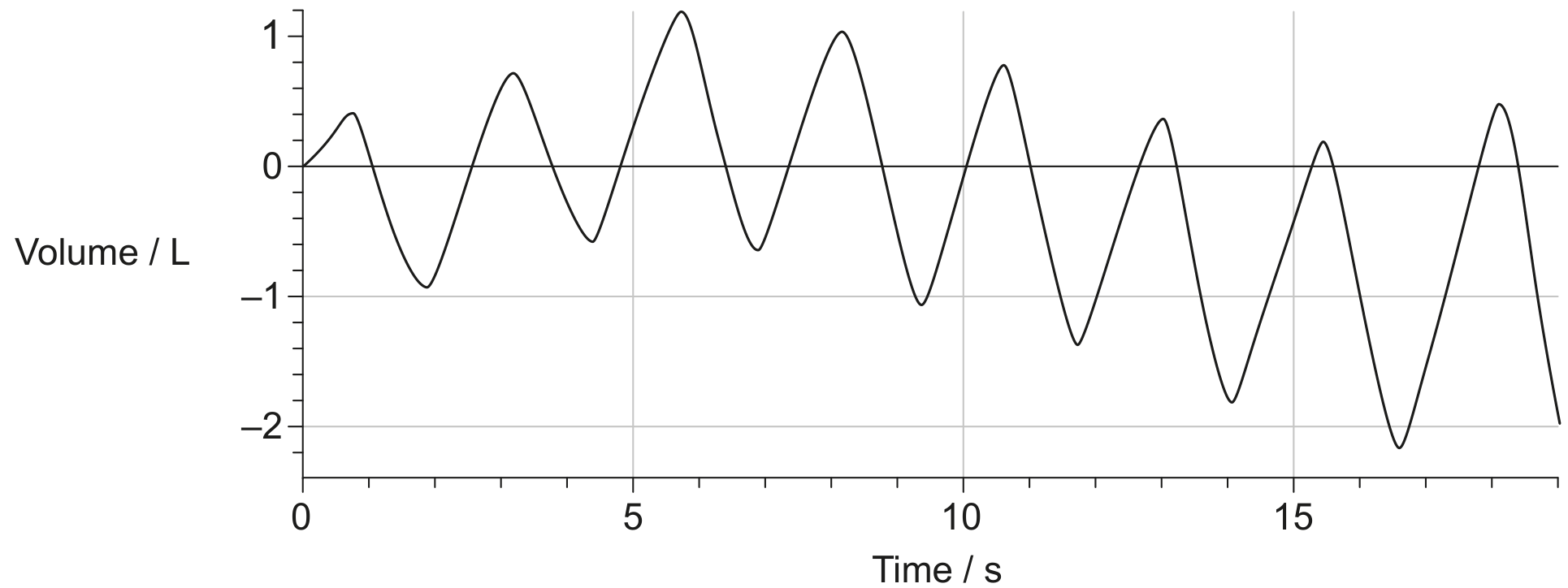
The graphs show the result before the subject exercised and immediately after the exercise had finished.

Before exercise

Before exercise

After exercise

After exercise

Determine the ventilation rate after exercise.

[ 2 ]

Question 3(b)

(b)

Describe how the mean tidal volume after exercise could be determined using the graph.

[ 2 ]

Question 3(d)

(c)

Identify a muscle responsible for increasing the volume of the chest cavity.

[ 1 ]

Question 3

[Maximum number: 4]

A spirometer was used to measure the ventilation rate of a person at rest and pedaling at 22 km per hour on an exercise bike.

At rest

At rest

22 km per hour

22 km per hour

Question 3(a)

(a)

Calculate the difference in ventilation rate between resting and exercising.

[ 1 ]

Question 3(b)

(b)

Explain the change in the tidal volume during exercise.

[ 3 ]

Question 3

[Maximum number: 4]

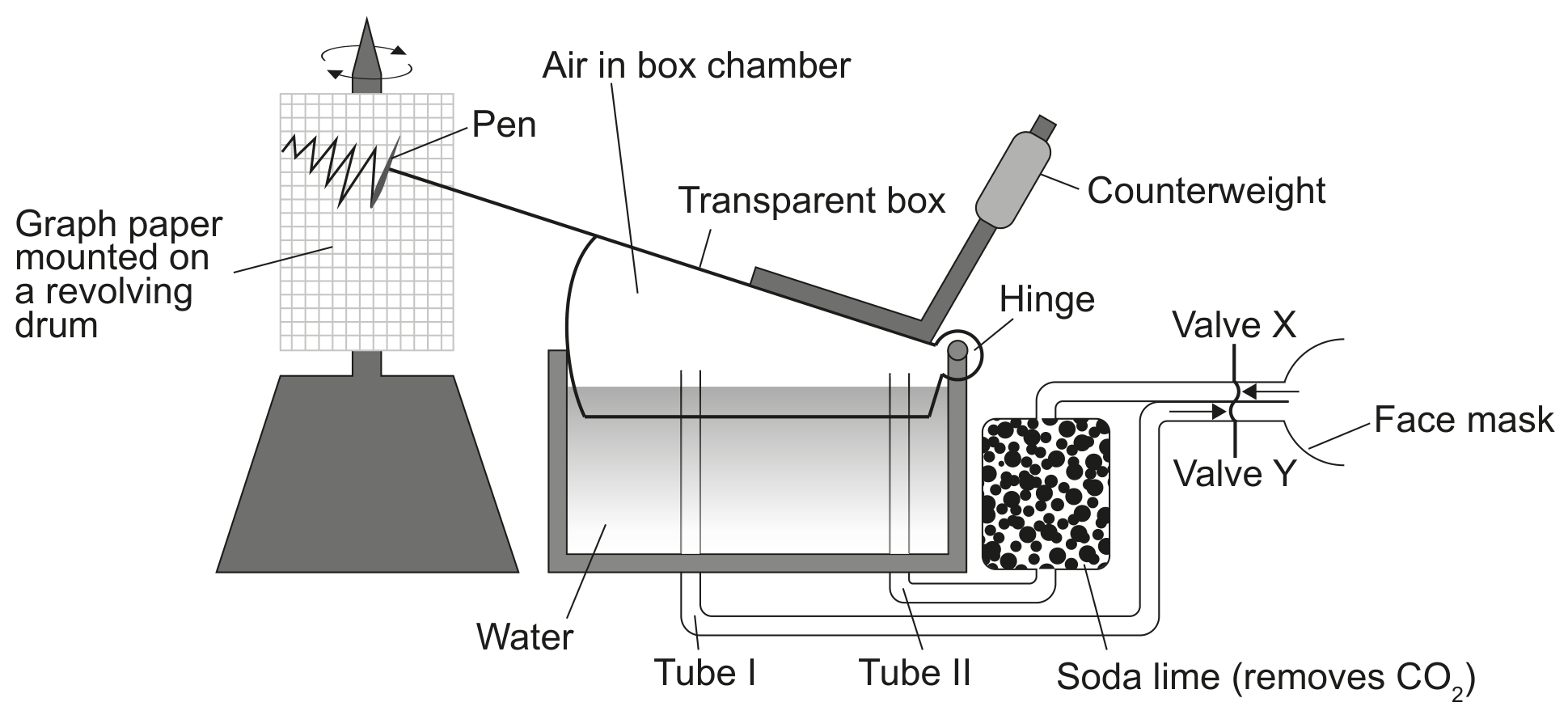
In the spirometer shown in the diagram, a box chamber suspended over the water in the tank is filled with air at the start of the investigation. The subject inspires air from the chamber and expires air out into the chamber through two tubes attached to a sealed face mask. The box chamber falls during inspiration and rises during expiration.

Question image

Question 3(b)

(a)

Describe the trace left by the pen on the graph paper as the subject inspires air from the chamber.

[ 1 ]

Question 3(c)

(b)

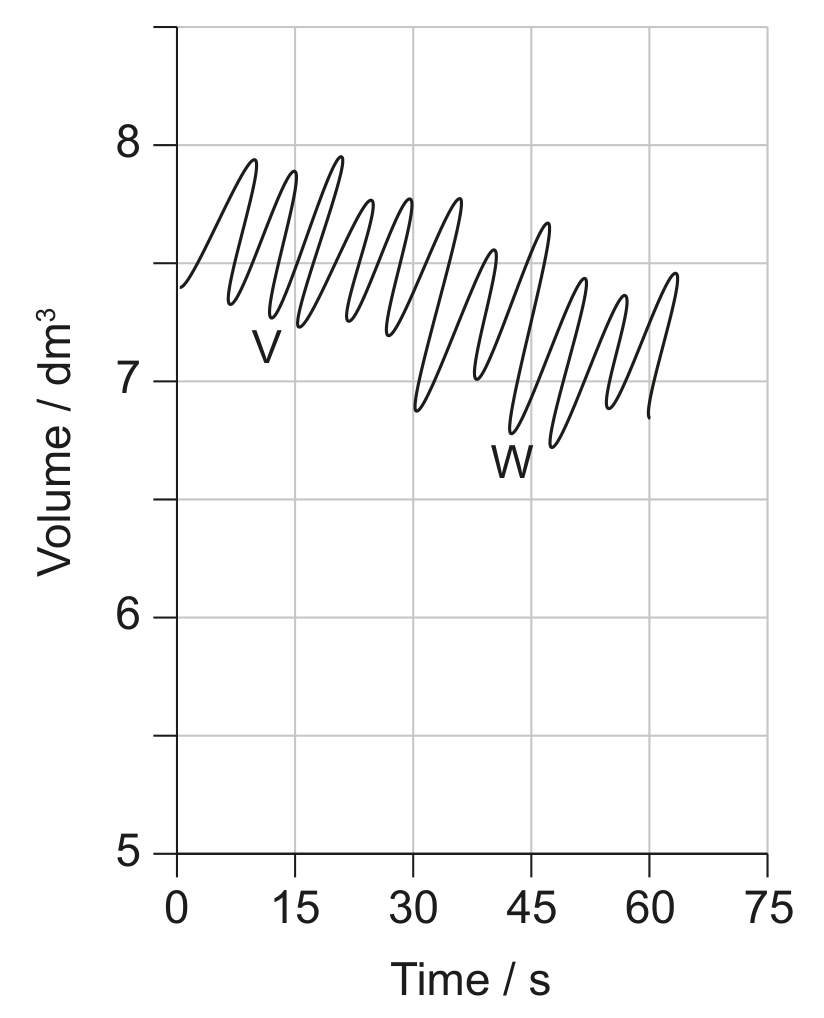
The image shows the trace created by a subject at rest and breathing normally into the apparatus.

Question image

Explain the reason that the trace slopes downwards as it moves across the paper from left to right between V and W . provided.

[ 3 ]

Question 2

[Maximum number: 3]

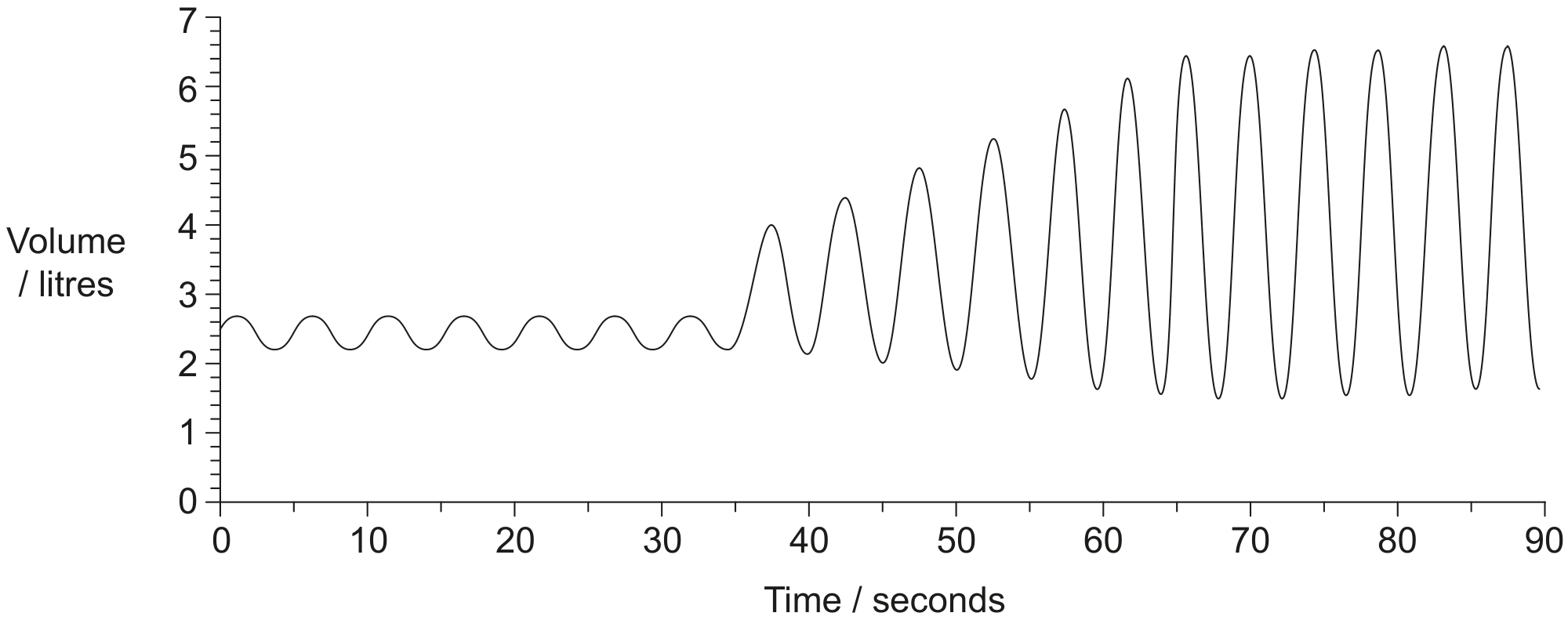
Measurements of the lung capacity of a student were recorded using a spirometer and displayed with a data logger. Initially the student was at rest, then changed to carrying out strenuous exercise. The results are displayed in the graph.

Question image

Question 2(a)

(a)

Calculate the ventilation rate at rest, giving the units.

[ 1 ]

Question 2(b)

(b)

Explain the changes in ventilation after 35 seconds.

[ 2 ]

Question 3

[Maximum number: 5]

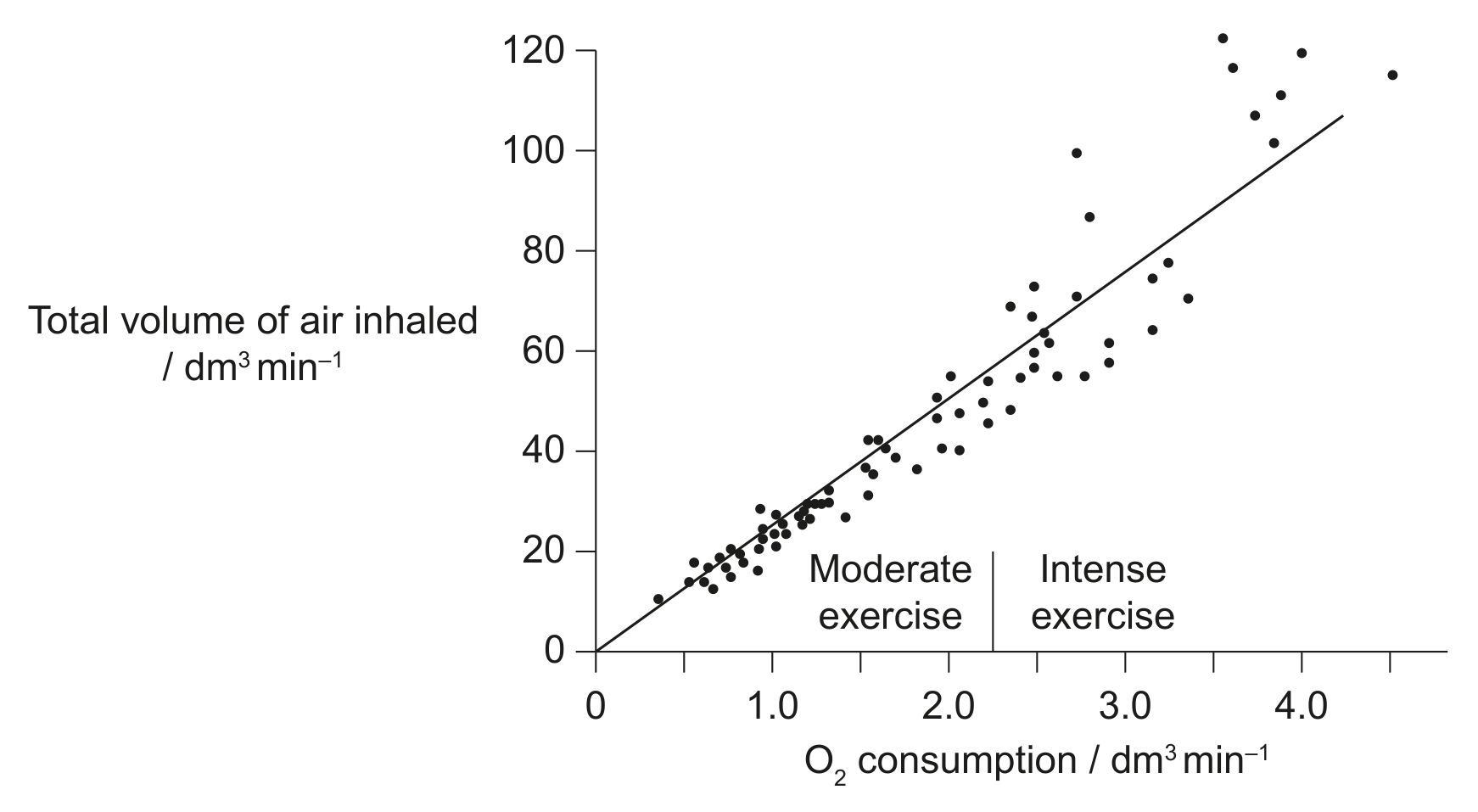
In a study of the effects of exercise on ventilation, tidal volume and ventilation rate were measured at different intensities of exercise. The tidal volumes and ventilation rates were multiplied together, to obtain the total volume of air taken into and then expelled out of the lungs per minute. Oxygen consumption at the different intensities of exercise was also measured. The results are shown in the scattergraph.

Question image

Question 3(a)

(a)

Describe the relationships of exercise intensity with O2\mathrm{O}_{2} consumption and with total volume of air inhaled per minute.

[ 1 ]

Question 3(b)

(b)

Explain how the increase in exercise causes a change in the total volume of air inhaled.

[ 2 ]

Question 3(c)

(c)

Predict the effect of emphysema on a person's response to moderate exercise. provided.

[ 2 ]

Question 13

[Maximum number: 1]

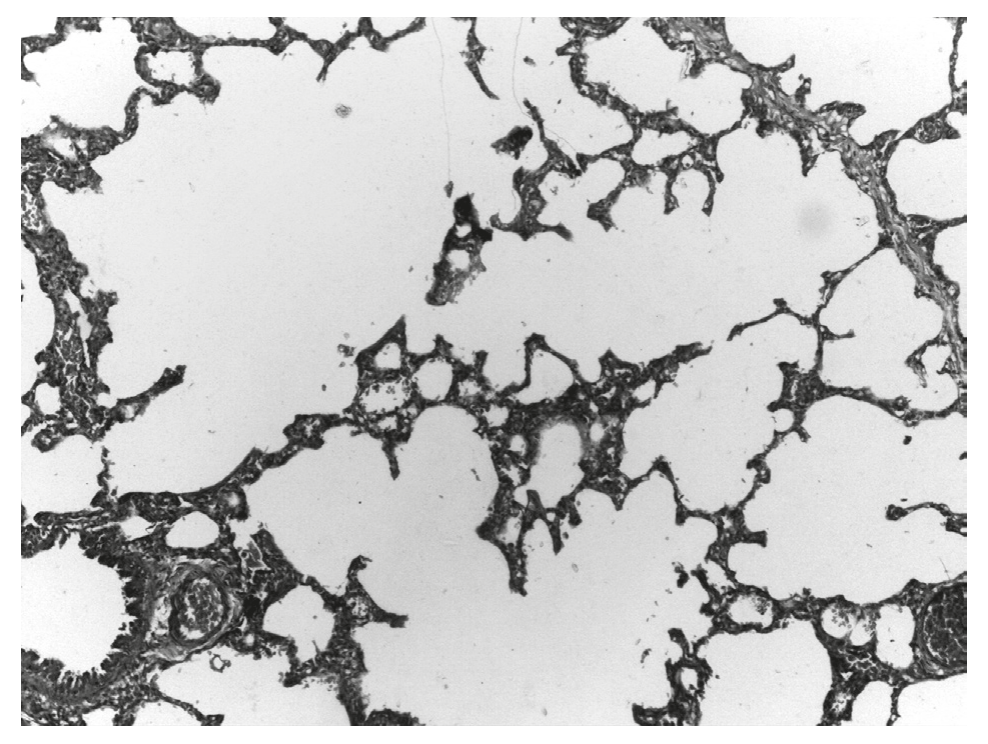
Emphysema is a condition where the alveoli of the lungs are destroyed, resulting in patients feeling out of breath. The micrograph shows air pockets resulting from emphysema.

Question image

What is a direct consequence of the destruction of alveoli?

A

Decrease in surface area for gas exchange

B

Increased blood flow to the lungs

C

Increase in pulmonary surfactant production

D

Decrease in ventilation rate

Question 3

[Maximum number: 2]

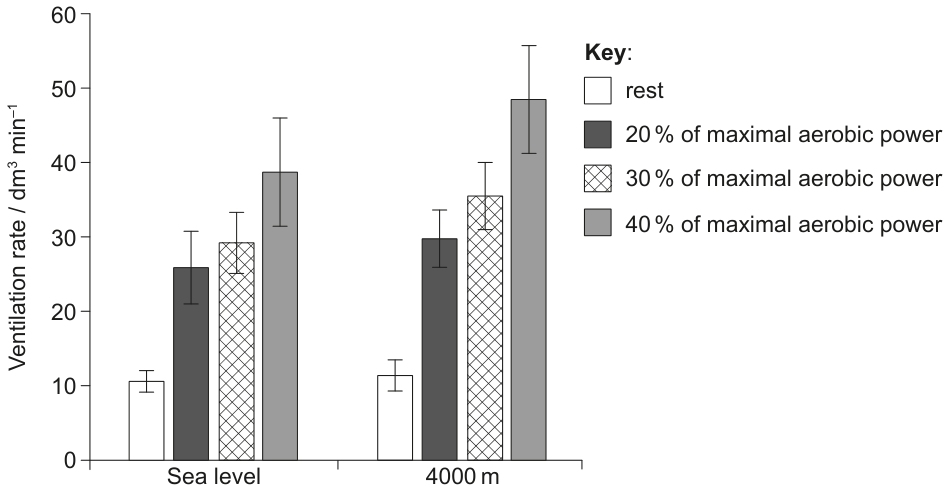
A study was conducted on 25 healthy, non-smoking males to look at the effect of exercise and altitude on ventilation rate. Subjects were first asked to rest in a sitting position for six minutes. They then pedalled for three periods of six minutes at increasing exercise intensity: at 20 %, 30 % and 40 % of their maximal aerobic power. The entire study was conducted either in normal sea level oxygen conditions or in lower oxygen conditions simulating an altitude of 4000 m . The results are shown in the bar chart.

Question image

Question 3(c)

(a)

Outline how ventilation rate could have been monitored in this study.

[ 2 ]
0 selected