EduNinja

IB Biology SLB1.1 Carbohydrates and lipidsQuestion Bank

Question 1

[Maximum number: 1]

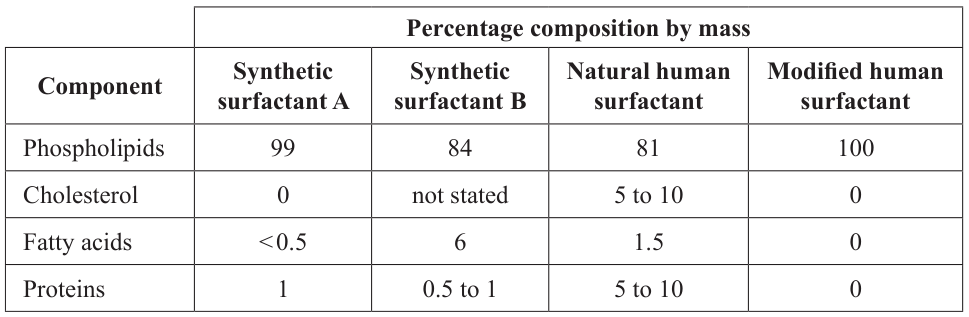
Cells in the alveolus wall produce a surfactant. Its function is to prevent alveoli collapse at the end of expiration. Surfactants are used in the treatment of respiratory system disease in premature babies.

The table shows some of the components of different surfactant preparations.
Table

Question 1(d)

(a)

Phospholipids found in the surfactants form a surface film on the moist lining of the alveoli. Outline how the hydrophilic and hydrophobic parts of the phospholipids in the surfactants are aligned on the alveolar surface.

[ 1 ]
Question 2

[Maximum number: 1]

What is the function of cellulose in plant cells?

A

It increases the strength of cell walls.

B

It is a source of energy for plants.

C

It maintains the structure of the vacuole.

D

It increases the permeability of the cell membranes.

Question 2

[Maximum number: 1]

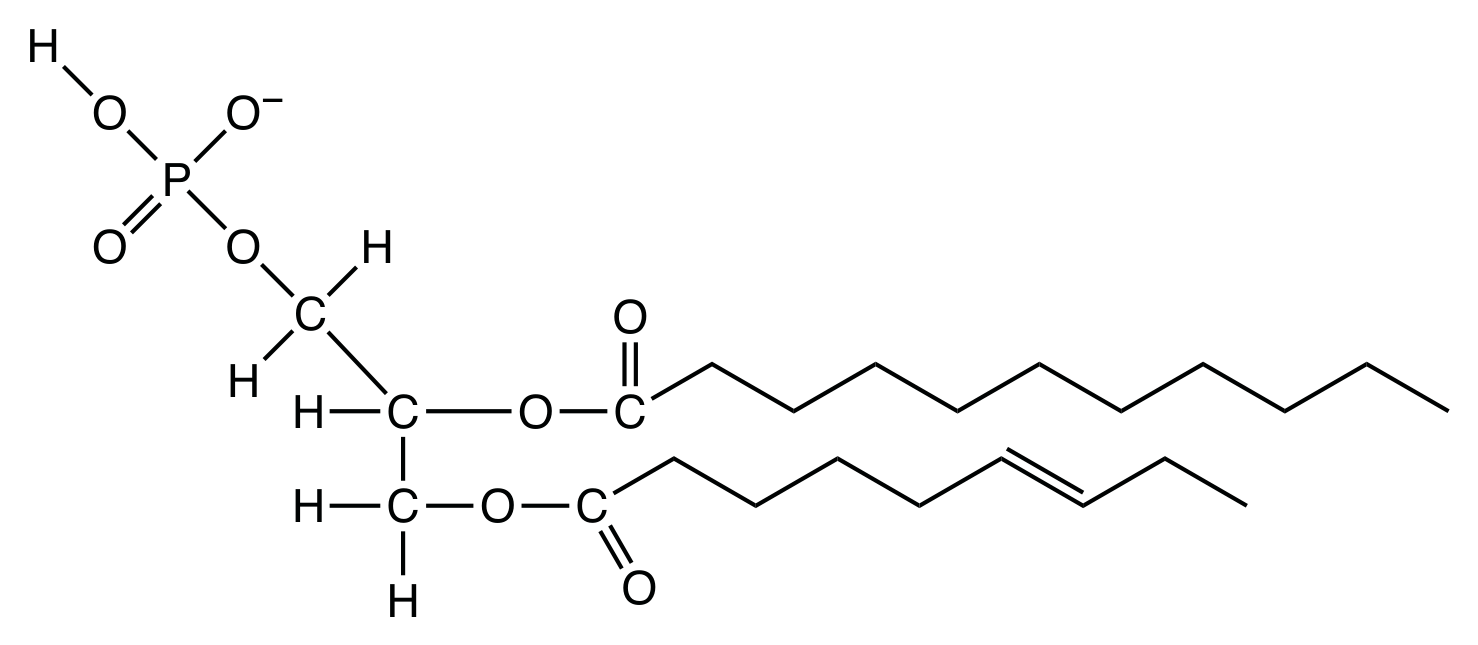
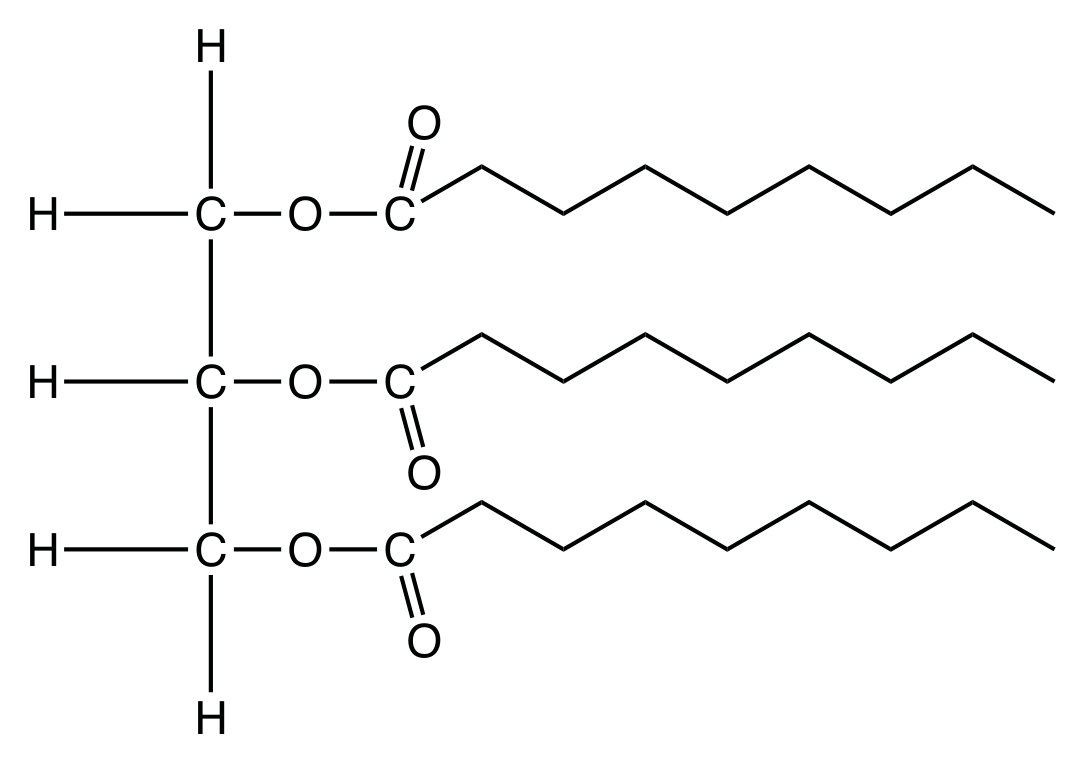
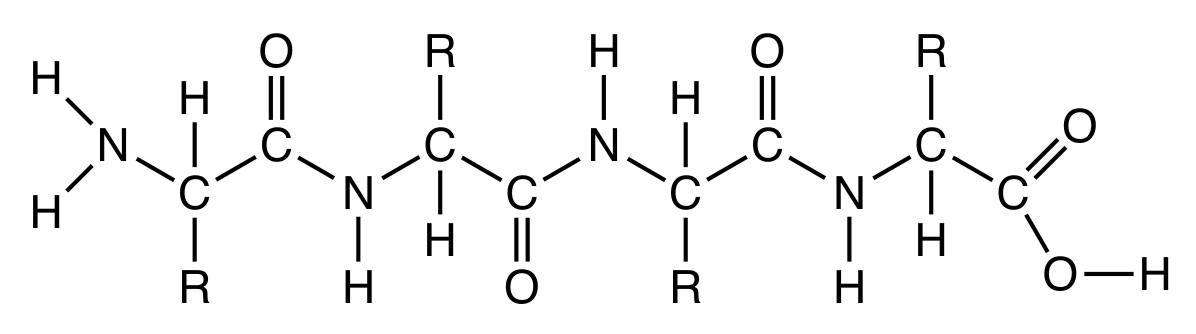
Which molecular diagram shows a phospholipid molecule?

A
Question image
B
Question image
C
Question image
D
Question image

Question 3

[Maximum number: 1]

What describes the structure of cellulose?

A

Branched with bonds between alpha-glucose and beta-glucose molecules

B

Branched with bonds between alpha-glucose molecules

C

Linear with bonds between alpha-glucose molecules

D

Linear with bonds between beta-glucose molecules

Question 2

[Maximum number: 2]

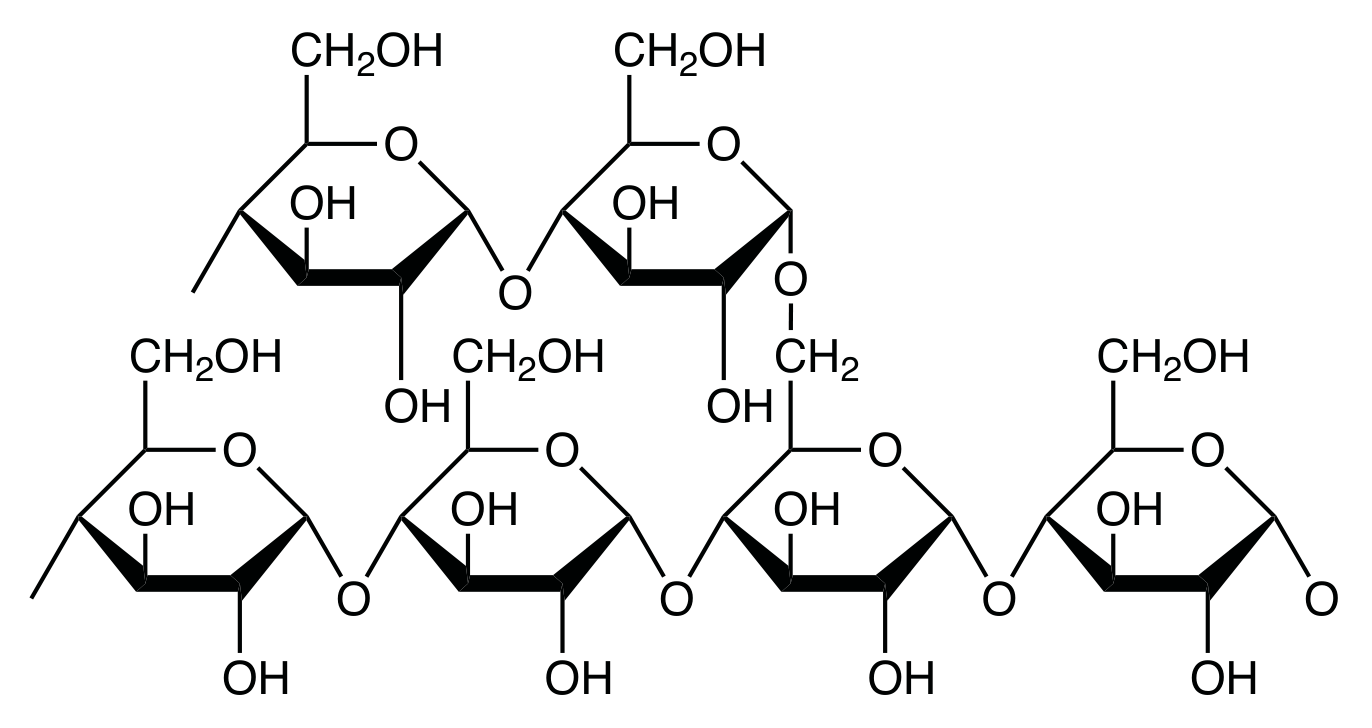
Monosaccharides, disaccharides and polysaccharides are three categories of carbohydrate.

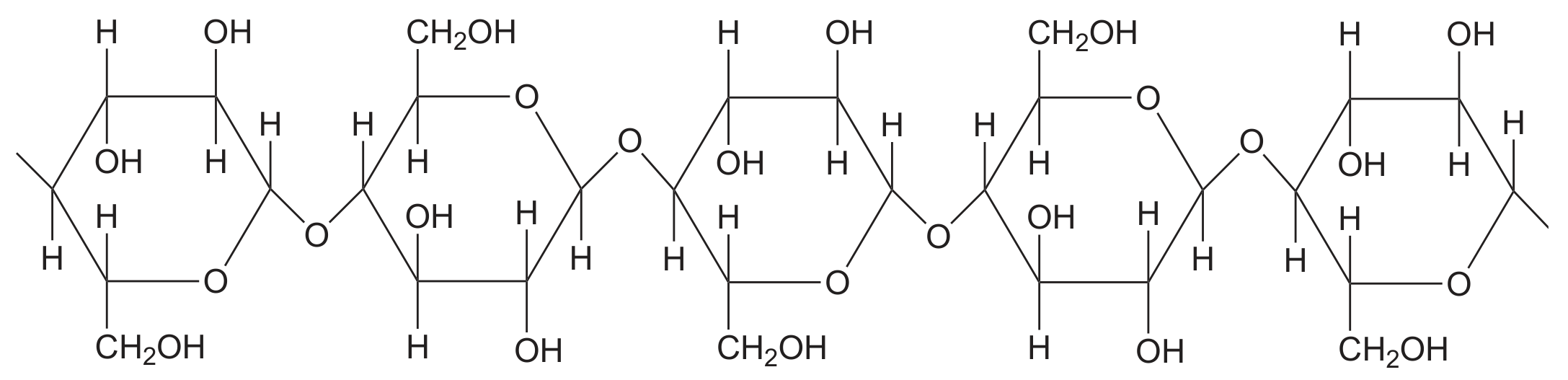
The structural formula for a polysaccharide is shown.

Question image

Question 2(a)

Question 2(a)(i)

(a)
(i)

Identify the polysaccharide from the structural formula.

[ 1 ]

Question 2(a)(ii)

(ii)

Identify the monomer that makes up this polysaccharide.

[ 1 ]

Question 5

[Maximum number: 1]

Which molecule is a monosaccharide?

A

Maltose

B

Fructose

C

Starch

D

Cellulose

Question 6

[Maximum number: 1]

What distinguishes alpha-D-glucose from beta-D-glucose molecules?

A

The number of carbon atoms in the ring

B

The number of OH groups present

C

The orientation of OH groups

D

The position of the CH2OH\mathrm{CH}_{2} \mathrm{OH} group

Question 6

[Maximum number: 1]

A polymer of alpha-D-glucose found in plants has mostly 1,4 linkages and some 1,6 linkages. Which molecule fits this description?

A

Glycogen

B

Cellulose

C

Amylose

D

Amylopectin

Question 6

[Maximum number: 1]

What distinguishes alpha-D-glucose from beta-D-glucose molecules?

A

The orientation of OH groups

B

The number of OH groups present

C

The number of carbon atoms in the ring

D

The position of the CH2OH\mathrm{CH}_{2} \mathrm{OH} group

Question A2

[Maximum number: 3]

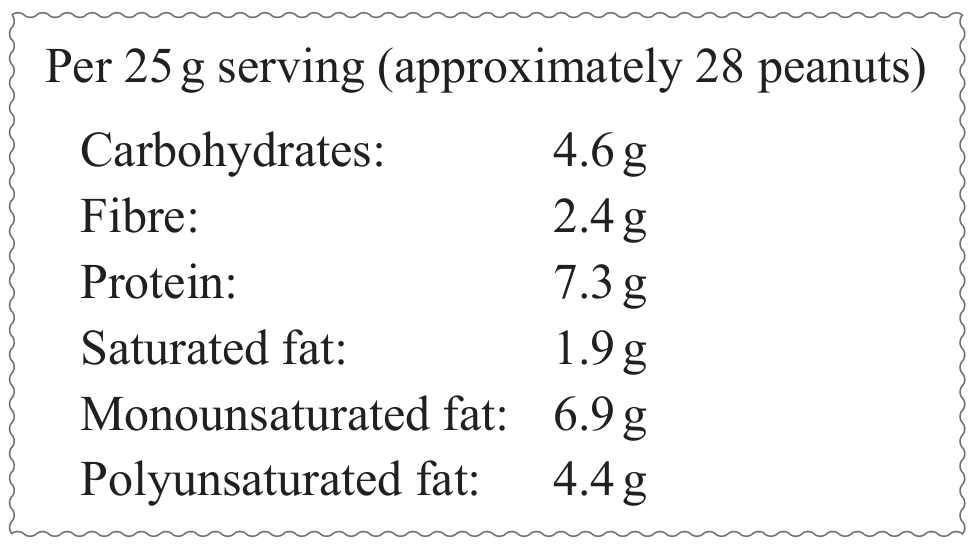
A2. The following nutrients are listed on a packet of dry roasted peanuts.

Table

Question A2(b)

(a)

Outline the differences in molecular structure between the types of fat found in the peanuts.

[ 3 ]
0 selected