EduNinja
Question rangeC4.2.18—Carbon sinks and sources
[Maximum number: 13]

There were widespread and intense wildfires in Southeast Australia during the summer season from November 2019 to January 2020. Estimates have been made of carbon dioxide emissions from these fires based on satellite monitoring data. The bar chart shows estimates made by five different research programmes: GFED, GFAS, QFED, FEER and FINN.
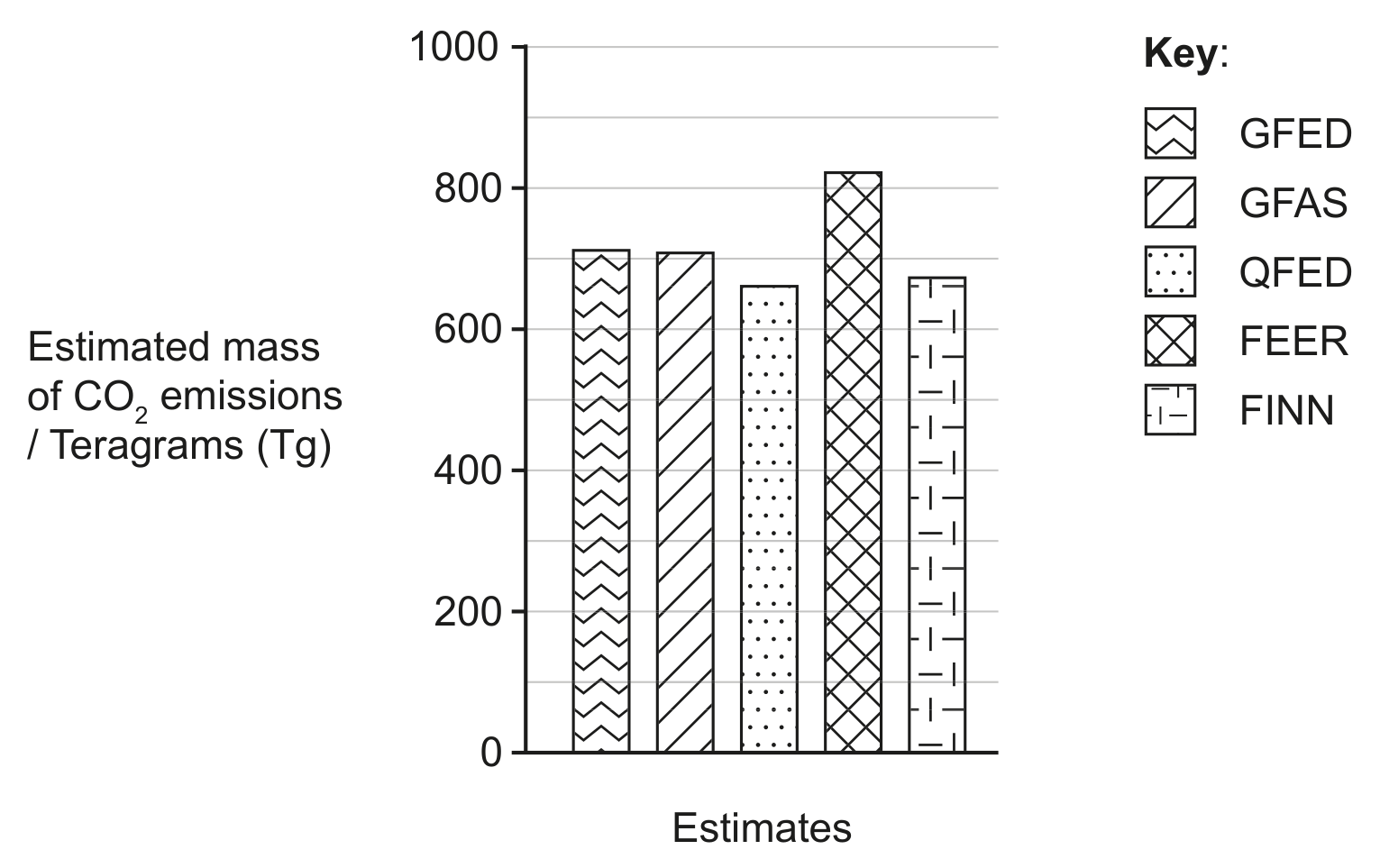
Question image

The table shows other statistics for comparison.
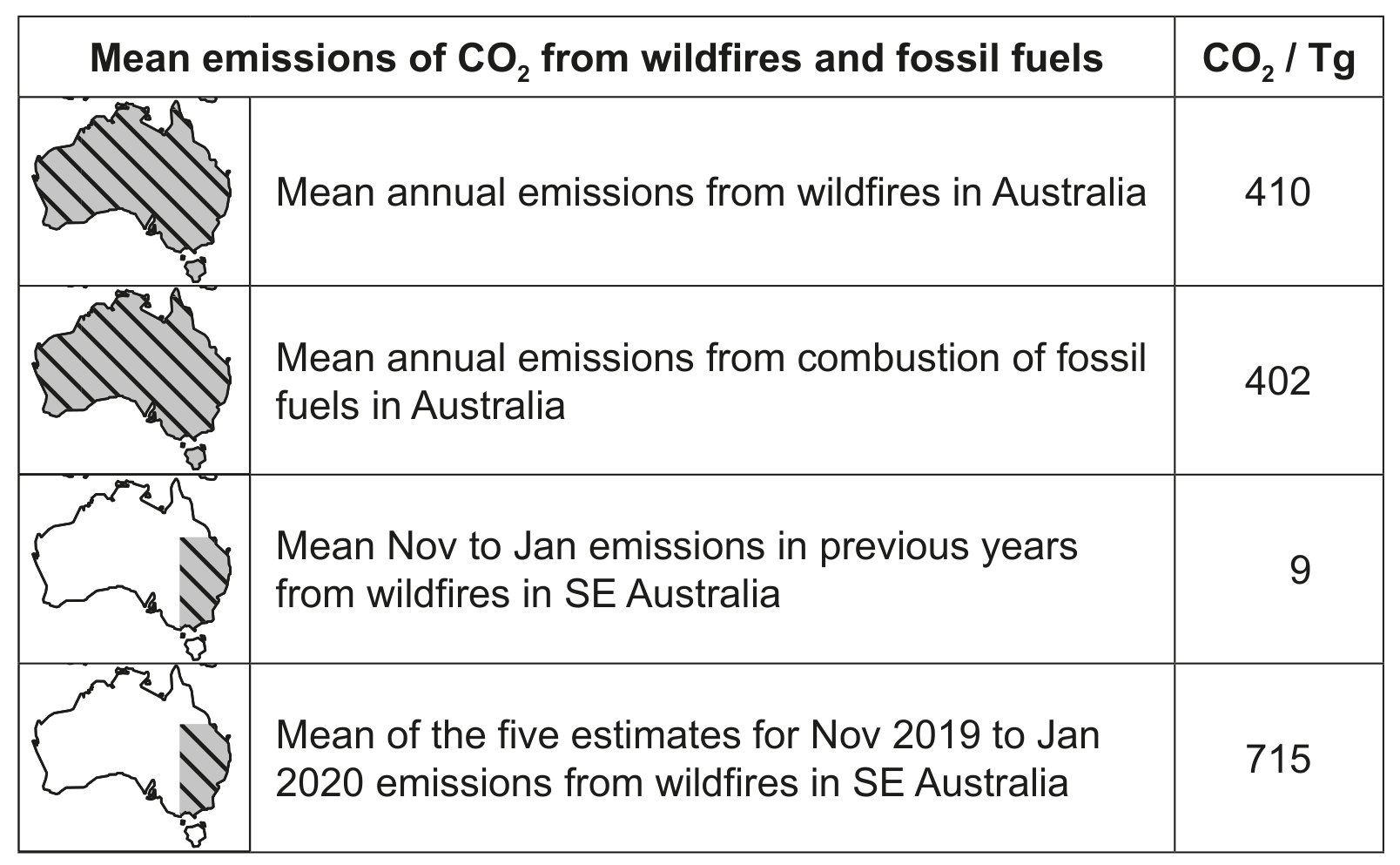
Table

2019-2020 constrained by satellite. Nature (597), pp. 366-369. https://doi.org/10.1038/s41586-021-03712-y.]
[Maximum number: 15]

Honeybees (Apis mellifera) are key pollinators in most ecosystems. The worldwide use of neonicotinoid pesticides has caused concern because they may be contributing to the decline of honeybee populations.

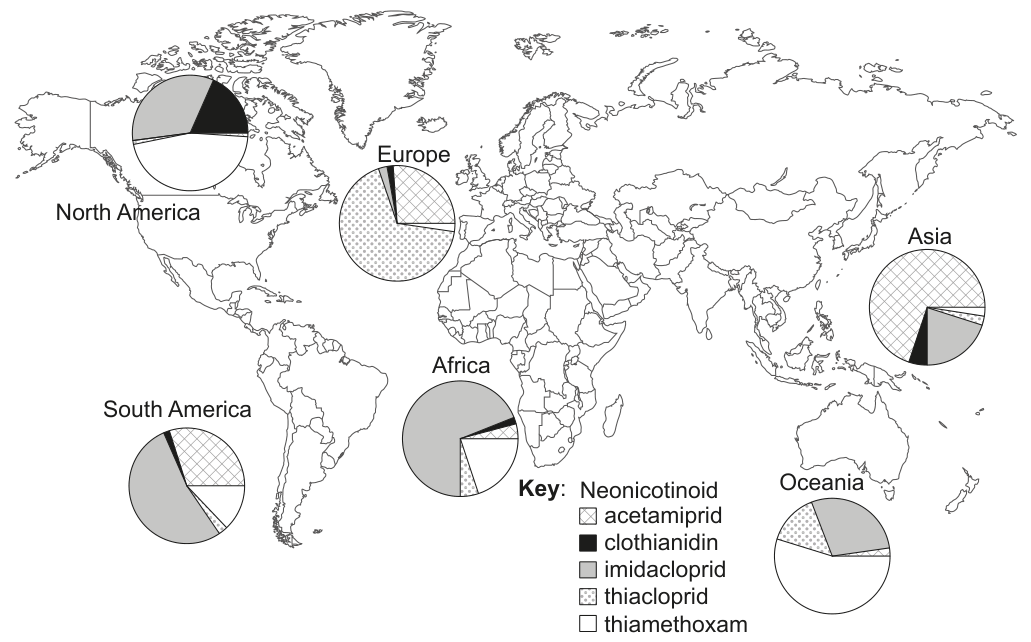
Scientists measured the concentration of five neonicotinoids (acetamiprid, clothianidin, imidacloprid, thiacloprid and thiamethoxam) in honey samples from 198 different locations across the world. Each pie chart shows the relative frequency of neonicotinoids in honey samples from a continent.

Question image
[Maximum number: 14]

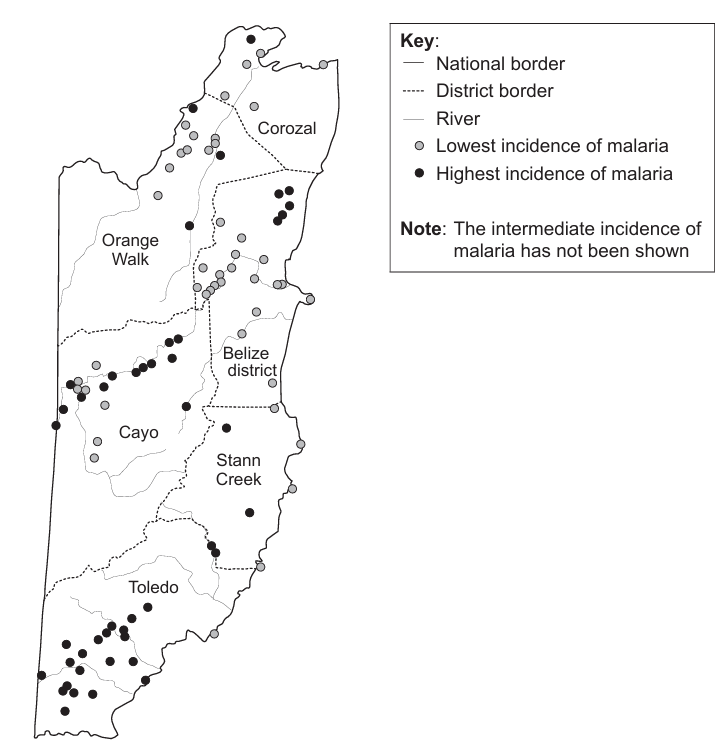
Malaria is a mosquito-borne disease caused by a unicellular organism, Plasmodium. Plasmodium is a parasite that spends part of its life in a mosquito and part in a human. The mosquito transmits the Plasmodium to a human when it feeds on human blood. Mosquitoes hatch in water and are flying insects as adults. In the country of Belize, where malaria is a serious problem, studies have been made to determine what environmental factors affect the incidence of the disease. 156 villages were studied over a ten-year period.

Question image
[Maximum number: 7]

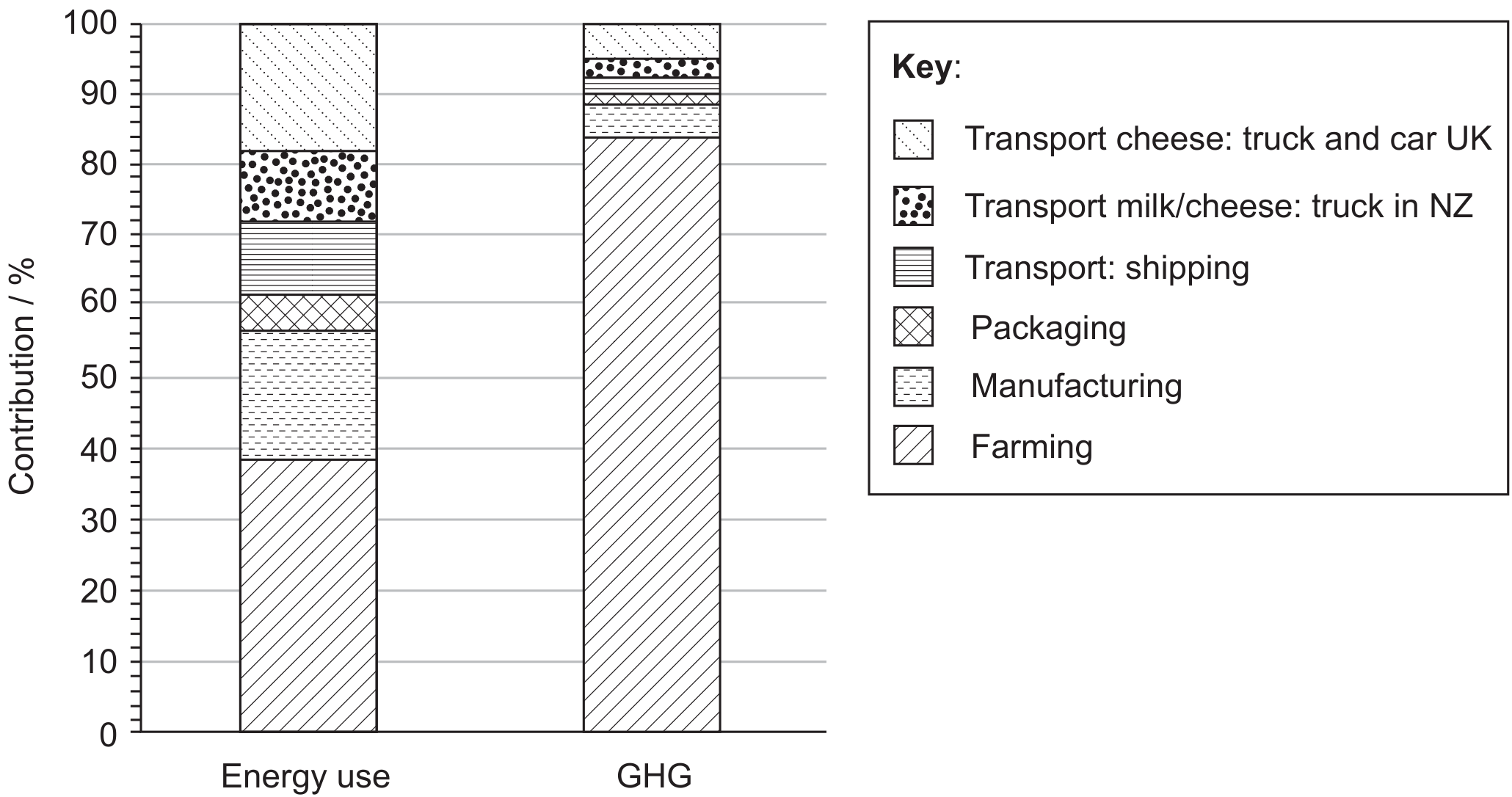
A study was carried out to evaluate the significance of food miles for cheese made from cows' milk produced in New Zealand (NZ) and sold and consumed in the UK. The cheese is transported by ship from New Zealand to the UK, a distance of over 20000 km . Energy use and greenhouse gas (GHG) emissions were evaluated for each stage of production and transport. The percent contribution of each stage to the total energy use and total GHG emissions are shown below.

Question image
[Maximum number: 13]

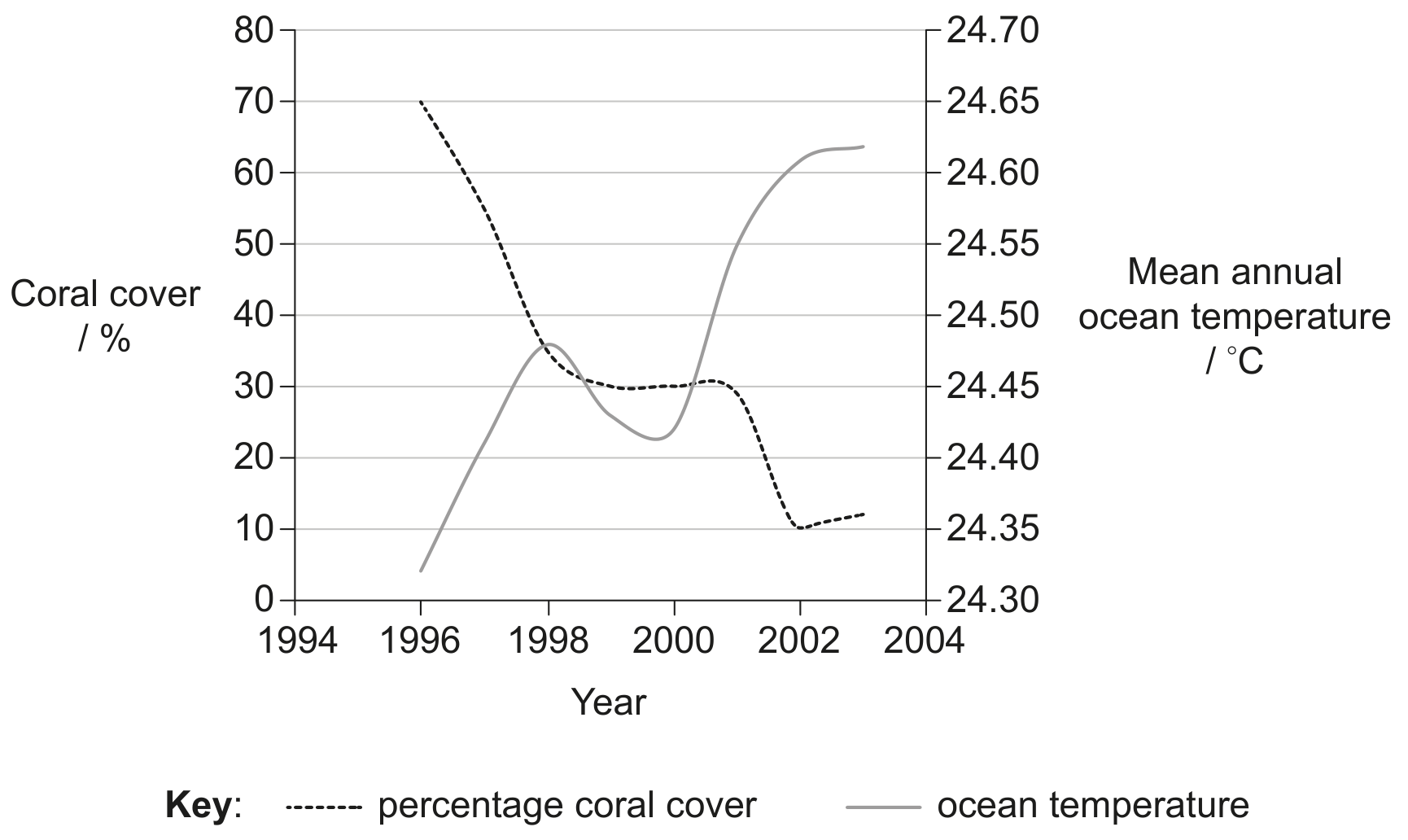
Coral reefs are among the most spectacular ecosystems on Earth. They support a rich diversity of life and provide economic benefits to the people who use them. In Papua New Guinea in the Pacific Ocean north of Australia the following data were collected. Coral cover is the percentage of the reef surface covered by live hard coral.

Question image
[Maximum number: 12]

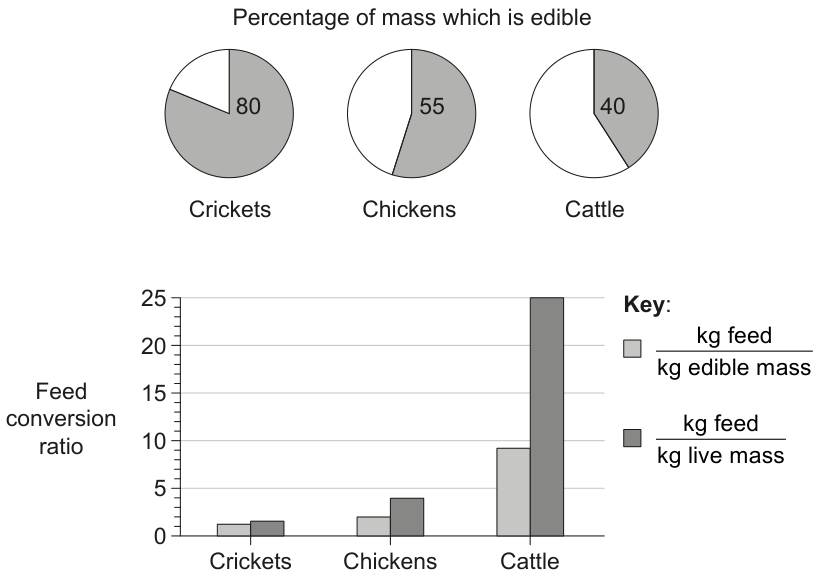
Edible insects have been a part of traditional human diets in many countries. For example, crickets are insects commonly eaten in Asia and Africa. Many studies have looked at the prospects of raising insects on a commercial scale for direct human consumption as food or indirectly by feeding insects to farm animals.

One factor to consider is which organisms are most efficient at converting the feed they eat into animal protein that can be consumed. A study compared the percentage of mass that was edible in two common farm animals and in crickets.

Question image

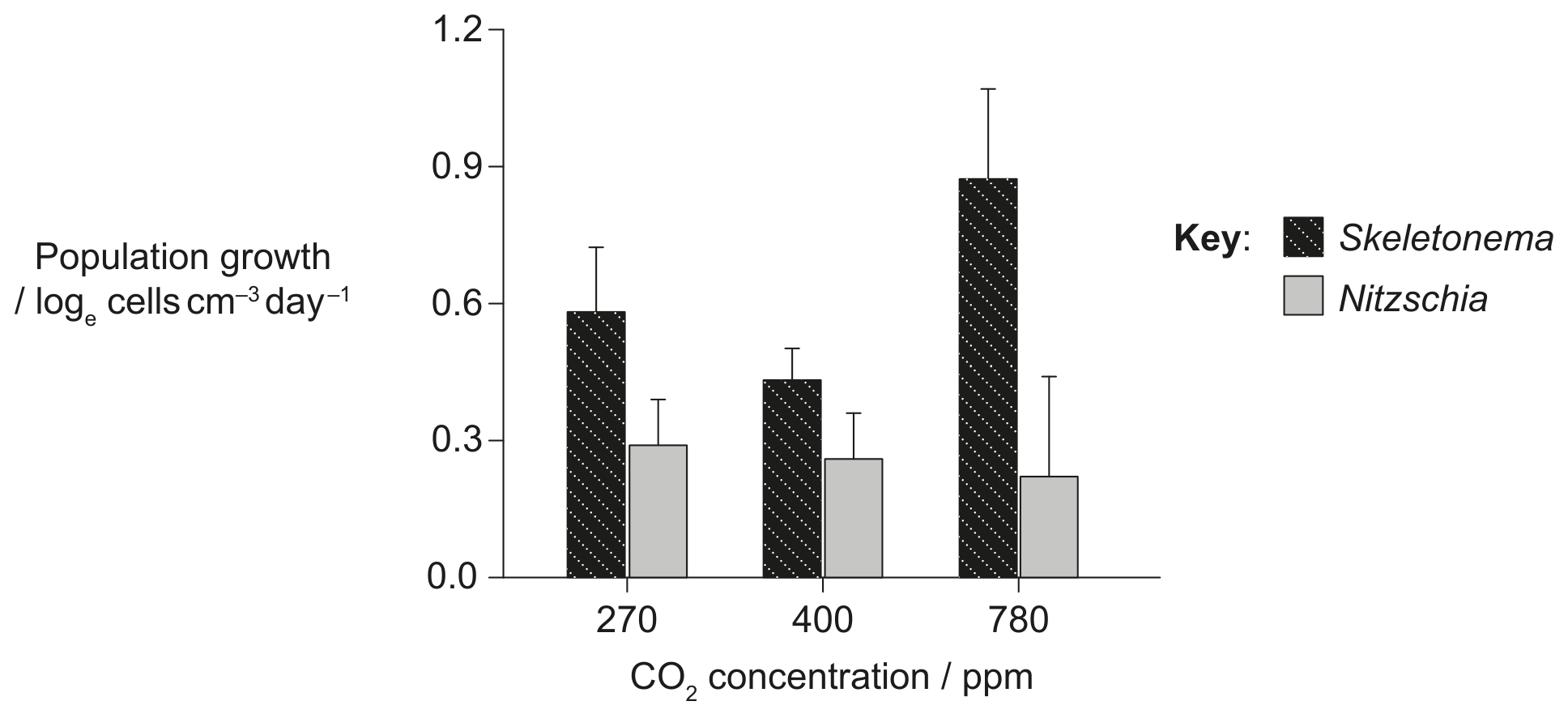
Three different seawater mesocosms were set up to measure the effect of variations in the concentration of carbon dioxide ( CO2\mathrm{CO}_{2} ) on the growth rate of two genera of phytoplankton over a 14-day period. CO2\mathrm{CO}_{2} concentration was measured in parts per million (ppm).

Three concentrations of CO2\mathrm{CO}_{2} were chosen to simulate atmospheres of the pre-industrial age (270 ppm), the present day (400 ppm) and predictions for the year 2100(780 ppm). Growth rate was determined by recording the cell counts each day and calculating the increase in the number of cells per cubic centimetre per day. The graphs show the growth rate of Skeletonema and Nitzschia in the three different mesocosms.

Question image

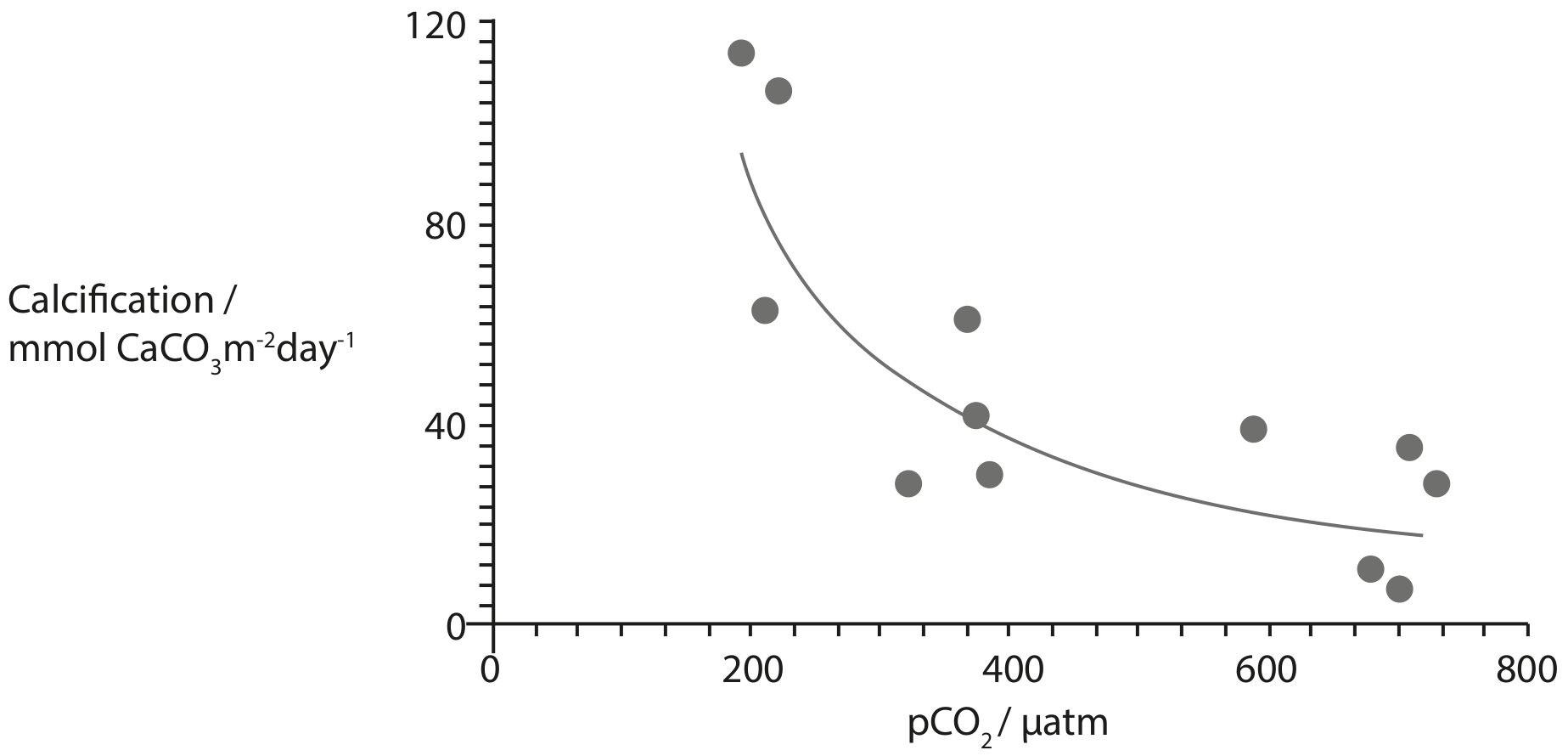
Increasing carbon dioxide concentration in the atmosphere leads to acidification of the ocean. This in turn reduces the amount of dissolved calcium carbonate. A study was undertaken to investigate the effect of increasing the concentration of atmospheric carbon dioxide on the calcification rate of marine organisms. Calcification is the uptake of calcium into the bodies and shells of marine organisms. The study was undertaken inside Biosphere-2, a large-scale closed mesocosm. The graph shows the results of the data collection.

Question image

Food miles are included in the calculation of the total energy input used to produce foods and transport them to the consumer.

The daily per capita total energy input to the US food system was calculated to be
- 23.1 kJ for fats, sugars, snacks and baked goods
- 12.6 kJ for meat and eggs
- 8.0 kJ for fruit and vegetables
- 3.4 kJ for whole grain cereals.

[Maximum number: 1]

The oceans absorb much of the carbon dioxide in the atmosphere. The combustion of fossil fuels has increased carbon dioxide ocean concentrations. What adverse effect does this have on marine life?

A

Heterotrophs consume more phytoplankton.

B

Phytoplankton have increased rates of photosynthesis.

C

Corals deposit less calcium carbonate to form skeletons.

D

Increased pH reduces enzyme activity in marine organisms.

0