EduNinja
Question rangeC4.2.15—Primary production
[Maximum number: 15]

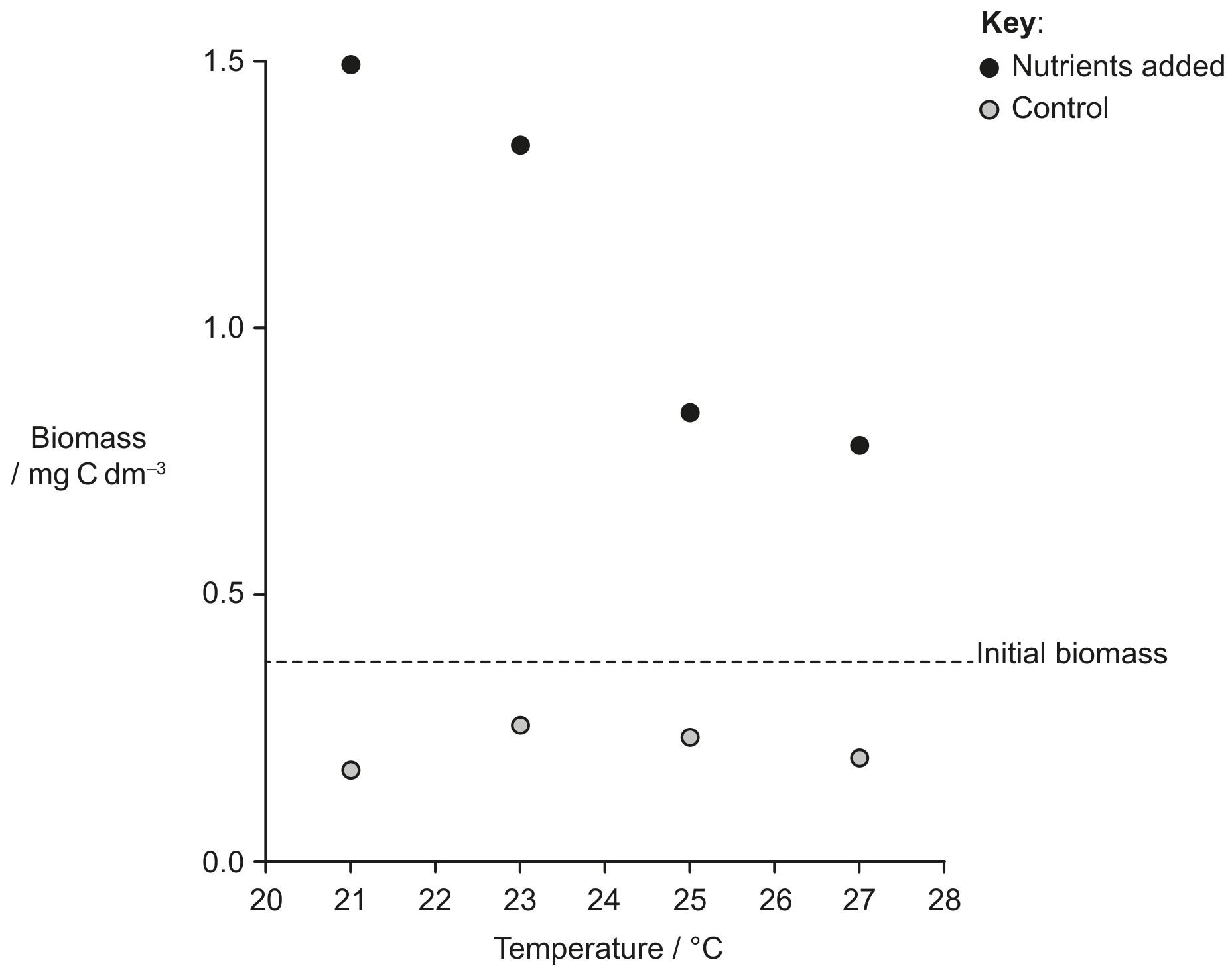
A community living in the water of an estuary was used to investigate how climate change may affect ecological systems. The food web in this community included phytoplankton (producers), zooplankton (consumers) and saprotrophic bacteria. Small plastic mesocosms were set up with water from the estuary containing only these three groups of organisms. The mesocosms were subjected to four different temperatures and two nutrient levels (control and nutrients added) to replicate local variations of the conditions in the estuary during springtime warming.

The graph shows the biomass of the community for each of the eight mesocosms at the end of the experimental period. Biomass was measured in terms of the amount of carbon present. The horizontal line indicates the initial biomass.
Question image
[Maximum number: 15]

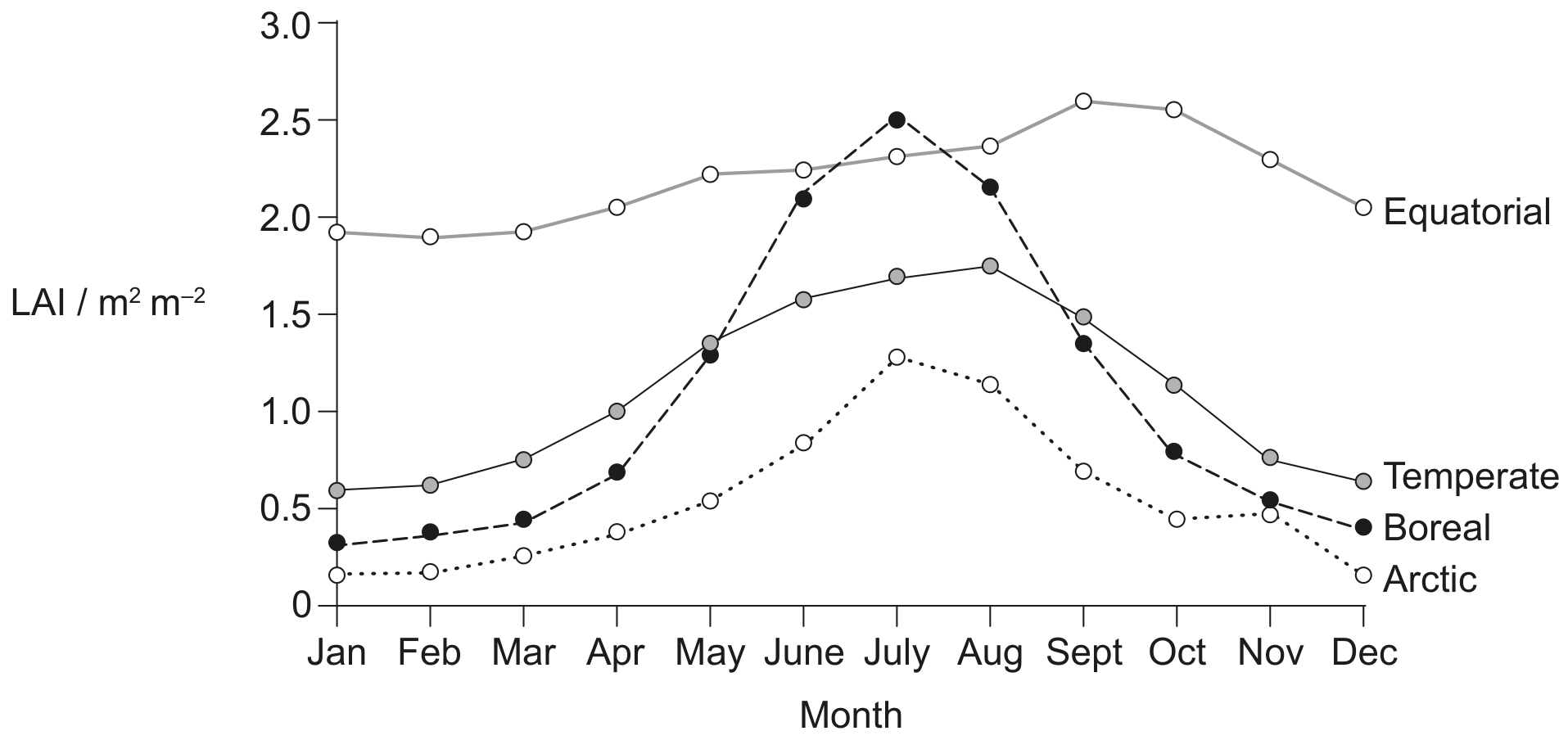
Remote sensing satellites are used to monitor the Earth's ecosystems. One measure of ecosystem status is leaf area index (LAI), which is the total area of leaves in square metres per square metre ( m2 m2\mathrm{m}^{2} \mathrm{~m}^{-2} ) of the Earth's surface. The graph shows LAI estimates, calculated using data from the Global Inventory Monitoring and Modelling System (GIMMS), during the period from 1981 to 2011. The data points are monthly averages in four latitudinal zones in the northern hemisphere.

Question image
[Maximum number: 13]

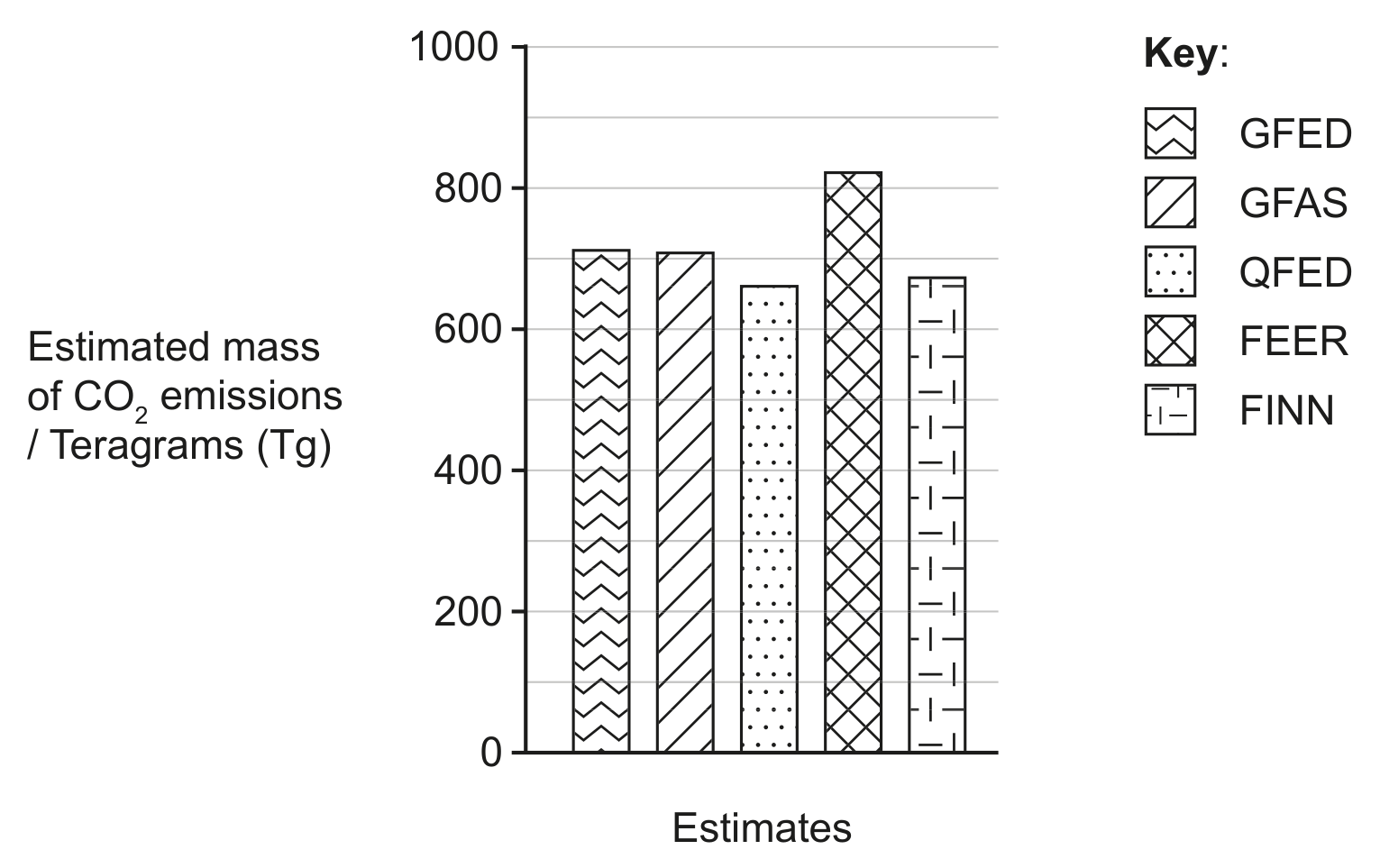
There were widespread and intense wildfires in Southeast Australia during the summer season from November 2019 to January 2020. Estimates have been made of carbon dioxide emissions from these fires based on satellite monitoring data. The bar chart shows estimates made by five different research programmes: GFED, GFAS, QFED, FEER and FINN.

Question image

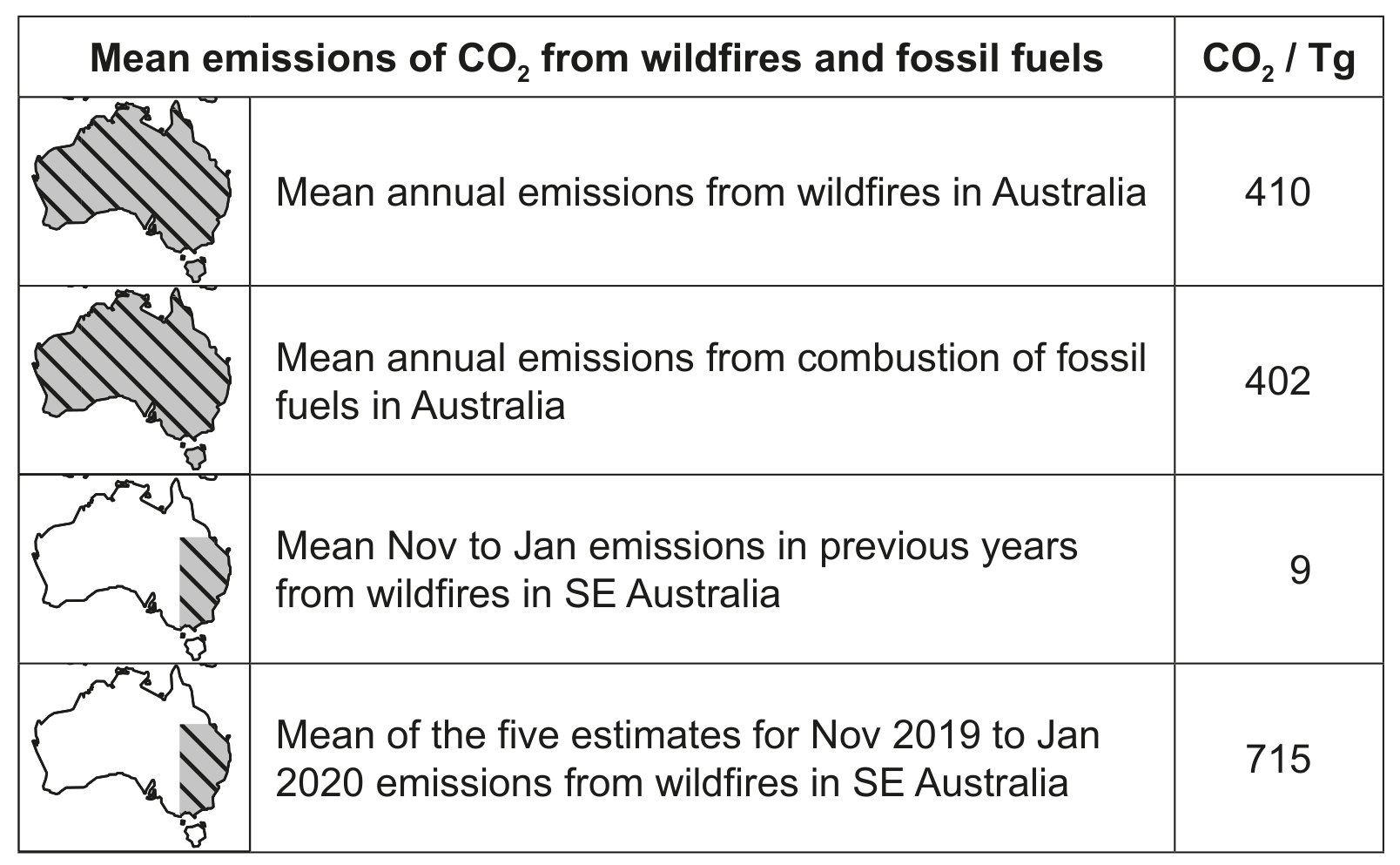
The table shows other statistics for comparison.

Table

2019-2020 constrained by satellite. Nature (597), pp. 366-369. https://doi.org/10.1038/s41586-021-03712-y.]

[Maximum number: 15]

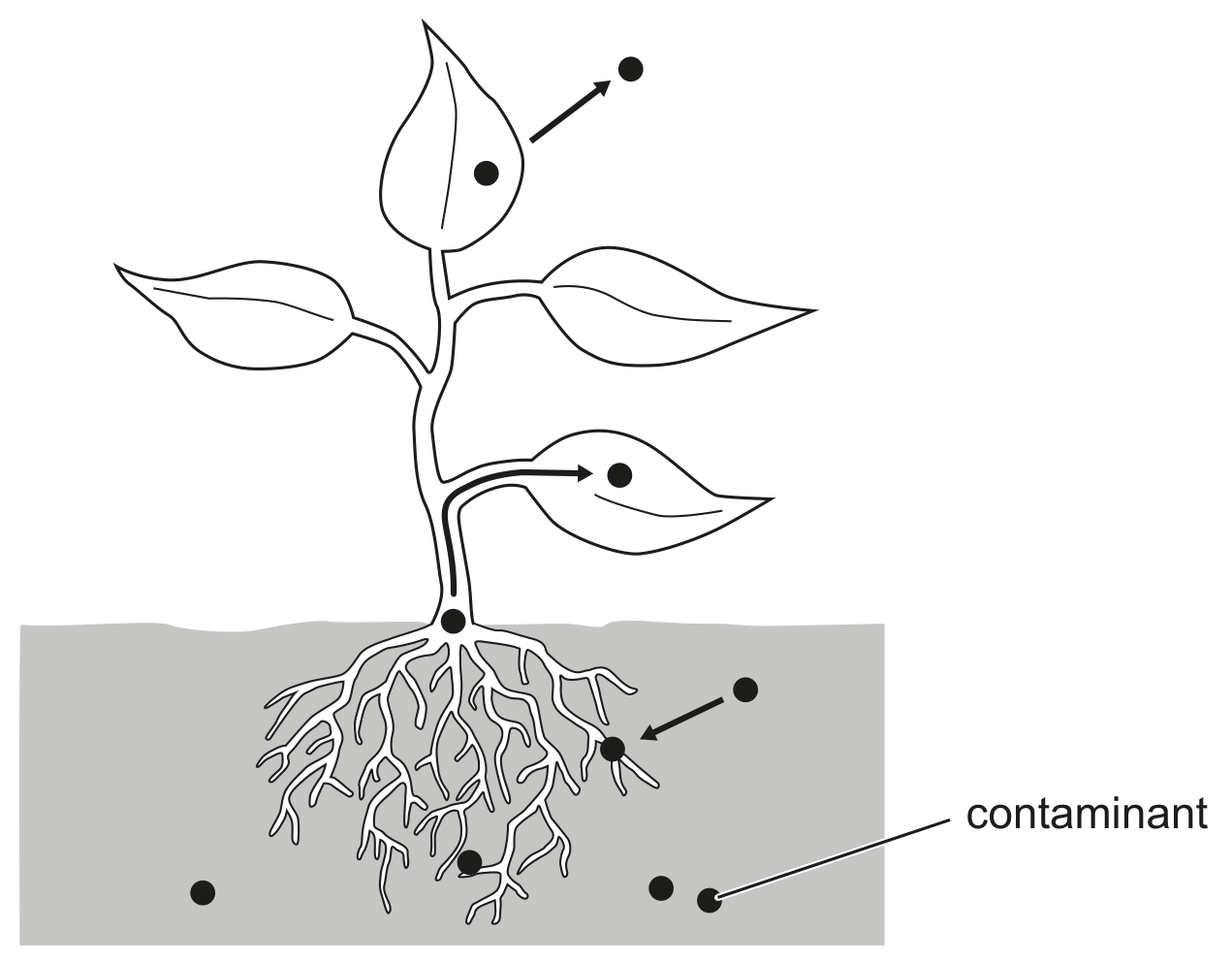
Phytoremediation is the use of plants to extract and remove contaminants or lower their bioavailability (amount available to organisms) in soil. Tree species are used because they have deep root systems and fast growth rates that enable them to take up contaminants in larger amounts than plants such as grasses. The diagram shows the steps in phytoremediation in plants.

Question image

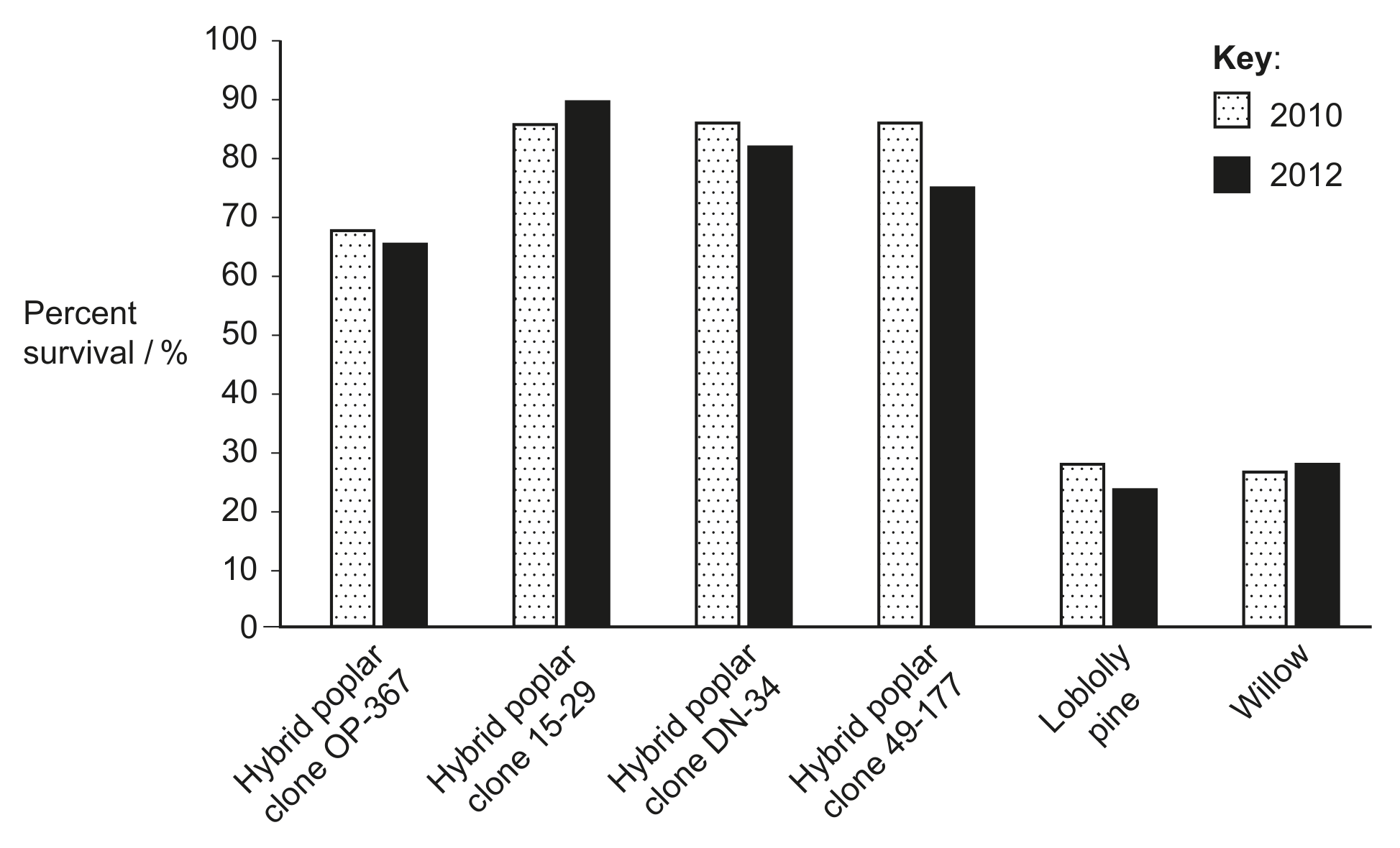
A study in North Carolina, USA, used different tree species for phytoremediation of groundwater contaminated by leaked petrochemicals. Four types of hybrid poplar clones (Populus sp.), loblolly pine (Pinus taeda) and willow (Salix sp.) were planted from 2006 to 2008, and measurements were made of trees in 2010 and 2012. The graph shows percent survival of hybrid poplar clones, loblolly pine and willow trees on the phytoremediation site.

Question image

Albatrosses (belonging to the Family Diomedeidae) are large marine birds that can live for up to 50 years and feed at the highest trophic level. They have a very large wing span (up to 3 m ) and can use winds to travel long distances over water while foraging for food at sea. However, their survival and reproduction are threatened by both climate change and accidental death. This may be caused by being caught in the lines or nets of commercial fishing vessels that are in their foraging areas.

A 31-year study analysed population data of three different species: the wandering albatross (Diomedea exulans), the grey-headed albatross (Thalassarche chrysostoma) and the black-browed albatross (T. melanophris). All three species breed in colonies on the same island in the Antarctic.

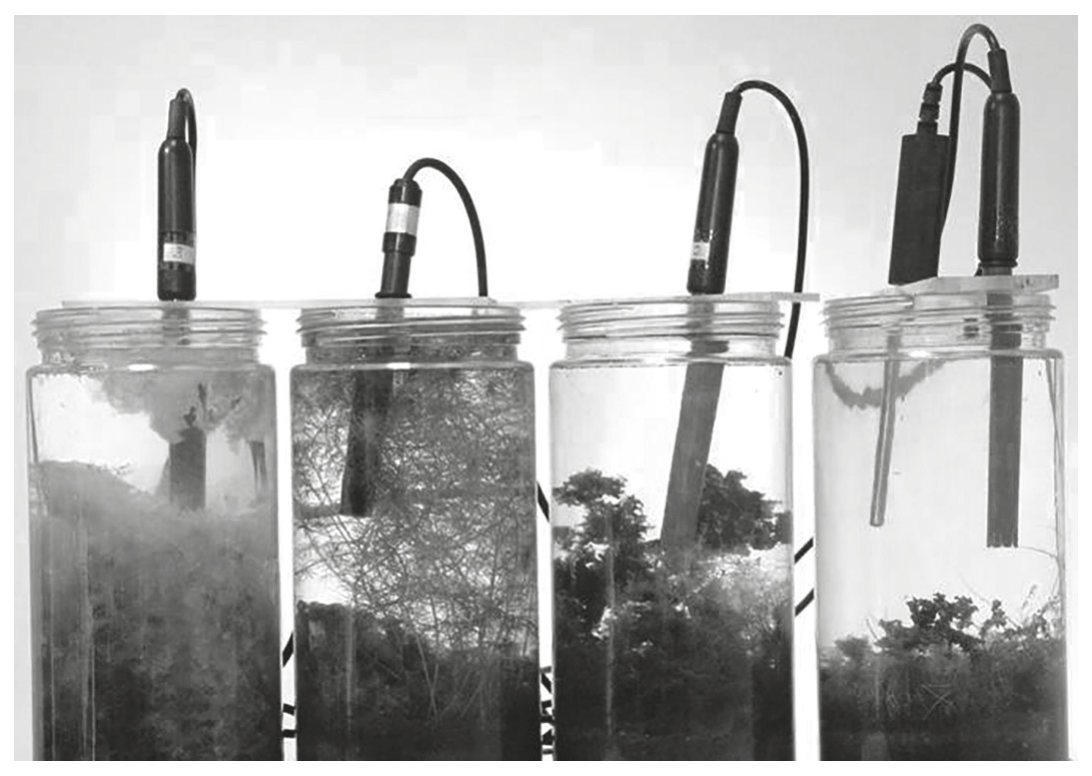
Growth rates of marine algae can be investigated using experimental mesocosms such as those shown.

Question image
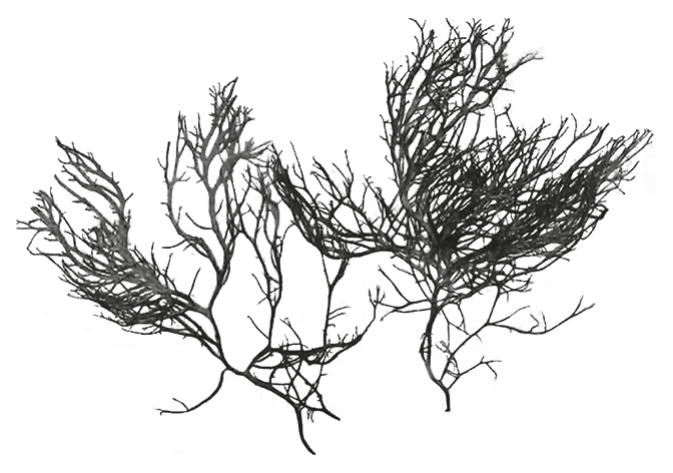
Gracilaria, a red alga

Gracilaria, a red alga

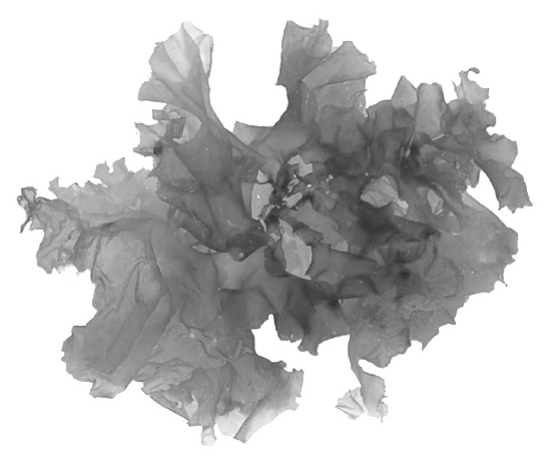
Ulva, a green alga

Ulva, a green alga

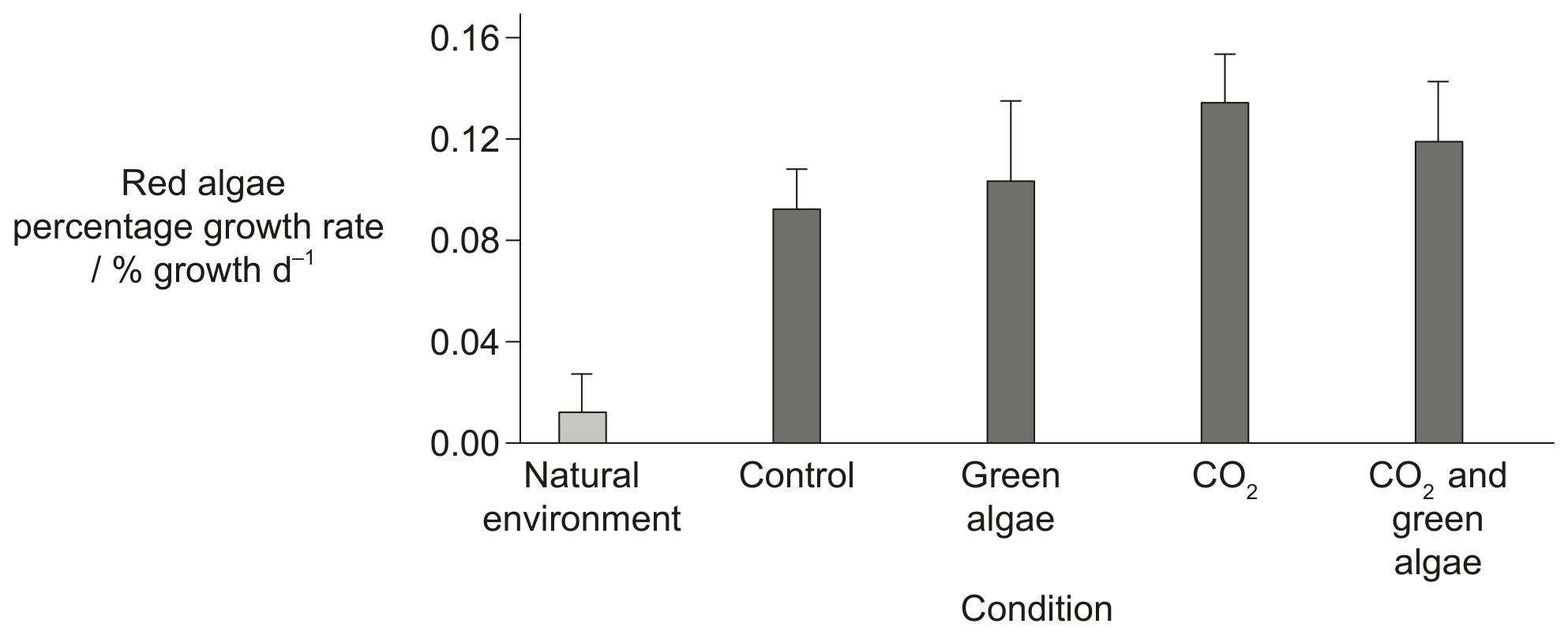
Data are shown for percentage growth rates of red algae, grown in their natural environment and using mesocosms. The conditions investigated included competition from green algae and from elevated CO2\mathrm{CO}_{2}, as well as competition from green algae combined with elevated CO2\mathrm{CO}_{2}.

Question image

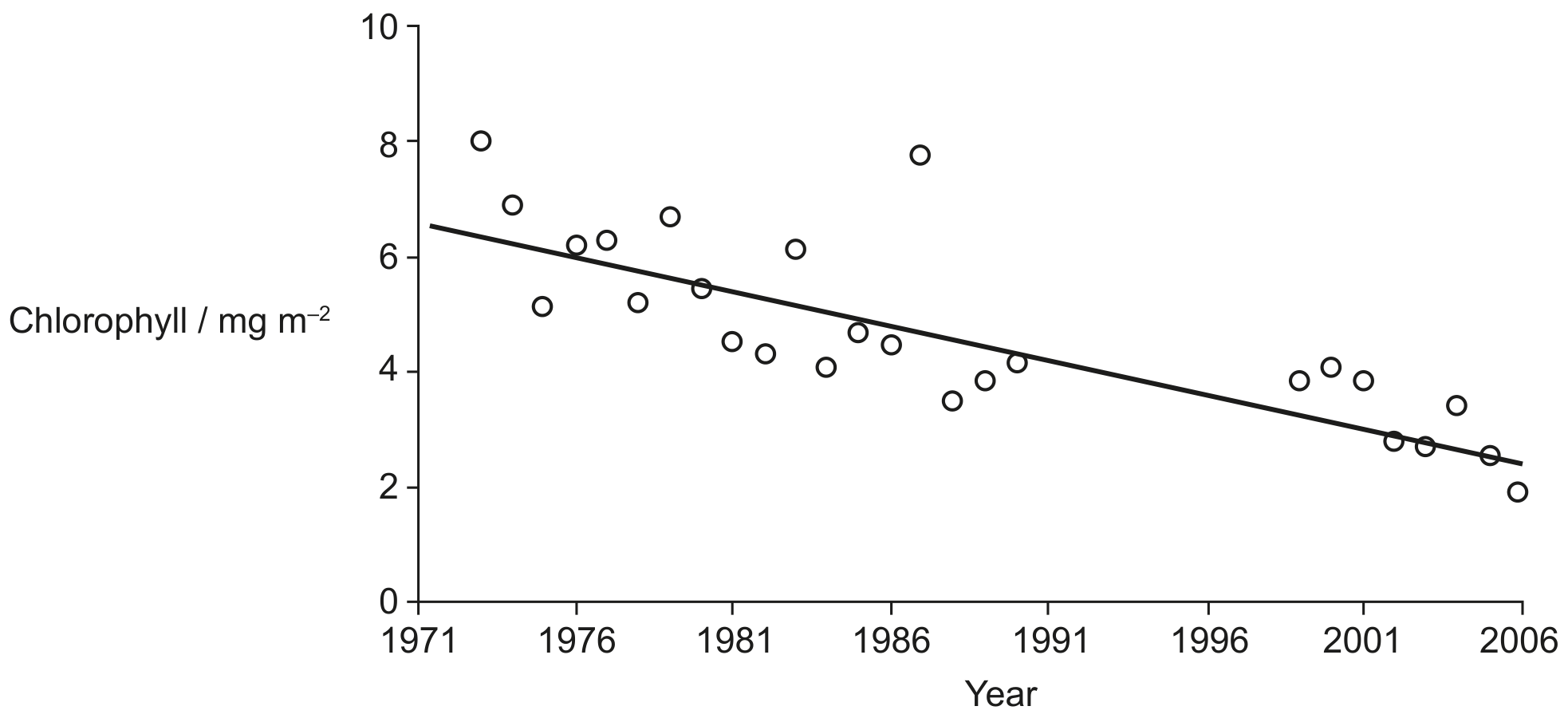
Mean annual chlorophyll concentration was measured in surface water of Narragansett Bay along the Atlantic coast of the USA, from 1971 to 2006. Field data of chlorophyll concentrations are shown below.

Question image

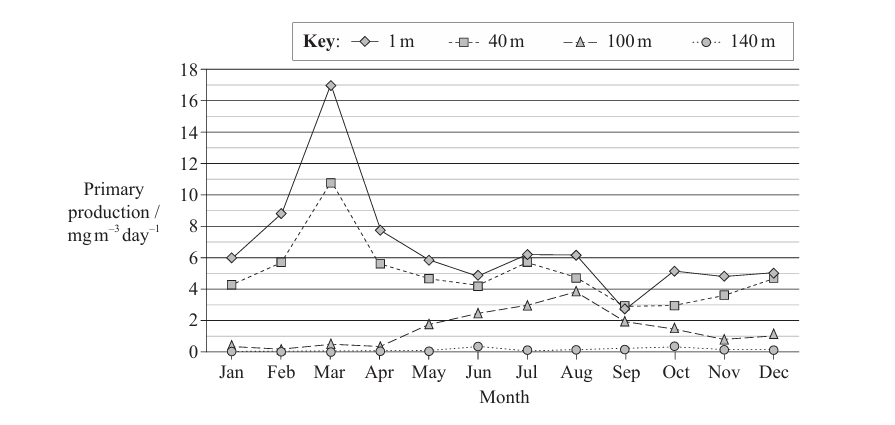
C1. Primary production is directly related to the amount of photosynthesis that occurs in a cubic metre of water. In the waters around Bermuda ( 32N32^{\circ} \mathrm{N} ) in the Atlantic Ocean, microscopic phytoplankton are the producers. They use trace nutrients from seawater in their metabolism. These nutrients are a limiting factor in total population size. A dense phytoplankton population makes the water cloudy. The data shows primary production per day for each month for the year 2000 at different water depths.

Question image

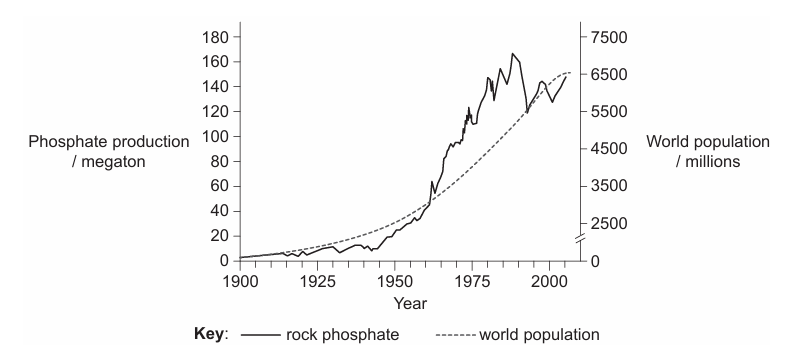
The graph shows how the world rock phosphate production and world population changed between 1900 and 2005.

Question image
0