EduNinja
Question rangeC4.1.10—Community

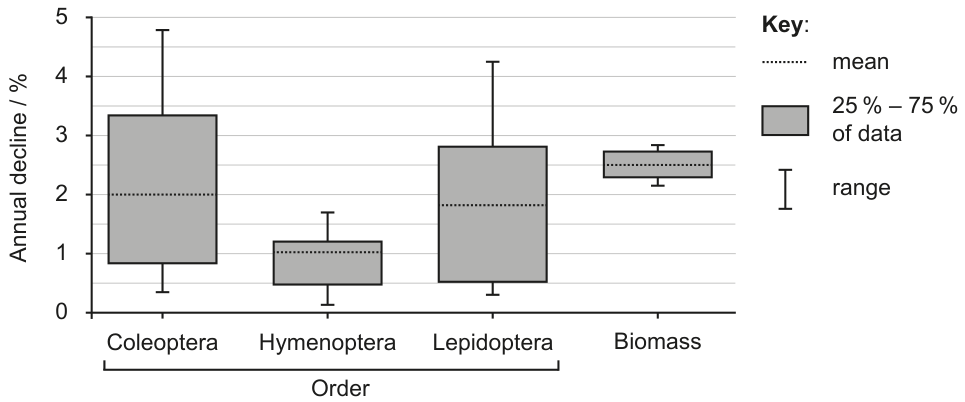
The biodiversity of insects worldwide is in decline. Destruction of habitats, pollution and climate change have contributed to the decline in global insect populations and to the extinction of insect species. A comprehensive literature review was carried out to determine the annual global rate of decline in insect species. The graph shows the results for three major orders of terrestrial insects and the total decline in insect biomass worldwide.
Question image
[Maximum number: 14]

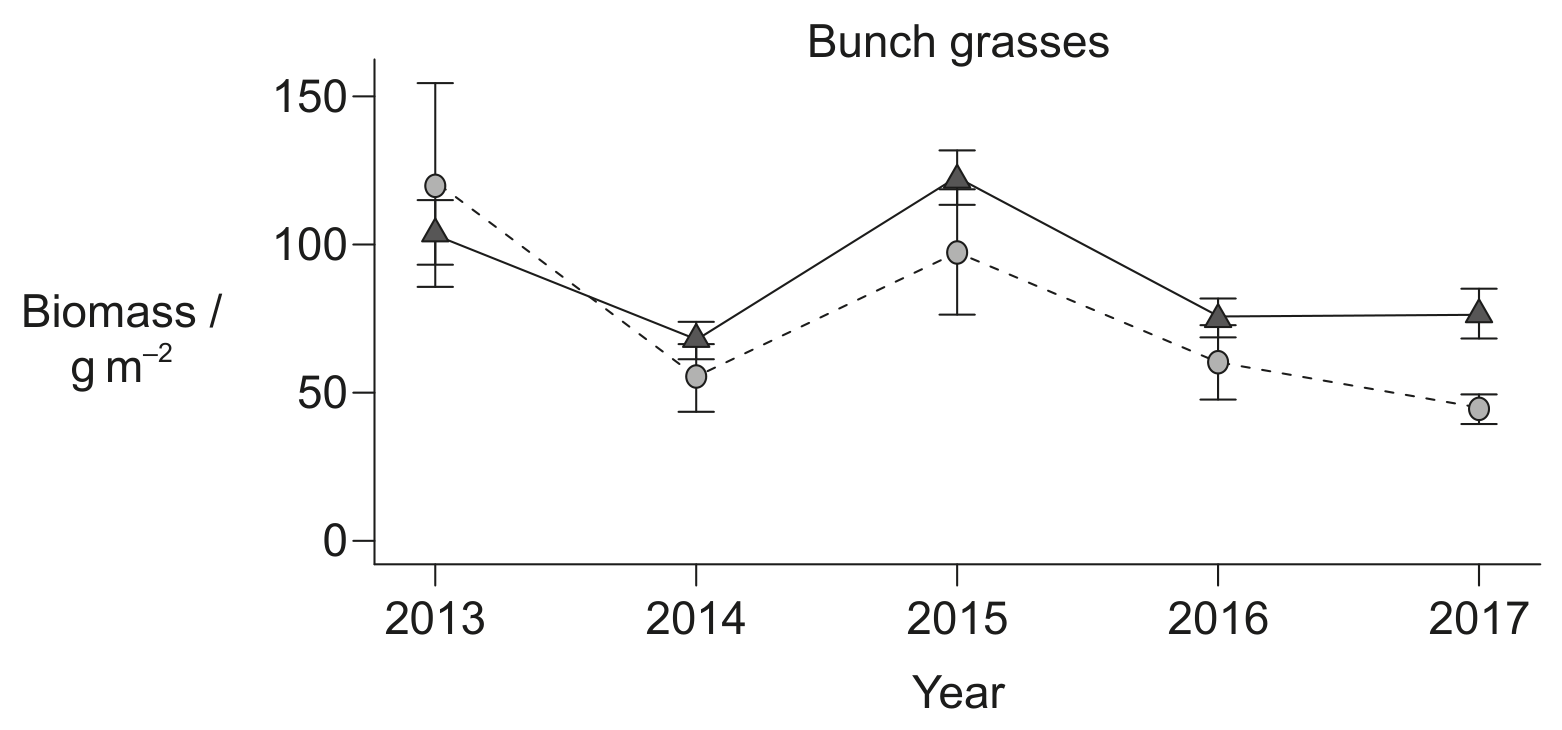
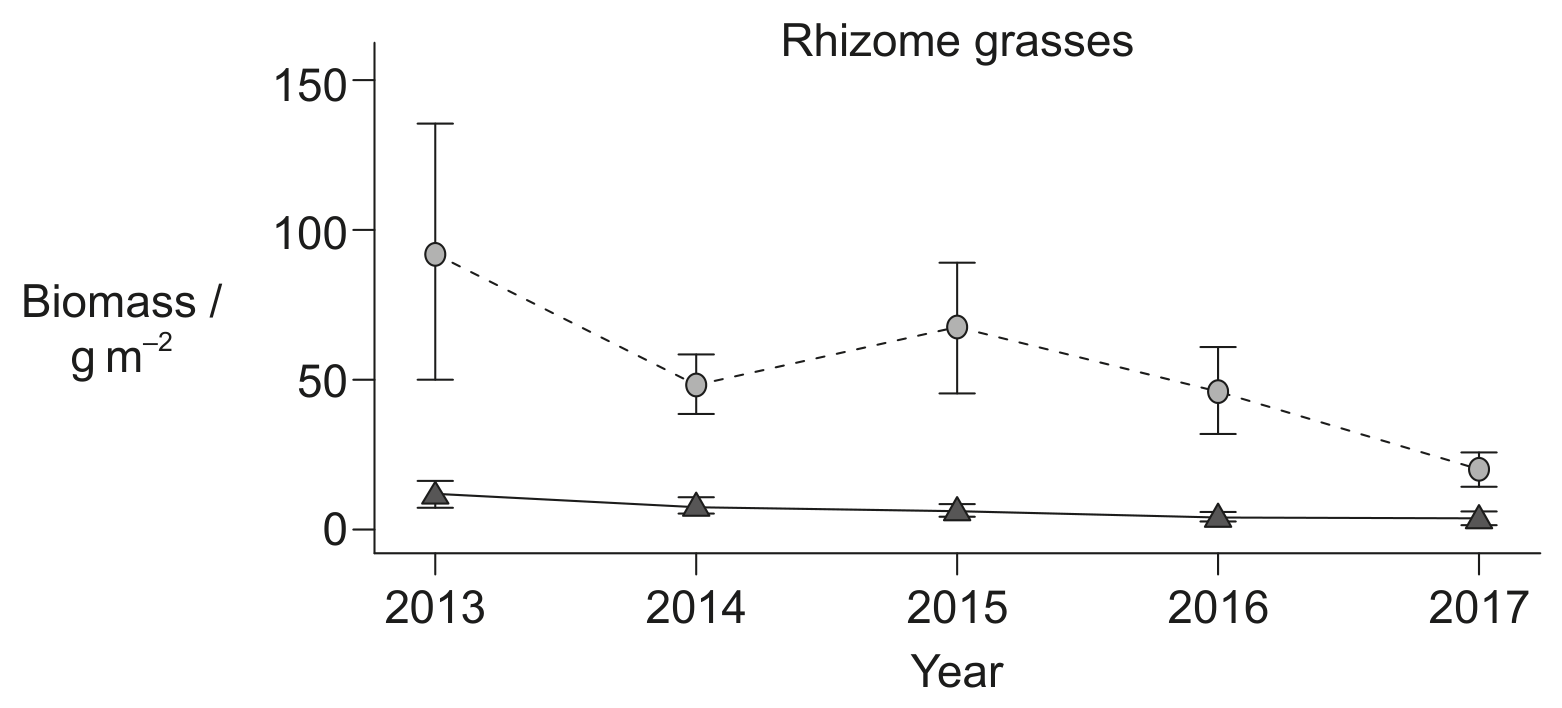
Brandt's voles (Lasiopodomys brandtii) are small herbivorous rodents that live in the steppe grassland of Inner Mongolia. These mammals live in large family groups and feed on the roots, stems and leaves of a wide variety of plants that grow near their burrows. Their feeding activities have been found to have a large impact on the grassland vegetation. Researchers investigating the impact of these voles on the vegetation marked out plots of land and recorded how the biomass of two types of grasses, rhizome grasses and bunch grasses, changed in the presence and absence of voles from the years 2013 to 2017.

Question image

Key:

Question image

- voles
- no voles

[Maximum number: 14]

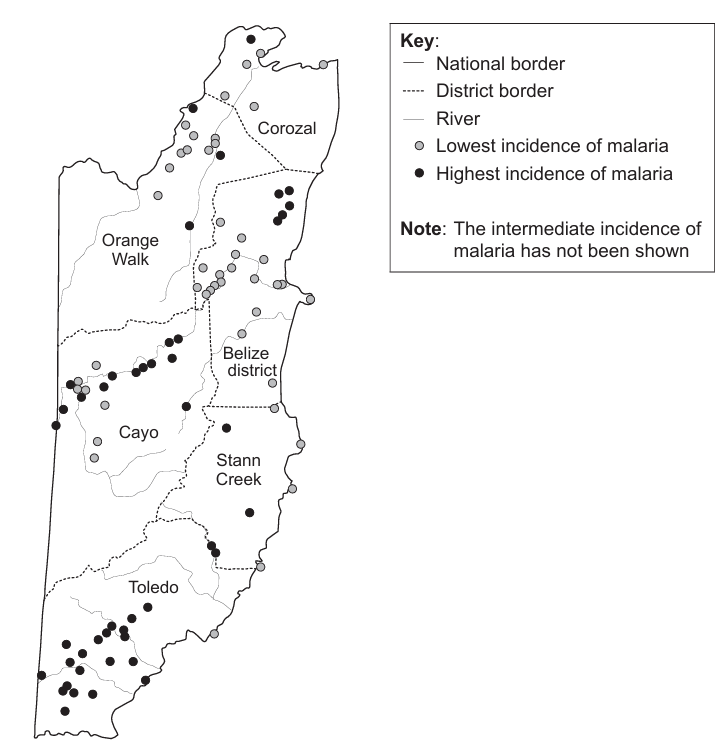
Malaria is a mosquito-borne disease caused by a unicellular organism, Plasmodium. Plasmodium is a parasite that spends part of its life in a mosquito and part in a human. The mosquito transmits the Plasmodium to a human when it feeds on human blood. Mosquitoes hatch in water and are flying insects as adults. In the country of Belize, where malaria is a serious problem, studies have been made to determine what environmental factors affect the incidence of the disease. 156 villages were studied over a ten-year period.

Question image
[Maximum number: 5]

Mosquitofish (Gambusia affinis) are aquatic organisms that feed on mosquito larvae, other insects, zooplankton and detritus. Open mesocosms were established outdoors in 30 large water tanks designed to match natural aquatic habitats in California, USA.
Experiments were set up to measure the effect of extra nutrient availability on the community in the presence or absence of mosquitofish. Each tank was covered with netting. Six tanks were used for each of the different experimental conditions.
Removed for copyright reasons

[Maximum number: 1]

Over time, the hull of a sunken ship may become colonized by a wide range of marine organisms. What term is used to describe all of the organisms living in and on a sunken ship?

A

A community

B

An ecological niche

C

A population

D

An ecosystem

[Maximum number: 1]

Which level(s) of ecological complexity involve(s) biotic factors but not abiotic factors?
I. Community
II. Ecosystem
III. Population

A

I only

B

II only

C

I and II only

D

I and III only

[Maximum number: 1]

What is a community?

A

A group of individuals of the same species in a given area

B

A group of animals that interact socially

C

A group of organisms interacting with the abiotic environment

D

A group of populations interacting with each other within a given area

[Maximum number: 1]

How are the individuals in an ecological community related to each other?

A

They all belong to the same species.

B

They all belong to the same trophic level.

C

They belong to different populations.

D

They belong to populations composed of many species.

[Maximum number: 1]

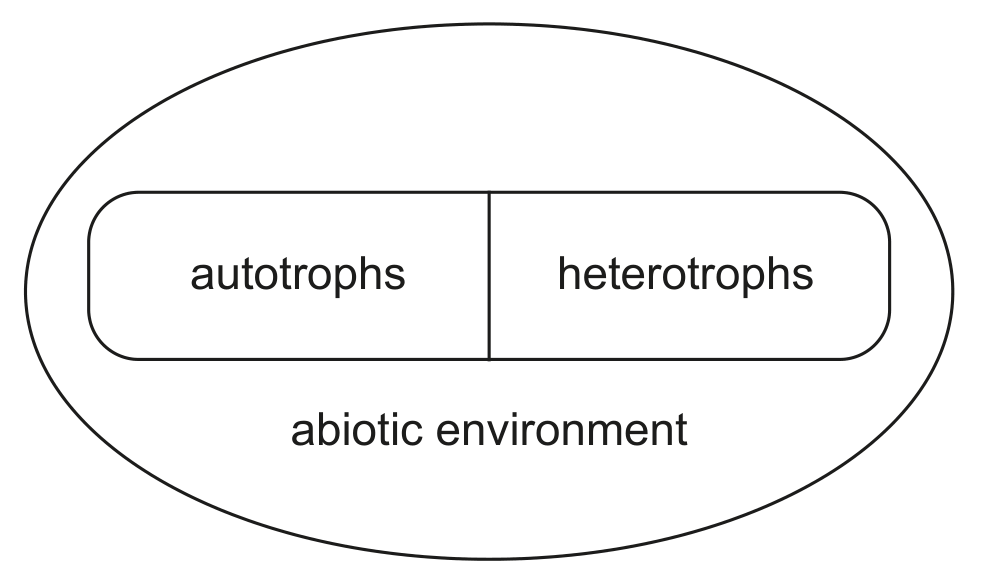
What is represented by everything inside the oval area in the diagram?

Question image
A

A community

B

An ecosystem

C

A food web

D

A habitat

[Maximum number: 1]

What is a community?

A

A group of organisms living and interacting in the same trophic level

B

A group of populations living and interacting in a food chain

C

A group of organisms of the same species living and interacting in an ecosystem

D

A group of populations living and interacting in an area

0