EduNinja
Question rangeC3.2.16—Vaccines and immunization
[Maximum number: 16]

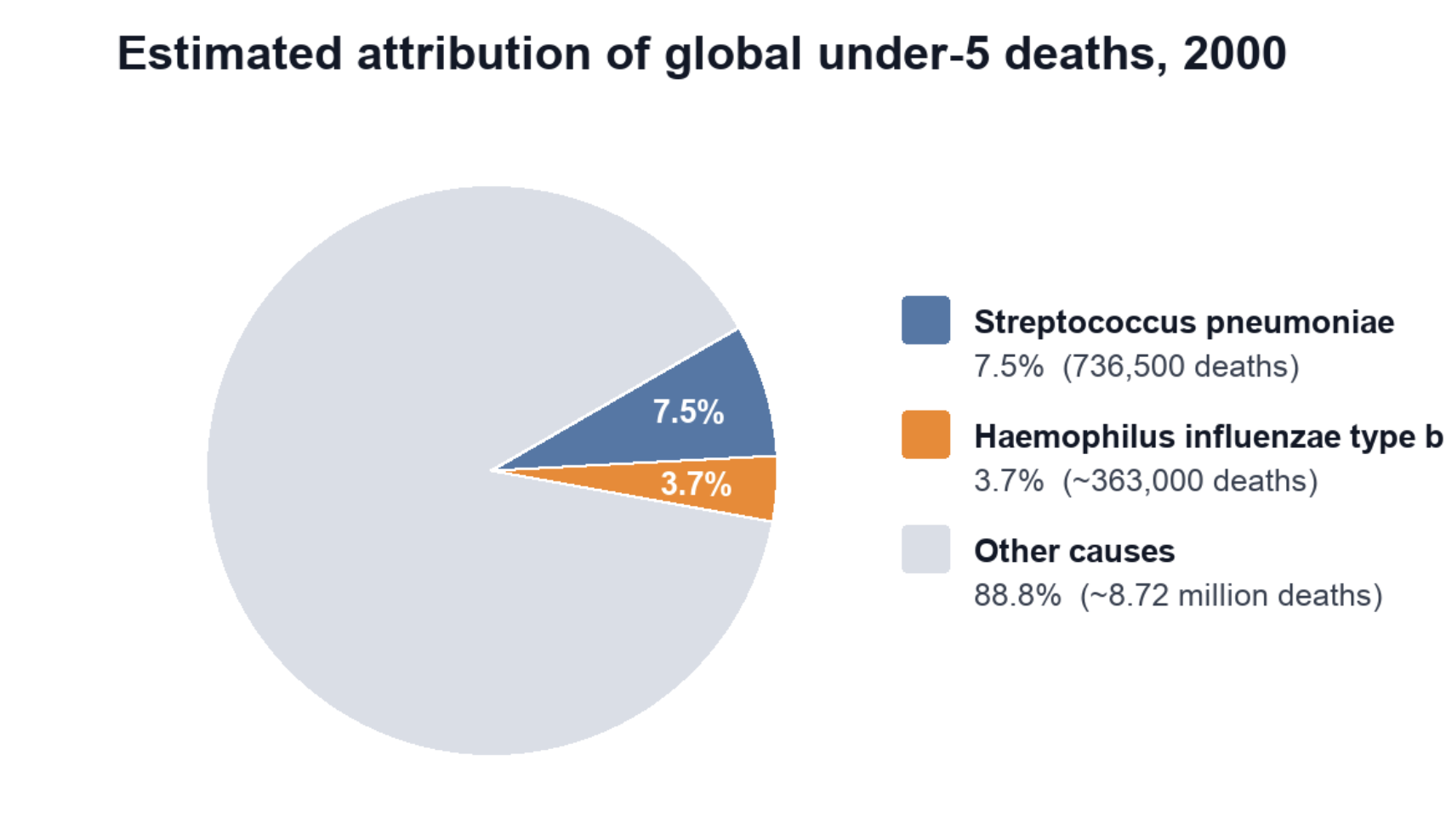
According to the UN Inter-agency Group for Child Mortality Estimation, in the year 2000 there were 9.82 million deaths of children under the age of 5 . Many of these deaths were caused by infectious diseases. The pie chart shows estimates for the percentages of deaths that were attributable to two of the most frequent pathogens, Streptococcus pneumoniae and Haemophilus influenzae.
Question image
[Maximum number: 6]

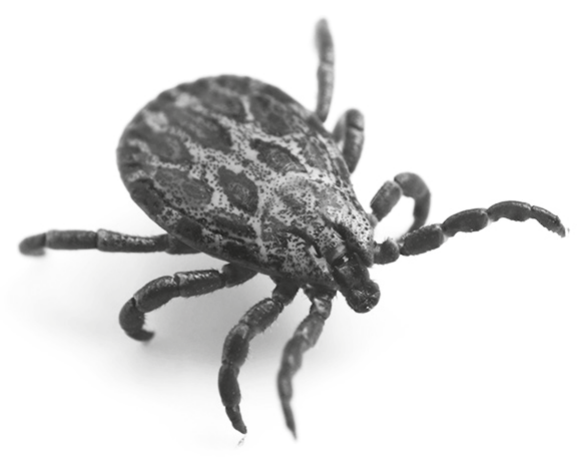
The image shows a castor bean tick (Ixodes ricinus) which is commonly found in woodlands or forest areas. This tick can carry bacteria that cause Lyme disease in humans.

Question image
[Maximum number: 1]

Some vaccinations, such as the smallpox vaccine, provide lifelong immunity against the disease. For others, such as tetanus, this immunity lasts for a shorter period of time. Why is a tetanus booster vaccination recommended every 10 years?

A

Antibodies that formed after the first vaccination persist in the blood for up to 10 years.

B

Memory cells are not produced after the first vaccination.

C

Only non-specific immunity is stimulated after the first vaccination.

D

Memory cells gradually decline over 10 years.

[Maximum number: 1]

Which types of immunity are acquired by each of the following actions?

Antigens injected into a child by vaccination

Antibodies crossing the placenta to the fetus

Antibodies received by baby from breastfeeding

passive

passive

active

passive

active

passive

active

active

active

active

passive

passive

[Maximum number: 1]

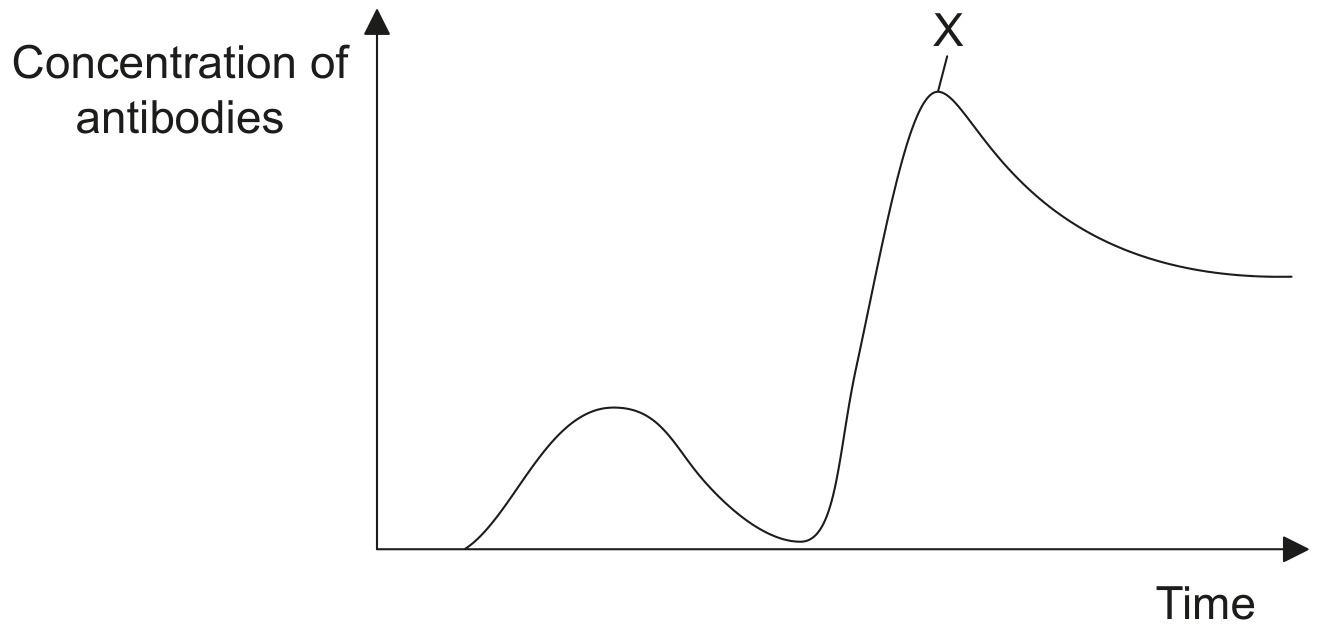
The graph is about defence against infectious disease.

Question image

What is likely to be indicated by the letter X ?

A

The increase in lymphocytes following HIV infection

B

The peak of the infection

C

The secondary response to a vaccine

D

The first appearance of AIDS symptoms

[Maximum number: 1]

What is contained in vaccines?

A

Antigens or RNA coding for antigens

B

Specific or non-specific immunoglobulins

C

Plasma cells or memory cells

D

Antibodies

[Maximum number: 1]

What is an example of active immunity?

A

Antibodies passed from the mother to fetus across the placenta

B

Antibodies produced by another organism and injected to protect against a disease

C

Antibodies passed from the mother in colostrum during breastfeeding

D

Antibodies produced after the defence mechanisms have been stimulated by antigens

[Maximum number: 1]

What forms the basis of immunity after vaccination?

Production of histamines

Clonal selection

Production of memory cells

yes

no

no

yes

no

yes

no

yes

no

no

yes

yes

[Maximum number: 1]

Which of the following events form the basis of immunity upon which the principle of vaccination is based?

Clonal selection

Production of memory cells

Production of monoclonal antibodies

Challenge and response

no

yes

yes

yes

no

yes

no

yes

yes

yes

yes

yes

yes

yes

no

yes

0