EduNinja
Question rangeC3.1.14—Heart rate feedback control
[Maximum number: 12]

A study was conducted to look at the short-term effects of a change in diet on the risk of disease in young adults. The table shows data on the habitual diet of the participants as well as the study diet followed for two weeks.

Mean daily intake ± standard deviation
Habitual dietStudy diet
Energy / kJ10143±94910143 \pm 9499992±4799992 \pm 479
Fat / g100±6100 \pm 699±599 \pm 5
Saturated fat / \% total fat37±237 \pm 260±160 \pm 1
Unsaturated fat / \% total fat63±263 \pm 240±140 \pm 1
Monounsaturated fat / \% total fat46±146 \pm 132±132 \pm 1
Polyunsaturated fat / \% total fat17±117 \pm 18±18 \pm 1
Carbohydrate / g248±23248 \pm 23232±16232 \pm 16
Protein / g119±12119 \pm 12120±9120 \pm 9
[Maximum number: 14]

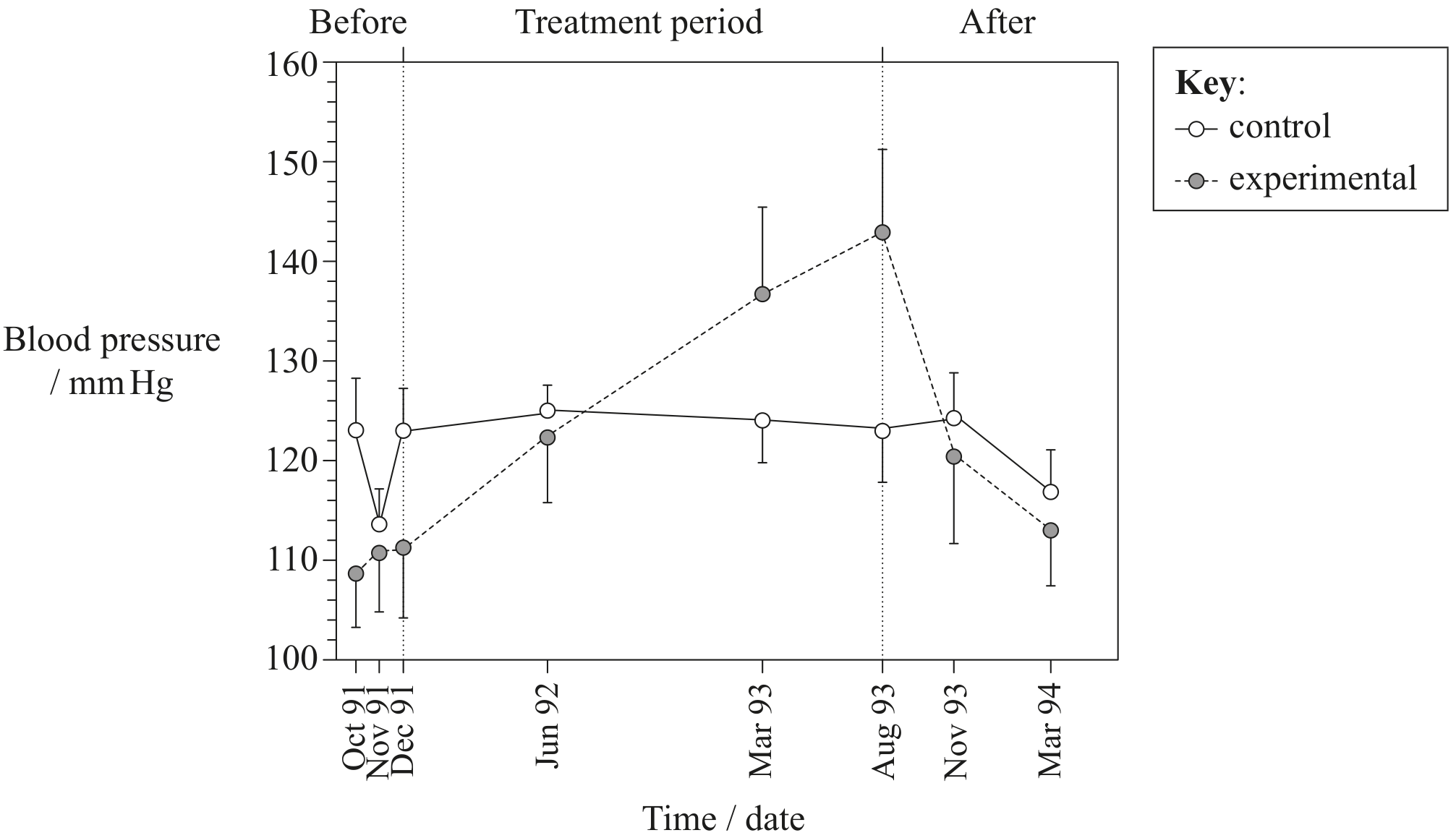
Hypertension (blood pressure exceeding 140 mmHg ) affects millions of people worldwide. Many modern societies consume more sodium in the form of salt (NaCl) than is required for normal physiology. The effect of changing the levels of dietary sodium has been studied in various organisms.

Scientists recorded the blood pressure changes in chimpanzees (Pan troglodytes) fed a diet without added sodium (control) or a sodium supplemented diet (experimental) as follows
- 5 grams of salt per day from December 1991 until May 1992
- 10 grams of salt per day until June 1992
- 15 grams of salt per day until August 1993
after which no more salt was added to the diet until the experiment ended.

Question image
[Maximum number: 13]

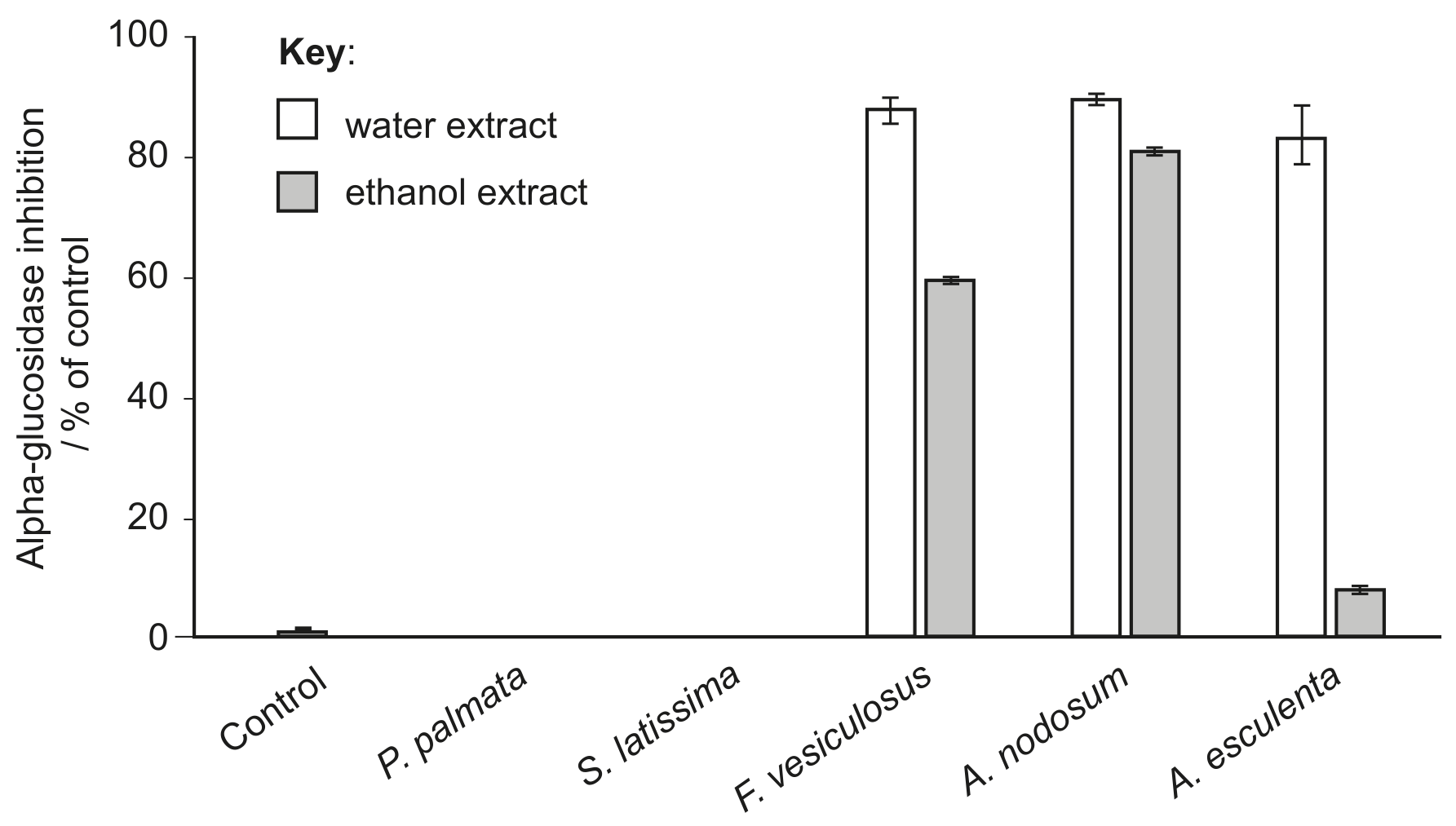
Type II diabetes, a widespread and challenging health problem, is due to insulin resistance, which results in raised blood glucose. Alpha-glucosidase enzymes catalyse the hydrolysis of carbohydrates. Inhibition of the enzymes slows the absorption of glucose in the intestine and thus slows the rise in blood glucose. A study examined the inhibitory effect of five species of seaweed (Palmaria palmata, Saccharina latissima, Fucus vesiculosus, Ascophyllum nodosum and Alaria esculenta) on alpha-glucosidase. Dried seaweed extracts made with water or ethanol were added to maltose. The solutions were incubated, then analysed for glucose content.

The graph shows percent inhibition of alpha-glucosidase with different seaweed extracts compared with uninhibited enzyme activity (control).

Question image
[Maximum number: 9]

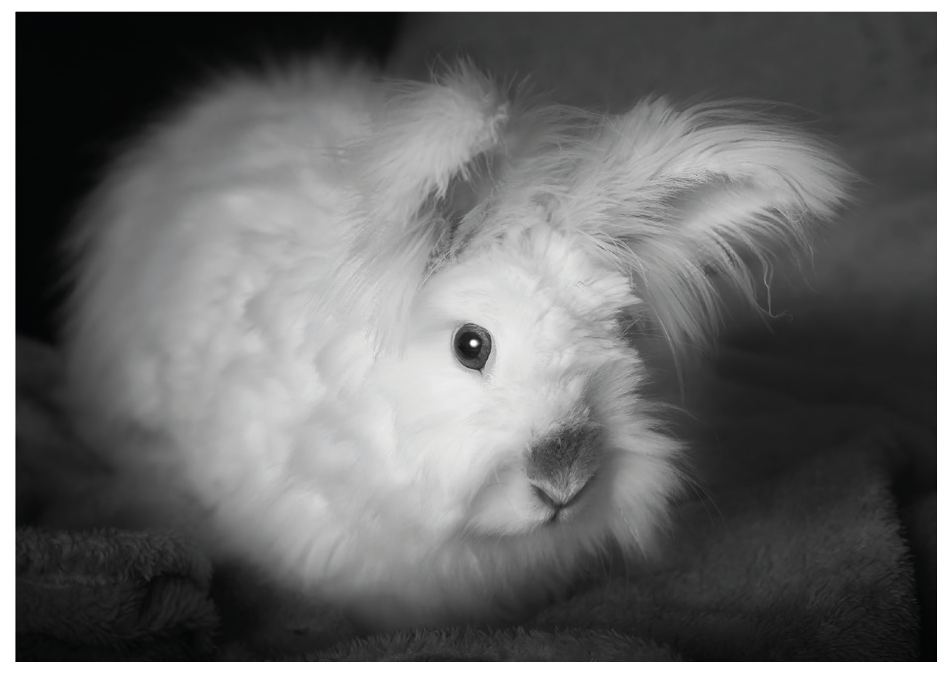
Angora rabbits (Oryctolagus cuniculus) have soft and silky coats with fine hairs that grow about 30 mm per month. These hairs can be collected and used as wool. Hair growth in mammals depends on stem cells in the base of hair follicles called dermal papilla cells.

Question image

Research was carried out to investigate the role of the WIF1 gene in hair growth. Wool was collected from 6-month-old angora rabbits. Expression of the WIF1 gene was assessed by measuring the quantity of WIF1 mRNA produced in cells taken from each rabbit. The rabbits were divided into groups according to their rate of wool production (low or high).

The table shows mean wool production per rabbit in the low and high wool production groups and relative expression of the WIF1 gene.

Removed for copyright reasons

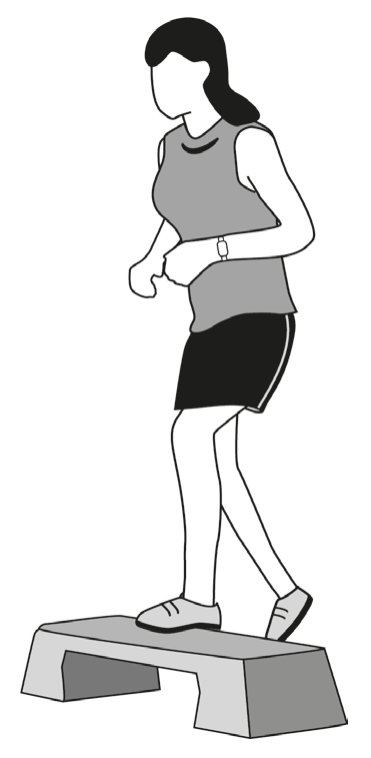
A wearable monitor can be used to measure heart rate before and after exercise on an aerobic stepper. A student asked 100 female classmates of approximately 14 years of age to take part in the investigation.

monitor

monitor

stepper

stepper

[Maximum number: 3]

In an experiment to determine the effect of diet on response to leptin, mice were fed a control diet or a high fructose diet for six months and then either injected with a saline (salt) solution or injected with leptin. The food intake of both groups was then monitored over a 24 hour period.

[Maximum number: 7]

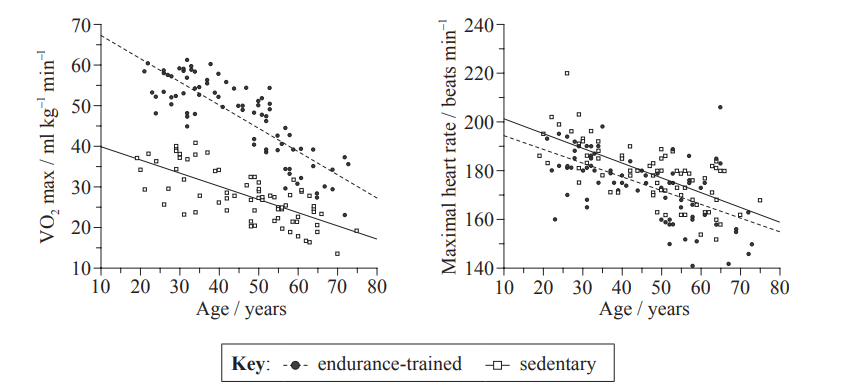
Aerobic capacity is a function of both VO2\mathrm{VO}_{2} max and heart beat rate. A study was conducted to see the effect of regular endurance exercise on maximal aerobic capacity in women. The scatter graphs show the effect of age on VO2\mathrm{VO}_{2} max and maximal heart rate for two groups of women. The endurance-trained group had been competing in long distance races for at least the past two years. The sedentary group performed no regular physical exercise but were healthy and non-obese.

Question image

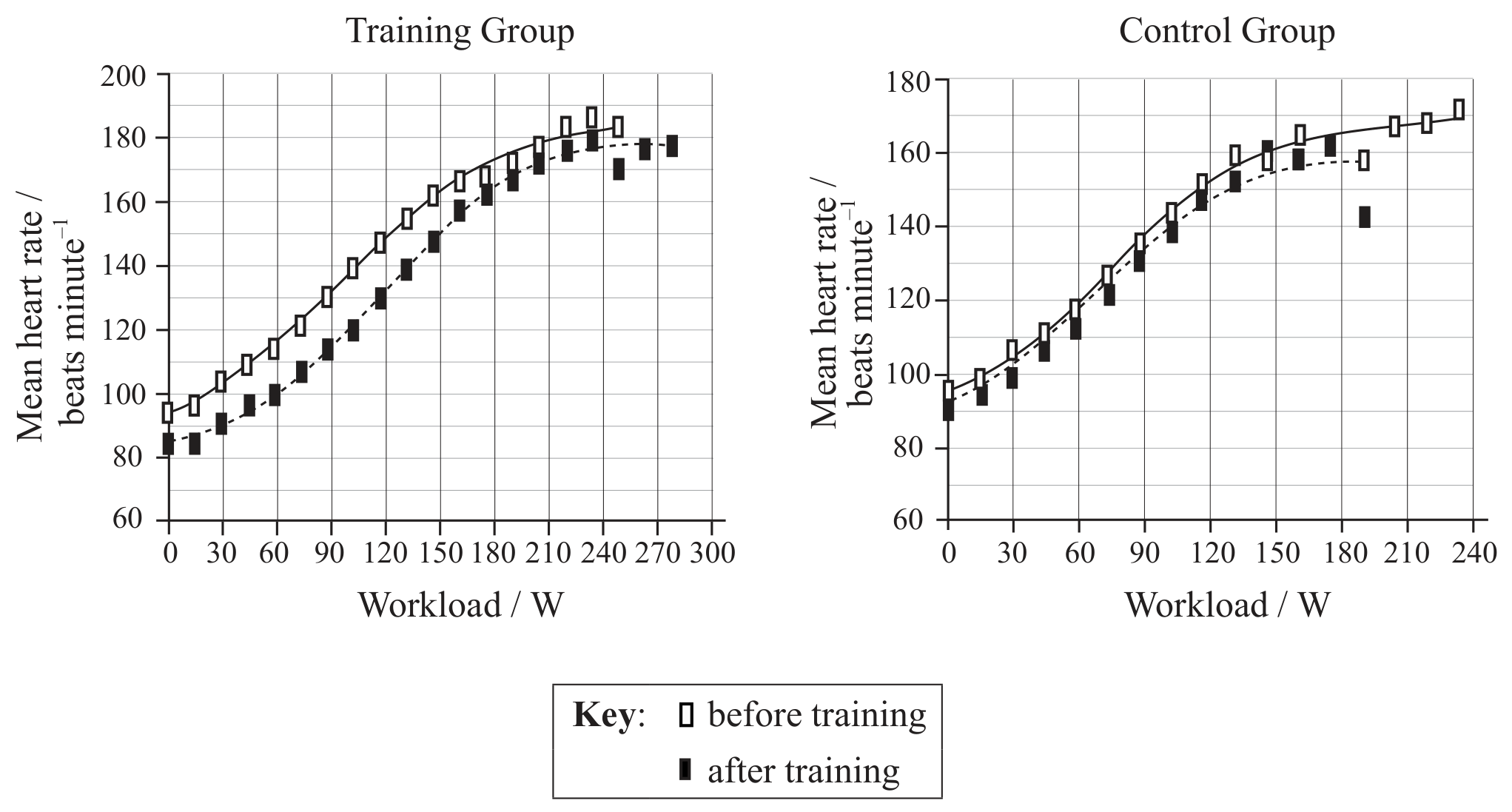
B1. A study was carried out to assess the effects of high-intensity interval training on heart rate. 20 subjects were randomly assigned to two groups: training and control. They underwent a test in which the exercise became harder and harder until they reached the point of exhaustion (progressive incremental test). The training group then performed nine sessions of high intensity interval training on a cycle ergometer during three weeks ( 1 minute at 130 % of maximal aerobic work rate with 1 minute rest intervals until they felt they were at the point of exhaustion). The control group did not do any training. Both groups then repeated the progressive incremental test.

The graphs below show the mean heart rate curves during progressive incremental tests before and after training.

Question image
0