EduNinja
Question rangeC3.1.12—Epinephrine (adrenaline)
[Maximum number: 12]

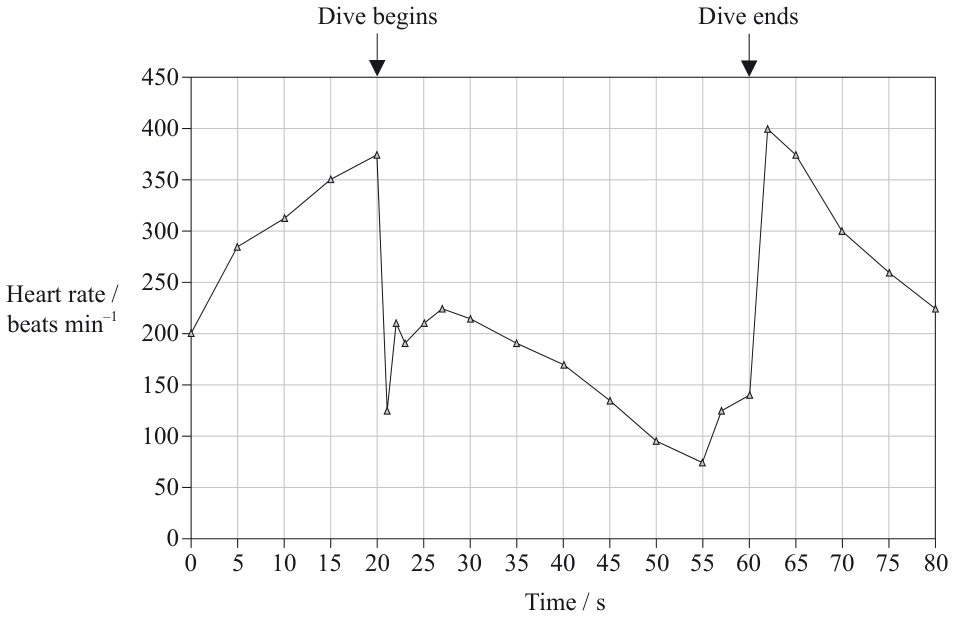
Tufted ducks (Aythya fuligula) are found in lakes and lagoons throughout Europe. They eat molluscs, insects and plants, sometimes from the surface but mostly by diving under the water. The graph shows how the heart rate of a tufted duck changes when diving under the water.
Question image
[Maximum number: 10]

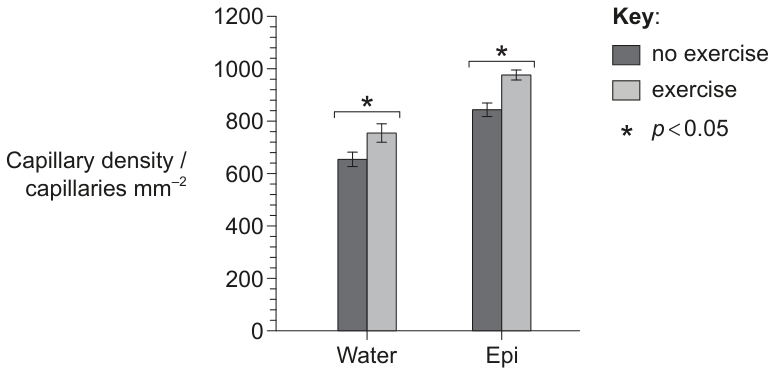
Consumption of dark chocolate has been shown to have health benefits. A study was undertaken to see the effects of epicatechin (Epi), a substance in dark chocolate, on the aerobic capacity of leg muscles of mice.

A group of adult mice was used to measure the effects of a low dose of Epi given over 15 days. The mice were divided into four groups and given either water or Epi and were either kept idle (no exercise) or made to exercise on a treadmill.

After 15 days, the results were analysed. The blood capillary density in leg muscle was measured under the light microscope.

Question image
[Maximum number: 1]

An individual was presented with a stimulus resulting in the release of epinephrine. What was the most likely nature of the stimulus?

A

Sunset and the onset of darkness

B

An image of a close friend

C

The intake of glucose

D

A coach shouting to begin physical activity

[Maximum number: 6]

Compare how the sympathetic and parasympathetic nervous systems control processes such as heart rate, movements of the iris and flow of blood to the gut.

[Maximum number: 1]

What happens in the heart when epinephrine is secreted into the blood?
I. Pressure in the heart falls.
II. The pulmonary artery transports oxygenated blood at a faster rate.
III. The sinoatrial node increases the rate of electrical signals.

A

I only

B

I and II only

C

II and III only

D

III only

[Maximum number: 4]

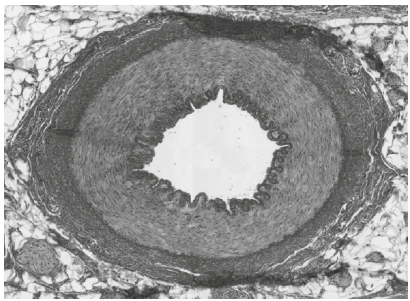
This micrograph shows a transverse section of an artery.

x100

x100

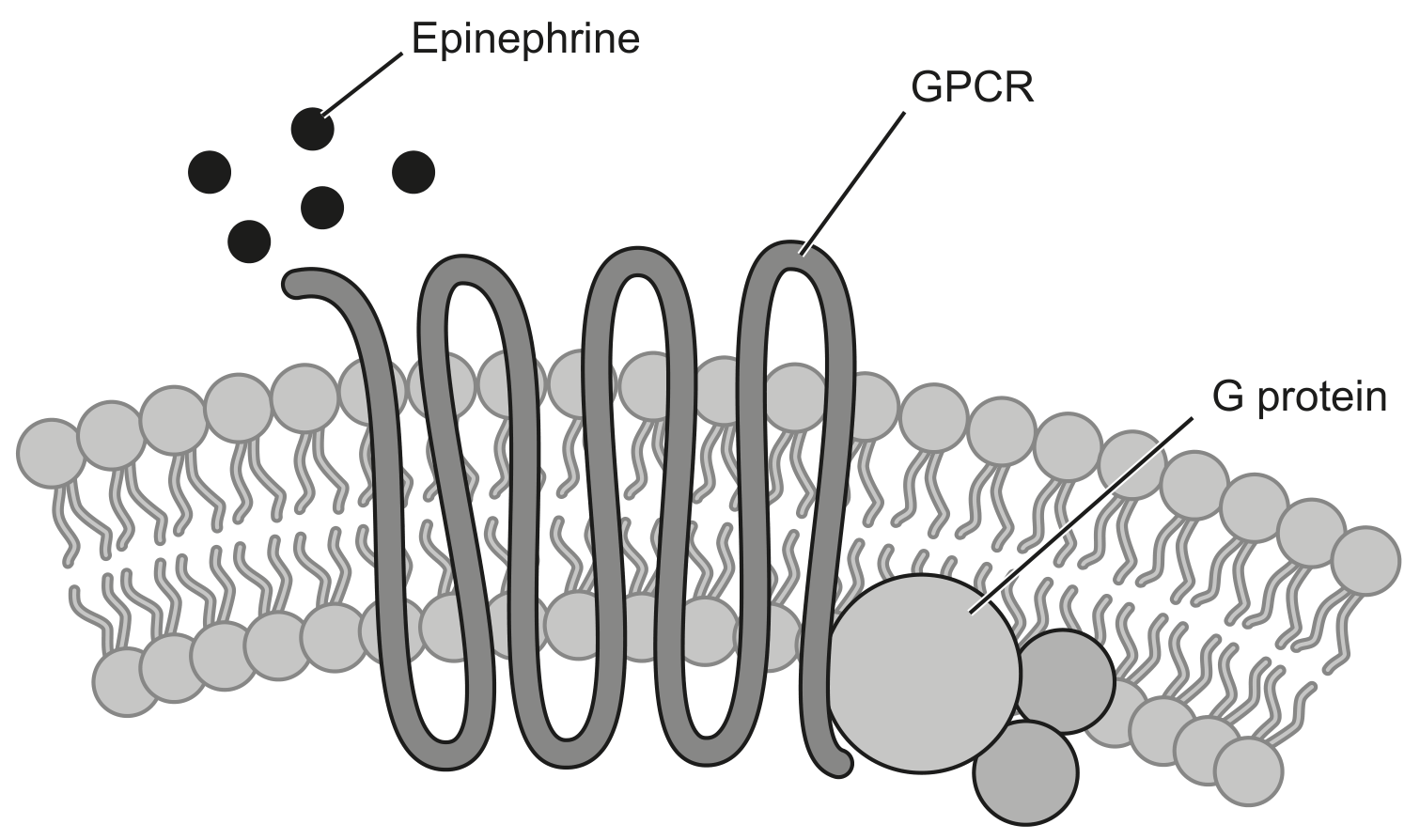
The diagram shows a G protein, bound to a G protein-coupled receptor (GPCR), a transmembrane receptor which responds to epinephrine (adrenaline).

Question image
[Maximum number: 1]

How is epinephrine (adrenaline) carried to the pacemaker of the heart and what effect does it have on heartbeat rate?

Epinephrine carried to the pacemaker

Effect of epinephrine on heartbeat rate

in the bloodstream

increases it

in the bloodstream

decreases it

by nerves

increases it

by nerves

decreases it

[Maximum number: 1]

The hormones insulin, glucagon, thyroxin and leptin can all affect energy storage in the body. Which hormone increases the rate of energy release and use?

A

Insulin

B

Glucagon

C

Thyroxin

D

Leptin

0