EduNinja
Question rangeB2.1.3—Simple diffusion
[Maximum number: 1]

The diagram shows a section through a membrane. What are the modes of transport in the diagram?
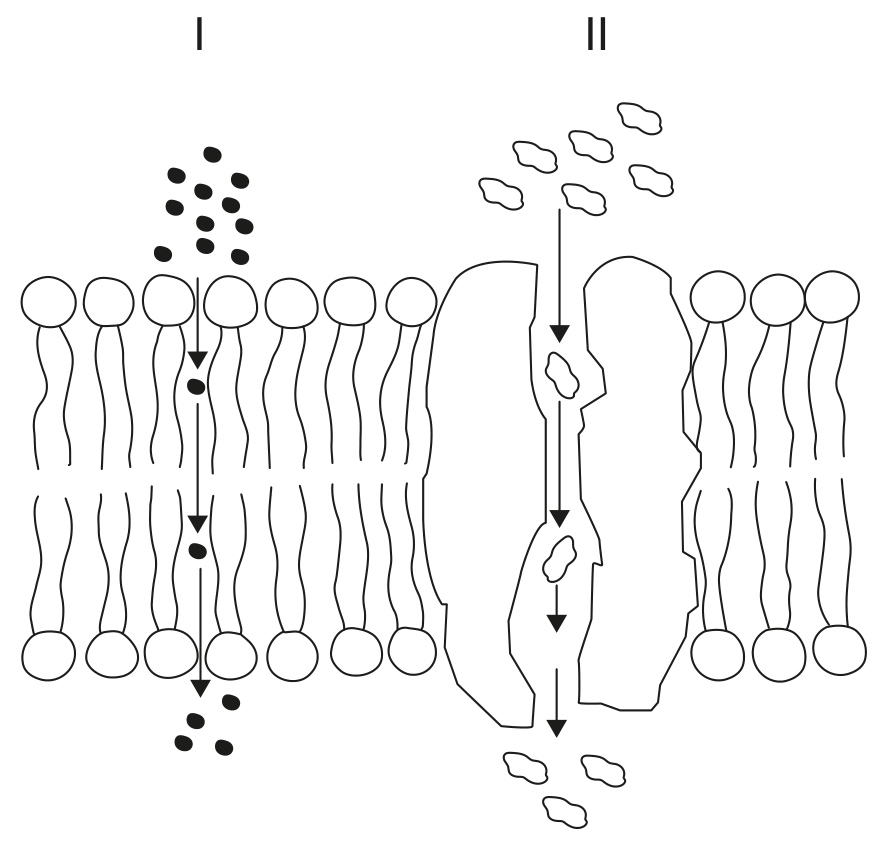
Question image

I

II

simple diffusion

osmosis

active transport

facilitated diffusion

simple diffusion

facilitated diffusion

facilitated diffusion

active transport
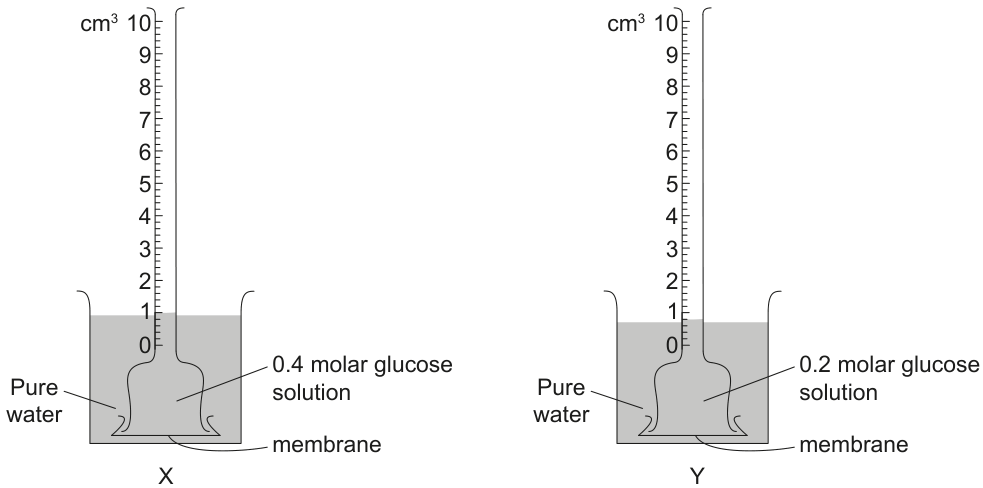
[Maximum number: 1]

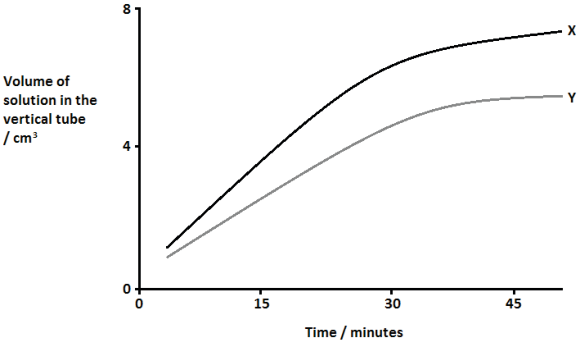
Apparatus was set up as shown to collect data.

Question image

The graph shows the results after 47 minutes of data collection.

Question image

What causes the rates to differ?
I. Different concentration gradients at the start
II. Diffusion of sugar is initially greater in Y than in X
III. The systems are reaching equilibrium over time

A

I only

B

II only

C

I and III only

D

II and III only

[Maximum number: 1]

In 2020, Peplow and co-workers obtained an image showing a GABA cell membrane protein receptor. The technique they used allowed them to take the image at a particular moment in time by treating the sample so that the protein molecules were firmer and more stable. What technique did they use to obtain this image?

A

Electrophoresis

B

Immunofluorescence

C

Cryogenic electron microscopy

D

Fluorescent dyes

(a)

State two differences in structure between plant and animal cells.

[ 2 ]
(b)

Outline how molecules move across a membrane by simple diffusion.

[ 2 ]
(c)

Explain the role of protein pumps in active transport.

[ 2 ]
[Maximum number: 7]

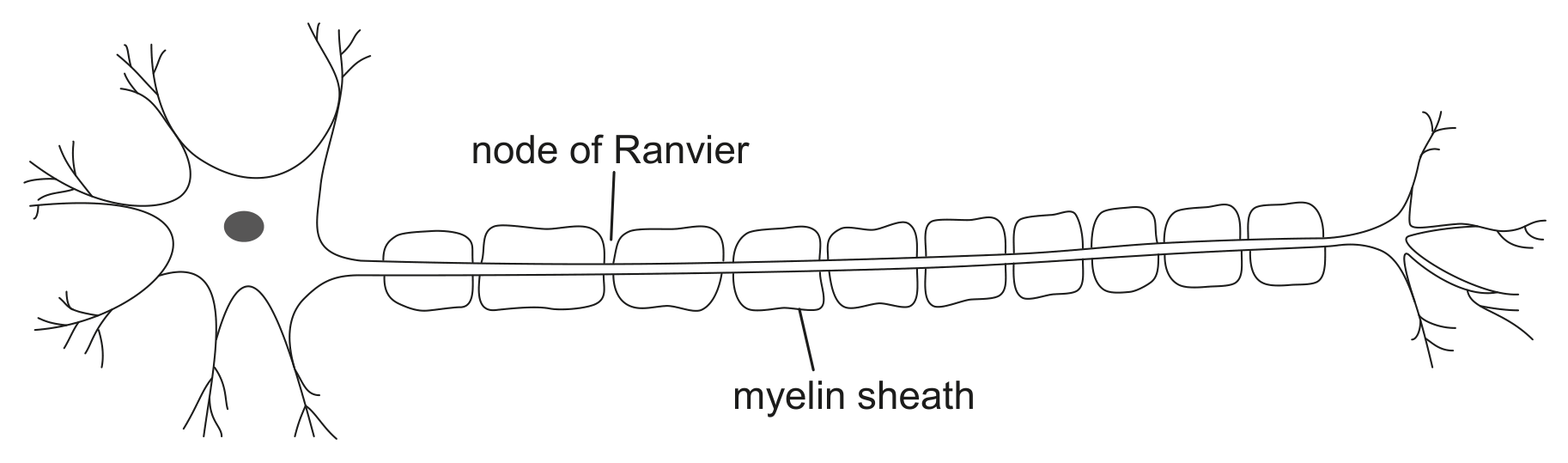
The diagram shows a cell from the nervous system.

Question image
(a)

Outline how the myelin sheath and nodes of Ranvier increase the speed of an action potential along a neuron.

[ 2 ]
(b)

Compare and contrast the movement of particles across plasma membranes by simple diffusion and facilitated diffusion.

[ 2 ]
(c)

Describe the effect of neonicotinoid pesticides on synaptic transmission in insects.

[ 3 ]
[Maximum number: 6]

Cell membranes have a fluid mosaic structure.

(a)

Outline the reason the structure is described as a mosaic.

[ 1 ]
(b)

Phospholipids are the most common molecules in cell membranes. Draw a diagram of the simplified structure of a phospholipid and label its amphipathic properties.

[ 2 ]
(c)

Explain how the rate of diffusion of oxygen into a cell is affected by the concentration of oxygen outside of the cell.

[ 3 ]
[Maximum number: 6]

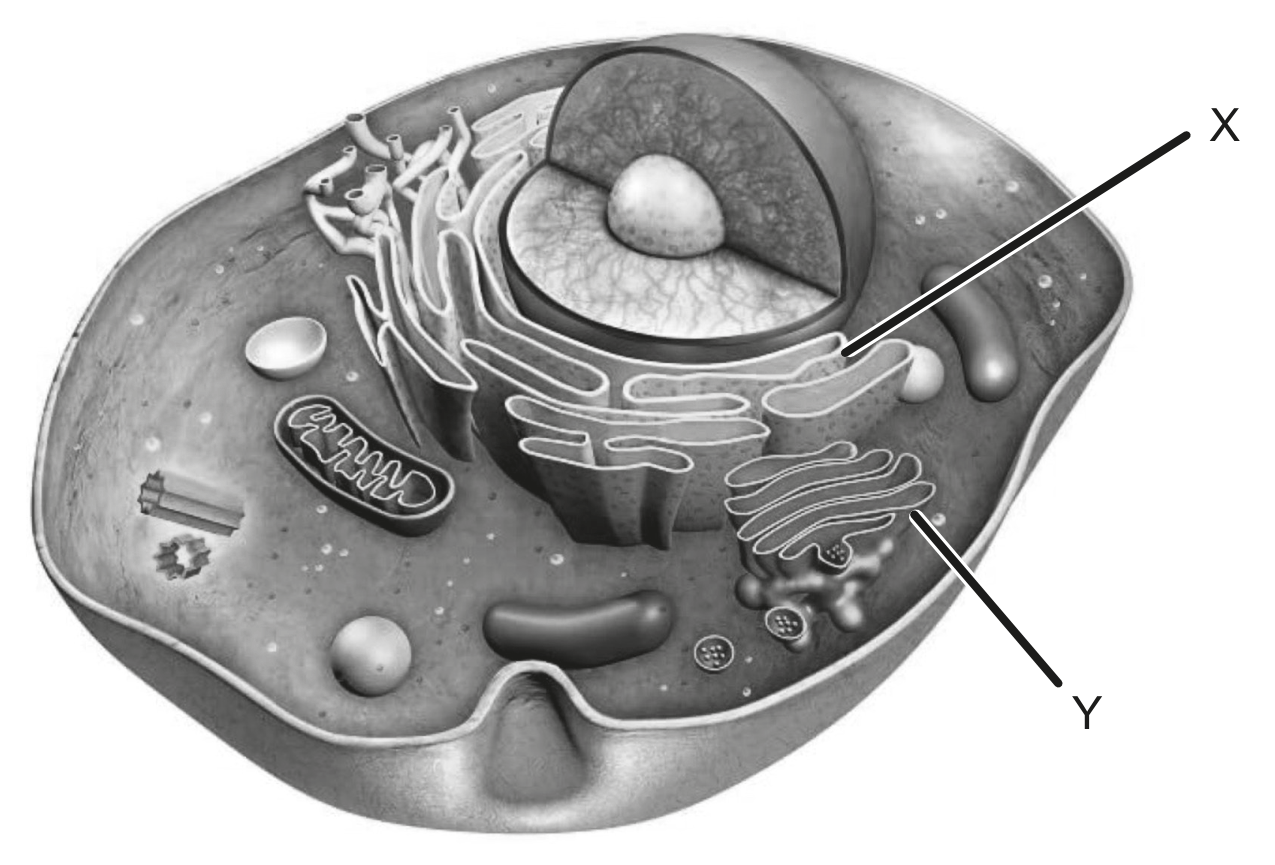
Eukaryotic cells have certain characteristics in common.

Question image
(a)

State a function for structures X and Y labelled in the cell diagram.

X :
Y:

[ 2 ]
(b)

Describe three different processes that allow molecules to pass through the lipid bilayer of a cell.

[ 3 ]
(c)

Outline one difference between the structure of prokaryotic and eukaryotic cells.

[ 1 ]
[Maximum number: 1]

Which technique separates proteins according to size?

A

Treatment with restriction endonucleases

B

PCR

C

Gel electrophoresis

D

DNA profiling

[Maximum number: 1]

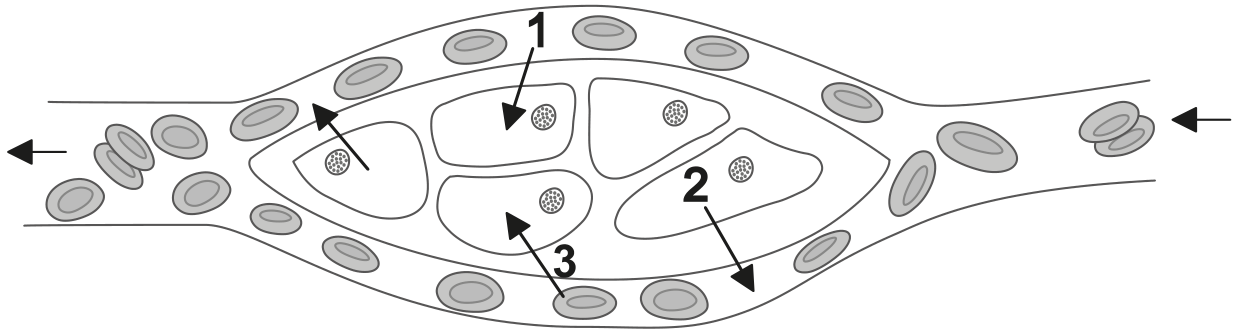
The diagram shows red blood cells and undifferentiated tissue cells.

Question image

Diffusion of oxygen from blood cells to tissue cells is represented by arrow 3 in the diagram. What molecules are shown diffusing by arrow 1 and arrow 2?

Arrow 1

Arrow 2

carbon dioxide

urea

water

glucose

glucose

carbon dioxide

fatty acids

amino acids

[Maximum number: 1]

Which process results in the exchange of gases across the membrane of pneumocytes?

A

Active transport

B

Simple diffusion

C

Facilitated diffusion

D

Mass flow

0