EduNinja
Question rangeA2.3.1 (HL)—Common structural features
[Maximum number: 1]

The image shows an electron micrograph of virus particles known to infect the bacterium Vibrio parahaemolyticus, which is associated with gastroenteritis, wound infections and septicemia in humans and animals.
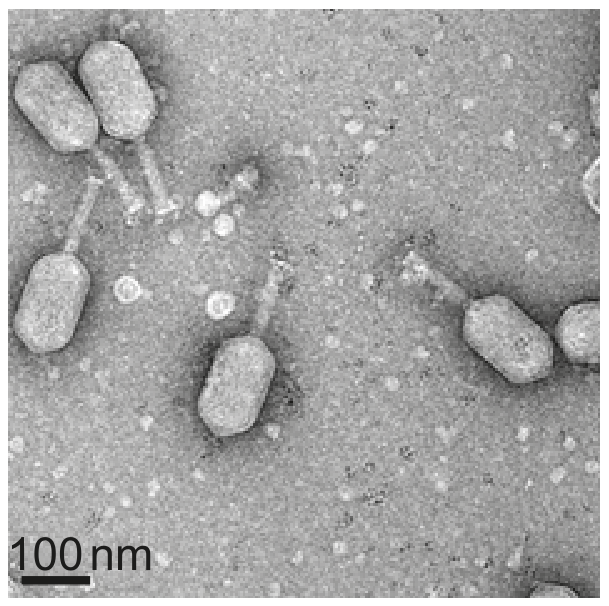
Question image

What does a virus have in common with a living cell?

A

70 S ribosomes

B

Genetic material

C

Reproduction by binary fission

D

Anaerobic respiration
[Maximum number: 9]

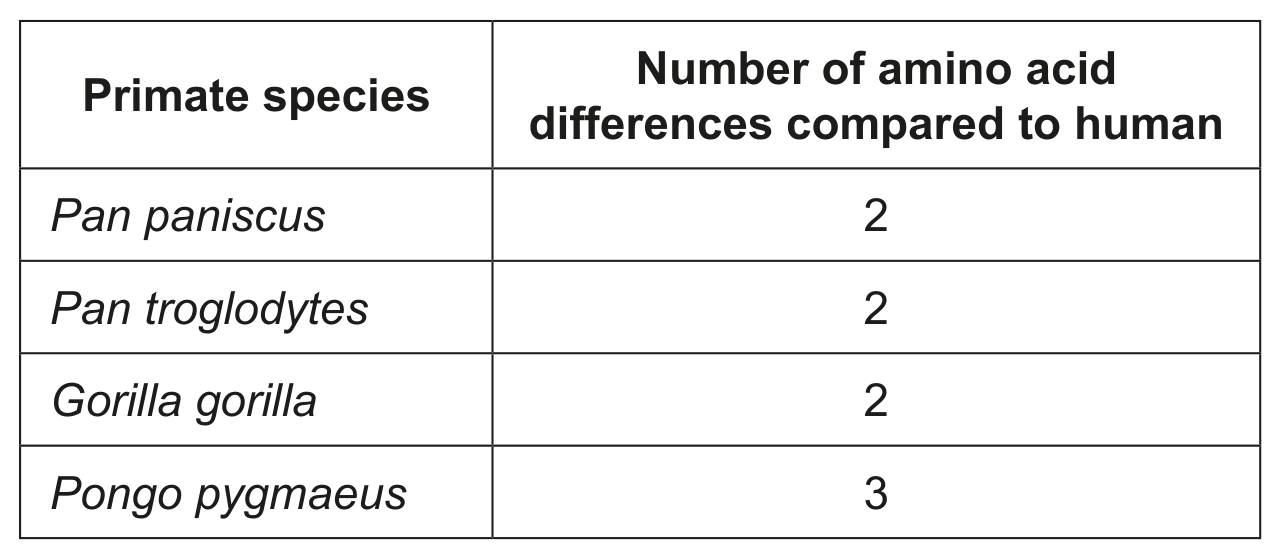
The table shows the number of amino acids that are different in the sequences of the protein FOXP2 from a human compared with four other primate species.

Table
(a)

Identify the total number of different genera named in the table.

[ 1 ]
(b)

Deduce whether it is possible to conclude that Pan paniscus and Gorilla gorilla are more closely related to each other than to humans.

Humans have 46 chromosomes. However, each of the four other primates in the table have 48 chromosomes.

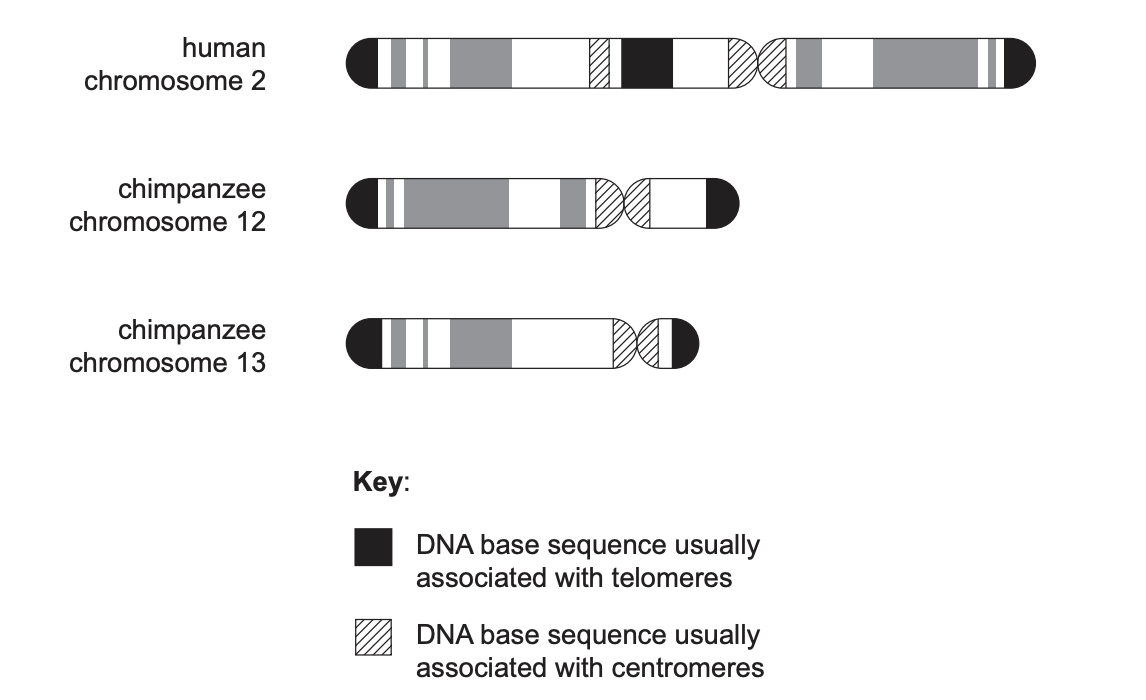
Scientists analysed chromosome 2 in humans and chromosomes 12 and 13 in chimpanzees (Pan troglodytes). The diagrams show a summary of their findings.

Question image
[ 2 ]
(c)

Using evidence from the diagrams, justify the hypothesis that chromosome 2 in humans arose from the fusion of chromosomes 12 and 13 with a shared primate ancestor.

[ 4 ]
(d)

Some infectious diseases in humans are caused by viruses that originated in other primates.

[ 2 ]
(i)

State one structural feature of a virus.

[ 1 ]
(ii)

State the term used for an infectious disease that can transfer from other species to humans.

[ 1 ]
[Maximum number: 1]

What mode of existence do viruses exhibit?

A

Obligate parasite

B

Facultative parasite

C

Obligate heterotroph

D

Predator

[Maximum number: 1]

Which feature is common to all viruses?

A

Has a capsid

B

Contains RNA

C

Contains cytoplasm

D

Enveloped in host cell membrane

[Maximum number: 5]

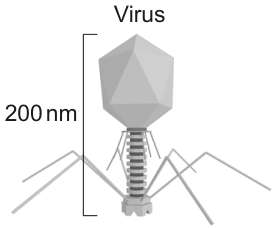
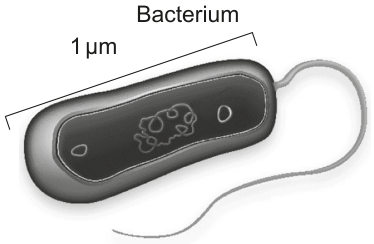
The diagrams show a virus and a bacterium.

Question image
Question image
(a)

Calculate the magnification of the bacterium.

[ 1 ]
(b)

State the method that bacteria use to divide.

[ 1 ]
(c)

Outline the effectiveness of antibiotics against viruses and bacteria.

[ 1 ]
(d)

Saprotrophic organisms, such as Mucor species, are abundant in soils.

[ 2 ]
(i)

Define saprotrophic organisms.

[ 1 ]
(ii)

State one role of saprotrophic organisms in the ecosystem.

[ 1 ]
(a)
(i)

State one reason that viruses are not classified as living organisms.

[ 1 ]
(ii)

State the plant phylum which is characterised by the absence of vascular tissue.

[ 1 ]
(b)

C. nemoralis (pictured in question 1) is a mollusc. Identify two external features that distinguish this snail from an arthropod.

[ 2 ]
(c)

Outline the role of plant pigments in the process of photosynthesis.

[ 3 ]
[Maximum number: 5]

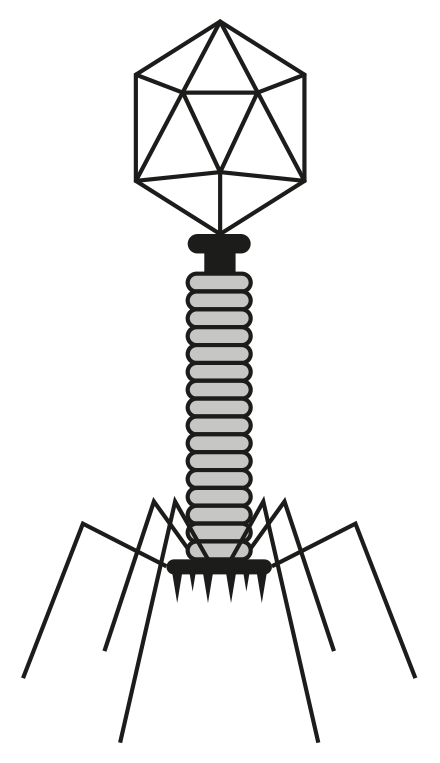
The diagram shows the structure of a bacteriophage lambda virus.

Question image
(a)

On the image, label the capsid.

[ 1 ]
(b)

Describe one reason that viruses are not considered to be living.

[ 1 ]
(c)

Explain how the bacteriophage lambda reproduces in the lysogenic cycle.

[ 3 ]
[Maximum number: 5]

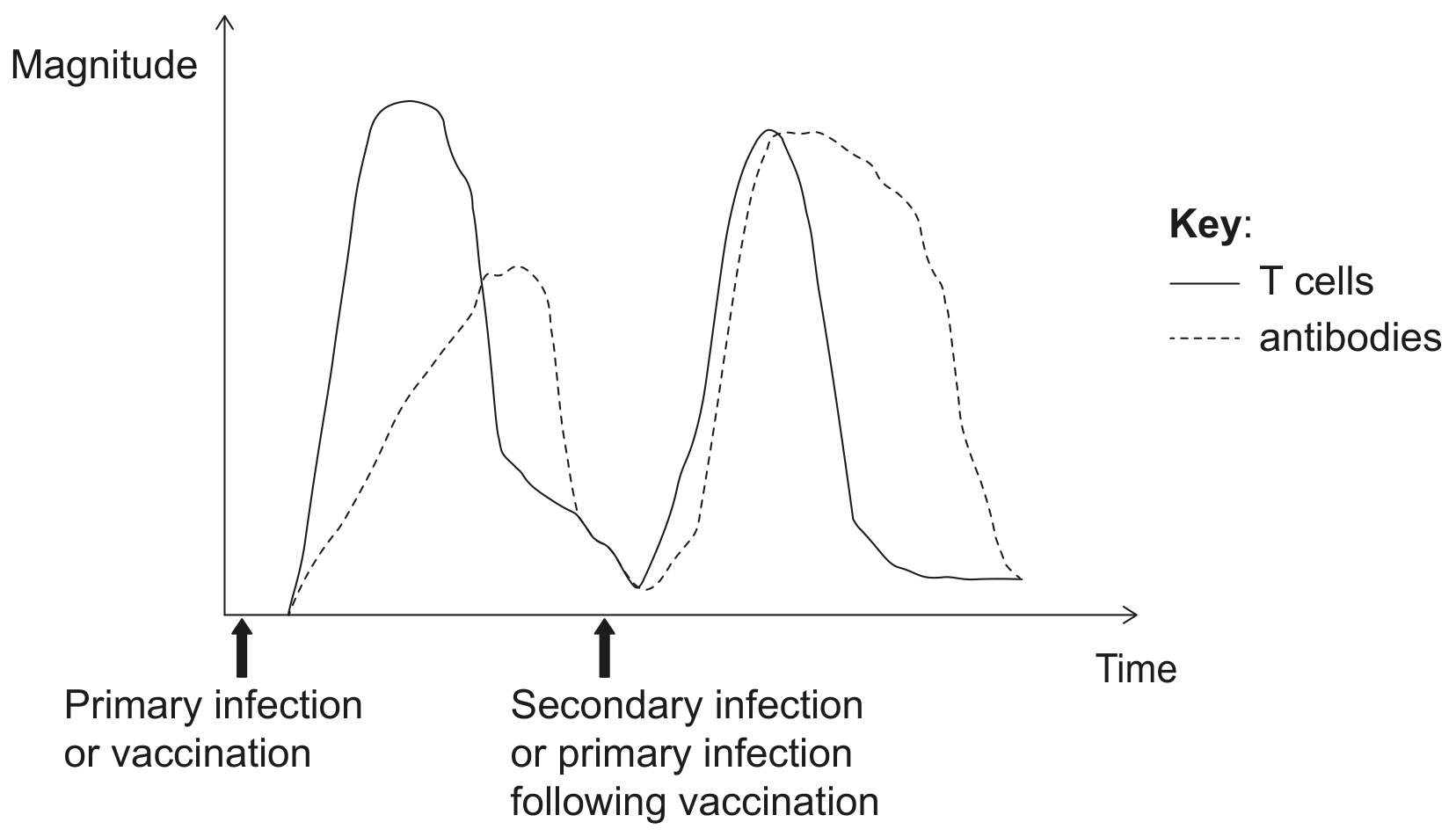
Adaptive immunity leads to cells that are infected by viruses being killed, resulting in immune memory which is the basis of vaccination.

(a)

Distinguish between innate and adaptive immune response.

The graph shows the magnitude of the immune response after infection or after vaccination over time.

Question image
[ 1 ]
(b)

Explain reasons that the T-cells peak before the antibodies after primary infection or vaccination, but T-cells peak at the same time as the antibodies after secondary infection or primary infection following vaccination.

[ 2 ]
(c)

Different types of vaccine are used to prevent viral diseases. Justify this statement in terms of the structure of viruses.

[ 2 ]
(a)
(i)

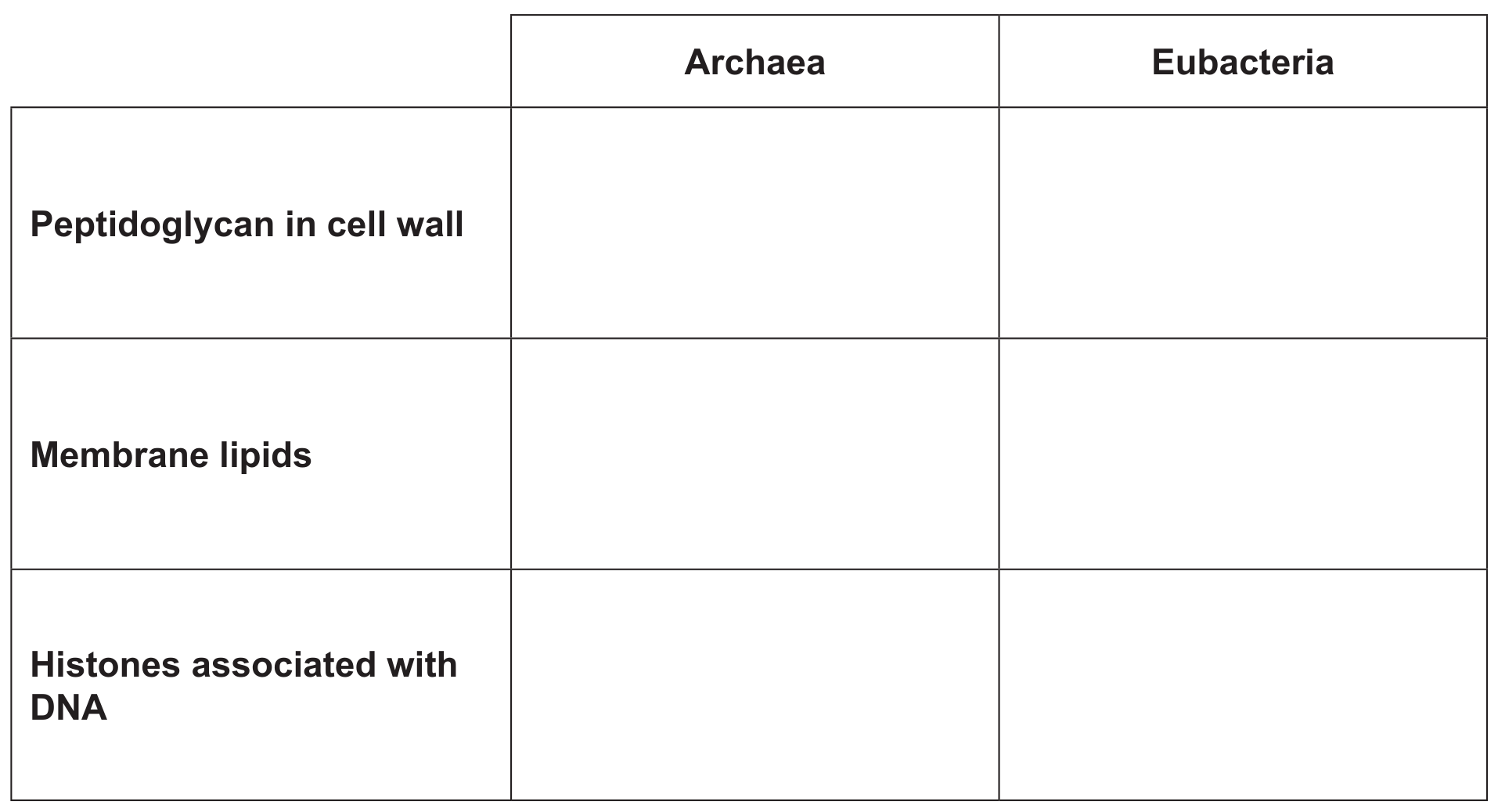
Using the table, distinguish between Archaea and Eubacteria.

Table
[ 3 ]
(ii)

List two roles for microbes in ecosystems.

[ 1 ]
(iii)

Draw a labelled diagram of a filamentous cyanobacterium.

[ 2 ]
(b)

Endotoxins are lipopolysaccharides. State where endotoxins are found.

[ 1 ]
[Maximum number: 6]

In 1975, the Nobel Prize for medicine and physiology was awarded to Baltimore, Dulbecco and Temin for the discovery of the viral enzyme reverse transcriptase. Explain the role of reverse transcriptase.

0