[Maximum number: 1]
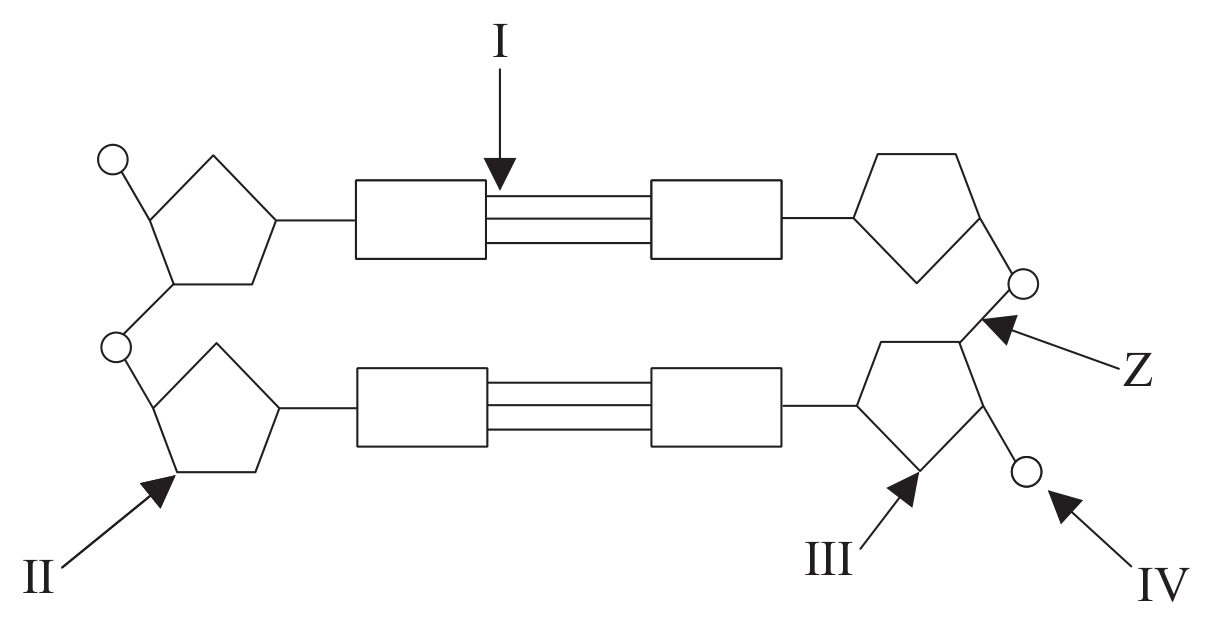
What type of bond does Z represent?
A
Covalent bond
B
Hydrogen bond
C
Peptide bond
D
Semi-conservative bond
 EduNinja
What type of bond does Z represent?
Covalent bond
Hydrogen bond
Peptide bond
Semi-conservative bond
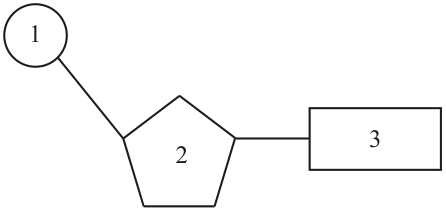
Which parts of this nucleotide would bond covalently with other nucleotides in a DNA double helix?
1 and 2 only
1 and 3 only
2 and 3 only
1, 2 and 3
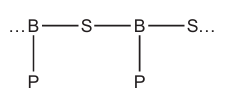
What is the arrangement of the components of nucleotides in a single DNA strand?
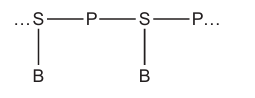
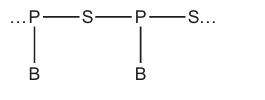

The diagram shows a dinucleotide.
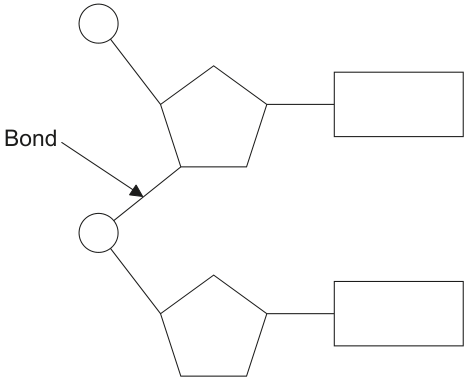
Which type of bond is identified by the arrow?
Phosphate
Hydrogen
Covalent
Peptide
The diagram shows part of a DNA molecule.
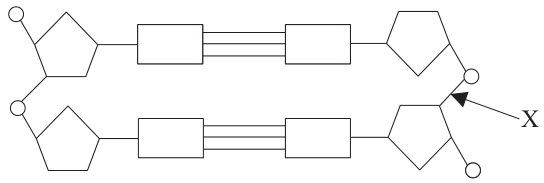
What type of bond does X represent?
Covalent bond
Hydrogen bond
Peptide bond
Semi-conservative bond
Which feature is common to both mRNA and DNA?
Covalent bonds between adjacent nucleotides
Hydrogen bonds between guanine and cytosine
Ribose sugar attached to phosphate
Antiparallel arrangement of polynucleotide strands
What does the structure labelled X represent?
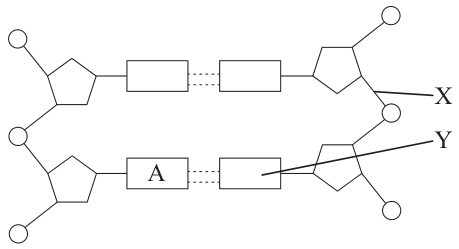
Hydrogen bond
Phosphate
Covalent bond
Base
What is the correct arrangement for the components of one strand in a DNA molecule?
- phosphate - deoxyribose - base - phosphate - deoxyribose - base -
- base - deoxyribose - base - deoxyribose - base - deoxyribose - phosphate phosphate phosphate
- phosphate - deoxyribose - phosphate - deoxyribose - phosphate - deoxyribose -
- phosphate - base - phosphate - base - phosphate - base deoxyribose deoxyribose deoxyribose
What is bonded to phosphates in a strand of RNA?
Only carbohydrates
Adenine, guanine, cytosine and thymine
Adenine, guanine, cytosine and uracil
Pentoses and bases